Cockatoo Care Guide | Characteristics and Proper Care for Galah and Sulphur-Crested Cockatoos
An explanation of the key characteristics, mental care, feather management, cage selection, and communication methods for keeping cockatoos. This comprehensive guide will help you succeed in living with emotionally expressive cockatoos.
Key Takeaways
An explanation of the key characteristics, mental care, feather management, cage selection, and communication methods for keeping cockatoos. This comprehensive guide will help you succeed in living with emotionally expressive cockatoos.
What Kind of Bird Is a Cockatoo?
Cockatoo is a general term for large parrots belonging to the family Cacatuidae, and there are over 21 species. In Japan, the most commonly kept are the Sulphur-crested Cockatoo (Greater Sulphur-crested Cockatoo), Galah (Galah species), Moluccan Cockatoo, and Yellow-crested Cockatoo. Their native habitats are Australia, Indonesia, Papua New Guinea, and other regions, where they live in flocks in the wild.
✍️
BreederDirect Editorial
The BreederDirect editorial team specializes in care information for animals, covering veterinary care and breeding to deliver beginner-friendly guides.
Find Birds on BreederDirect
Buy directly from verified breeders
Browse Related Listings
Find Birds listings related to this article on BreederDirect. Buy directly from verified breeders.
Related Tools
Related Articles
Browse by Category
🪸Coral
🐠Marine Fish
🐟Tropical Fish
🐡Goldfish
🐟Medaka
🦎Reptiles
Share
Compared to other parrots, cockatoos have extremely rich emotional expression and are sometimes described as "overly affectionate"—they are birds with high dependency on their caregivers. If proper mental care is neglected, they tend to develop problem behaviors such as feather self-injury (feather plucking and feather biting), aggressive behavior, and loud screeching. On the other hand, when raised in an appropriate environment, they can form exceptionally deep bonds and are truly fascinating companion birds. Their lifespan varies by species, but can reach 40–70 years in Sulphur-crested and Moluccan cockatoos, requiring a commitment to welcome them as a "lifetime partner."
Key Characteristics by Species
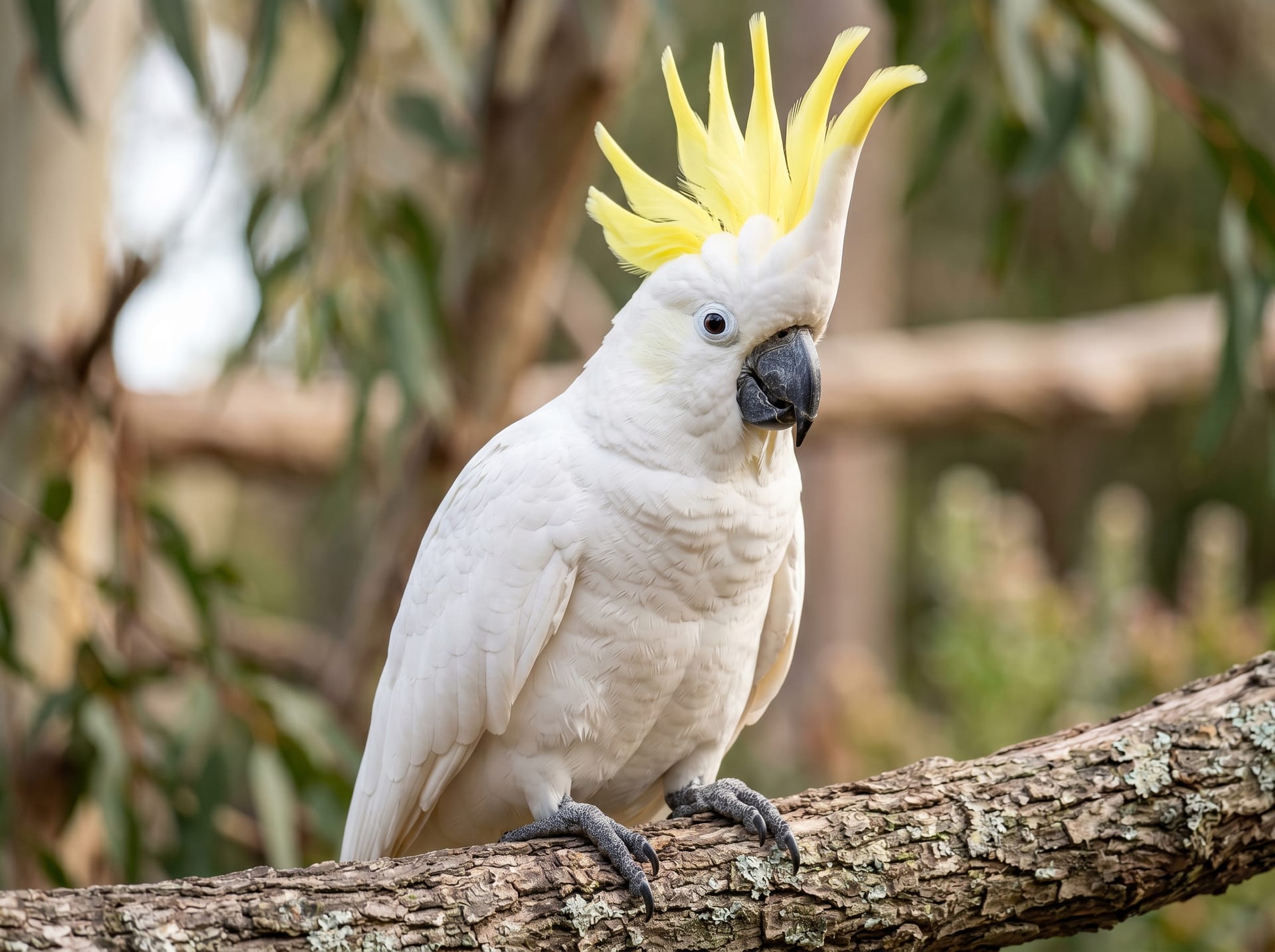
Sulphur-crested Cockatoo (Greater Sulphur-crested Cockatoo) is a large species reaching about 50 cm in length, characterized by pure white plumage and yellow crest feathers. It is highly intelligent and affectionate, but can display strong demanding calls and biting behaviors, making it more suitable for experienced keepers.
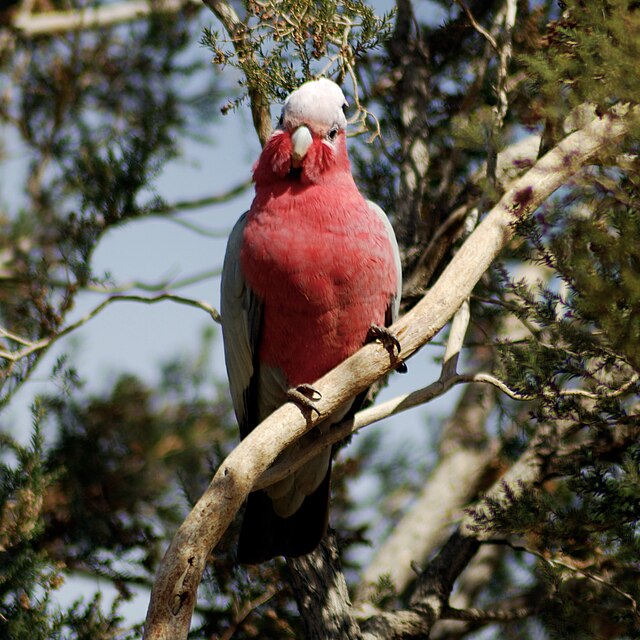
Galah (Galah species) is a medium-sized cockatoo, reaching about 35 cm in length. Its soft pink and grey coloring is beautiful, and its relatively gentle temperament makes it sometimes recommended as a beginner species. However, it still possesses the general characteristics of cockatoos—high dependency and loud vocalizations.
Moluccan Cockatoo is a large species with beautiful salmon-pink plumage and a large crest, known for particularly intense emotional expression and higher care difficulty. Its vocalizations are extremely loud, making it difficult in practice to keep in apartment settings in many cases.
Keeping Space and Cage Selection
Since cockatoos are large and active, provide the largest cage possible. For Sulphur-crested Cockatoos, a minimum of 90 cm width × 60 cm depth × 120 cm height is the baseline. However, a cage is only a "sleeping area and safe base"—providing several hours of out-of-cage time and activity daily is an absolute requirement. Before allowing out-of-cage time, thoroughly check the space for hazards such as electrical cords, toxic plants, and aluminum products.
Stainless steel is the best material. Galvanized or powder-coated cages risk poisoning if the bird chews on them. For perches, provide multiple species and thicknesses of natural wood (such as birch, cherry, or willow) to maintain foot muscle balance and help prevent bumblefoot (foot dermatitis). Avoid using only uniform-diameter plastic perches.
Mental Enrichment and Socialization
Cockatoos have high intelligence, and problem behaviors can arise from boredom in an unstimulating, monotonous environment. In addition to daily interaction with the keeper, it is important to continuously provide environmental enrichment such as the following:
Foraging toys: Wooden or leather toys with hidden nuts and dried fruits. They stimulate natural foraging instincts and increase psychological satisfaction.
Destructive toys: Natural wood, cork, and rope toys allow safe outlet for chewing and destructive behaviors.
Audio stimulation: Radio or bird-themed environmental sound CDs. They help ease loneliness during the keeper's absence.
Training: Target training or simple trick practice. It provides intellectual stimulation and helps build trust.
The ideal is 2–3 hours or more of out-of-cage time and interaction daily. Unfortunately, cockatoos are not suitable for people with busy lifestyles involving long periods away from home. Proper socialization from the chick stage—exposure to diverse people, environments, and sounds—is also essential for long-term behavioral stability.
Diet and Nutrition Management
The basic diet should be 60–70% balanced nutritional pellets, with the remainder supplemented by fresh vegetables, fruits, grains, and small amounts of nuts. A diet based primarily on seeds tends to be high in calories and fat while lacking vitamins and calcium, making it unsuitable as a staple diet.
Safe foods: Bok choy, broccoli, Chinese mustard greens, carrots, apples (seeds removed), mango, berries, steamed sweet potato, brown rice, almonds (unsalted, small amounts)
Toxic foods: Avocado (lethal toxicity from persin), chocolate, caffeine-containing foods, alcohol, onions, garlic, and related plants, fruit pits (cyanogenic compounds in apples, peaches, etc.), and high-salt processed foods
Replace drinking water daily and regularly clean and disinfect the water container. Nutritional status is easily reflected in feather shine and weight changes, so weekly weight measurements are recommended.
Health Management and Addressing Feather Self-Injury
Schedule regular checkups with a bird-specialist veterinarian 1–2 times per year. Combining fecal testing, crop inspection, and weight measurement allows early detection of infections and nutritional disorders. When introducing a new bird, always quarantine it for 30 days before housing with existing birds to eliminate infection risks such as chlamydiosis and PBFD (Psittacine Beak and Feather Disease).
Feather plucking is a serious problem behavior common in cockatoos. Causes vary widely and include stress, loneliness, boredom, hormonal changes, skin disease, and allergies. When feather plucking is discovered, the first step is to see a bird-specialist veterinarian to rule out physical disease. If behavioral feather plucking is confirmed, combining increased environmental enrichment, more keeper interaction time, and behavior modification therapy is effective. Punishment or ignoring the behavior often increases anxiety and worsens the condition, so it is strongly recommended to address it under expert guidance. While an Elizabethan collar provides temporary physical protection, it is important to note that it is not a fundamental solution.