Source: Wikimedia Commons
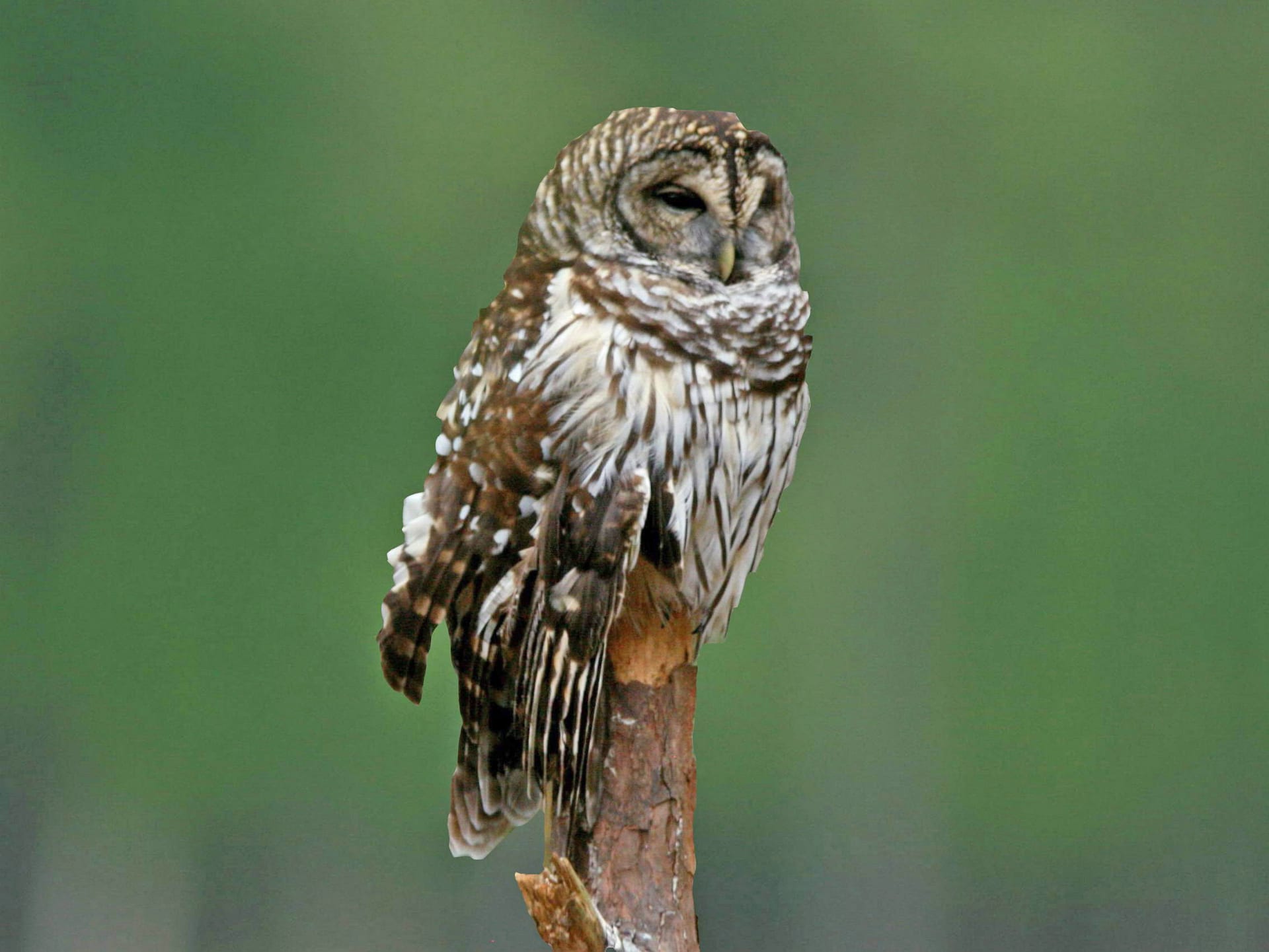
Barred Owl
AdvancedStrix varia
A large North American owl, brown to grey with bold streaking below, tuftless and dark-eyed, famous for an eight-note hoot rendered as who cooks for you. It favours mature forest and preys mainly on small mammals.
Difficulty
Advanced
Temperature
15〜30℃
Lifespan
10-20 years
Size
50-60cm (Florida birds: males 681-800g, females 850-875g)
Humidity
40〜60%
Diet
Frozen mice, rats, day-old chicks and quail; in the wild mainly small mammals, plus birds, reptiles, amphibians and invertebrates
About
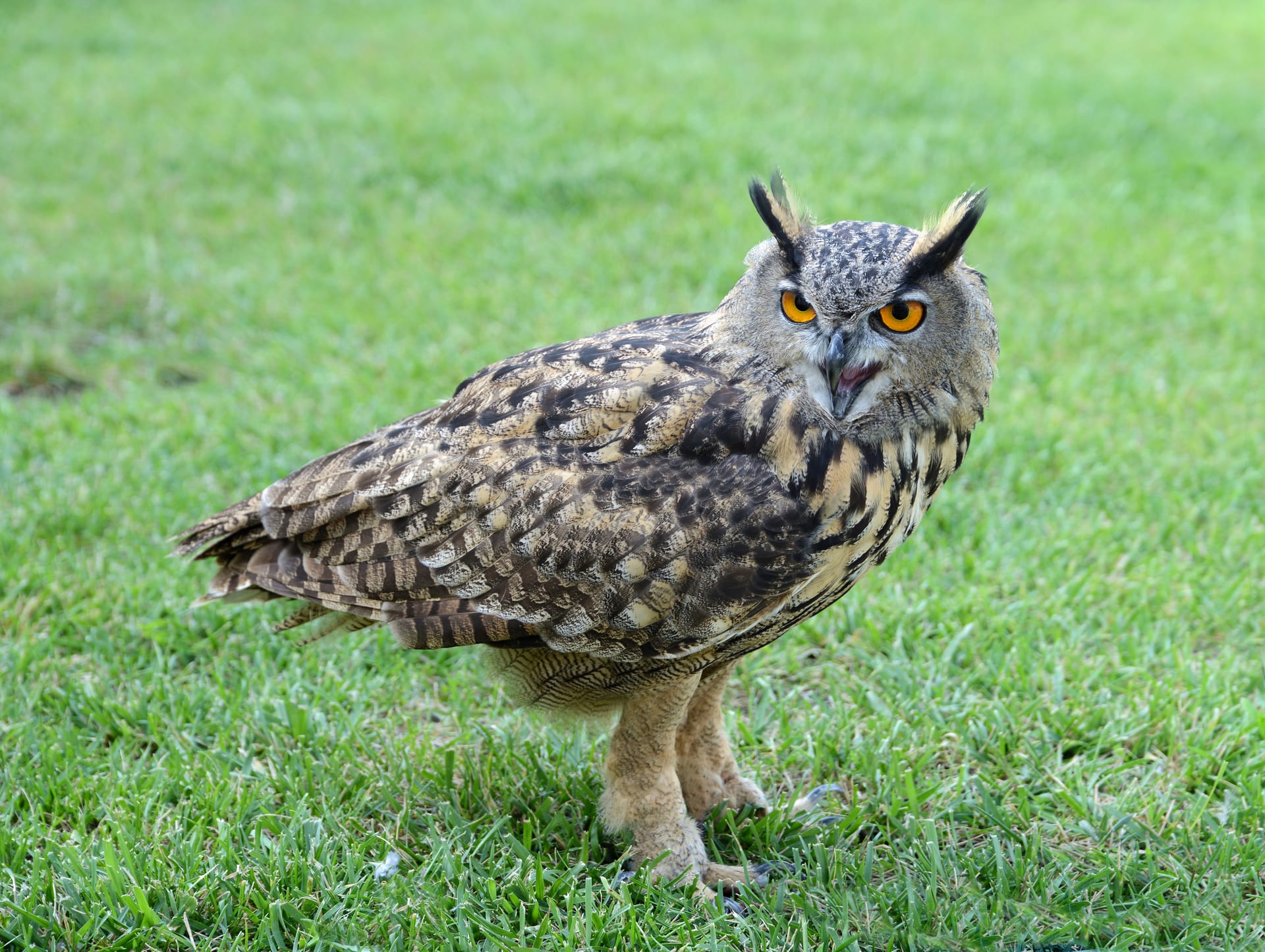
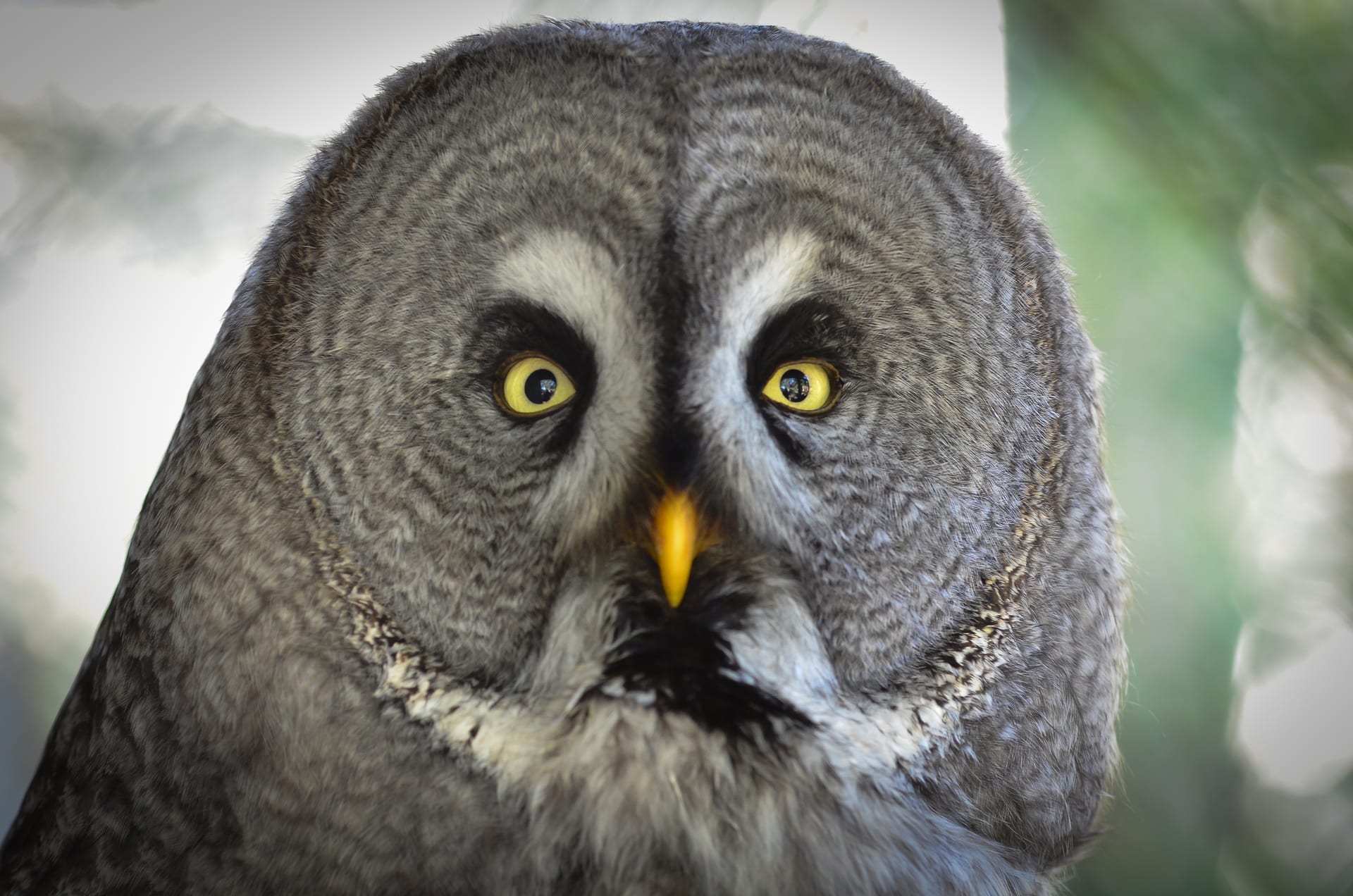
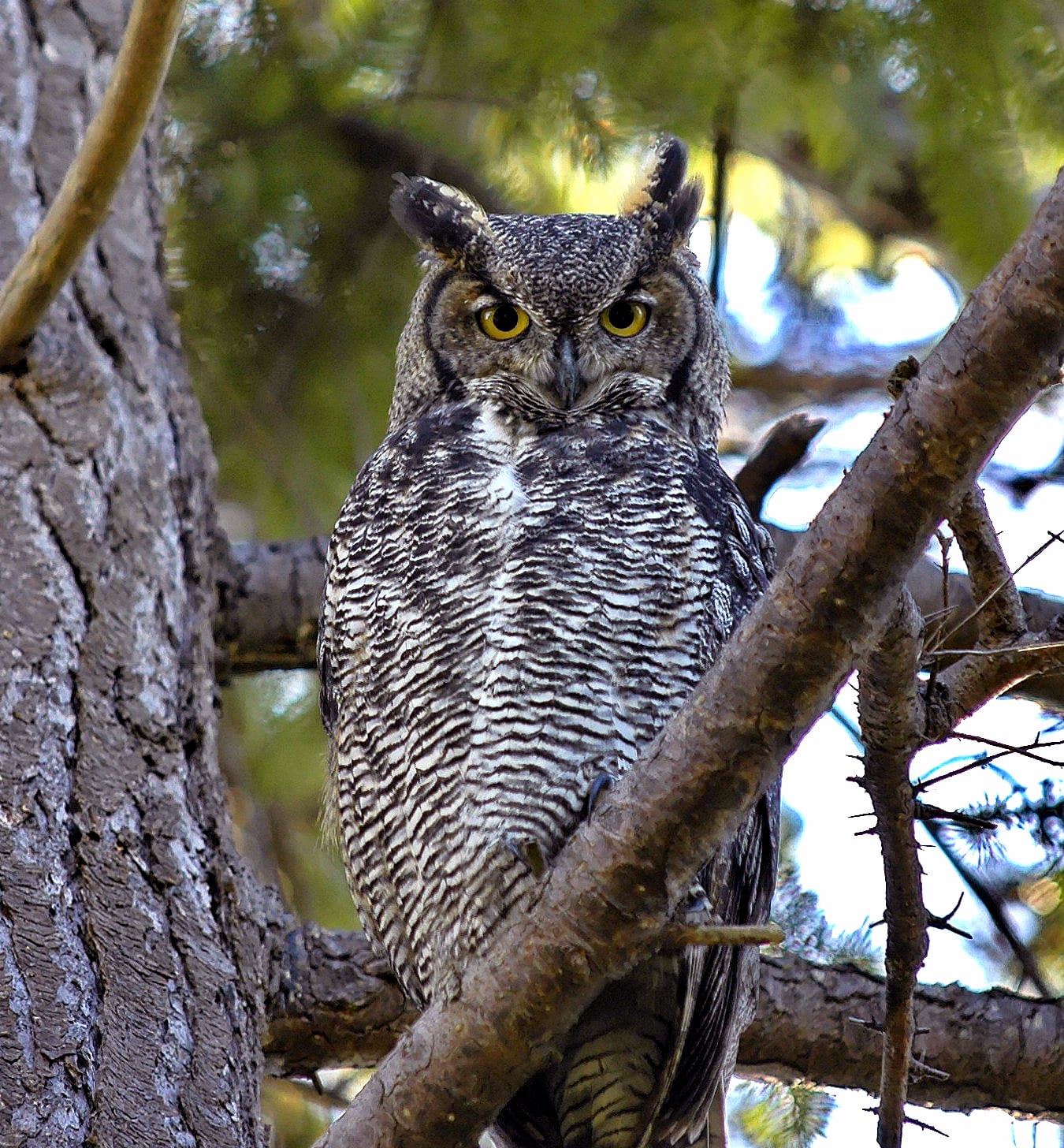
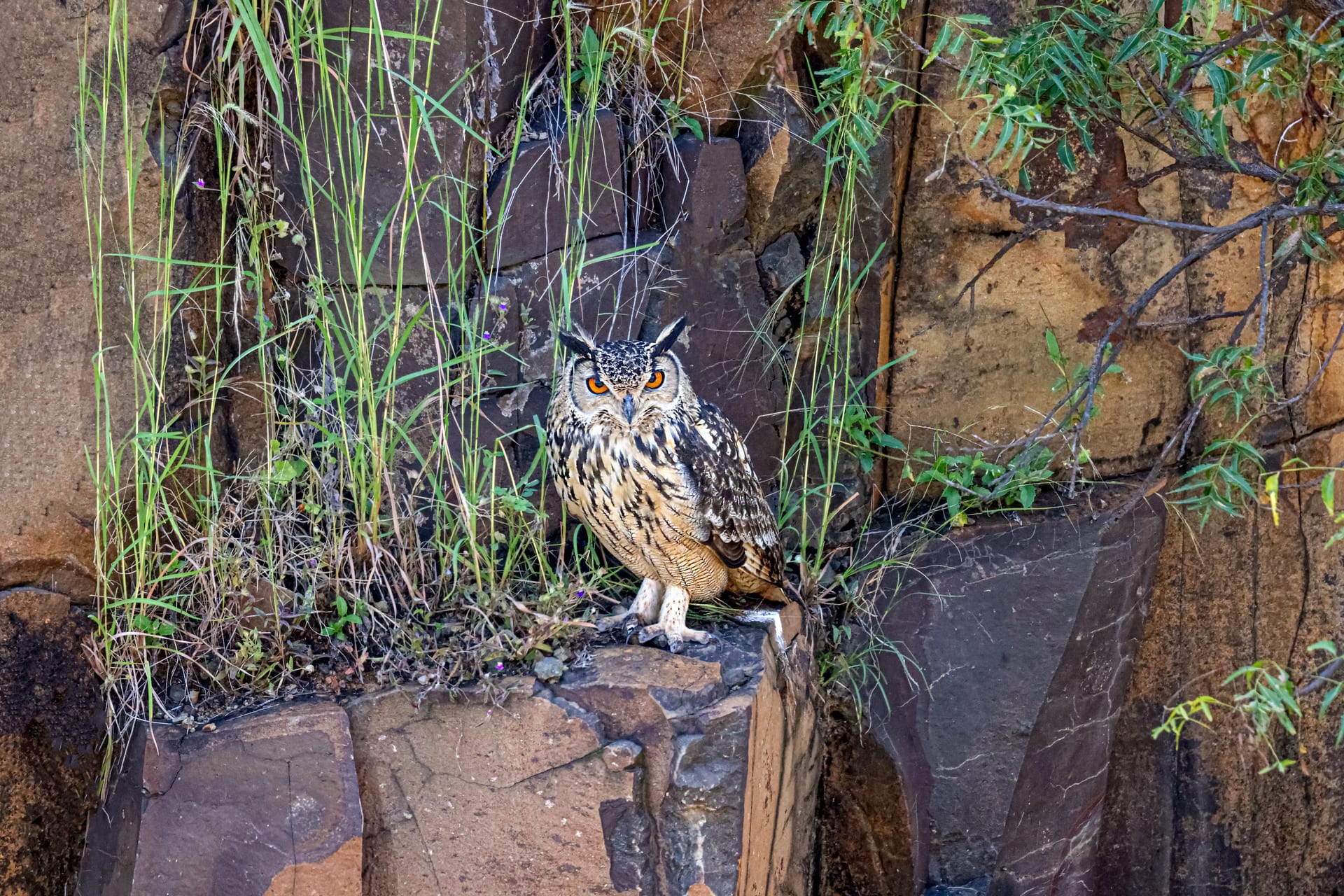
It is brown to grey overall with dark striping below, tuftless and, like other Strix owls, dark-eyed. Native to eastern North America, it has spread west over the past century across the formerly treeless Great Plains to the Pacific coast, where it is considered invasive, and this expansion has brought it into the range of the related, threatened spotted owl. It prefers mature forest but adapts to open woodland of various kinds, and as an opportunistic predator takes mainly small mammals along with birds, reptiles, amphibians and invertebrates. Nesting is typical for a true owl, a relatively small brood raised in a tree hollow or snag. The English name refers to the barring below, and the bird is also called eight hooter, rain owl, wood owl and hoot owl.
Source: Wikipedia (CC BY-SA 4.0)
Lifespan of the Barred Owl
The Barred Owl lives 10-20 years.
Size of the Barred Owl
The Barred Owl grows to 50-60cm (Florida birds: males 681-800g, females 850-875g).
The barred owl (Strix varia) is a large North American owl, 50-60 cm long; Florida birds weigh 681-800 g in males and 850-875 g in females, showing less sexual dimorphism than the northern race.
Basic Info
Origin
Native to eastern North America, with a recent expansion to the west coast where it is regarded as invasive
Lifespan
10-20 years
Size
50-60cm (Florida birds: males 681-800g, females 850-875g)
Care Specifications
AggressiveSolitary
Sources: Wikipedia - Barred owl / Wikipedia - Barred owl, Japanese edition (morphology, subspecies)
References & Sources
Edited & verified by: BreederDirect editorial team
The taxonomic, regulatory, and husbandry data on this page are compiled and verified against the authoritative primary sources below.
Taxonomy & Authority
Accepted name: Strix varia Barton, 1799
Synonyms: Syrnium varium
Authority databases: GBIF
Nomenclature follows global taxonomic authority databases.
Regulations & Conservation Status
CITES Appendix IIIUCN LC · Least Concern
Strix varia. The order Strigiformes is listed in CITES Appendix II except for species placed in Appendix I, so this species is Appendix II and international trade requires an export permit. It is not among Japan's designated dangerous animals.
Sources: CITES Appendices (Appendix II) / IUCN Red List / Cabinet Order under the Act on Welfare and Management of Animals, appended table (designated dangerous animals)
Regulations may change. Always verify the latest information with the relevant authorities.
Barred Owl Listings
Loading latest listingsFind listings for this species