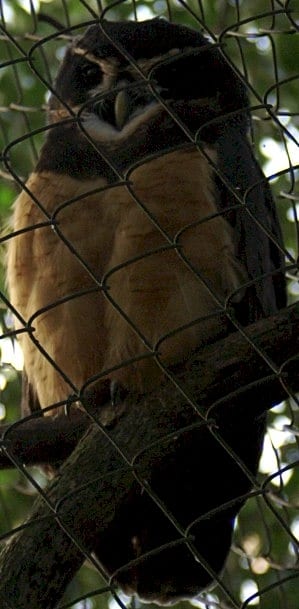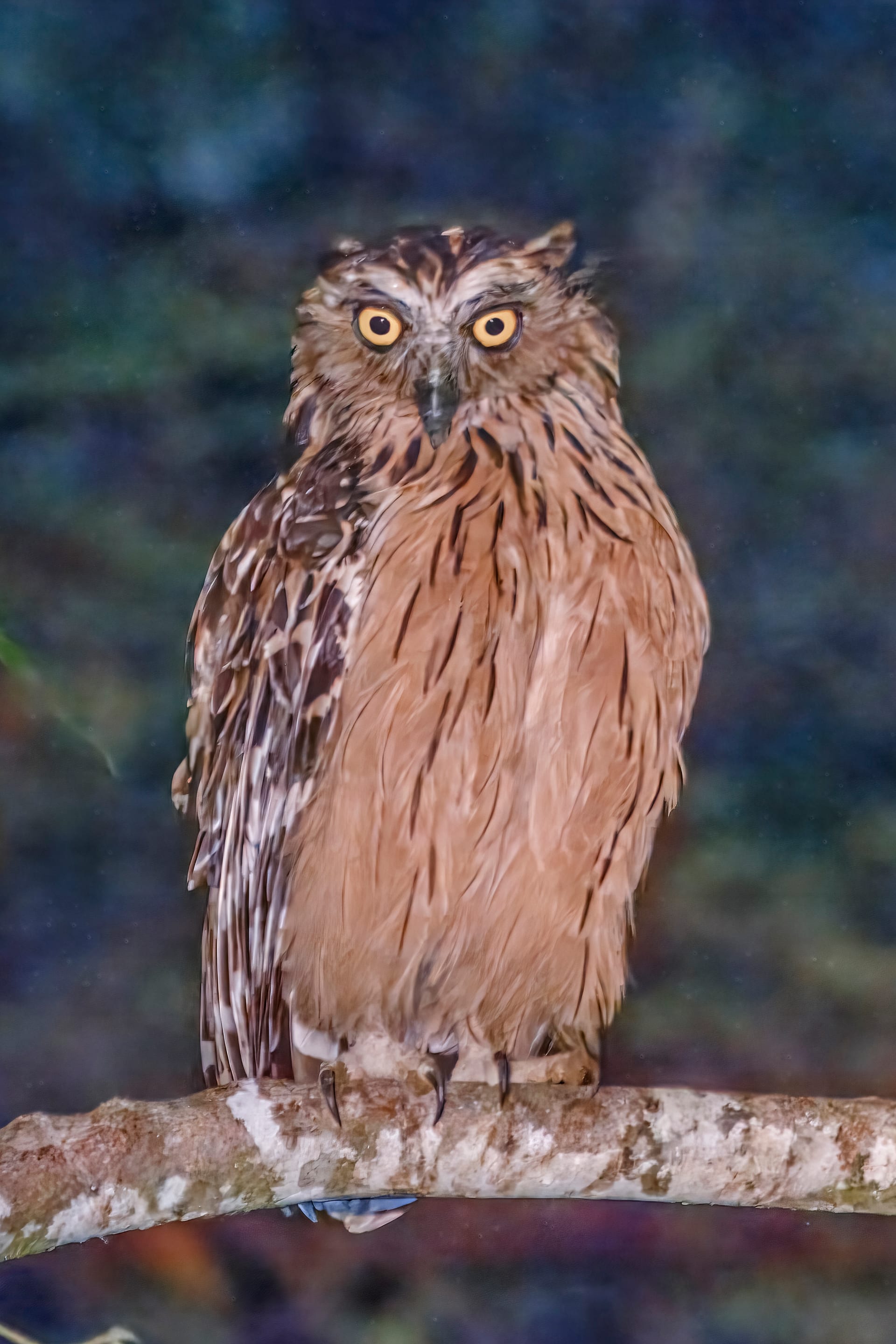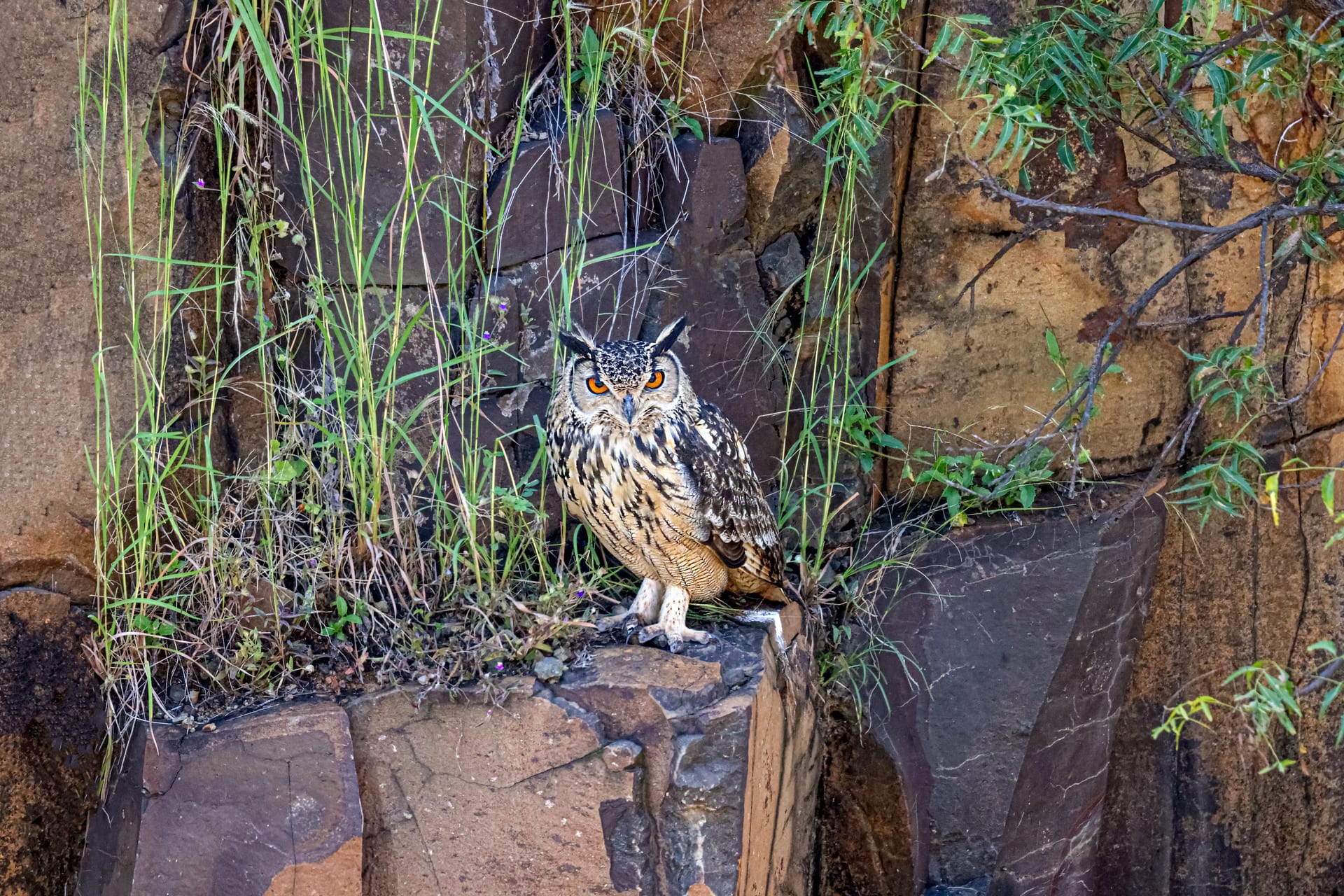
Source: Wikimedia Commons
Indian Eagle-Owl
AdvancedBubo bengalensis
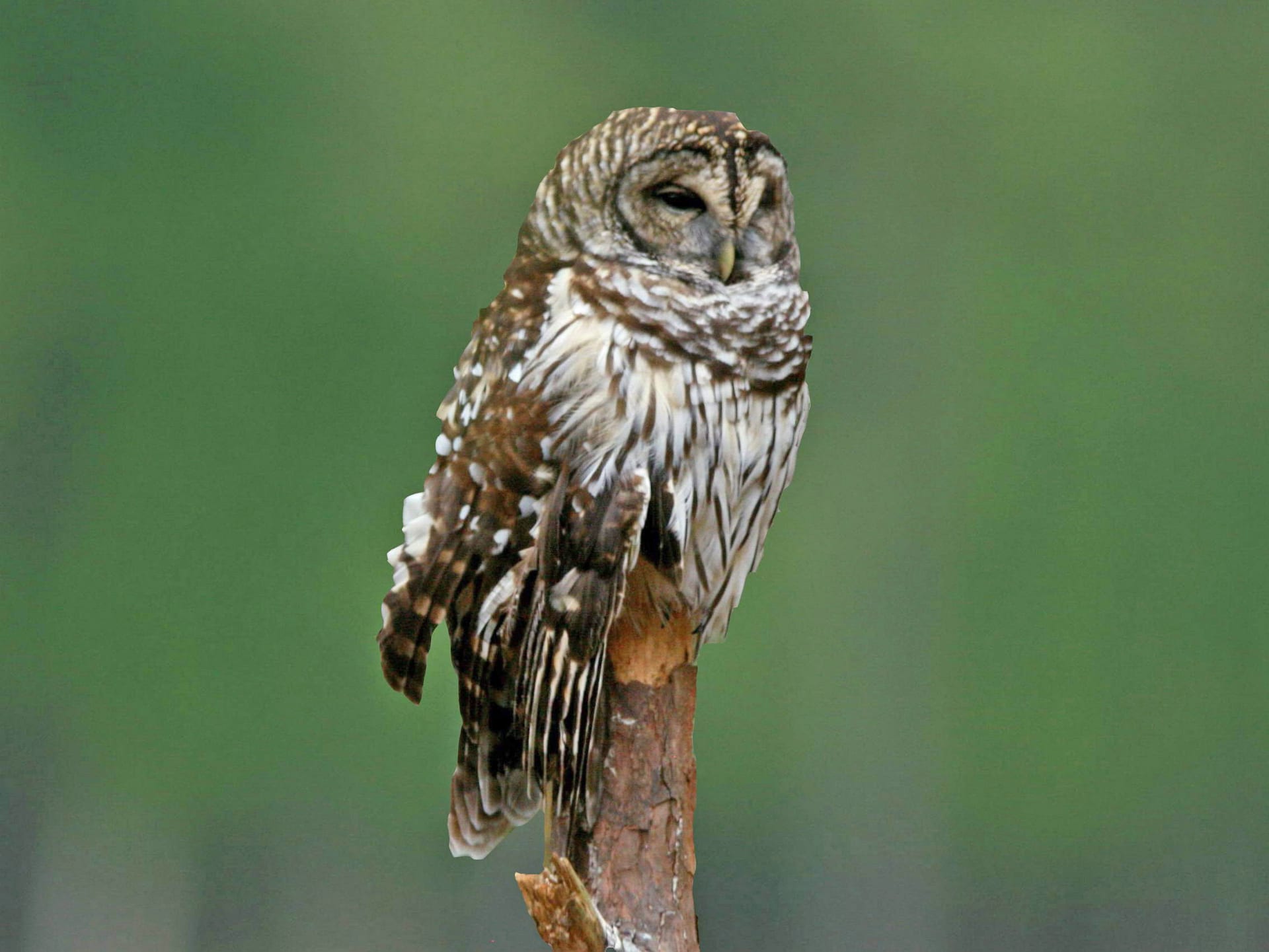
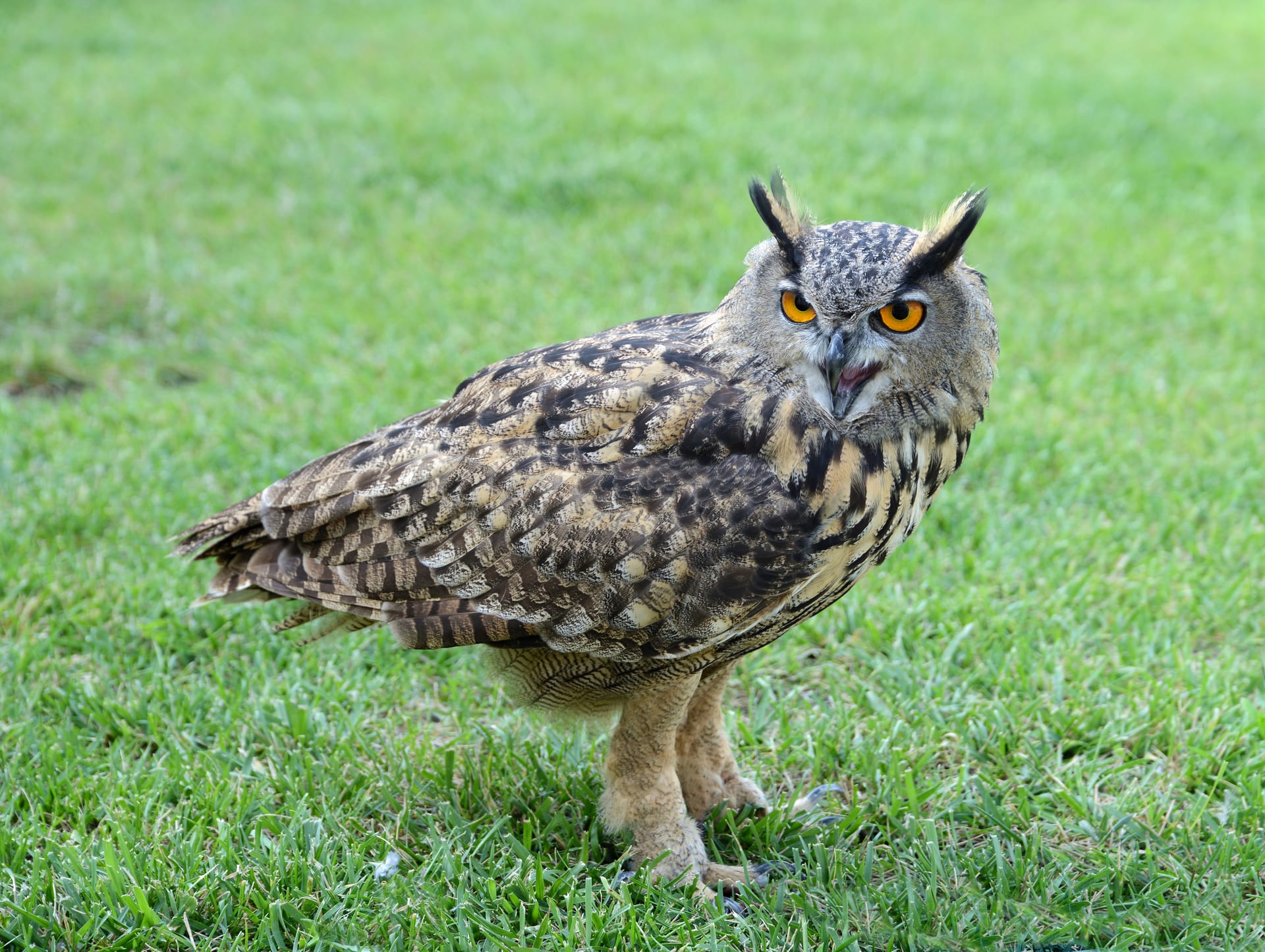
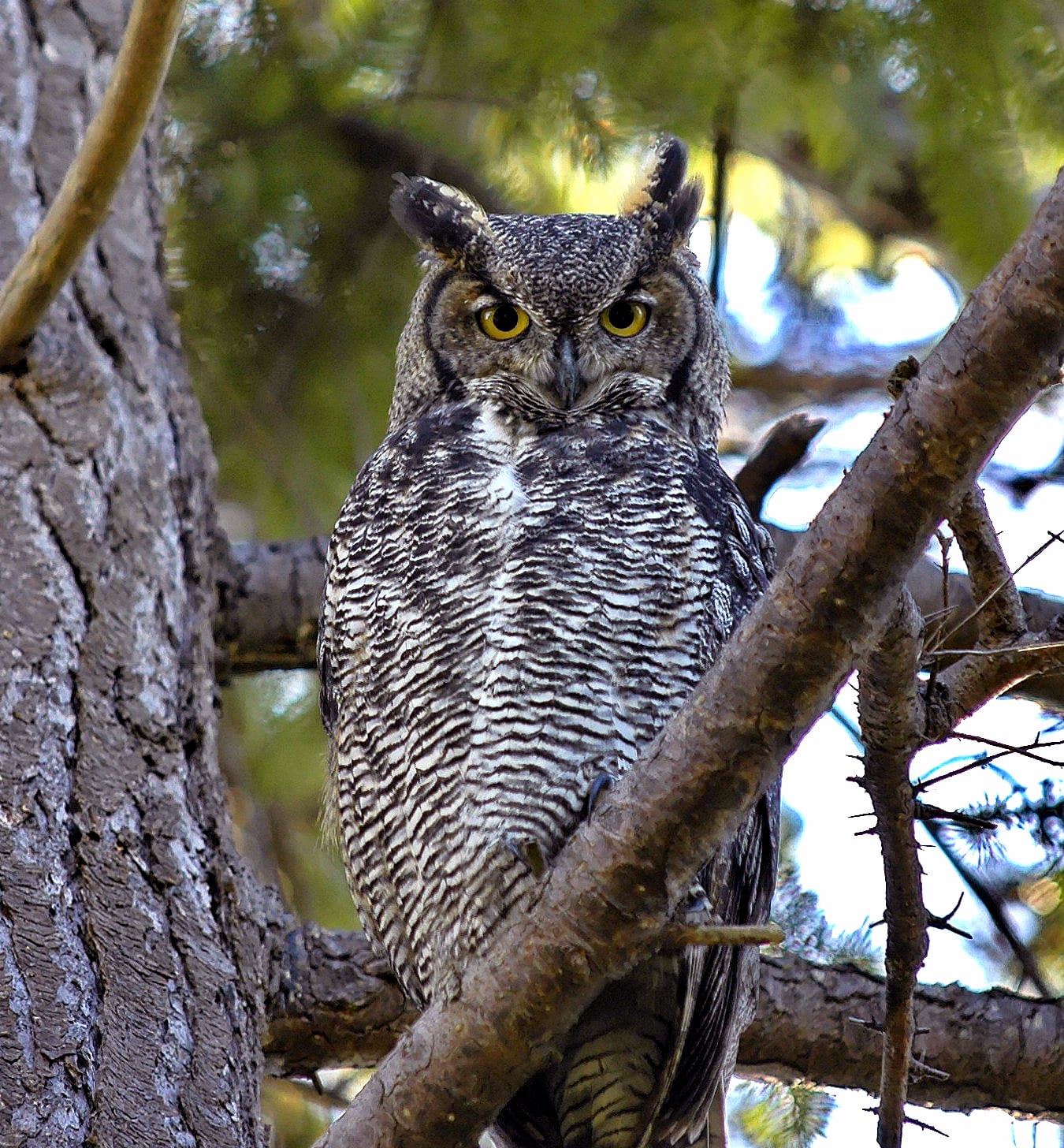
A large horned owl of rocky scrub in the Indian subcontinent, mottled brown and grey with an unmarked, black-bordered facial disc and orange eyes. It gives a deep resonant two-note call at dawn and dusk. It is usually seen in pairs.
Difficulty
Advanced
Temperature
15〜30℃ (typical for Bird)
Lifespan
15+ years
Size
50-56cm (about 1,100g)
Humidity
40〜60%
Diet
Frozen rats, mice, quail and day-old chicks; in the wild rodents year-round, with birds taken more heavily towards winter
About
James Franklin named it in 1831 from a specimen taken in northern India. Long treated as a subspecies of the Eurasian eagle-owl and very similar to it, it differs in an unmarked facial disc with a strong black border, which is far weaker in the Eurasian bird, in unbanded rufous bases to the primaries, in tail bands where the tawny is wider than the black, and in a large pale scapular patch visible on the folded wing. The inner claws are the longest and the last joint of the toes is unfeathered; the eyes are orange and the bill black. It avoids humid evergreen forest and extremely arid country, favouring bush-covered rocky hills, ravines and river banks, and spends the day under a bush or rock or in a thickly foliaged tree near villages. Its deep resonant two-note call is characteristic, males delivering long calls at dusk in the breeding season with peak intensity in February. Young birds click, hiss and spread their wings to look larger, and nesting adults fly in zigzags and mob intruders, people included.
Source: Wikipedia (CC BY-SA 4.0)
Lifespan of the Indian Eagle-Owl
The Indian Eagle-Owl lives 15+ years.
Size of the Indian Eagle-Owl
The Indian Eagle-Owl grows to 50-56cm (about 1,100g).
The Indian eagle-owl (Bubo bengalensis) is a large horned owl of hilly, rocky scrub forest in the Indian subcontinent, 50-56 cm long and weighing about 1,100 g.
Basic Info
Origin
The Indian subcontinent, especially near rocky ground below 1,500 m south of the Himalaya
Lifespan
15+ years
Care Specifications
References & Sources
Edited & verified by: BreederDirect editorial team
The taxonomic, regulatory, and husbandry data on this page are compiled and verified against the authoritative primary sources below.
Primary sources
Taxonomy & Authority
Accepted name: Bubo bengalensis (Franklin, 1831)
Synonyms: Urrua bengalensis, Bubo bubo bengalensis
Authority databases: GBIF
Nomenclature follows global taxonomic authority databases.
Regulations & Conservation Status
CITES Appendix IIIUCN LC · Least Concern
Bubo bengalensis. The order Strigiformes is listed in CITES Appendix II except for species placed in Appendix I, so this species is Appendix II and international trade requires an export permit. It is not among Japan's designated dangerous animals.
Sources: CITES Appendices (Appendix II) / IUCN Red List / Cabinet Order under the Act on Welfare and Management of Animals, appended table (designated dangerous animals)
Regulations may change. Always verify the latest information with the relevant authorities.
Indian Eagle-Owl Listings
Loading latest listingsFind listings for this species