Source: Wikimedia Commons
Great Grey Owl
AdvancedStrix nebulosa
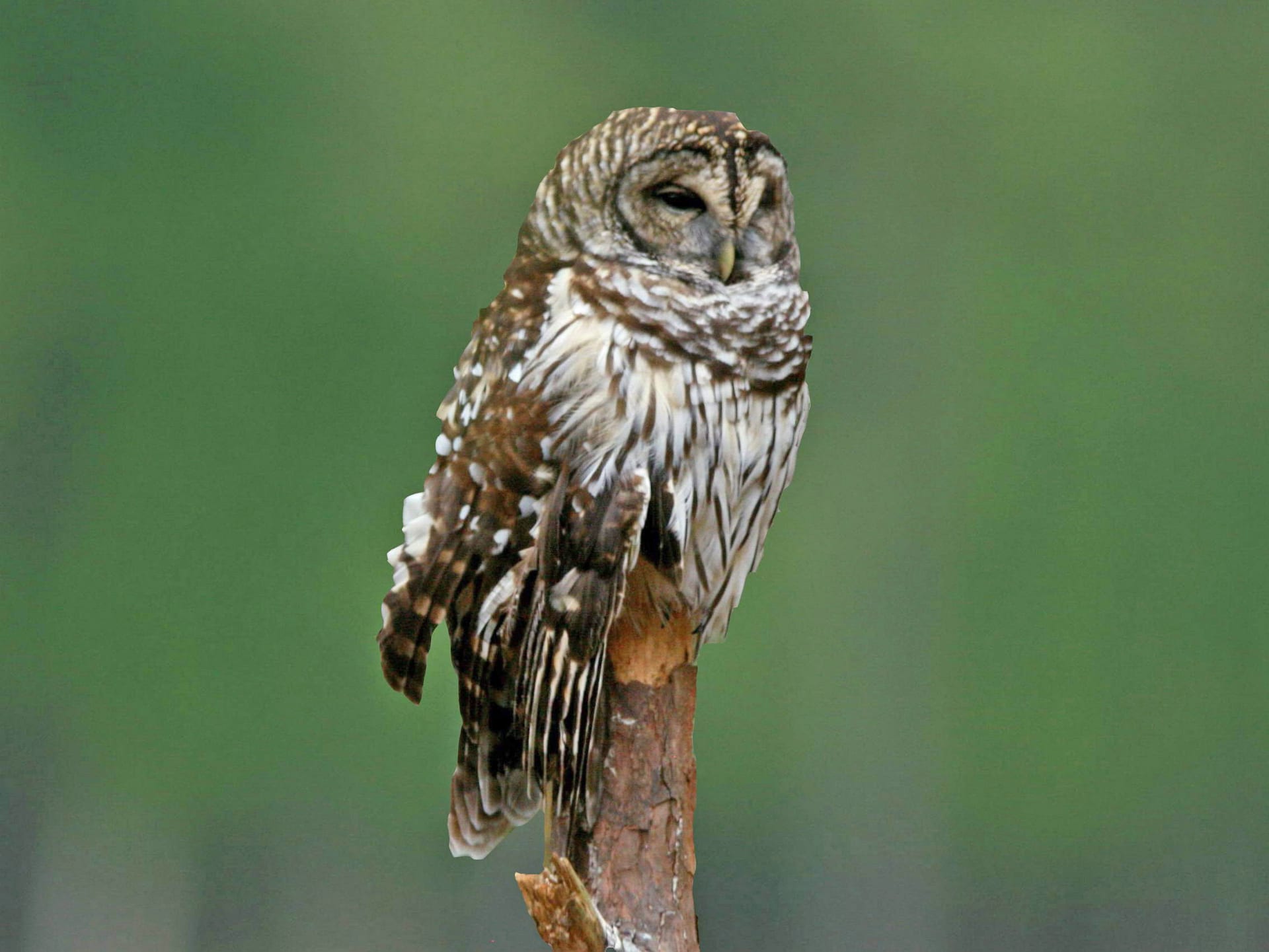
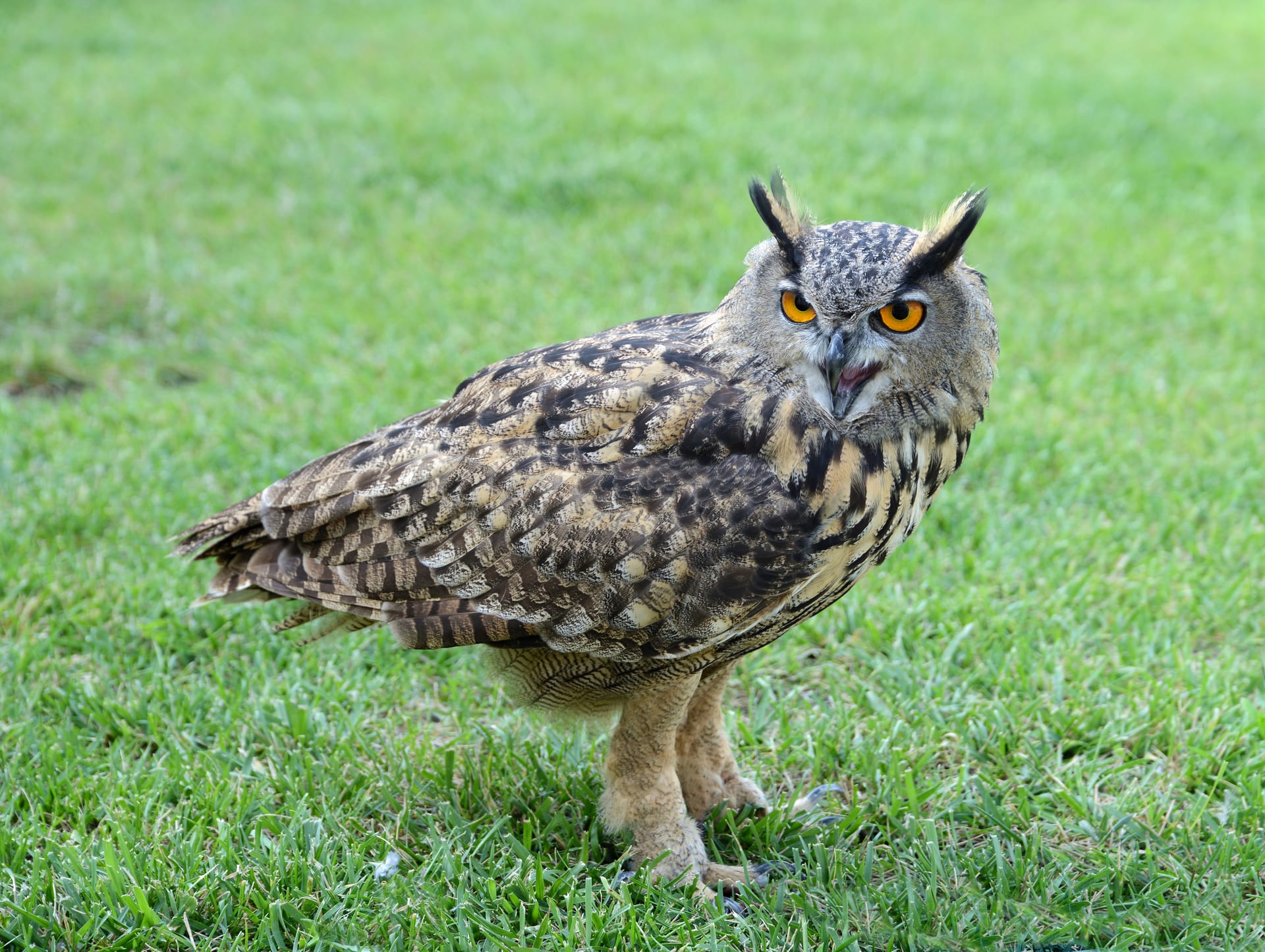
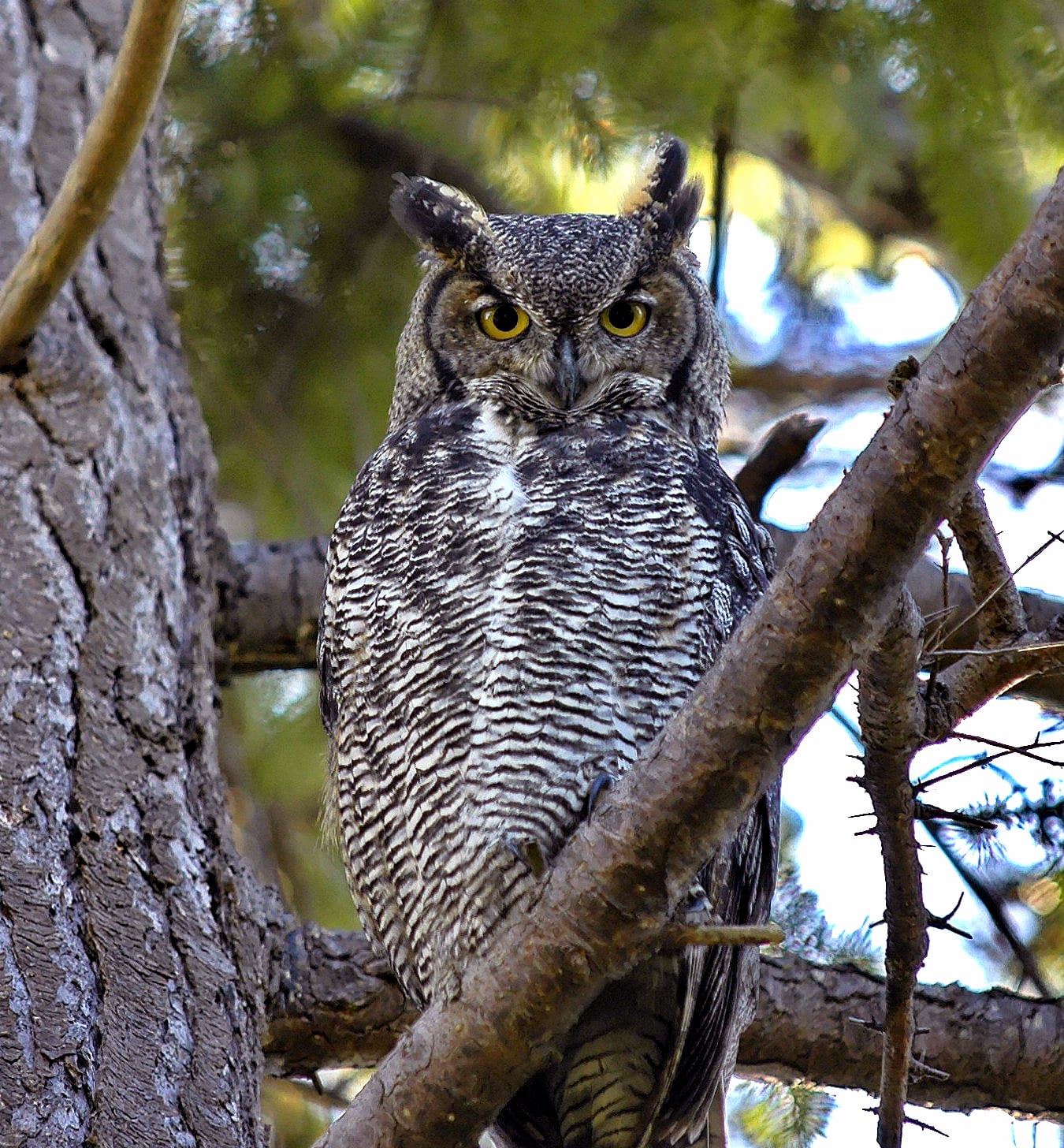
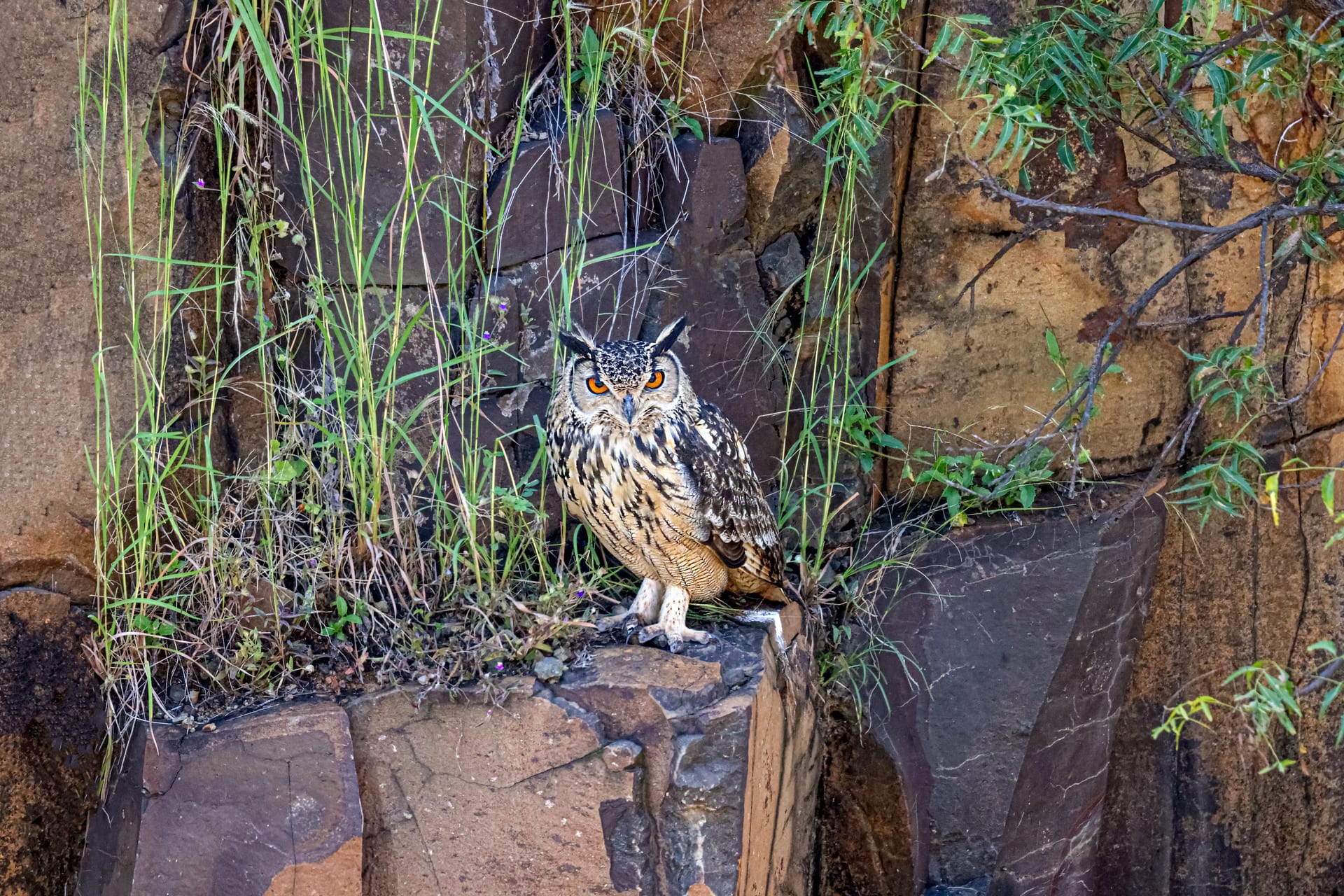
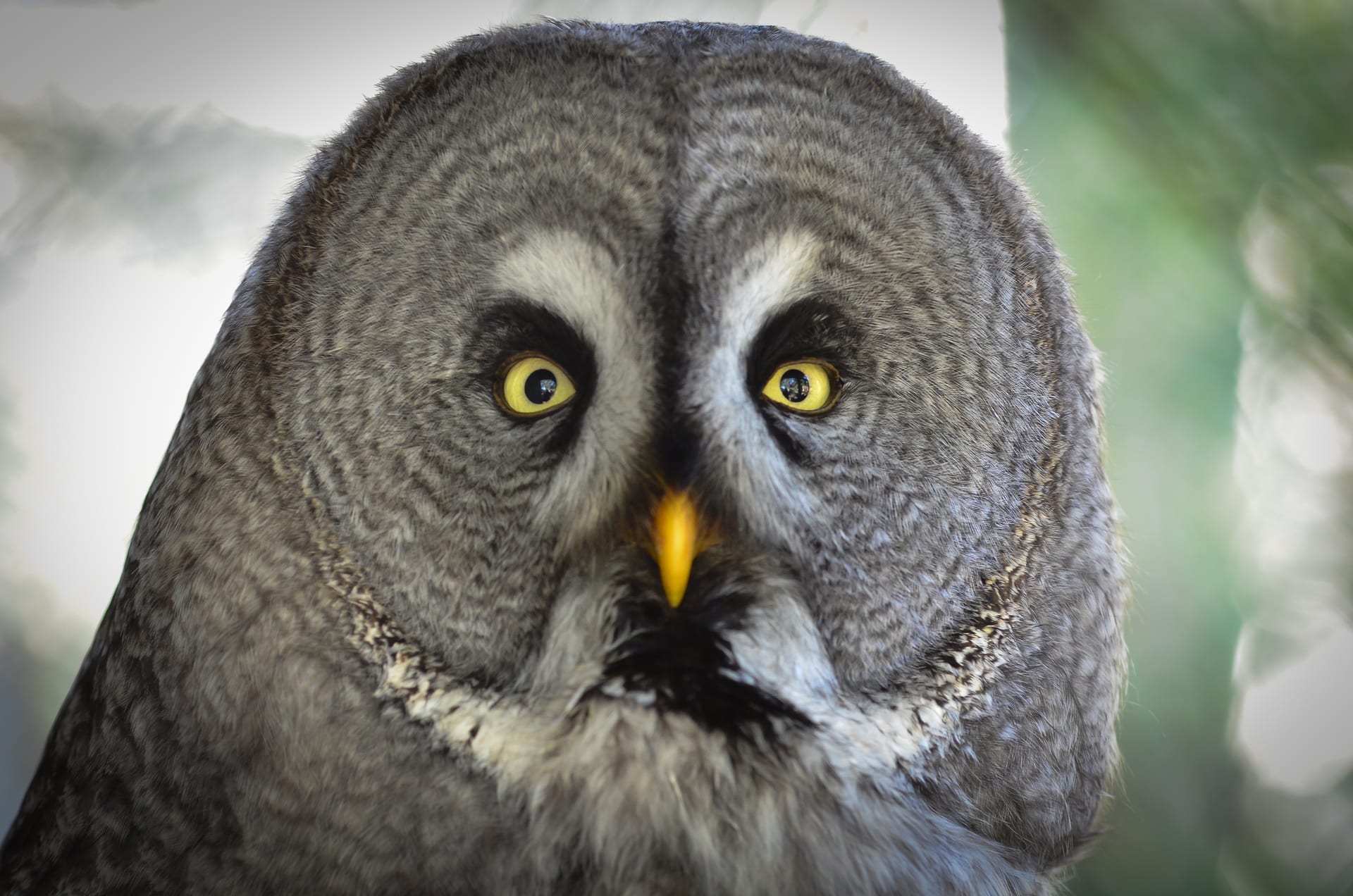
The world's largest owl by length, with no ear tufts, the largest facial disc of any raptor and a white bow-tie mark below the bill. Thick plumage makes it look heavier than it is. It can locate and seize prey moving beneath snow by sound alone.
Difficulty
Advanced
Temperature
15〜30℃
Lifespan
18-22 years
Size
61-84cm (averaging 72cm in females and 67cm in males; wingspan averages 142cm and 140cm, exceeding 152cm at most)
Humidity
40〜60%
Diet
Frozen mice, rats, day-old chicks and quail; in the wild mammals and birds
About
The great grey owl (Strix nebulosa) ranges through boreal coniferous forest across the Northern Hemisphere and is the world's largest owl by length, as well as the only Strix owl found in both hemispheres. It measures 61-84 cm, averaging 72 cm in females and 67 cm in males, and the wingspan can exceed 152 cm, averaging 142 cm and 140 cm respectively. Much of that size is fluff: dense plumage, a large head and the longest tail of any living owl conceal a body lighter than those of most other large owls, including the eagle-owls. The rounded head bears a grey face and yellow eyes ringed with darker circles, there are no ear tufts, the facial disc is the largest of any raptor, and a white bow-tie marks the throat below the bill. The underparts are pale with dark streaks and the upperparts grey with pale bars. It is active by day and by night, and its hearing is acute enough to locate and seize prey moving beneath snow. It breeds in the old nests of other birds, on stumps or on the ground, both parents feeding the young.
Source: Wikipedia (CC BY-SA 4.0)
Lifespan of the Great Grey Owl
The Great Grey Owl lives 18-22 years.
Size of the Great Grey Owl
The Great Grey Owl grows to 61-84cm (averaging 72cm in females and 67cm in males; wingspan averages 142cm and 140cm, exceeding 152cm at most).
Basic Info
Origin
Boreal coniferous forest across the Northern Hemisphere; the only Strix owl occurring in both the Eastern and Western Hemispheres
Lifespan
18-22 years
Care Specifications
Semi-aggressiveSolitary
Sources: Wikipedia - Great grey owl / Wikipedia - Great grey owl, Japanese edition (morphology, ecology)
References & Sources
Edited & verified by: BreederDirect editorial team
The taxonomic, regulatory, and husbandry data on this page are compiled and verified against the authoritative primary sources below.
Taxonomy & Authority
Accepted name: Strix nebulosa J. R. Forster, 1772
Synonyms: Strix lapponica
Authority databases: GBIF
Nomenclature follows global taxonomic authority databases.
Regulations & Conservation Status
CITES Appendix IIIUCN LC · Least Concern
Strix nebulosa. The order Strigiformes is listed in CITES Appendix II except for species placed in Appendix I, so this species is Appendix II and international trade requires an export permit. It is not among Japan's designated dangerous animals.
Sources: CITES Appendices (Appendix II) / IUCN Red List / Cabinet Order under the Act on Welfare and Management of Animals, appended table (designated dangerous animals)
Regulations may change. Always verify the latest information with the relevant authorities.
Great Grey Owl Listings
Loading latest listingsFind listings for this species