Source: Wikimedia Commons
Australian Ringneck
IntermediateBarnardius zonarius
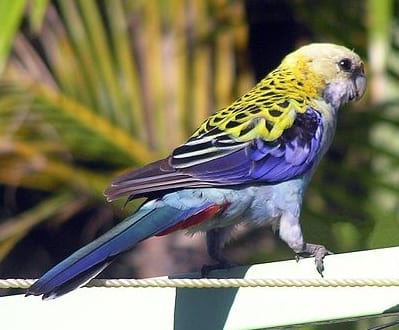
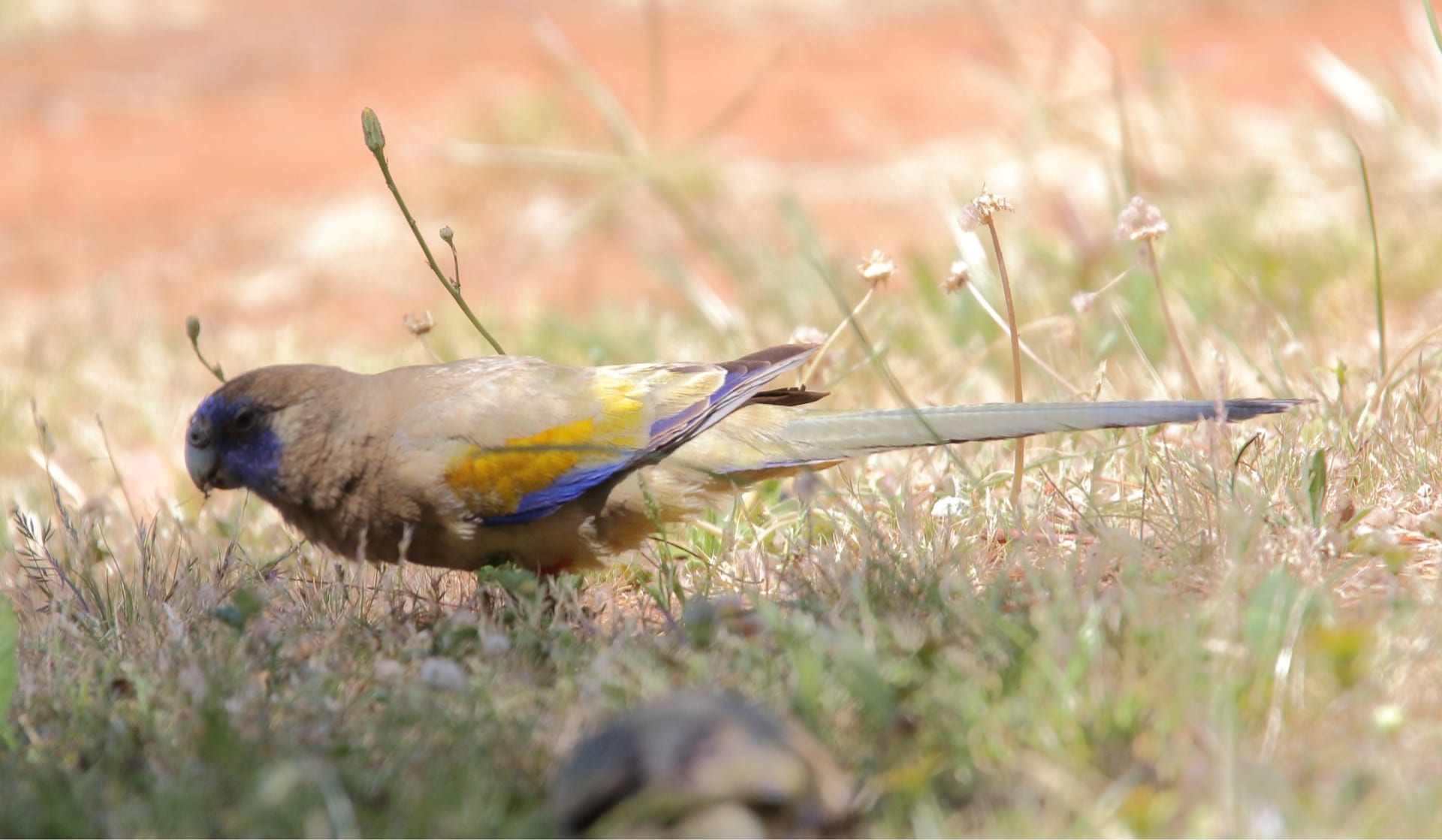
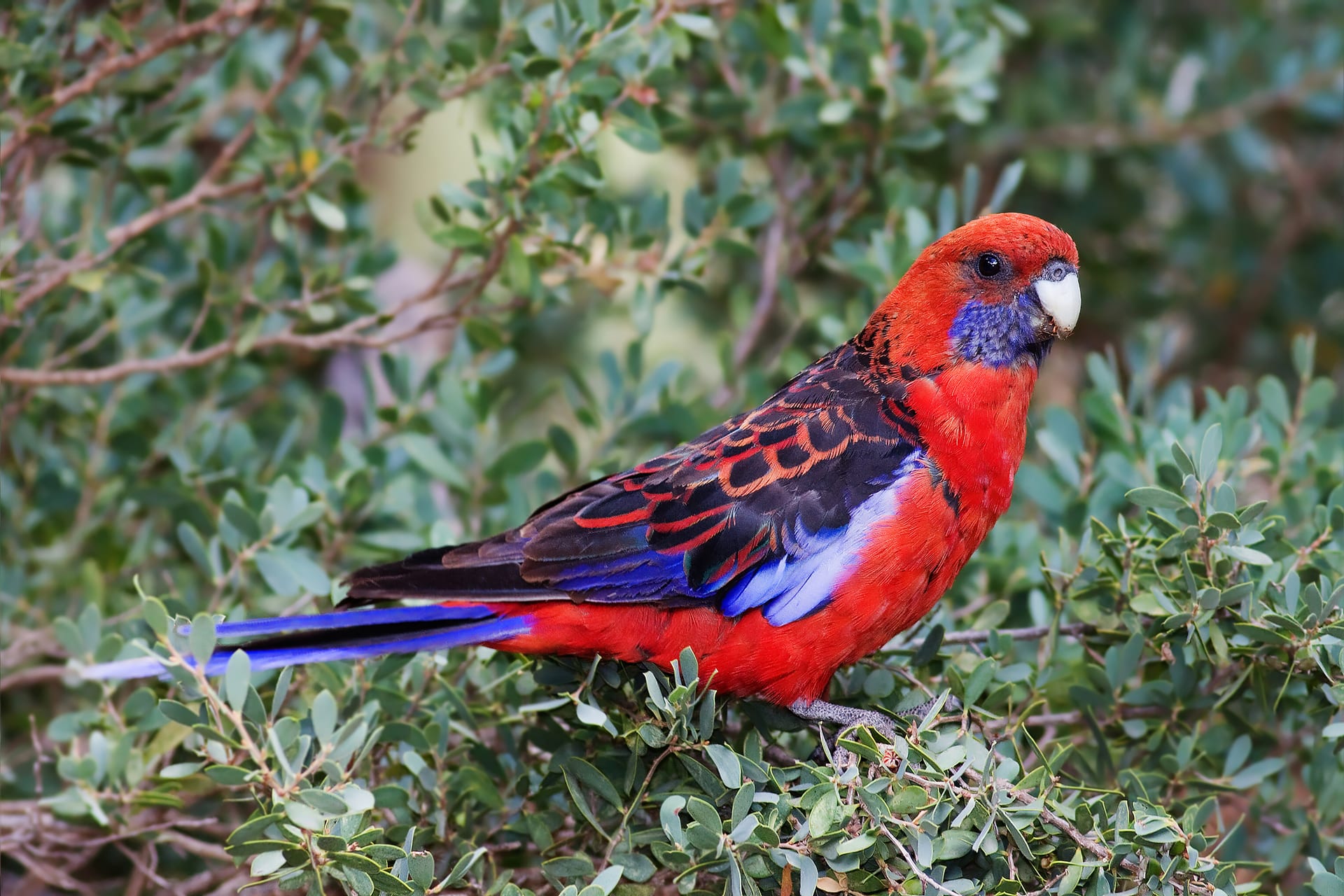
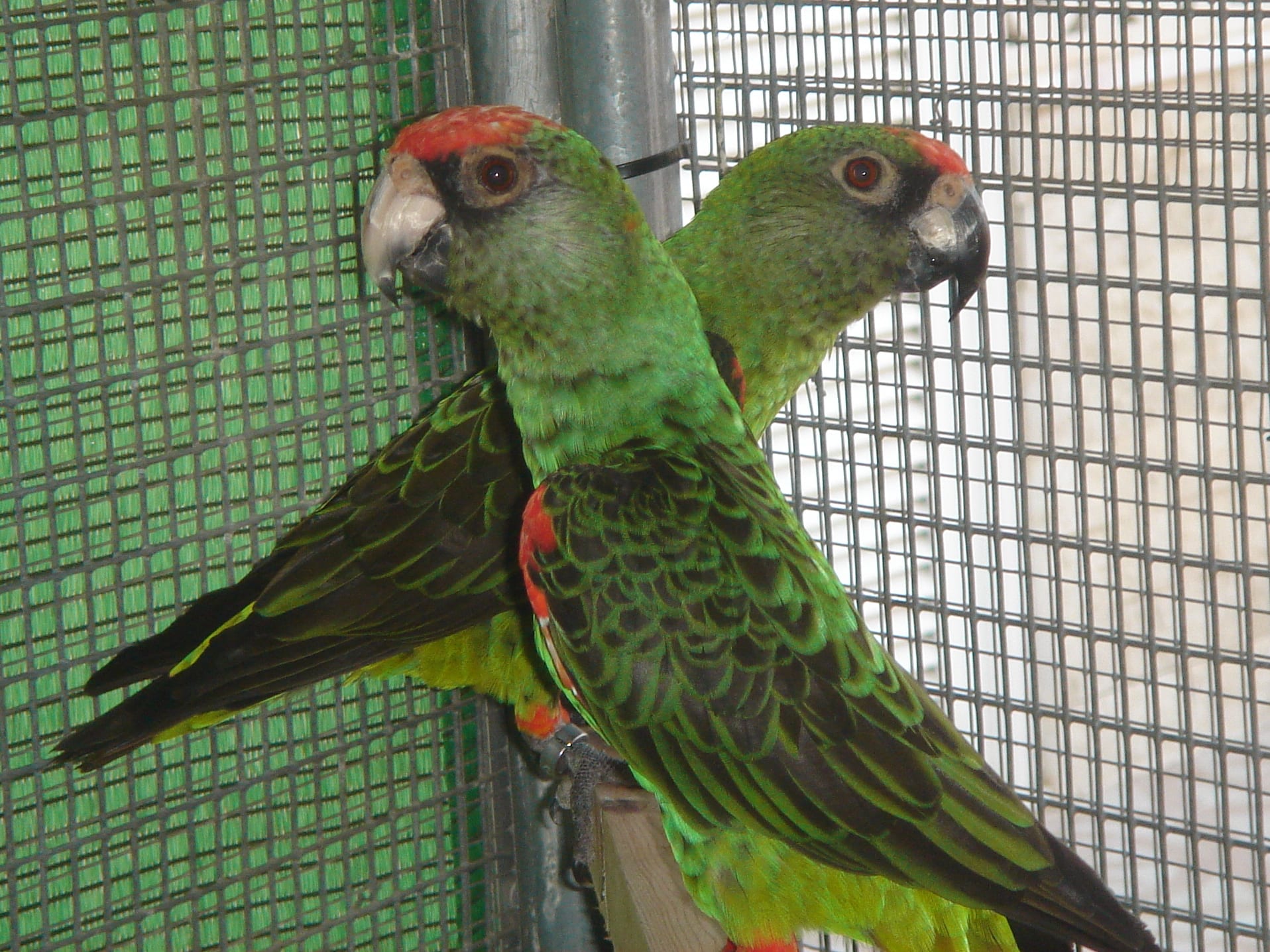
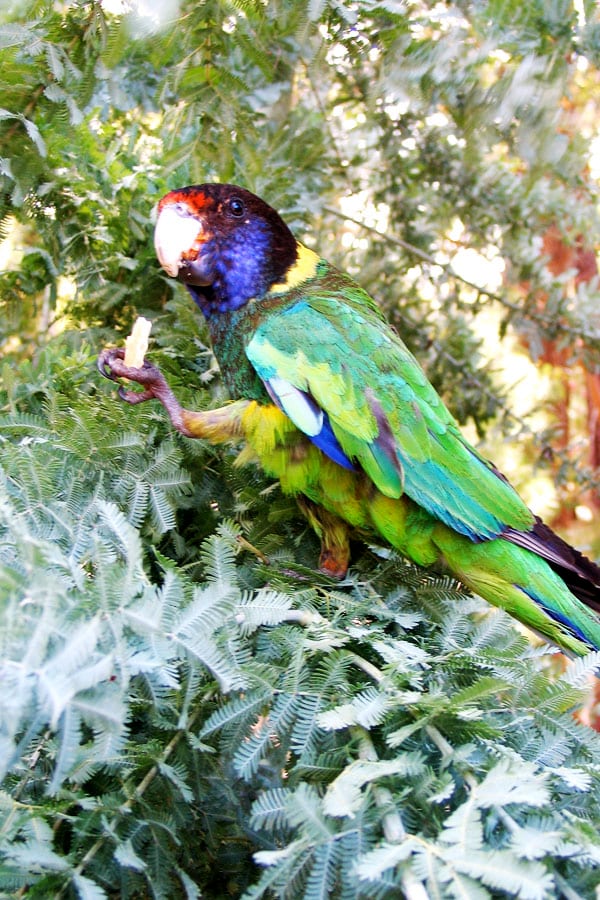
A medium parrot 33-42 cm long with a yellow collar across the nape. Four subspecies are recognised, and the black-headed Port Lincoln and green Mallee forms look very different. It chews hard and needs a robust aviary.
Difficulty
Intermediate
Temperature
15〜30℃
Lifespan
About 18 years
Size
33-42cm (123-143g in zonarius, 142-206g in semitorquatus)
Humidity
40〜60%
Diet
Mixed seed, greens, fruit and vegetables, pellets, and unsprayed buds and blossom
About
The Australian ringneck (Barnardius zonarius) is a medium-sized parrot native to Australia. Four subspecies are currently recognised, each with a distinct range: barnardi, for example, is turquoise-green with an irregular orange-yellow band across the abdomen, a deep blackish-blue back and mantle and a prominent red frontal band. All share the yellow collar across the nape that gives the bird its English name. It is an avid chewer, so captive birds need plenty of unsprayed fir, willow, elder and pine branches, wood blocks and vegetable-tanned leather toys. A walk-in flight 4.5 m long is recommended, with a vertical box or log 61-71 cm high and 20 x 20 cm in section. Clutches are of four to six eggs with fledging at five weeks. The population is described as abundant and increasing, and the IUCN lists it as Least Concern.
Source: Wikipedia (CC BY-SA 4.0)
Lifespan of the Australian Ringneck
The Australian Ringneck lives About 18 years.
Size of the Australian Ringneck
The Australian Ringneck grows to 33-42cm (123-143g in zonarius, 142-206g in semitorquatus).
Reported lengths range from 33 to 42 cm, and weights run 123-143 g in the subspecies zonarius and 142-206 g in semitorquatus.
Basic Info
Origin
Australia, with each subspecies holding a distinct range across much of the continent
Lifespan
About 18 years
Size
33-42cm (123-143g in zonarius, 142-206g in semitorquatus)
Care Specifications
Semi-aggressivePair
Sources: World Parrot Trust Parrot Encyclopedia / Wikipedia - Australian ringneck
References & Sources
Edited & verified by: BreederDirect editorial team
The taxonomic, regulatory, and husbandry data on this page are compiled and verified against the authoritative primary sources below.
Taxonomy & Authority
Accepted name: Barnardius zonarius (Shaw, 1805)
Synonyms: Psittacus zonarius, Barnardius barnardi
Authority databases: GBIF
Nomenclature follows global taxonomic authority databases.
Regulations & Conservation Status
CITES Appendix IIIUCN LC · Least Concern
Barnardius zonarius. The order Psittaciformes is listed in CITES Appendix II except for species placed in Appendix I, so this species is Appendix II and international trade requires an export permit.
Sources: CITES Appendices (Appendix II) / IUCN Red List
Regulations may change. Always verify the latest information with the relevant authorities.
Australian Ringneck Listings
Loading latest listingsFind listings for this species