Source: Wikimedia Commons
Western Rosella
IntermediatePlatycercus icterotis
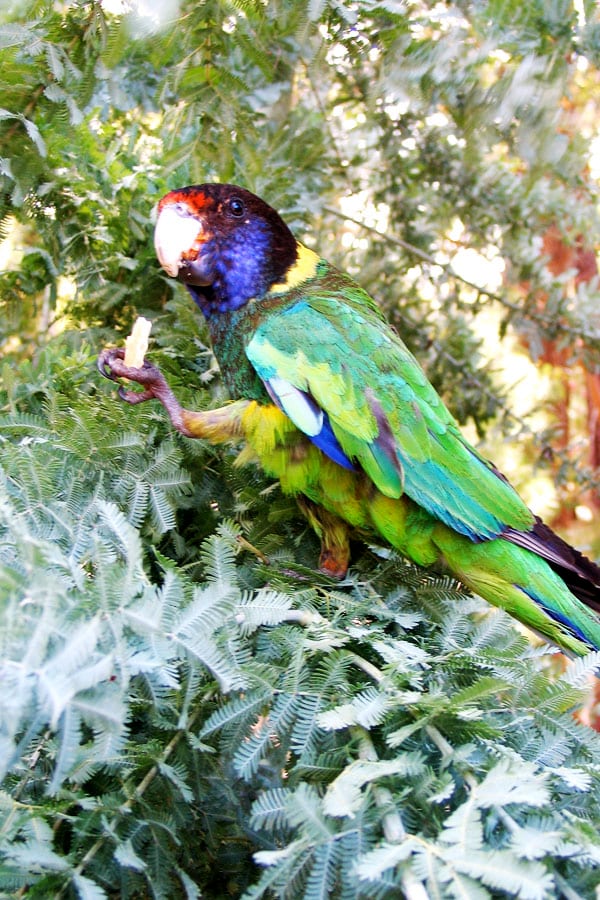
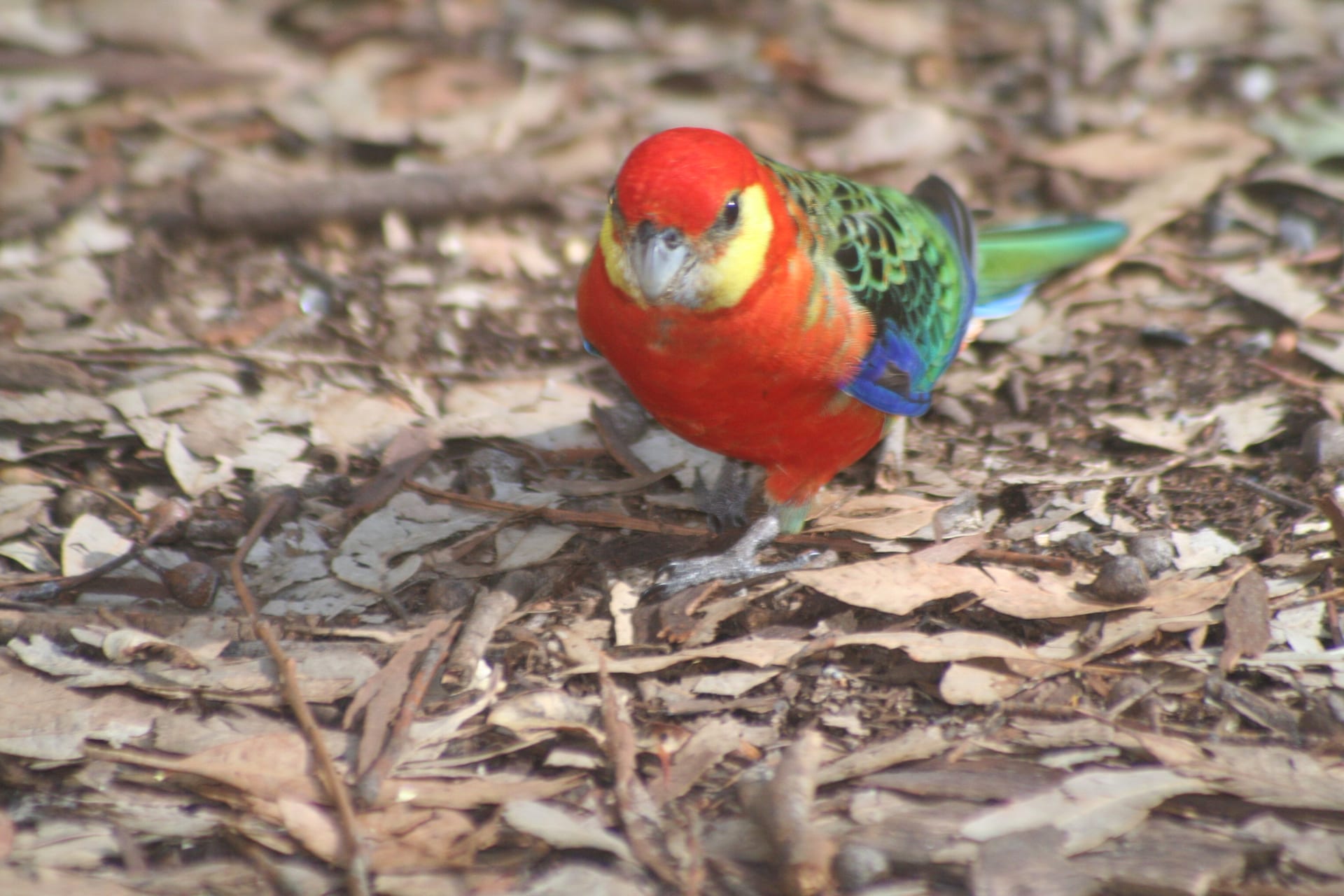
The smallest rosella at 26 cm, with a red head and yellow cheek patches.
Difficulty
Intermediate
Temperature
15〜30℃
Lifespan
25-40 years
Size
26cm (45-80g)
Humidity
40〜60%
Diet
Mixed seed, seeding grasses, greens, fruit and vegetables, and pellets
About
The western rosella (Platycercus icterotis), or moyadong, is endemic to southwestern Australia and is among the smallest rosellas. A red head and yellow cheek patches mark the bird; the sexes differ, with females duller overall, and juveniles lack the striking adult colours so the characteristic patterning is harder to make out. The nominate icterotis and the other subspecies meet in the drier country between Albany and Geraldton, where their ranges form a zone of hybridisation. It uses open and partly cleared eucalypt woodland and forest, riverine forest, farmland, orchards, towns, clearings, roadsides, gardens, cultivated areas, pastures, wooded savanna and shrubland. Its calls are soft and melodious and much quieter than those of other rosellas. In captivity a walk-in flight 3 m long is recommended, and the species is long-lived at 25-40 years. Clutches run to five to eight eggs.
Source: Wikipedia (CC BY-SA 4.0)
Lifespan of the Western Rosella
The Western Rosella lives 25-40 years.
Size of the Western Rosella
The Western Rosella grows to 26cm (45-80g).
It is 26 cm long and weighs 45-80 g.
Basic Info
Origin
Southwestern Australia
Lifespan
25-40 years
Size
26cm (45-80g)
Temperature
Care Specifications
PeacefulPair
Sources: World Parrot Trust Parrot Encyclopedia / Wikipedia - Western rosella
References & Sources
Edited & verified by: BreederDirect editorial team
The taxonomic, regulatory, and husbandry data on this page are compiled and verified against the authoritative primary sources below.
Taxonomy & Authority
Accepted name: Platycercus icterotis (Temminck & Kuhl, 1820)
Synonyms: Psittacus icterotis
Authority databases: GBIF
Nomenclature follows global taxonomic authority databases.
Regulations & Conservation Status
CITES Appendix IIIUCN LC · Least Concern
Platycercus icterotis. The order Psittaciformes is listed in CITES Appendix II except for species placed in Appendix I, so this species is Appendix II and international trade requires an export permit.
Sources: CITES Appendices (Appendix II) / IUCN Red List
Regulations may change. Always verify the latest information with the relevant authorities.
Western Rosella Listings
Loading latest listingsFind listings for this species