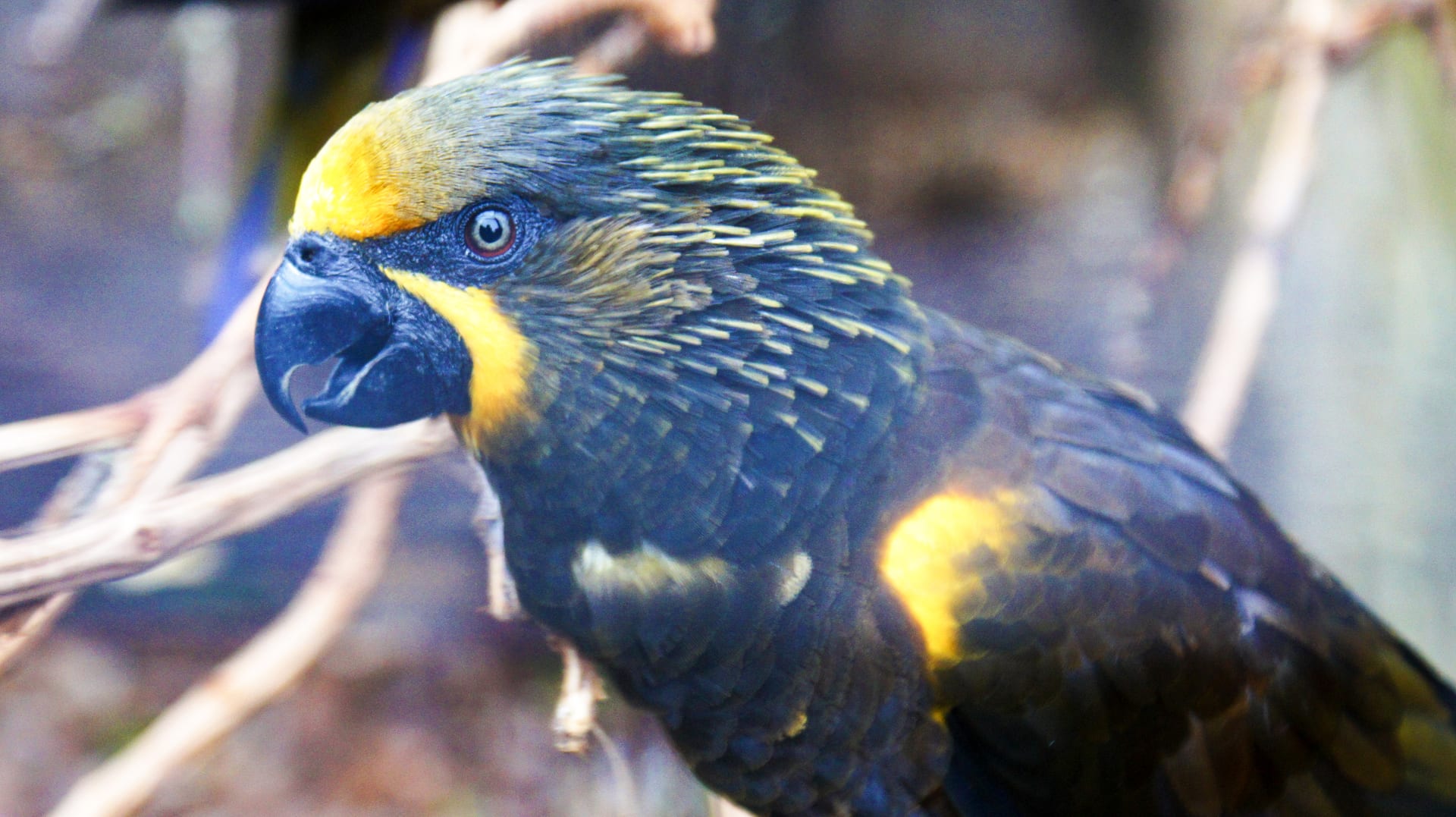
 © domdomegg / CC BY 4.0
Brown Lory
The Brown Lory is a lorikeet native to northern New Guinea, its deep olive-brown plumage set off by golden-yellow patches on the forehead, cheeks, wing bend, thighs, and underwing coverts, with a black bill and legs and a pale tail. As a nectar, pollen, and fruit feeder, it needs a specialized diet rather than a typical seed mix, and its loud voice and high energy make it a lively, attention-grabbing companion. Many individuals bond closely with their keepers, but the specialized feeding routine and daily cleanup mean this species suits experienced bird keepers rather than beginners.
View Brown Lory encyclopedia →0% commission on your first sales!Register by September 30, 2026 and your first 2 sales are commission-free!
Breeder Wanted!
List on BreederDirect and sell directly to customers nationwide!
BreederDirect's 6 Transparency Commitments
All Birds listings include complete Breeder transparency: hand-raised status, DNA sex determination, and health certification details.
- Hand-Raised
- DNA Sex-Determined
- Health Certified
- Origin Disclosed
- Color Variation Specified
- Age in Months Disclosed
Browse all 286 breeds
Care Level
Verified breeders wanted for Birds
Breeders are signing up now ahead of launch. Subscribe to be notified when new listings go live.
Getting alerts is free with a member account. When new listings match your saved search, we'll notify you by email and in-app.
Browse other categories
Verified breeders (preview)
Brown Lory key facts
- Care level
- Advanced
- Lifespan
- Little data
- Size
- About 31 cm
- Diet
- Lory nectar or powder, fruit, pollen and fresh budding branches
- Temperament
- Lively and active; wary at first, it becomes confident with people once settled.
- Cage
- Its droppings are very liquid and it needs space, so an outdoor aviary with a heated shelter is recommended, with bathing water always available.
- Vocalization
- A very loud parrot, so noise control is essential in residential areas.
- Feeding
- Feed a wet mix of fruit, pollen, cereal flakes and yogurt or a commercial lory diet, plus fresh branches with buds and leaves.
- Notes
- Nectar food spoils quickly, so remove leftovers daily; it cannot be kept on a seed diet.
About Brown Lory
The Brown Lory is a striking nectar-feeding lorikeet from New Guinea, known for its olive-and-gold plumage and lively, loud-voiced nature. Its specialized diet makes it best suited to experienced keepers.
7 things to know before welcoming a Brown Lory
1Diet Needs a Specialized Nectar Food
Brown Lories feed primarily on nectar, pollen, and fruit in the wild, so a standard seed mix alone won't meet their nutritional needs. Owners should provide a specialized liquid nectar food and fresh fruit daily, and wash feeding dishes frequently to prevent spoilage.
2Best Suited to Experienced Keepers
Because of their specialized diet and high-energy temperament, Brown Lories are considered a species for experienced bird keepers. They suit owners who already have parrot-keeping experience and can commit real time to daily care.
3Loud and Highly Active
This species is loud-voiced and extremely active, so its calls can be noticeable in close living quarters. Plenty of flight space and enrichment toys help keep an energetic bird like this from getting bored.
4Strikingly Colorful Plumage
Against a deep olive-brown body, golden-yellow patches mark the forehead, cheeks, wing bend, thighs, and underwing, set off by a black bill, black legs, and a pale tail. It's a distinctive color pattern even among lorikeets.
5Watery Droppings Require Cleanup
Because their diet is largely liquid, Brown Lories tend to produce watery droppings. Regular cage cleaning and thoughtful placement of substrate help keep maintenance manageable.
6Little Data on Lifespan
Reliable data on captive lifespan for this species is still limited. Prospective owners should think carefully about their ability to provide long-term, responsible care before committing.
7Listed Under CITES Appendix II
The Brown Lory is listed under CITES Appendix II. It's worth knowing this international conservation framework applies to the species before you decide to bring one home.
Frequently asked questions about Brown Lory
- Q.Is the Brown Lory suitable for beginners?
- A.The Brown Lory is considered a species for experienced keepers due to its specialized liquid diet and energetic temperament. It suits owners who already have experience keeping parrots.
- Q.What should I feed a Brown Lory?
- A.In the wild, this species feeds mainly on nectar, pollen, and fruit, so captive diets should center on a specialized nectar food along with fresh fruit. A standard seed mix alone isn't sufficient nutrition.
- Q.Are Brown Lories noisy?
- A.Yes, Brown Lories are known for being loud-voiced and highly active. Depending on your living situation, their calls may need to be taken into consideration.
- Q.How big do Brown Lories get?
- A.Adults reach roughly 31 cm in total length. It's worth confirming you have adequate cage and living space before bringing one home.
- Q.How long do Brown Lories live?
- A.Reliable lifespan data for this species in captivity is still limited. Prospective owners should consider the commitment of long-term, responsible care.
Useful tools for Brown Lory care
Learn more about Brown Lory in the encyclopedia
View Brown Lory encyclopedia entry →
Care difficulty, lifespan, size and diet — all basics covered.
More in this category
Can't find the one you're looking for?
Post your wishes for free and breeders with matching animals will contact you with introductions.