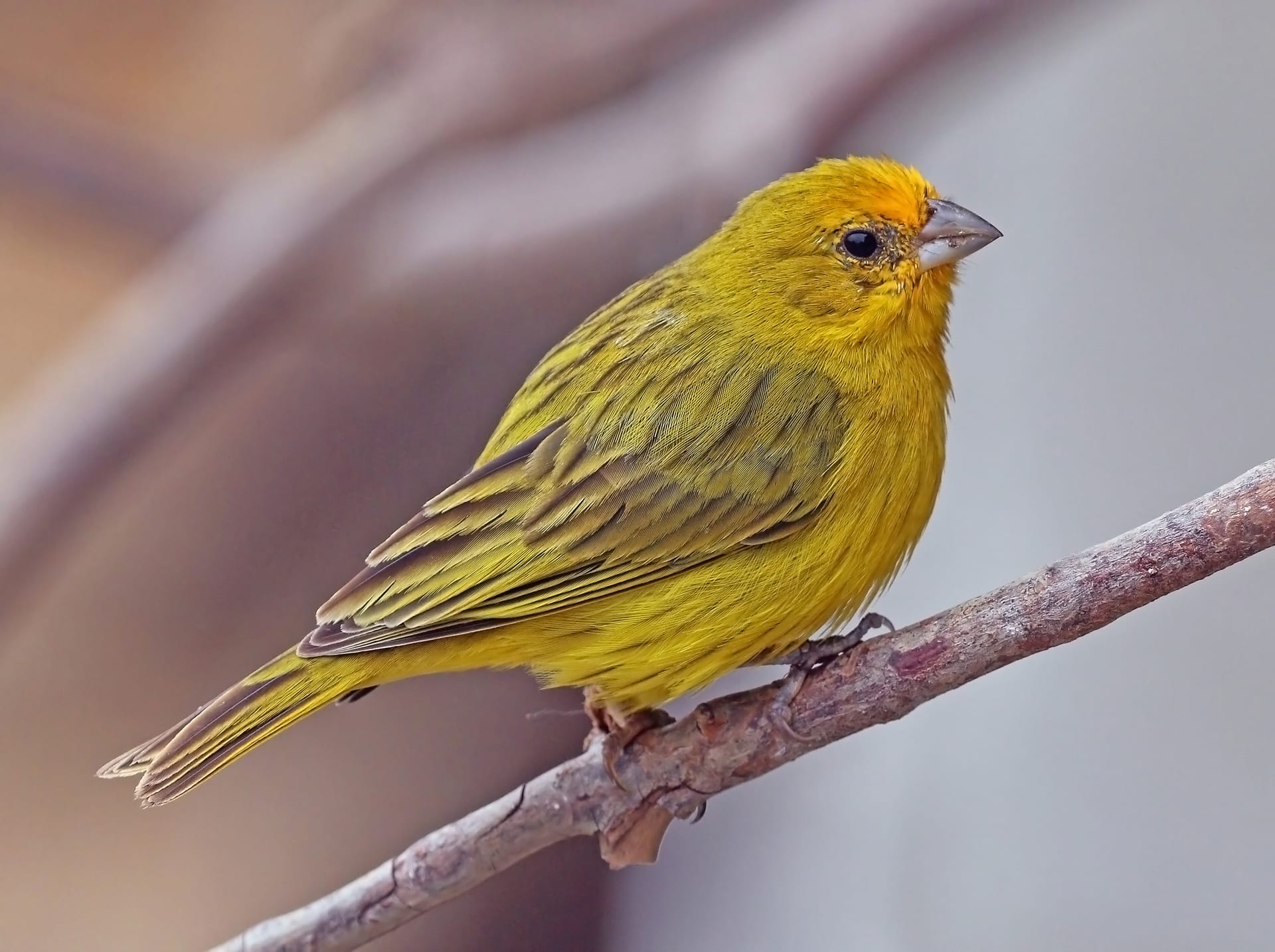
 © Charles J. Sharp / CC BY-SA 4.0
Saffron Finch
The Saffron Finch is a small South American songbird of the tanager family, prized for the male's brilliant yellow plumage with an orange wash from the forehead to the crown. Despite sometimes being called a canary, it isn't closely related to canaries, and in the wild it's remarkably at home around people, even nesting under the eaves of houses. Considered a beginner-friendly species, the Saffron Finch rewards owners with lively behavior and striking color that make it easy to enjoy watching from day to day. It's a great choice for anyone bringing home a small bird for the first time.
View Saffron Finch encyclopedia →0% commission on your first sales!Register by September 30, 2026 and your first 2 sales are commission-free!
Breeder Wanted!
List on BreederDirect and sell directly to customers nationwide!
Six Transparency Commitments from BreederDirect
All Birds listings include complete Breeder transparency: hand-raised status, DNA sex determination, and health certification details.
- Hand-Raised
- DNA Sex-Determined
- Health Certified
- Origin Disclosed
- Color Variation Specified
- Age in Months Disclosed
Browse all 286 breeds
Care Level
Verified breeders wanted for Birds
Breeders are signing up now ahead of launch. Subscribe to be notified when new listings go live.
Getting alerts is free with a member account. When new listings match your saved search, we'll notify you by email and in-app.
Browse other categories
Verified breeders (preview)
Saffron Finch key facts
- Care level
- Beginner-friendly
- Lifespan
- Little data
- Size
- Little data
- Diet
- Small-bird seed mix, greens, and small livefood or egg food when breeding
- Temperament
- Bold enough to live near people, but breeding males are territorial and fight if kept together.
- Cage
- It nests in cavities and roof gaps, so provide a nest box for breeding, with one male to one or two females.
- Vocalization
- It repeats a pleasant but monotonous song at moderate volume, so it is relatively easy to keep in a flat.
- Feeding
- It picks seeds from the ground; feed a seed mix and greens, adding livefood or egg food when breeding.
- Notes
- Females vary by subspecies, and southern females are streaky brown and look like a different species, so take care when sexing birds.
About Saffron Finch
The Saffron Finch is a South American songbird known for its vivid yellow and orange plumage. Beginner-friendly and full of character — here's what to know before bringing one home.
7 things to know before welcoming a Saffron Finch
1Vivid Yellow Plumage
Male Saffron Finches are covered in brilliant golden-yellow feathers, with a warm orange blush across the forehead and crown. This striking coloring is the bird's signature feature and makes it a real standout to watch.
2Not Actually a Canary
Despite sometimes being nicknamed a canary, the Saffron Finch actually belongs to a completely different family, the Thraupidae. The resemblance in color leads to confusion, so it's worth knowing they aren't closely related.
3Comfortable Living Near People
In the wild, Saffron Finches sometimes build nests right under the eaves of houses, showing how comfortable they are living close to people. This tendency suggests they can also settle in well around their keepers in captivity.
4Beginner-Friendly Care Level
Saffron Finches are generally considered beginner-friendly, making them approachable even for first-time bird keepers. That said, even an easy species still needs daily observation and a well-maintained cage environment.
5Active, Energetic Nature
Saffron Finches are lively and active, so give them a cage with enough room to move and several perches at different heights. Watching their daily activity level helps you make sure they're getting enough exercise.
6Basic Diet Needs
A basic seed mix formulated for small finches forms the core of the diet, supplemented with fresh greens for balance. It's worth adjusting the menu with the season and the bird's condition, and keeping an eye on how well it's eating day to day.
7Preparing Before Arrival
Before bringing a Saffron Finch home, set up the cage, perches, and feeding dishes in advance so the environment is ready. Give the bird a quiet settling-in period after arrival, since adjusting to a new space can take some time.
Frequently asked questions about Saffron Finch
- Q.Can beginners keep a Saffron Finch?
- A.Yes, the Saffron Finch is generally considered a beginner-friendly species. Even so, daily observation and proper cage maintenance are still needed, so it helps to review the basics of care before bringing one home.
- Q.Is it related to canaries?
- A.No — despite sometimes being called a canary because of its similar yellow coloring, the Saffron Finch actually belongs to a different family, the Thraupidae. Taxonomically, the two are not closely related.
- Q.Can it be housed with other birds?
- A.It depends on the individual bird's temperament, so there's no single answer. If you're considering housing it with others, introduce them gradually while watching how they get along, and make sure the cage has plenty of space.
- Q.How big does it grow?
- A.Reliable data on adult size is currently limited, so we can't provide precise figures at this time. When considering bringing one home, it's a good idea to check listing details or ask the breeder directly.
- Q.What is its lifespan?
- A.As with size, there isn't much reliable data available on lifespan, so we can't give a definitive figure. Keeping a close eye on your bird's day-to-day health is the best way to help it thrive long-term.
Useful tools for Saffron Finch care
Learn more about Saffron Finch in the encyclopedia
View Saffron Finch encyclopedia entry →
Care difficulty, lifespan, size and diet — all basics covered.
More in this category
Can't find the one you're looking for?
Post your wishes for free and breeders with matching animals will contact you with introductions.