 © Anil Öztas / CC BY-SA 4.0
Domestic Turkey
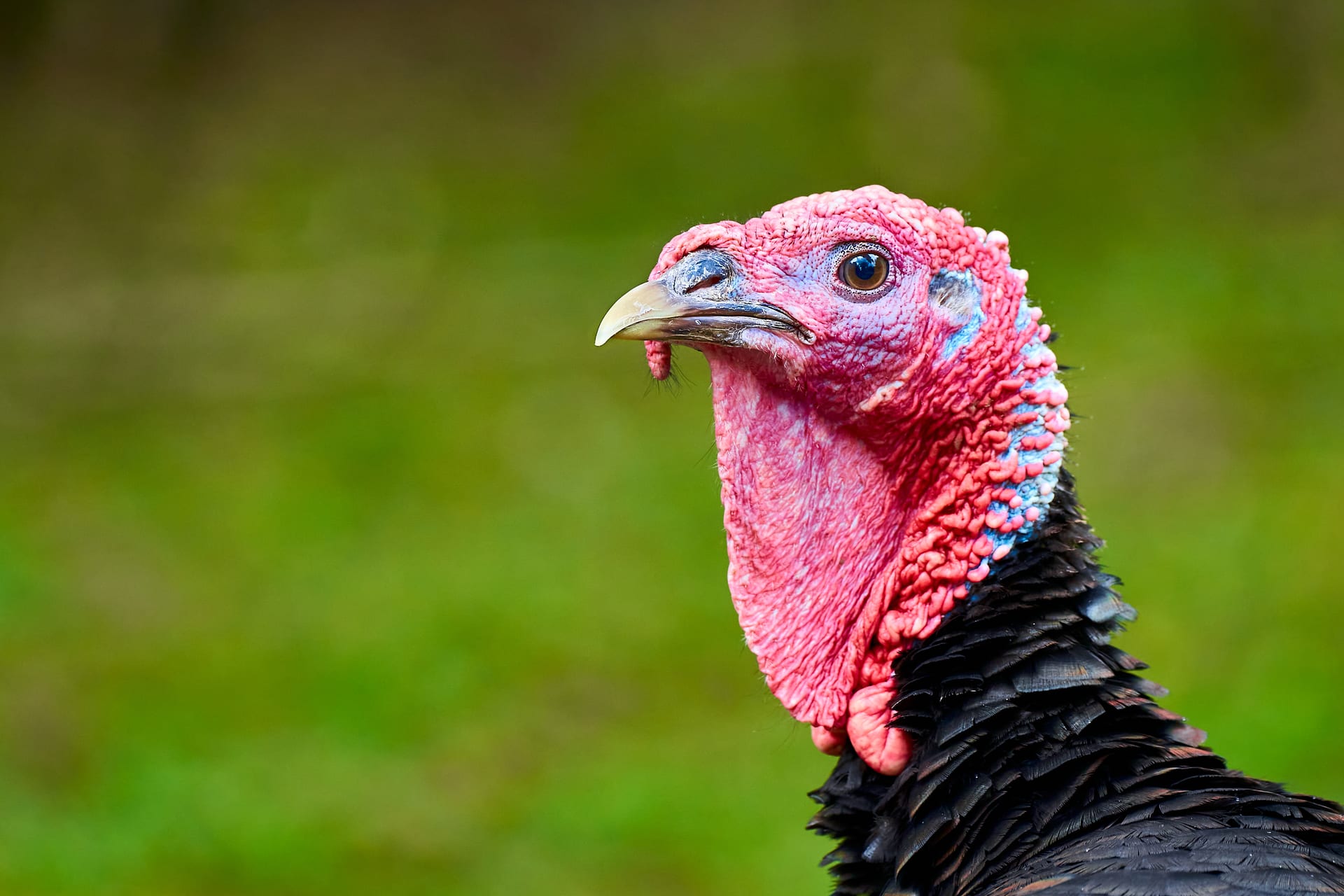
The domestic turkey is a large fowl best known for the bare, featherless skin on its head and neck, which flushes red, blue, or purple when the bird gets excited. Descended from wild turkeys native to central Mexico, males famously fan out their tail feathers in a dramatic display during the breeding season. Turkeys are curious and can become quite friendly with their keepers, but their size means they need plenty of room to roam comfortably. Because of the space and care they require, they're generally considered a better fit for keepers with some prior poultry experience rather than absolute beginners. With their striking looks and confident presence, turkeys make an eye-catching addition to a spacious yard.
View Domestic Turkey encyclopedia →0% commission on your first sales!Register by September 30, 2026 and your first 2 sales are commission-free!
Breeder Wanted!
List on BreederDirect and sell directly to customers nationwide!
BreederDirect's 6 Transparency Commitments
All Birds listings include complete Breeder transparency: hand-raised status, DNA sex determination, and health certification details.
- Hand-Raised
- DNA Sex-Determined
- Health Certified
- Origin Disclosed
- Color Variation Specified
- Age in Months Disclosed
Browse all 286 breeds
Care Level
Verified breeders wanted for Birds
Breeders are signing up now ahead of launch. Subscribe to be notified when new listings go live.
Getting alerts is free with a member account. When new listings match your saved search, we'll notify you by email and in-app.
Browse other categories
Verified breeders (preview)
Domestic Turkey key facts
- Care level
- Intermediate
- Lifespan
- Little data
- Size
- Wild males 122 cm
- Diet
- Turkey or poultry rations for each growth stage, greens and grain
- Housing
- Being large, it needs a big run and a weatherproof house with roosts; young birds fly short distances, so mind the fence height.
- Temperament
- Breeding males display and can become aggressive; one male with several females mirrors the natural group.
- Vocalization
- Males gobble and their alarm calls are very loud, so neighbours need consideration.
- Health & notes
- Heavy meat lines are prone to leg and joint problems, so watch for excessive weight. Under the Act on Domestic Animal Infectious Diseases Control, turkeys are livestock subject to hygiene management standards, and anyone keeping even one bird must report the number kept to the prefecture (livestock hygiene service centre) by 15 June every year. Keepers of fewer than 100 birds file a simplified report, and those shipping no birds or eggs need no attachments.
- Feeding
- Feed rations suited to each growth stage with greens; poults need a high-protein feed.
About Domestic Turkey
A large domestic fowl known for head and neck skin that flushes red, blue, and purple when excited, with males fanning their tails in a dramatic display — a breed suited to keepers with some poultry experience.
7 things to know before welcoming a Domestic Turkey
1Room to Roam
Wild turkeys can reach around 122 cm in length, making this one of the larger domestic fowl breeds. A cramped cage won't do — plan for an outdoor run with plenty of space plus a shelter that protects them from wind and rain.
2Vocal Neighbors
Males announce themselves with a distinctive gobbling call, especially when excited, and it carries. If you live in a densely populated area, it's worth considering how the sound might affect neighbors before bringing one home.
3Curious & Social
Turkeys are inquisitive and can become quite attached to their keepers, though males can get keyed up during the breeding season, fanning their tails to assert themselves. They're a flock animal by nature, so keeping more than one tends to suit them better than raising a single bird alone.
4Keep Chickens Separate
Housing turkeys together with chickens is thought to raise the risk of parasites that chickens commonly carry. Where possible, it's best to keep their living areas separate and maintain good hygiene.
5Balanced Feeding
A poultry feed suited to their growth stage, along with fresh water, forms the basis of their diet. If they have outdoor access, they'll naturally forage on grass and insects too, so adjust feeding amounts accordingly.
6Mood in Color
The bare skin on the head and neck is this breed's signature trait, flushing red, blue, or purple when the bird is excited. Watching for these color changes can be a useful way to read a turkey's mood day to day.
7Not for Beginners
Turkeys are large-bodied and demand real space and daily care, which is why they're generally considered suited to keepers with some poultry-raising experience. Before bringing one home, think carefully about whether you can commit the long-term space and time they need.
Frequently asked questions about Domestic Turkey
- Q.Can beginners keep a domestic turkey?
- A.Domestic turkeys are generally considered a breed for intermediate keepers, since they need adequate space and some day-to-day care experience. If you're new to poultry, getting used to smaller fowl like chickens first can be a good way to build up to keeping a turkey.
- Q.How long do domestic turkeys live?
- A.There isn't much reliable reference data on turkey lifespan available in Japan at this time. Before deciding to keep one, it's a good idea to ask the breeder directly about the bird's health and their own track record raising them.
- Q.How big do domestic turkeys get?
- A.Wild turkeys grow to around 122 cm in length for males, making this a genuinely large fowl. Keep this size in mind and make sure you can provide adequately spacious housing before bringing one home.
- Q.Are there legal requirements for keeping turkeys?
- A.Domestic turkeys are not subject to CITES. However, under Japan's Act on Domestic Animal Infectious Diseases Control, turkeys are livestock covered by the hygiene management standards, and anyone keeping even a single bird must file an annual report of the number of birds kept with their prefecture (via the local Livestock Hygiene Service Center) by June 15 each year. With fewer than 100 birds the report is simplified, and no supporting documents are needed if you don't ship eggs or birds.
- Q.Why do male turkeys fan out their tails?
- A.Male turkeys have a natural habit of fanning their tail feathers into a wide, dramatic display to show themselves off. This behavior is tied to courtship and asserting territory, and it's often accompanied by the head and neck skin changing color as the bird gets excited.
Useful tools for Domestic Turkey care
Learn more about Domestic Turkey in the encyclopedia
View Domestic Turkey encyclopedia entry →
Care difficulty, lifespan, size and diet — all basics covered.
More in this category
Can't find the one you're looking for?
Post your wishes for free and breeders with matching animals will contact you with introductions.