 © MZPlus / CC BY 2.0
Silver Pheasant
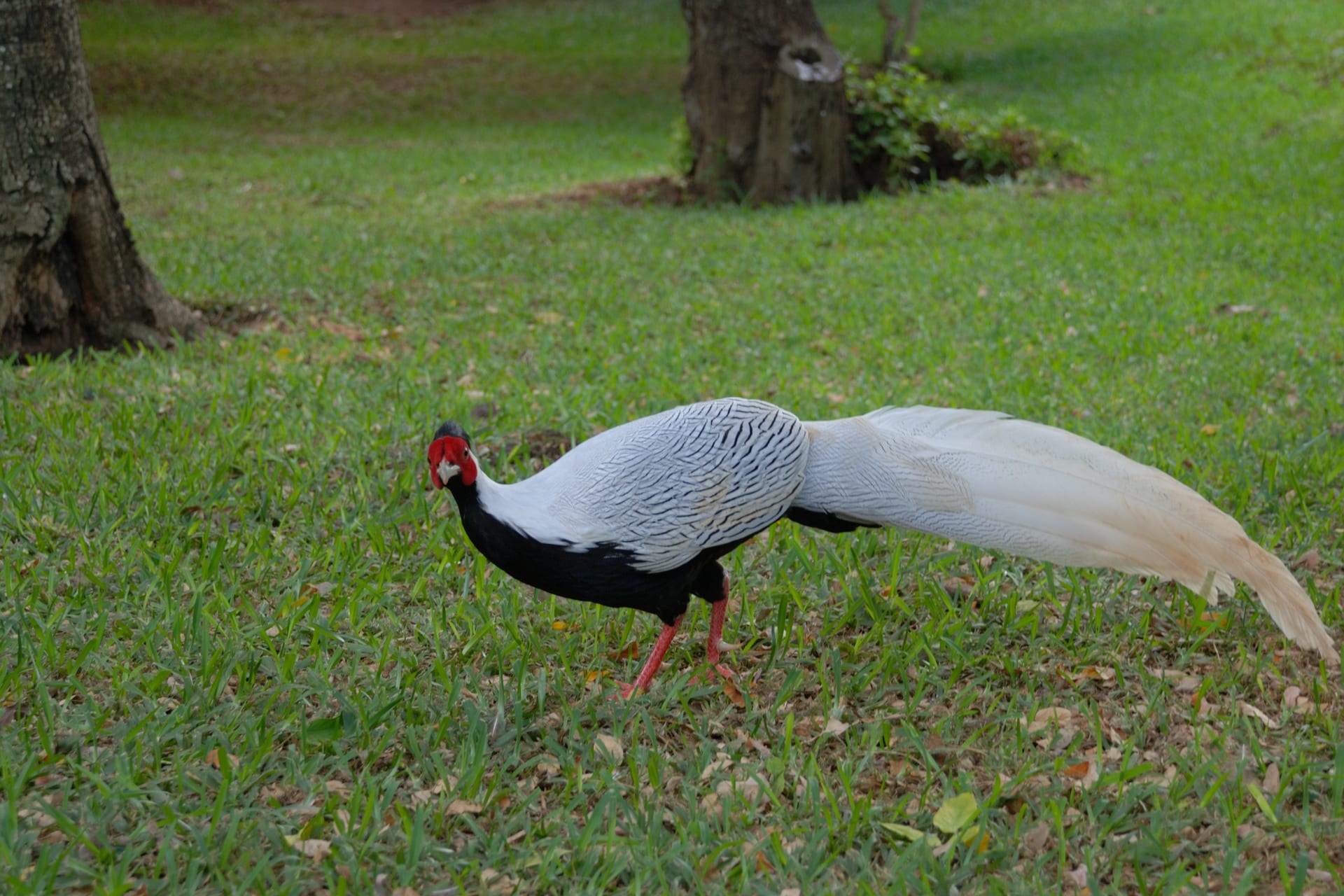
The Silver Pheasant is a striking large pheasant native to the mountain forests of southern China and Southeast Asia. Males display bold black-and-white plumage with a glossy white back, black underparts, and a vivid red face and legs, while females have a much plainer brown coloring, giving the species a dramatic contrast between the sexes. With its stately posture and eye-catching appearance, it has long been kept as an ornamental bird. Because keeping this pheasant well calls for some prior experience, it's generally considered suitable for intermediate keepers who can provide adequate space and consistent daily care to let its elegant presence shine.
View Silver Pheasant encyclopedia →Breeder Wanted!
List on BreederDirect and sell directly to customers nationwide!
BreederDirect's 6 Transparency Commitments
All Birds listings include complete Breeder transparency: hand-raised status, DNA sex determination, and health certification details.
- Hand-Raised
- DNA Sex-Determined
- Health Certified
- Origin Disclosed
- Color Variation Specified
- Age in Months Disclosed
Browse all 286 breeds
Care Level
Verified breeders wanted for Birds
Breeders are signing up now ahead of launch. Subscribe to be notified when new listings go live.
Getting alerts is free with a member account. When new listings match your saved search, we'll notify you by email and in-app.
Browse other categories
Verified breeders (preview)

Silver Pheasant key facts
- Care level
- Intermediate
- Lifespan
- Little data
- Size
- Male 90-130 cm, female 50-70 cm
- Diet
- Pheasant or poultry rations, grain, greens and insects
- Housing
- Males can exceed 1 m with the tail, so use a large, high aviary with plenty of floor space and cover, as it lives on the ground.
- Temperament
- A ground dweller that wanders pecking at seeds and shoots; cover to hide in helps it settle.
- Vocalization
- Breeding males give a metallic call, so consider neighbours in residential areas.
- Feeding
- In the wild it eats seeds, shoots and insects; feed rations and grain with greens and insects.
- Notes
- It hybridises readily with the kalij pheasant, which it is told from by its red legs, so avoid mixed keeping to keep lines pure. Ask the prefectural livestock hygiene service centre whether it counts as 'pheasant' under the livestock disease law.
About Silver Pheasant
The Silver Pheasant is a striking black-and-white pheasant from the mountain forests of Asia. Learn about its appearance, temperament, and care essentials for intermediate keepers.
7 things to know before welcoming a Silver Pheasant
1Needs Ample Space
Adult Silver Pheasants are large birds, with males reaching 90–130 cm and females 50–70 cm in length, so a spacious, tall enclosure is essential. Cramped conditions can lead to feather damage or stress, so plan for adequate space from the start.
2Sexes Look Very Different
Males have a striking white back with black underparts and a vivid red face and legs, while females are a much plainer brown. You can observe how the plumage changes as a bird matures.
3Best Suited to Experienced Keepers
The Silver Pheasant isn't considered a beginner bird—it's generally rated as suitable for intermediate keepers. Some prior experience with bird care helps you keep one with confidence.
4Understand Its Temperament
Like many large pheasants, individuals can be territorial, so observe your bird's behavior closely and avoid forcing handling. Birds may become more reactive during the breeding season, so adjust your approach accordingly.
5Limited Lifespan Data
Compared with many other ornamental birds, there's limited documented data on the Silver Pheasant's lifespan, making it hard to plan precisely for the years ahead. Plan for long-term care and check on your bird's condition regularly.
6Manage Temperature Carefully
As a species from mountain forest habitats, avoid extreme heat and overly dry conditions. Provide good airflow and shaded areas in the enclosure, adjusting for the season.
7Prepare the Enclosure First
Before bringing one home, prepare a spacious enclosure with perches, sheltered spots, and a clean water source. A properly set-up environment from day one helps reduce stress for the bird.
Frequently asked questions about Silver Pheasant
- Q.What kind of temperament does the Silver Pheasant have?
- A.Individual birds vary, but like many large pheasants they can be fairly calm while sometimes showing territorial behavior. Observe your bird's habits closely and avoid forcing handling.
- Q.Is the Silver Pheasant suitable for beginners?
- A.The Silver Pheasant is generally rated as suitable for intermediate keepers, so some basic experience with bird care is helpful. First-time keepers should research thoroughly before bringing one home.
- Q.How do males and females differ in appearance?
- A.Males have a striking white back with black underparts and a vivid red face and legs, while females are a much plainer brown. You can also observe how the plumage changes as a bird matures.
- Q.How large do adults grow?
- A.Adults reach roughly 90–130 cm for males and 50–70 cm for females, making this a large pheasant. Plan your enclosure size with this in mind.
- Q.What is the lifespan of a Silver Pheasant?
- A.Compared with many other ornamental birds, there's limited documented data on the Silver Pheasant's lifespan, so no clear figure is available. Plan for long-term care and monitor your bird's health regularly.
Useful tools for Silver Pheasant care
Learn more about Silver Pheasant in the encyclopedia
View Silver Pheasant encyclopedia entry →
Care difficulty, lifespan, size and diet — all basics covered.
More in this category
Can't find the one you're looking for?
Post your wishes for free and breeders with matching animals will contact you with introductions.