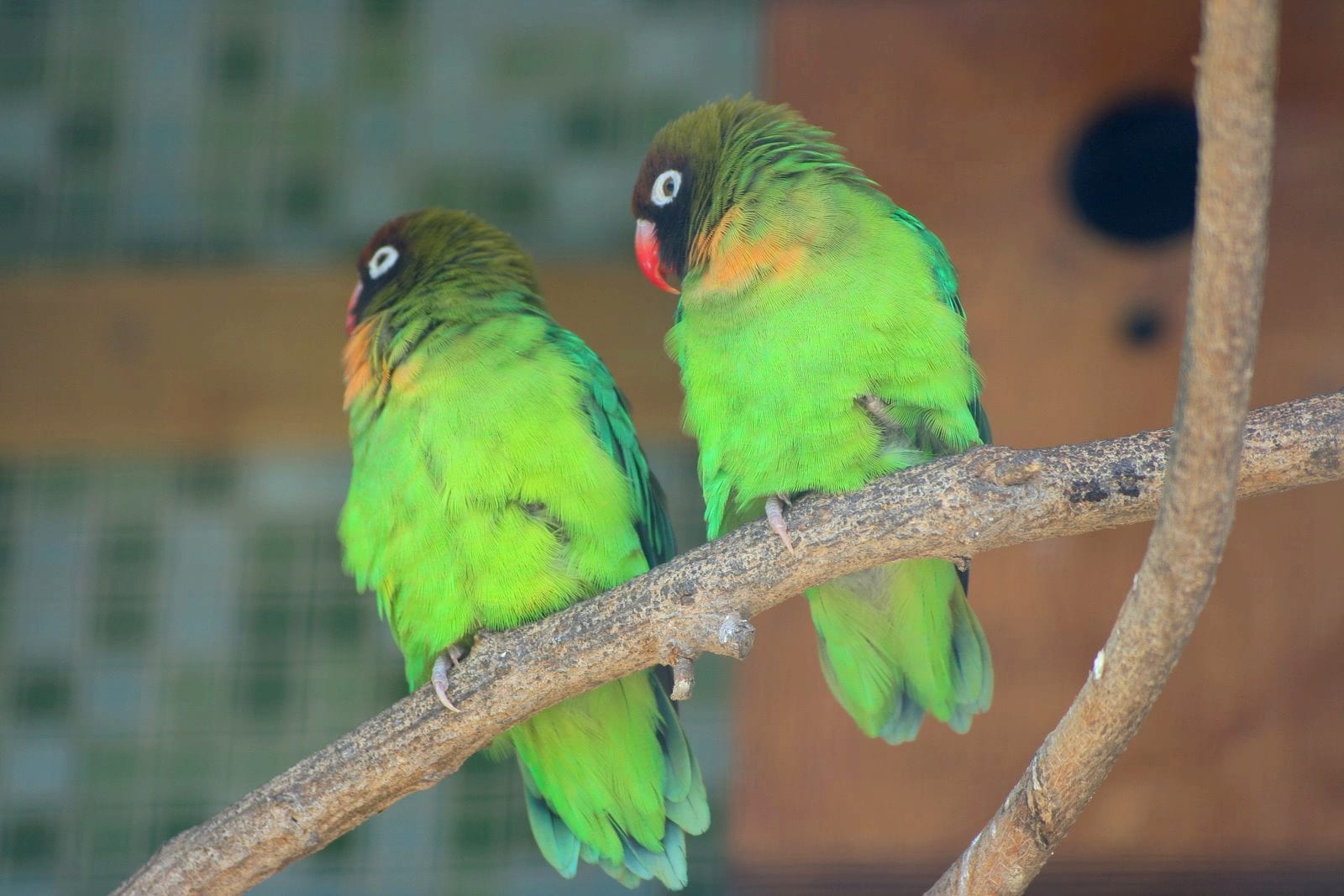
 © Gediminas / CC BY-SA 3.0
Black-cheeked Lovebird
The Black-cheeked Lovebird is a small, strikingly colored parrot with a green body, reddish-brown forehead, blackish-brown cheeks, and an orange band across the throat. In the wild it is found only in a very limited area of southwestern Zambia, making it a rare species, yet it breeds relatively readily in captivity, which draws interest from hobbyists who enjoy breeding projects. Curious and energetic by nature, it tends to form strong bonds with its owner or a companion bird, much like other lovebirds. Because it's considered suitable for intermediate keepers, prior parrot-keeping experience is recommended before bringing one home.
View Black-cheeked Lovebird encyclopedia →0% commission on your first sales!Register by September 30, 2026 and your first 2 sales are commission-free!
Breeder Wanted!
List on BreederDirect and sell directly to customers nationwide!
Six Transparency Commitments from BreederDirect
All Birds listings include complete Breeder transparency: hand-raised status, DNA sex determination, and health certification details.
- Hand-Raised
- DNA Sex-Determined
- Health Certified
- Origin Disclosed
- Color Variation Specified
- Age in Months Disclosed
Browse all 247 breeds
Care Level
Verified breeders wanted for Birds
Breeders are signing up now ahead of launch. Subscribe to be notified when new listings go live.
Getting alerts is free with a member account. When new listings match your saved search, we'll notify you by email and in-app.
Browse other categories
Verified breeders (preview)
Black-cheeked Lovebird key facts
- Care level
- Intermediate
- Lifespan
- About 20 years
- Size
- 13-14cm
- Diet
- Small seeds (canary seed, millet, oats), fruit, vegetables, pellets
- Cage
- The World Parrot Trust recommends a cage or aviary at least 1.2 m long. It enjoys bathing, so keep a bath dish available.
- Temperament
- Pair bonds are strong, so keeping a pair is the norm. It favours wooden toys, swings and ladders it can chew.
- Vocalization
- Shrill, high-pitched chattering in bursts. The voice is loud for the bird's size, so soundproofing matters in flats.
- Notes
- Listed as Vulnerable by the IUCN and still trapped in the wild. When acquiring one, confirm it is captive-bred and that CITES Appendix II import paperwork is in order.
About Black-cheeked Lovebird
A rare small lovebird native to southwestern Zambia, with a green body, reddish-brown forehead, and orange throat. Lives about 20 years; suited to intermediate keepers.
7 things to know before welcoming a Black-cheeked Lovebird
1Suited to Intermediate Keepers
The Black-cheeked Lovebird is considered suitable for intermediate keepers. Having a basic understanding of parrot care and lovebirds' characteristically assertive temperament will help you feel more prepared. First-time bird owners should research care requirements thoroughly beforehand.
2A Long Lifespan of About 20 Years
The Black-cheeked Lovebird has a lifespan of about 20 years, which is long for a small bird. Before bringing one home, it's important to consider whether you can commit to its care over the long term, including through changes in your own living situation and life stage.
3A Compact 13-14cm Frame
Adults reach about 13-14cm, a compact size that's relatively easy to house even in a moderately sized cage. That said, despite their small frame they are very active, so provide perches and toys to give them room to move and stay engaged each day.
4An Active, Curious Temperament
True to its lovebird lineage, it is curious and energetic, enjoying interaction with its owner or a companion bird. It can also show a more assertive, feisty side depending on its mood, so it helps to observe its daily behavior closely when interacting with it.
5Distinctive Coloring to Recognize
Its green body combined with a reddish-brown forehead, blackish-brown cheeks, and an orange throat band creates a distinctive look that's easy to tell apart from other lovebirds. This coloring can also serve as a useful reference point when checking on its condition day to day.
6Breeds Relatively Easily in Captivity
Although it's a rare species with a limited wild range, it's known to breed relatively easily in captivity. If you're considering breeding, be sure to research pair compatibility and proper cage setup in advance.
7Listed in CITES Appendix II
Black-cheeked Lovebird is listed in CITES Appendix II. International trade requires a permit from the exporting country, but as far as CITES is concerned, no registration is needed to buy or sell individuals already legally in Japan.
Frequently asked questions about Black-cheeked Lovebird
- Q.Can beginners keep a Black-cheeked Lovebird?
- A.It's considered suitable for intermediate keepers rather than complete beginners. It's a good fit for those already familiar with basic parrot care or who research thoroughly beforehand. First-timers may want to consult an experienced keeper while preparing.
- Q.How long does it live?
- A.Its lifespan is about 20 years, which is relatively long for a small bird. It's worth planning for long-term care from the start.
- Q.How big does it get?
- A.Adults grow to about 13-14cm, a small and compact size. Despite this, they are quite active, so a reasonably sized cage with room to move is recommended.
- Q.What is its temperament like?
- A.It's curious and energetic, and tends to enjoy interacting with its owner or a companion bird. Like other lovebirds, it can also show a more assertive side depending on its mood.
- Q.Is it difficult to breed?
- A.While its wild range is very limited, it's known to breed relatively easily in captivity. If you plan to try, gathering information on pair compatibility and cage setup beforehand will help things go smoothly.
Useful tools for Black-cheeked Lovebird care
Learn more about Black-cheeked Lovebird in the encyclopedia
View Black-cheeked Lovebird encyclopedia entry →
Care difficulty, lifespan, size and diet — all basics covered.
More in this category
Can't find the one you're looking for?
Post your wishes for free and breeders with matching animals will contact you with introductions.