Source: Wikimedia Commons
Black-cheeked Lovebird
IntermediateAgapornis nigrigenis
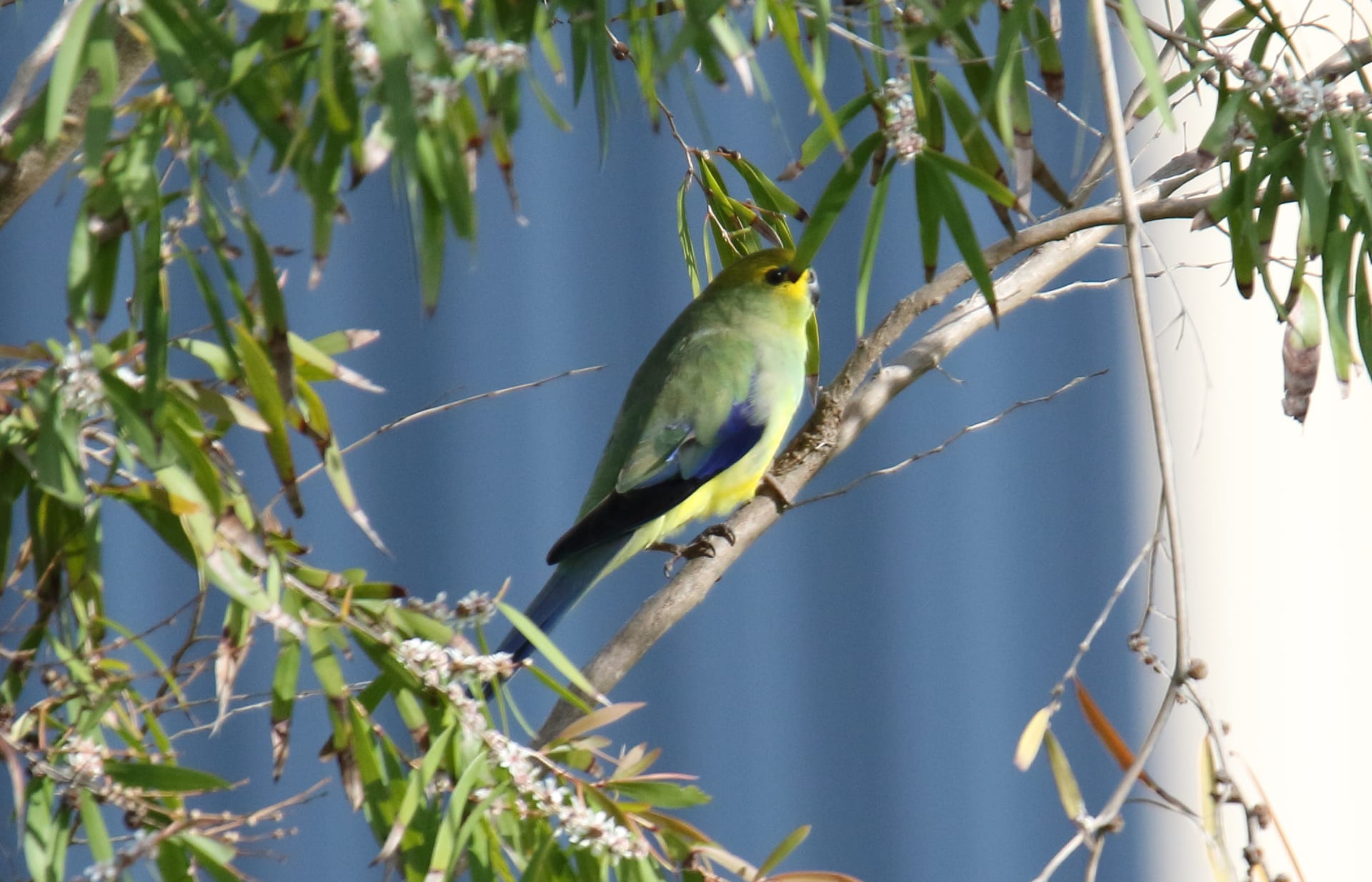
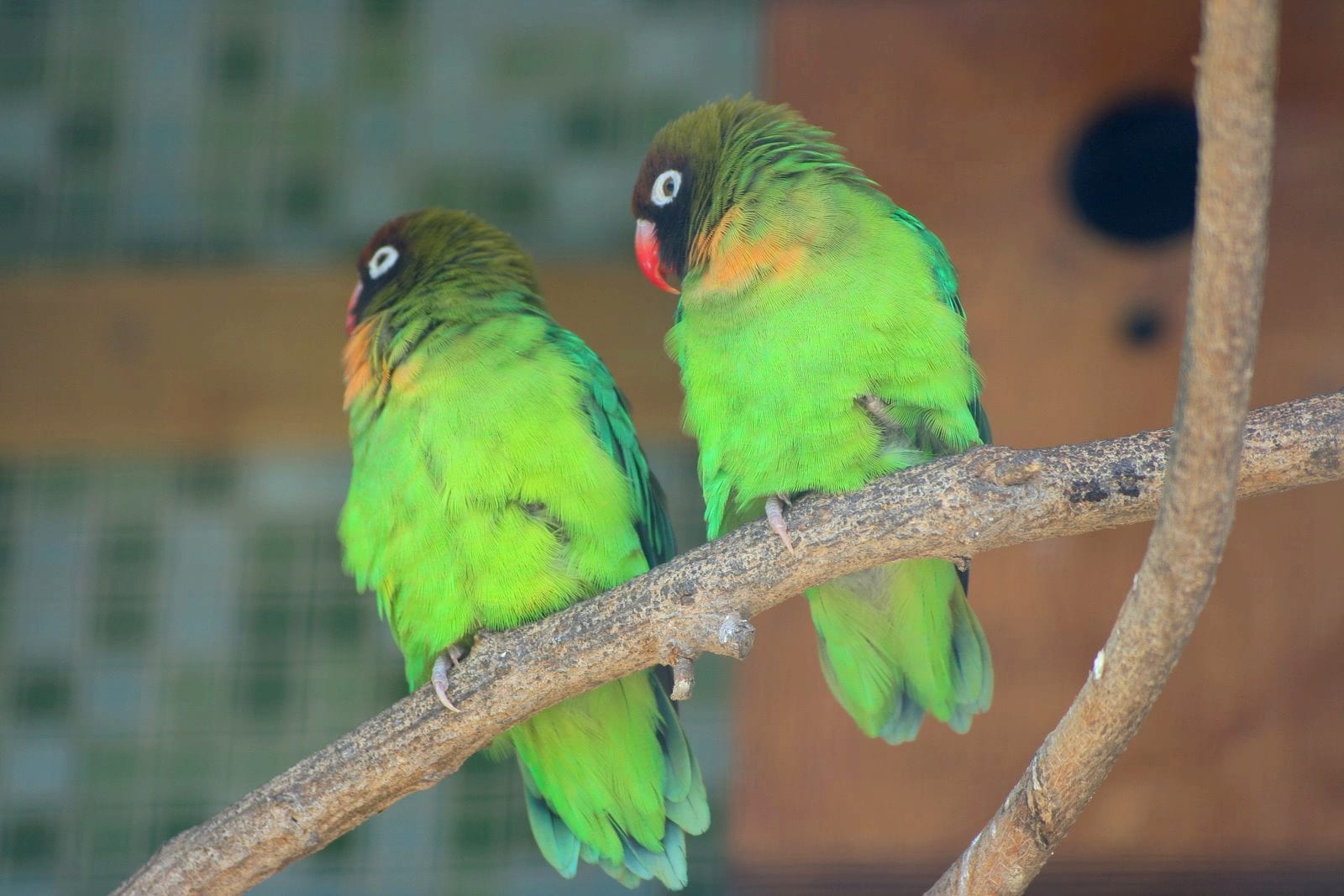
A small lovebird with green plumage, a reddish-brown forehead, brownish-black cheeks and an orange band on the throat. Restricted to a very small range in southwestern Zambia, it is nonetheless relatively easy to breed in captivity.
Difficulty
Intermediate
Temperature
15〜30℃
Lifespan
About 20 years
Size
13-14cm
Humidity
40〜60%
Diet
Small seeds (canary seed, millet, oats), fruit, vegetables, pellets
About
The black-cheeked lovebird (Agapornis nigrigenis) is endemic to a narrow range from southwestern Zambia to the Victoria Falls area. It uses mopane woodland in the dry season and Baikiaea woodland in the rains, and stays close to water because it drinks daily. The IUCN Red List treats it as Vulnerable, with 8,000-11,500 mature individuals estimated. In captivity it is fed small seeds with fruit and vegetables, and the World Parrot Trust recommends a cage or aviary at least 1.2 m long. Breeding is relatively easy, but the species remains uncommon in the trade.
Source: Wikipedia (CC BY-SA 4.0)
Lifespan of the Black-cheeked Lovebird
The Black-cheeked Lovebird lives About 20 years.
Size of the Black-cheeked Lovebird
The Black-cheeked Lovebird grows to 13-14cm.
It is 13-14 cm long and weighs about 40 g, with green plumage, a reddish-brown forehead and forecrown, brownish-black cheeks and throat, and an orange band below the throat, plus white eye-rings and a red bill.
Basic Info
Origin
Southwestern Zambia (southern Kafue National Park along the Zambezi valley to Victoria Falls)
Lifespan
About 20 years
Size
13-14cm
Temperature
15〜30℃
Care Specifications
PairBreeding: Easy
Sources: World Parrot Trust Parrot Encyclopedia (size, weight, longevity, housing) / Wikipedia - Black-cheeked lovebird
References & Sources
Edited & verified by: BreederDirect editorial team
The taxonomic, regulatory, and husbandry data on this page are compiled and verified against the authoritative primary sources below.
Taxonomy & Authority
Accepted name: Agapornis nigrigenis Sclater, W.L., 1906
Authority databases: GBIF
Nomenclature follows global taxonomic authority databases.
Regulations & Conservation Status
CITES Appendix IIIUCN VU · Vulnerable
Agapornis nigrigenis. The order Psittaciformes is listed as a whole in CITES Appendix II.
Sources: CITES Appendices (Psittaciformes spp. listed in Appendix II) / IUCN Red List / CITES Species+ Agapornis nigrigenis
Regulations may change. Always verify the latest information with the relevant authorities.
Black-cheeked Lovebird Listings
Loading latest listingsFind listings for this species