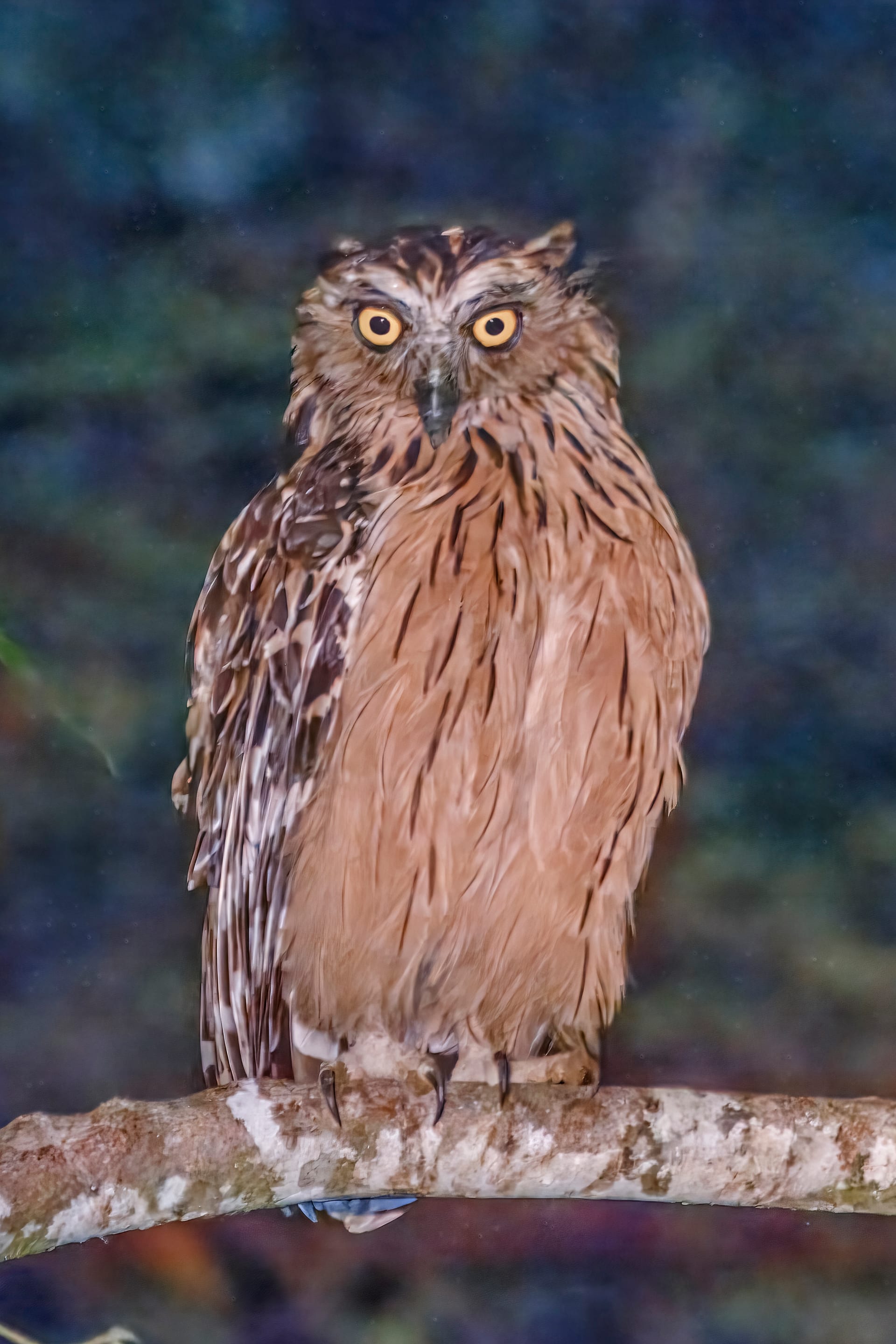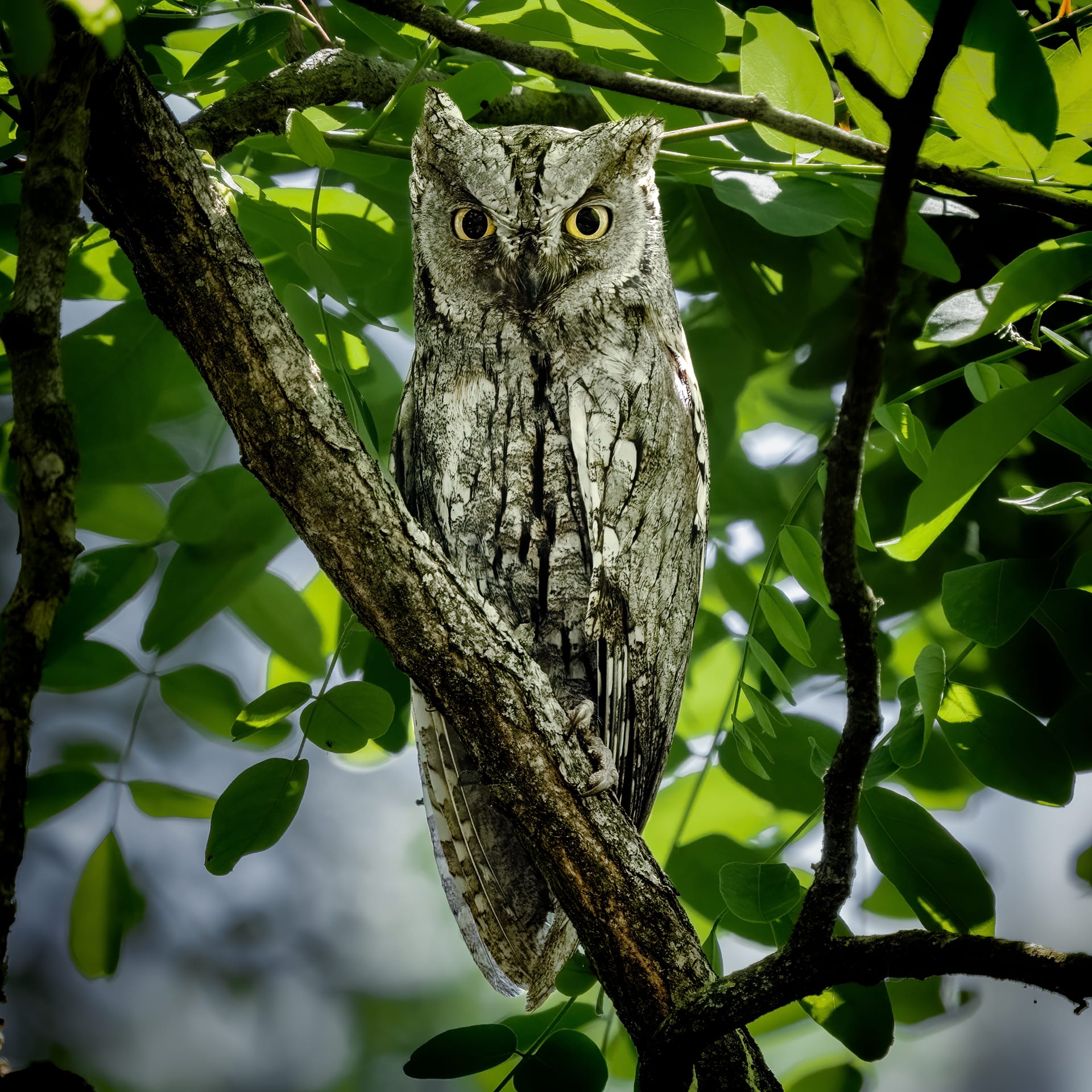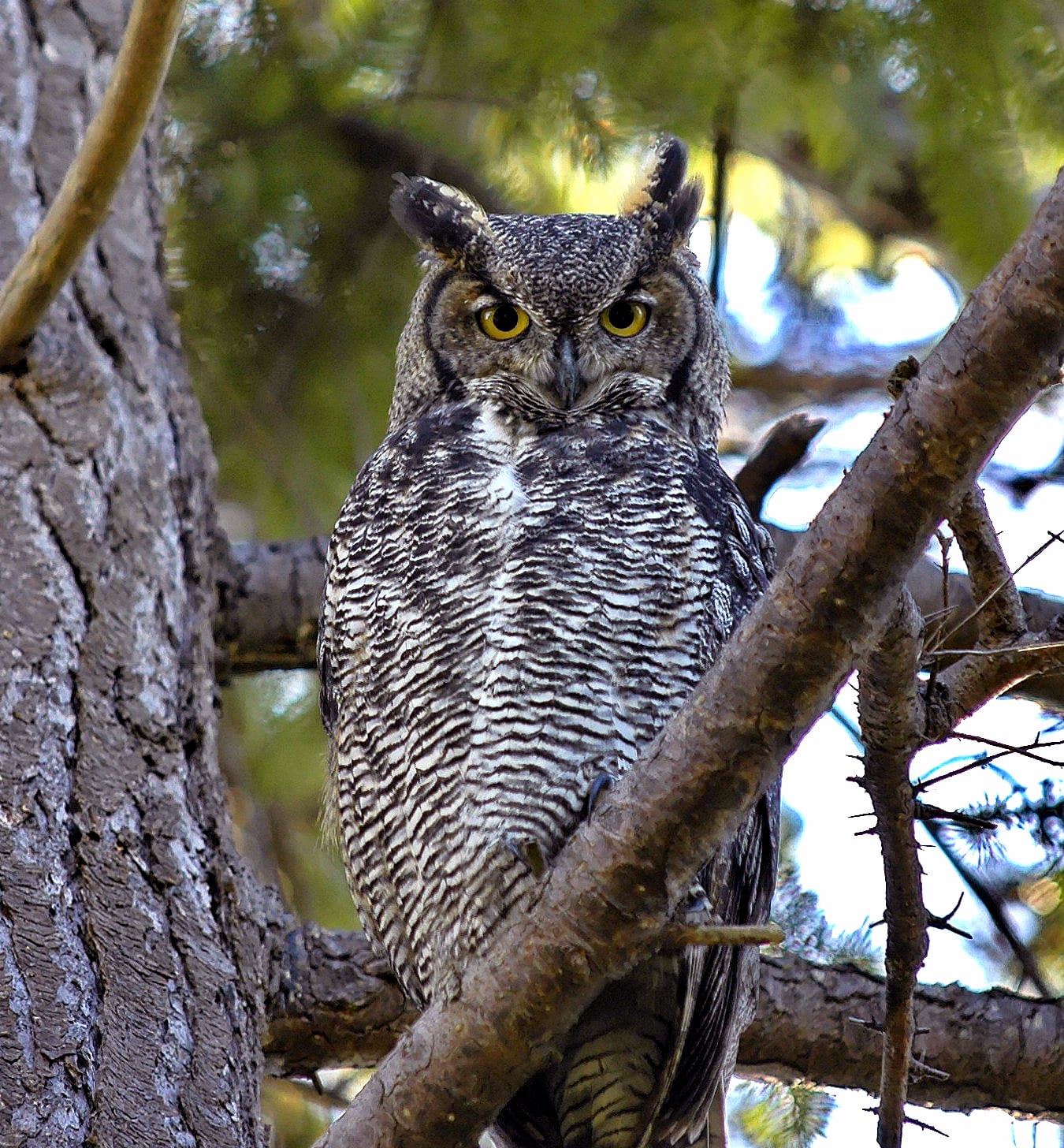
Source: Wikimedia Commons
Chaco Owl
AdvancedStrix chacoensis
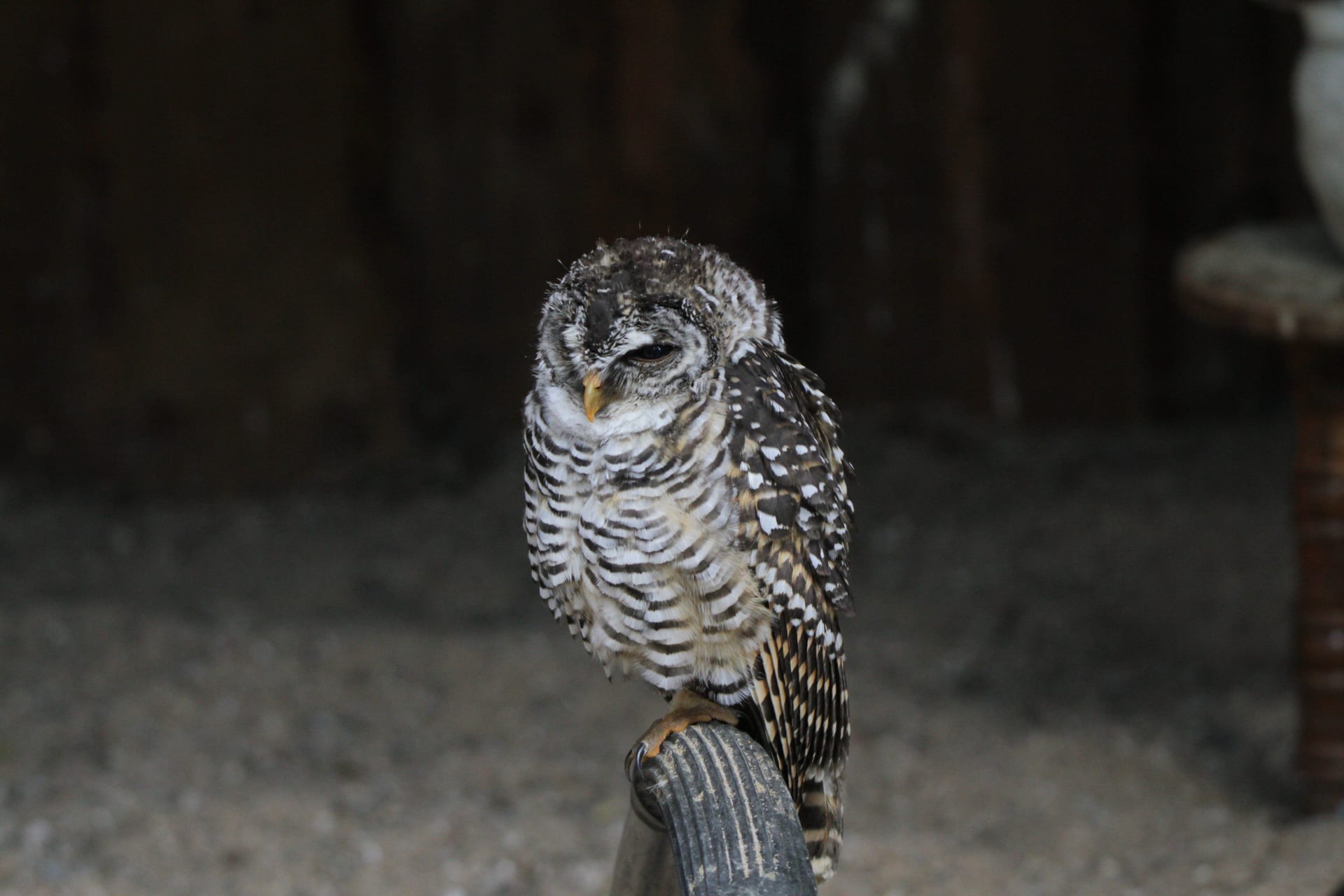
A medium-sized owl endemic to the Gran Chaco of South America, with a round tuftless head and a pale greyish-white facial disc marked by concentric dark lines. The IUCN assesses it as Near Threatened. It is seldom kept in captivity.
Difficulty
Advanced
Temperature
15〜30℃
Lifespan
10-15 years
Size
35-38cm (males 360-435g, females 420-500g)
Humidity
40〜60%
Diet
Frozen mice, day-old chicks and quail; in the wild small mammals, birds, reptiles and invertebrates
About
The Chaco owl (Strix chacoensis) is a monotypic medium-sized owl of the Gran Chaco in southern South America. The head is round and tuftless, and the adult's facial disc is pale greyish white with concentric dark lines. The upperparts are dusky brownish black with narrow white and buff barring, the underparts off-white barred dark brown, and the tail dark greyish brown with narrow pale bars. Originally described as a species, it was soon demoted to a subspecies of the rufous-legged owl, but a 1995 study of morphology and voice showed the original treatment to be correct; later work suggests it is closer to the rusty-barred owl than to the rufous-legged. It occupies the low-rainfall Gran Chaco across hilly, rolling and flat terrain in both dense and semi-open forest, recorded in Argentina between 500 and 1,300 m. Mainly nocturnal, it is vocally active at dawn and dusk and hunts by dropping from a perch. Its breeding biology is poorly known; it probably nests in tree cavities or holes in the ground, and captive females lay two or three eggs.
Source: Wikipedia (CC BY-SA 4.0)
Lifespan of the Chaco Owl
The Chaco Owl lives 10-15 years.
Size of the Chaco Owl
The Chaco Owl grows to 35-38cm (males 360-435g, females 420-500g).
It is 35-38 cm long; males weigh 360-435 g and females 420-500 g.
Basic Info
Origin
Southern South America, from Santa Cruz in Bolivia south through western Paraguay into north-central Argentina as far as Cordoba and Buenos Aires provinces
Lifespan
10-15 years
Care Specifications
Semi-aggressiveSolitary
Sources: Wikipedia - Chaco owl / Wikipedia - Strigidae, Japanese edition (Japanese names)
References & Sources
Edited & verified by: BreederDirect editorial team
The taxonomic, regulatory, and husbandry data on this page are compiled and verified against the authoritative primary sources below.
Taxonomy & Authority
Accepted name: Strix chacoensis Cherrie & Reichenberger, 1921
Synonyms: Strix rufipes chacoensis
Authority databases: GBIF
Nomenclature follows global taxonomic authority databases.
Regulations & Conservation Status
CITES Appendix IIIUCN NT · Near Threatened
Strix chacoensis. The order Strigiformes is listed in CITES Appendix II except for species placed in Appendix I, so this species is Appendix II and international trade requires an export permit. It is not among Japan's designated dangerous animals.
Sources: CITES Appendices (Appendix II) / IUCN Red List / Cabinet Order under the Act on Welfare and Management of Animals, appended table (designated dangerous animals)
Regulations may change. Always verify the latest information with the relevant authorities.
Chaco Owl Listings
Loading latest listingsFind listings for this species