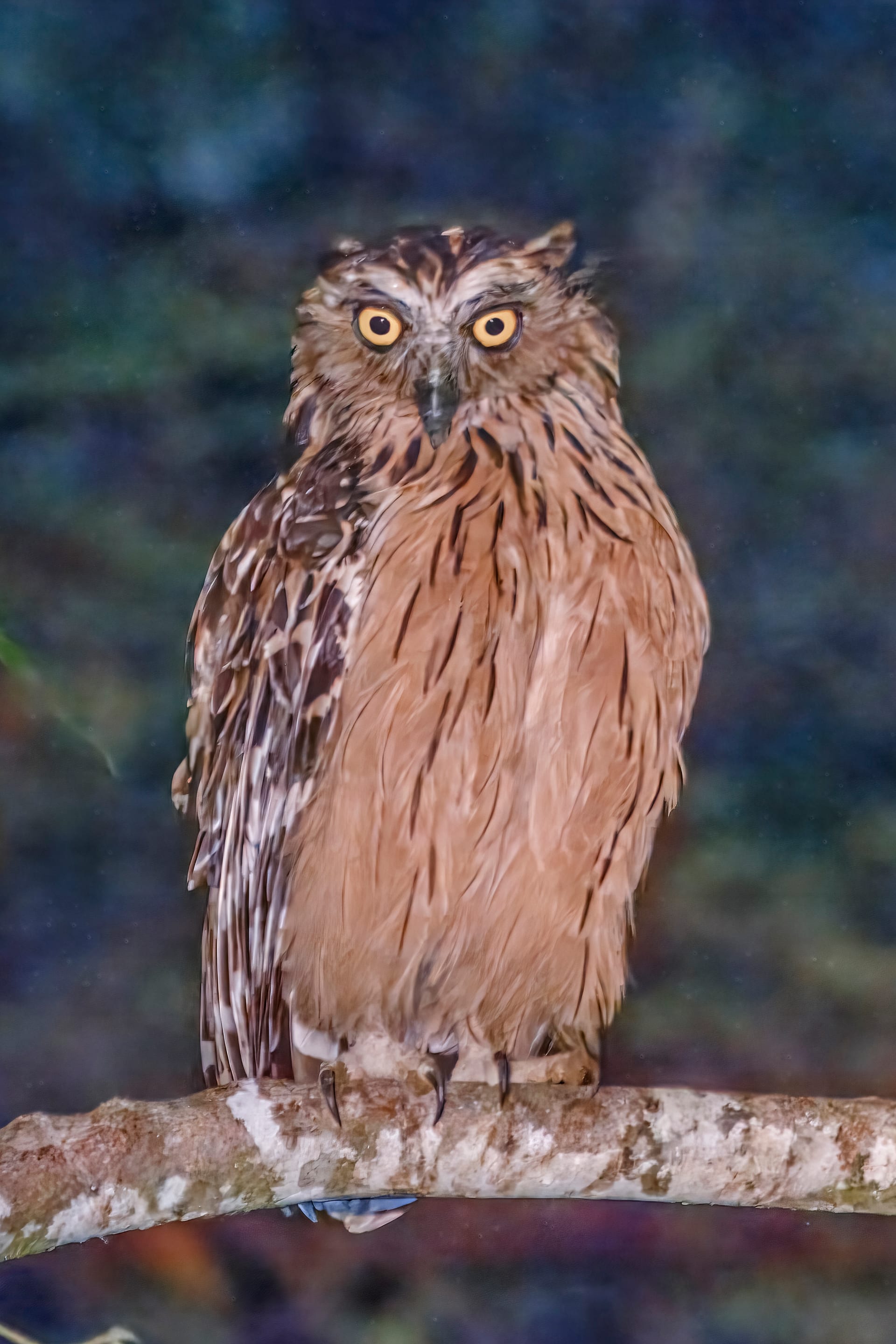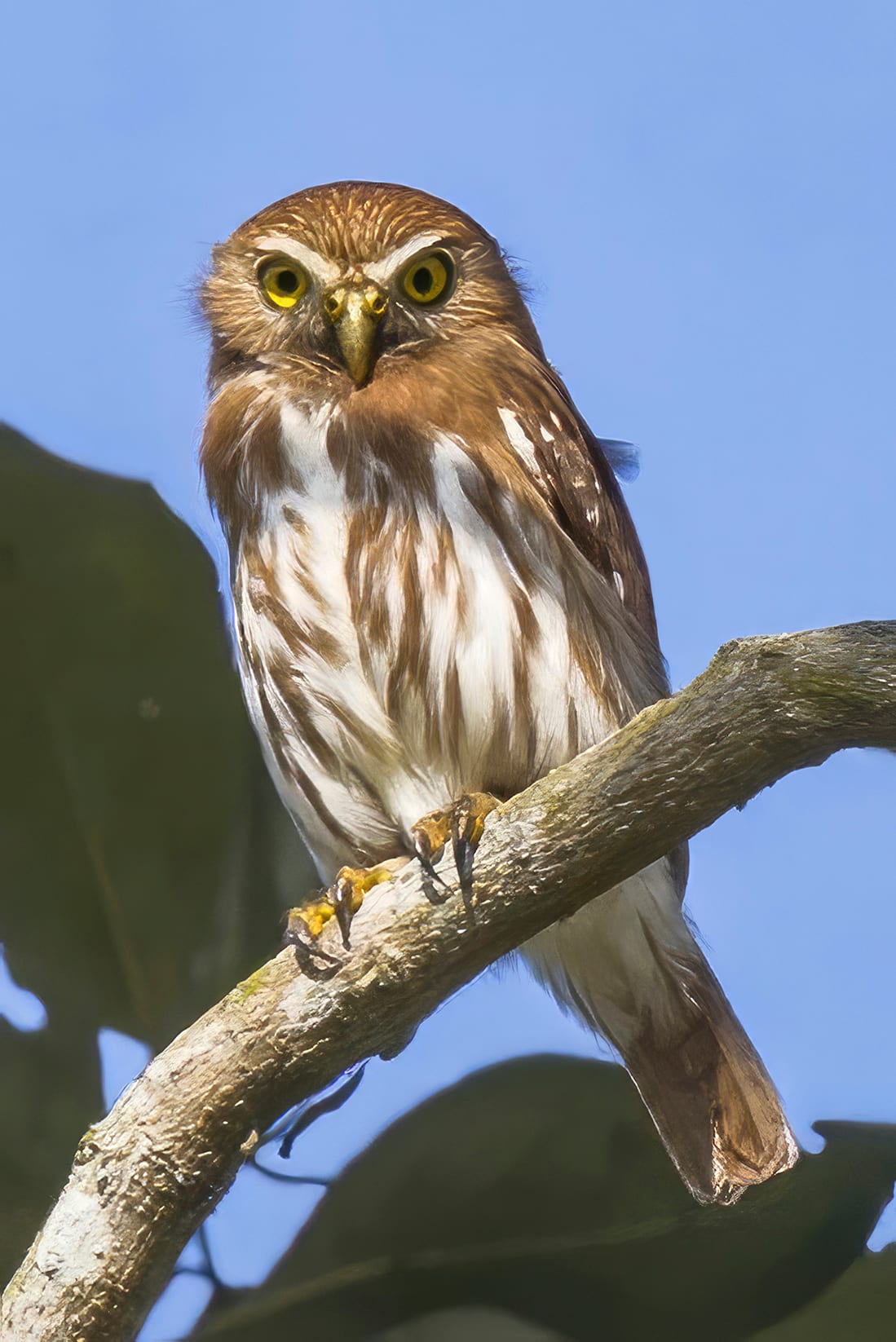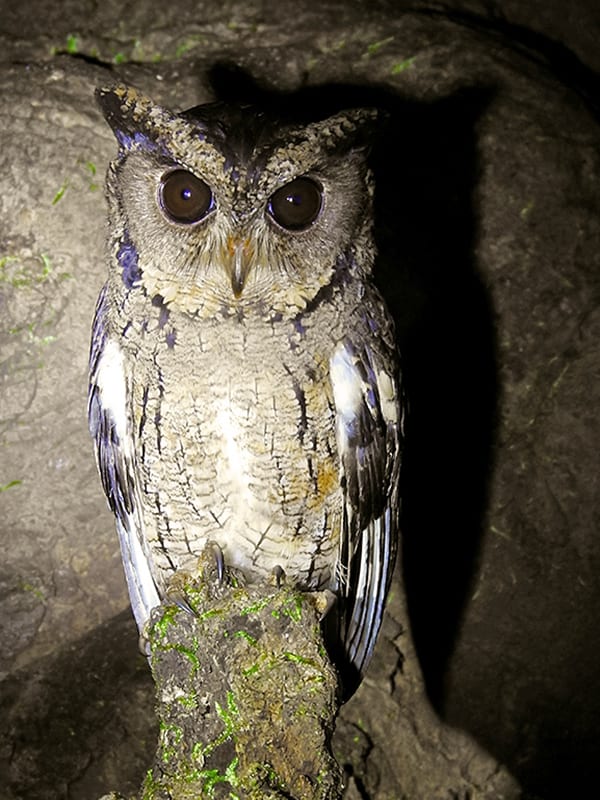
Source: Wikimedia Commons
Indian Scops Owl
AdvancedOtus bakkamoena
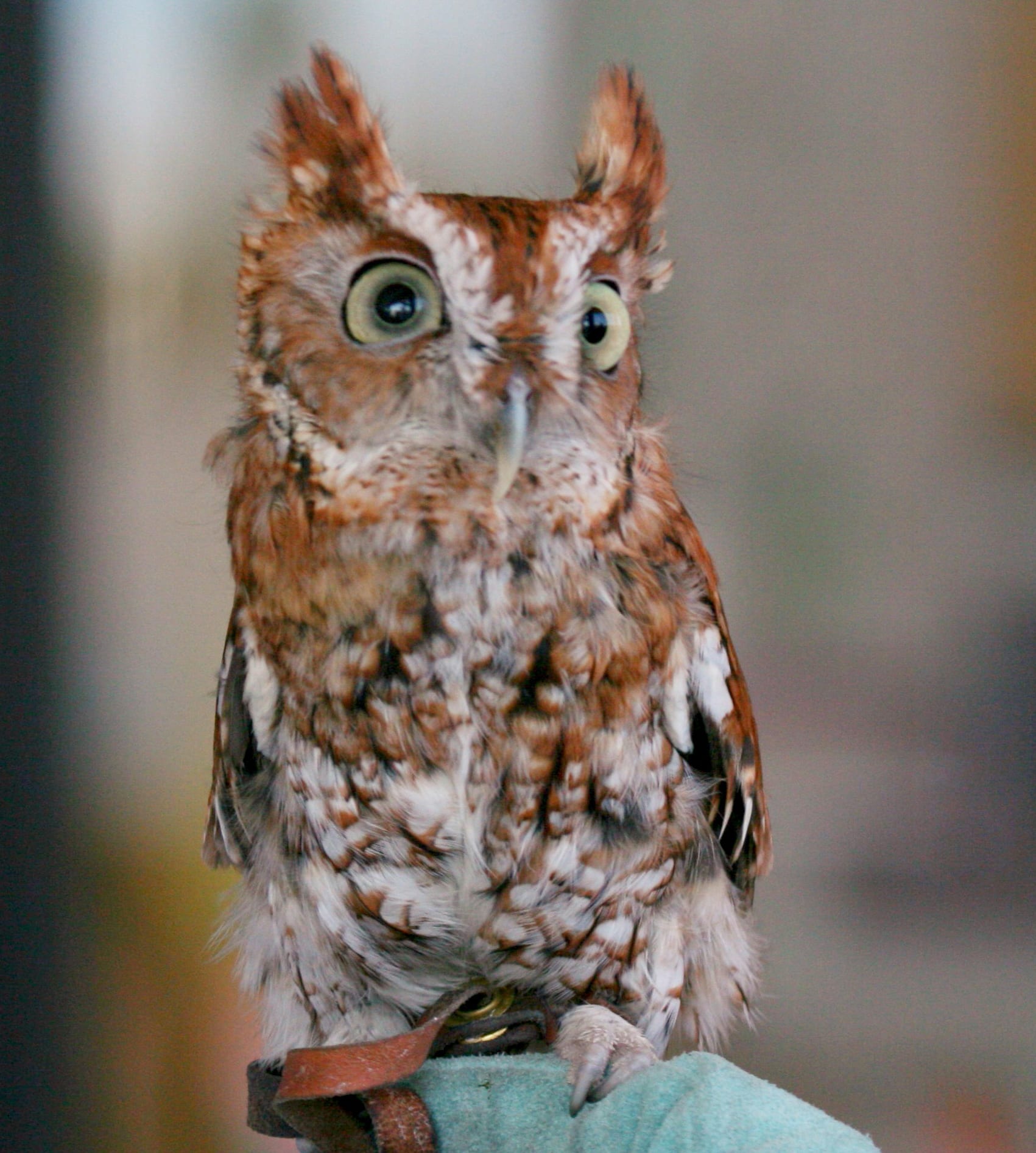
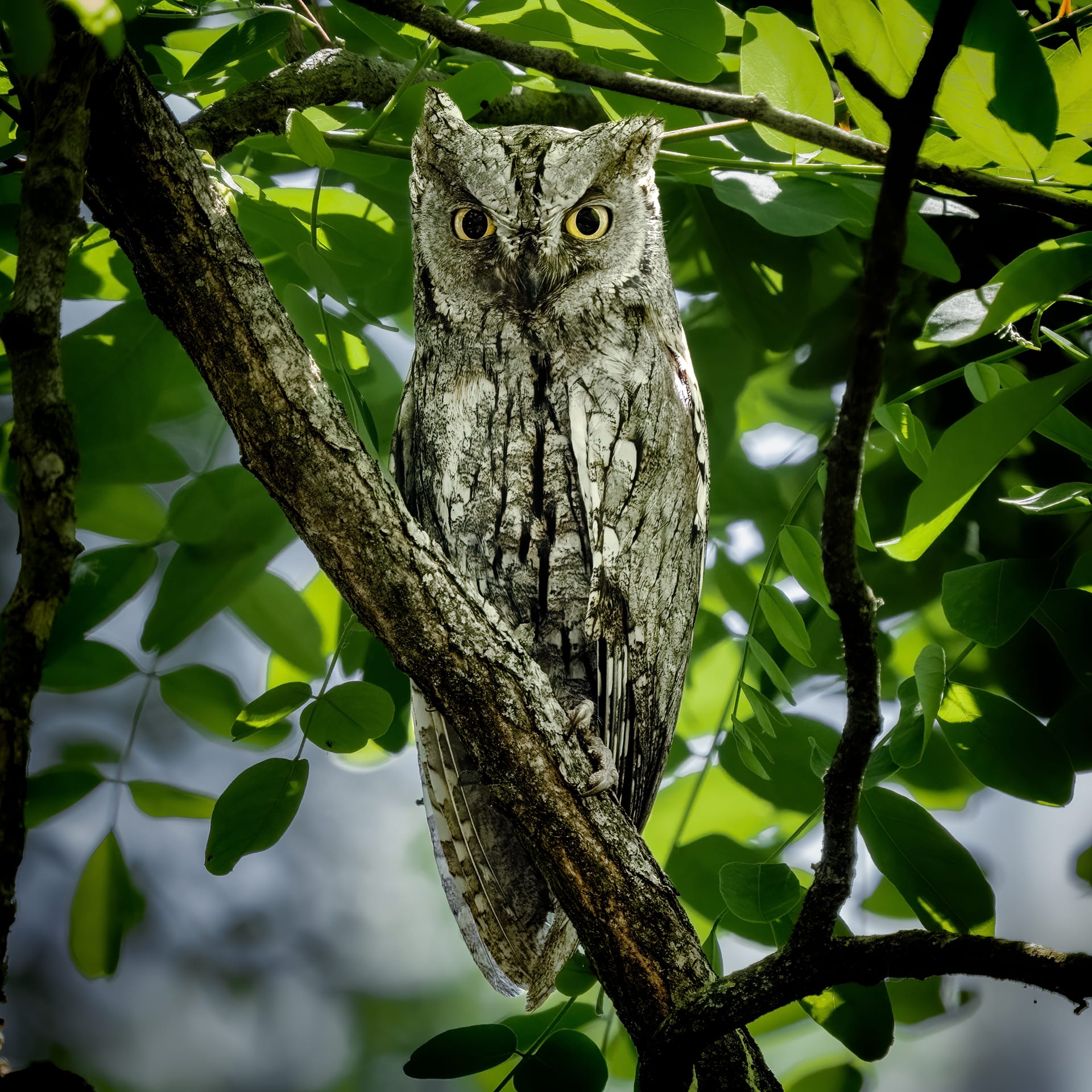
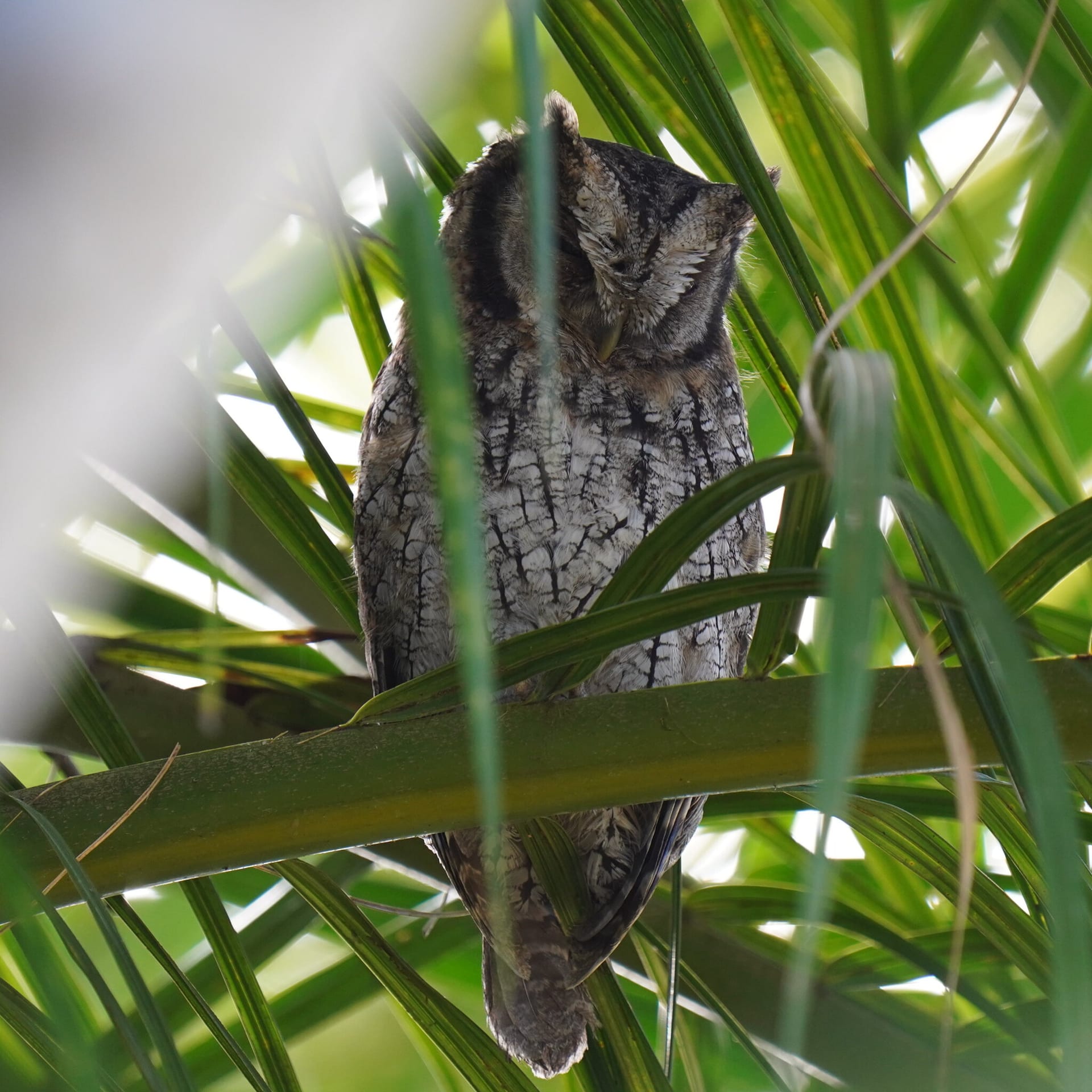
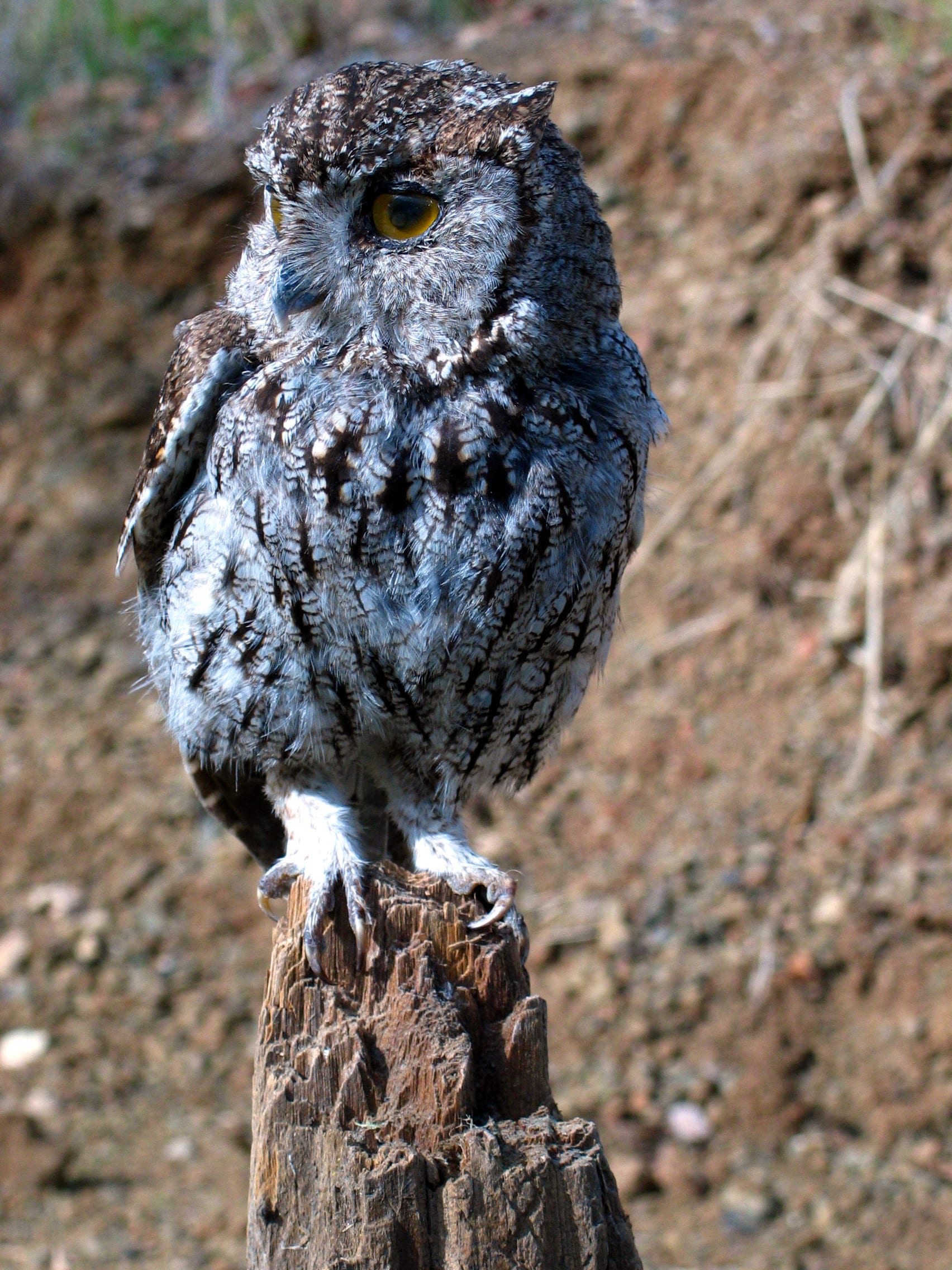
A scops owl of South Asia, 23-25 cm long and among the largest in its genus, with a whitish facial disc and orange or brown eyes. Its call is a soft single note.
Difficulty
Advanced
Temperature
15〜30℃
Lifespan
9-13 years
Size
23-25cm
Humidity
40〜60%
Diet
Mainly insects in the wild; in captivity frozen mice and chicks plus insects
About
The Indian scops owl (Otus bakkamoena) is a scops owl native to South Asia. At 23-25 cm it is one of the larger members of its genus. The facial disc is whitish or buff and the eyes are orange or brown. It closely resembles the slightly larger, partly migratory collared scops owl (Otus lettia) and the oriental scops owl (Otus sunia), and the three are separated by call and eye colour. Its call is a soft single note rendered as whuk. It feeds mainly on insects and is active at night. The specific epithet bakkamoena comes from bakamuna, the Sinhalese name applied to the eastern barn owl and the brown fish owl. Species limits within this group have long been debated, and the IOC World Bird List restricts this species to populations of the Indian subcontinent and Sri Lanka.
Source: Wikipedia (CC BY-SA 4.0)
Lifespan of the Indian Scops Owl
The Indian Scops Owl lives 9-13 years.
Size of the Indian Scops Owl
The Indian Scops Owl grows to 23-25cm.
Basic Info
Origin
South Asia (the Indian subcontinent and Sri Lanka)
Lifespan
9-13 years
Size
23-25cm
Temperature
15〜30℃
Humidity
Care Specifications
Semi-aggressivePair
Sources: Wikipedia - Indian scops owl
References & Sources
Edited & verified by: BreederDirect editorial team
The taxonomic, regulatory, and husbandry data on this page are compiled and verified against the authoritative primary sources below.
Taxonomy & Authority
Accepted name: Otus bakkamoena Pennant, 1769
Synonyms: Strix bakkamoena
Authority databases: GBIF
Nomenclature follows global taxonomic authority databases.
Regulations & Conservation Status
CITES Appendix IIIUCN LC · Least Concern
Otus bakkamoena. The order Strigiformes is listed in CITES Appendix II except for species placed in Appendix I, so this species is Appendix II and international trade requires an export permit. It is not among Japan's designated dangerous animals.
Sources: CITES Appendices (Appendix II) / IUCN Red List / Cabinet Order under the Act on Welfare and Management of Animals, appended table (designated dangerous animals)
Regulations may change. Always verify the latest information with the relevant authorities.
Indian Scops Owl Listings
Loading latest listingsFind listings for this species