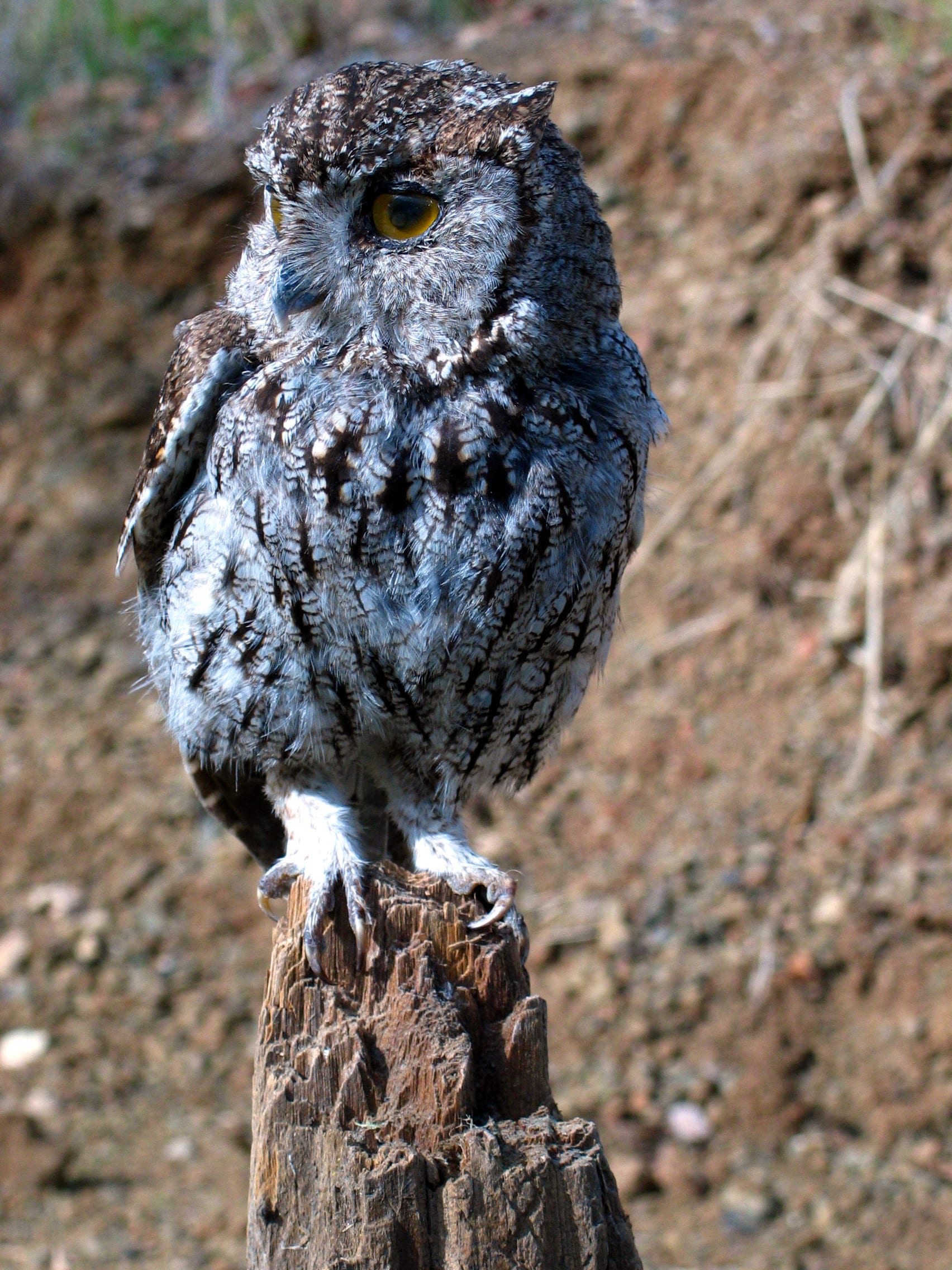
Source: Wikimedia Commons
Western Screech Owl
AdvancedMegascops kennicottii
A small screech owl of western North America and Central America, averaging 22 cm long with a 55 cm wingspan. Its accelerating series of short whistles separates it from the eastern screech owl.
Difficulty
Advanced
Temperature
15〜30℃
Lifespan
8-12 years
Size
Average 22cm (wingspan 55cm, weight 88-220g, average 143g)
Humidity
40〜60%
Diet
Insects, small mammals and small birds in the wild; frozen mice, day-old chicks and quail in captivity
About
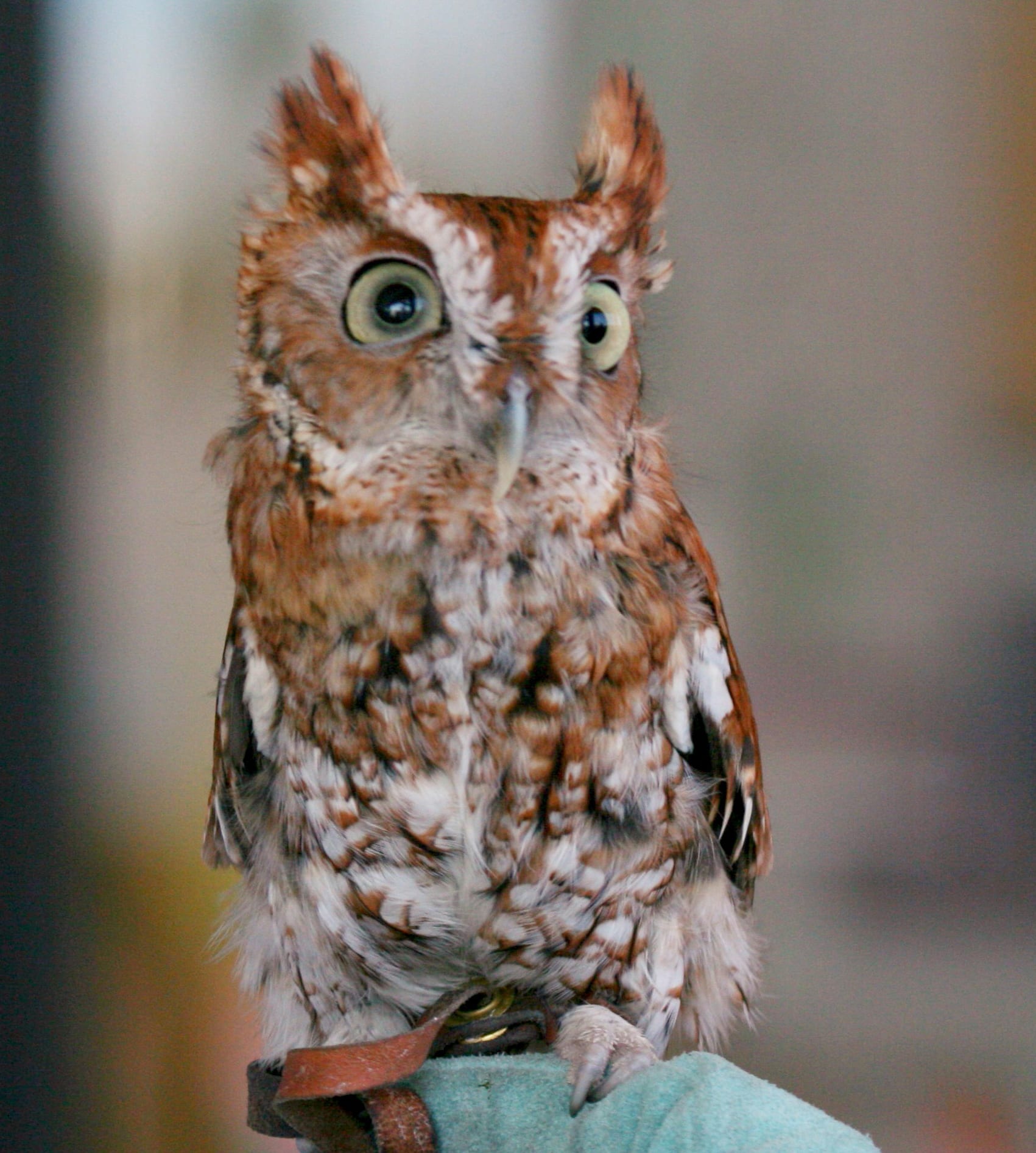
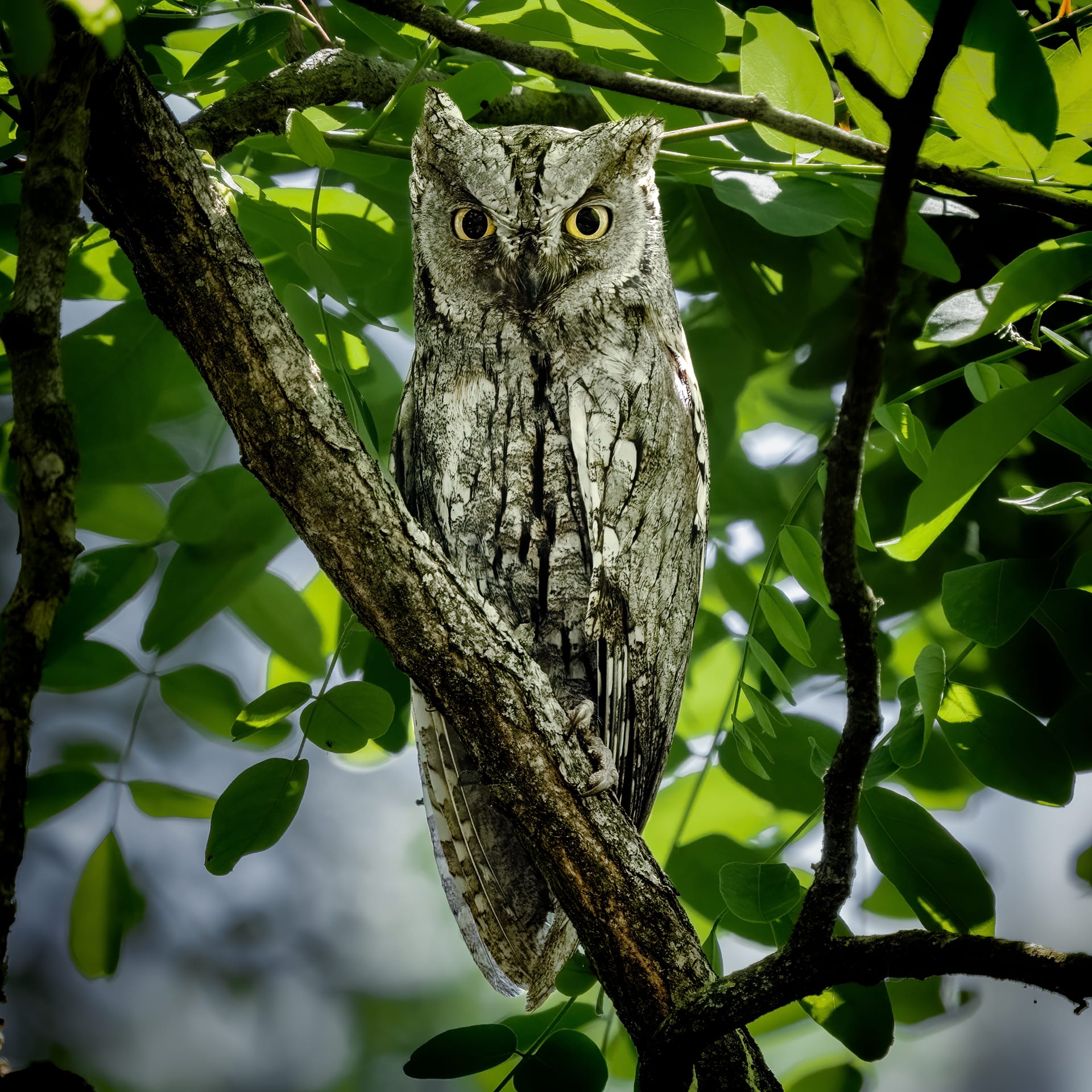
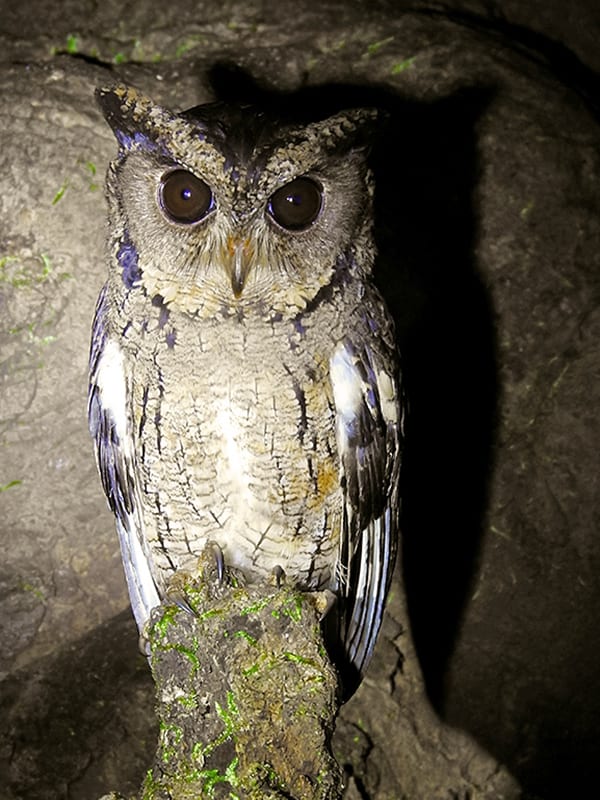
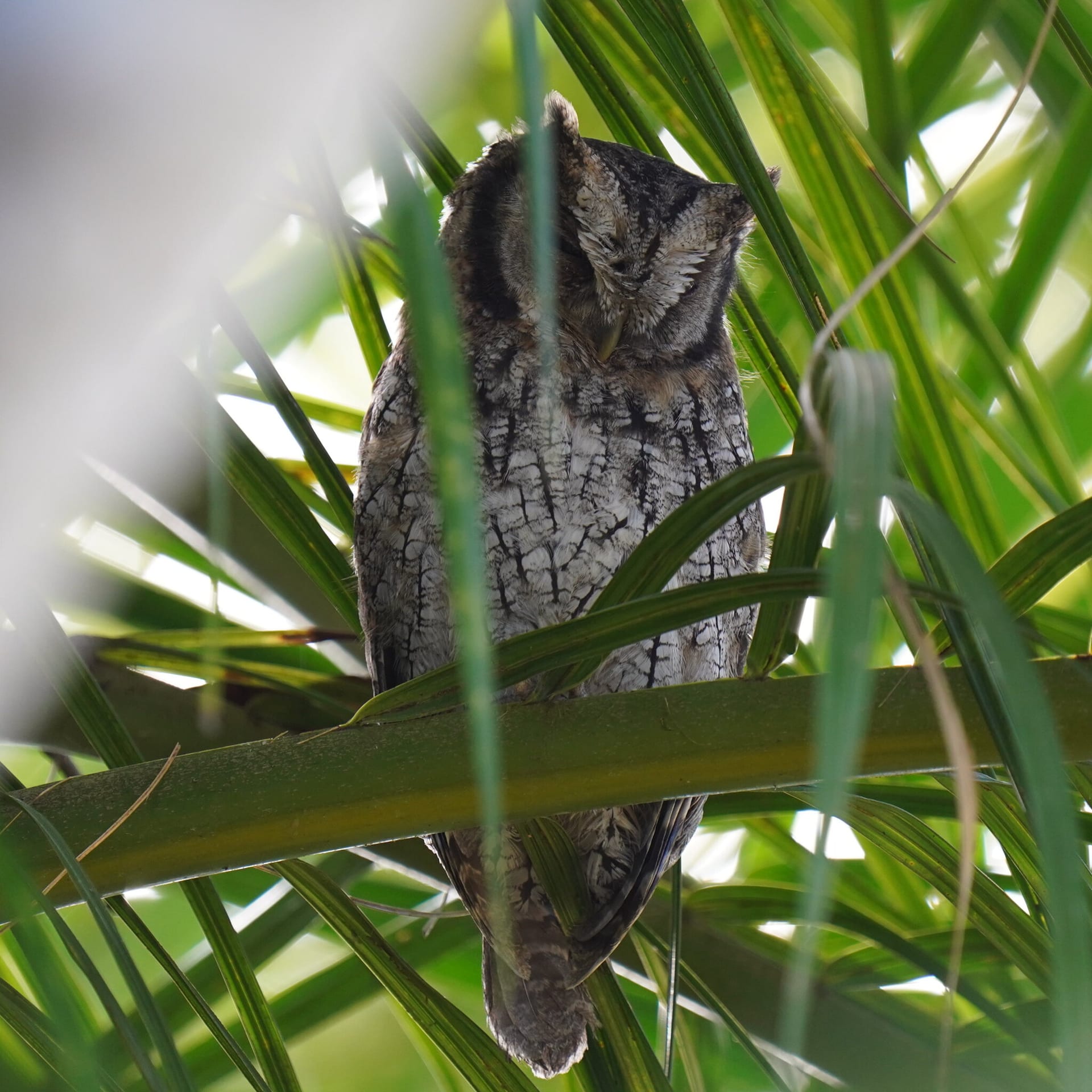
The western screech owl (Megascops kennicottii) is a small Megascops owl of western North America and Central America. Closely related to the eastern screech owl, it was formerly treated as the same species, and because it looks much like the eastern and whiskered screech owls, field identification is best made by voice. Compared with the whiskered screech owl it is larger, with bigger feet and more heavily streaked plumage. The primary call is an accelerating series of short whistles, or a short trill followed by a longer one that falls slightly at the end; it also barks and chuckles. It nests in tree cavities and may reuse the same hole for several years. Although slowly declining in the Pacific Northwest, it is considered of low conservation concern because it is nocturnal and lives readily among trees near people.
Source: Wikipedia (CC BY-SA 4.0)
Lifespan of the Western Screech Owl
The Western Screech Owl lives 8-12 years.
Size of the Western Screech Owl
The Western Screech Owl grows to Average 22cm (wingspan 55cm, weight 88-220g, average 143g).
It averages 22 cm in length with a 55 cm wingspan and weighs 88-220 g, averaging 143 g.
Basic Info
Origin
Western North America to Central America (Canada, USA, Mexico, Guatemala, El Salvador, Honduras, Nicaragua, Costa Rica)
Lifespan
8-12 years
Size
Average 22cm (wingspan 55cm, weight 88-220g, average 143g)
Care Specifications
Semi-aggressivePair
Sources: Wikipedia - Western screech owl
References & Sources
Edited & verified by: BreederDirect editorial team
The taxonomic, regulatory, and husbandry data on this page are compiled and verified against the authoritative primary sources below.
Taxonomy & Authority
Accepted name: Megascops kennicottii (D. G. Elliot, 1867)
Synonyms: Otus kennicottii, Scops kennicottii
Authority databases: GBIF
Nomenclature follows global taxonomic authority databases.
Regulations & Conservation Status
CITES Appendix IIIUCN LC · Least Concern
Megascops kennicottii. The order Strigiformes is listed in CITES Appendix II except for species placed in Appendix I, so this species is Appendix II and international trade requires an export permit. It is not among Japan's designated dangerous animals.
Sources: CITES Appendices (Appendix II) / IUCN Red List / Cabinet Order under the Act on Welfare and Management of Animals, appended table (designated dangerous animals)
Regulations may change. Always verify the latest information with the relevant authorities.
Western Screech Owl Listings
Loading latest listingsFind listings for this species