Source: Wikimedia Commons
Ferruginous Pygmy Owl
AdvancedGlaucidium brasilianum
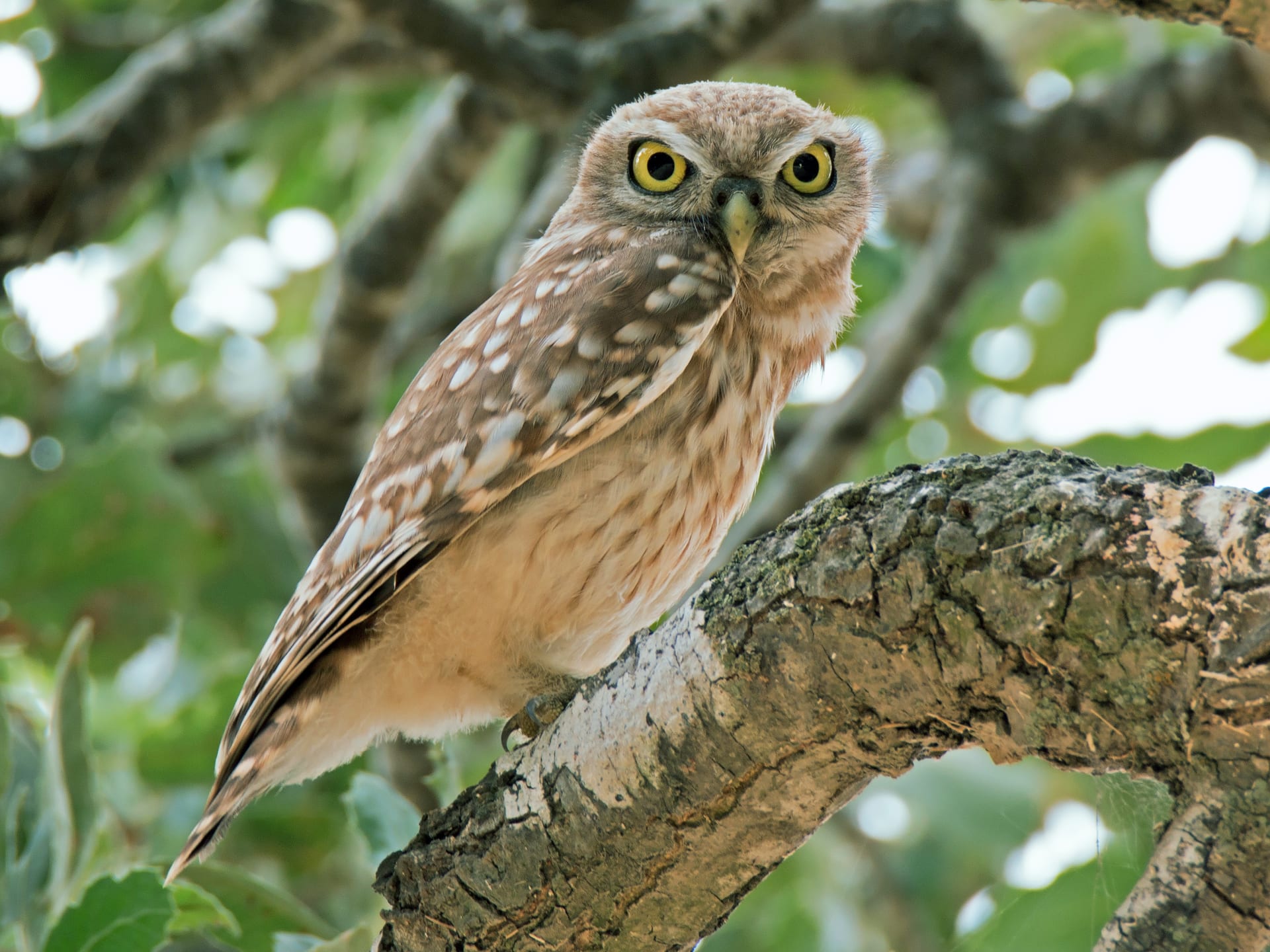
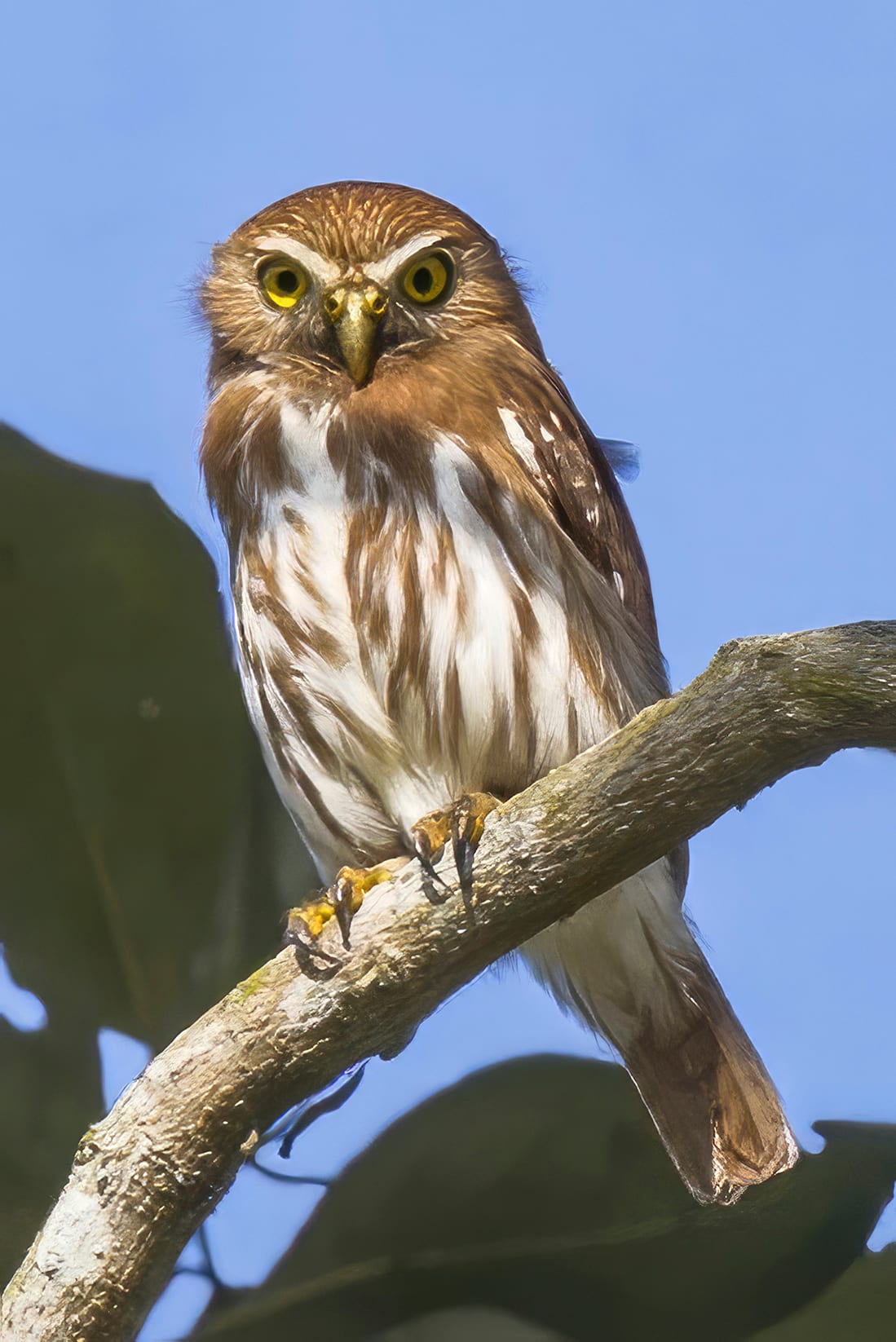
A pygmy owl of about 15 cm, stocky and with disproportionately large feet and talons. The most widely distributed pygmy owl of Latin America, it gives a rhythmic whistled call by day as well as at night.
Difficulty
Advanced
Temperature
15〜30℃
Lifespan
7-10 years
Size
About 15cm
Humidity
40〜60%
Diet
Invertebrates, reptiles, amphibians, birds and mammals in the wild; frozen mice, chicks and insects in captivity
About
The ferruginous pygmy owl (Glaucidium brasilianum) is a small owl found from the southwestern United States south through Mexico and Central America into South America, including Brazil, Bolivia, Paraguay and Argentina. It is typically about 15 cm long and stocky, with disproportionately large feet and talons. It is the most widely distributed pygmy owl in Central and South America and is believed to be one of the commonest owls in those regions, living in a variety of semi-open wooded habitats. Its diet is broad, running from invertebrates such as grasshoppers, crickets, cicadas and scorpions to reptiles, amphibians, birds and mammals. The call is a rhythmic whistled series of hoo-hoo-hoo-hoo, typically pitched in E flat, and is easily imitated by birdwatchers to draw out small songbirds intent on mobbing the owl. The breeding season runs from late winter to early spring.
Source: Wikipedia (CC BY-SA 4.0)
Lifespan of the Ferruginous Pygmy Owl
The Ferruginous Pygmy Owl lives 7-10 years.
Size of the Ferruginous Pygmy Owl
The Ferruginous Pygmy Owl grows to About 15cm.
Basic Info
Origin
The southwestern United States through Mexico and Central America into South America (Brazil, Bolivia, Paraguay, Argentina)
Lifespan
7-10 years
Size
About 15cm
Temperature
Care Specifications
AggressivePair
Sources: Wikipedia - Ferruginous pygmy owl
References & Sources
Edited & verified by: BreederDirect editorial team
The taxonomic, regulatory, and husbandry data on this page are compiled and verified against the authoritative primary sources below.
Taxonomy & Authority
Accepted name: Glaucidium brasilianum (J. F. Gmelin, 1788)
Synonyms: Strix brasiliana
Authority databases: GBIF
Nomenclature follows global taxonomic authority databases.
Regulations & Conservation Status
CITES Appendix IIIUCN LC · Least Concern
Glaucidium brasilianum. The order Strigiformes is listed in CITES Appendix II except for species placed in Appendix I, so this species is Appendix II and international trade requires an export permit. It is not among Japan's designated dangerous animals.
Sources: CITES Appendices (Appendix II) / IUCN Red List / Cabinet Order under the Act on Welfare and Management of Animals, appended table (designated dangerous animals)
Regulations may change. Always verify the latest information with the relevant authorities.
Ferruginous Pygmy Owl Listings
Loading latest listingsFind listings for this species