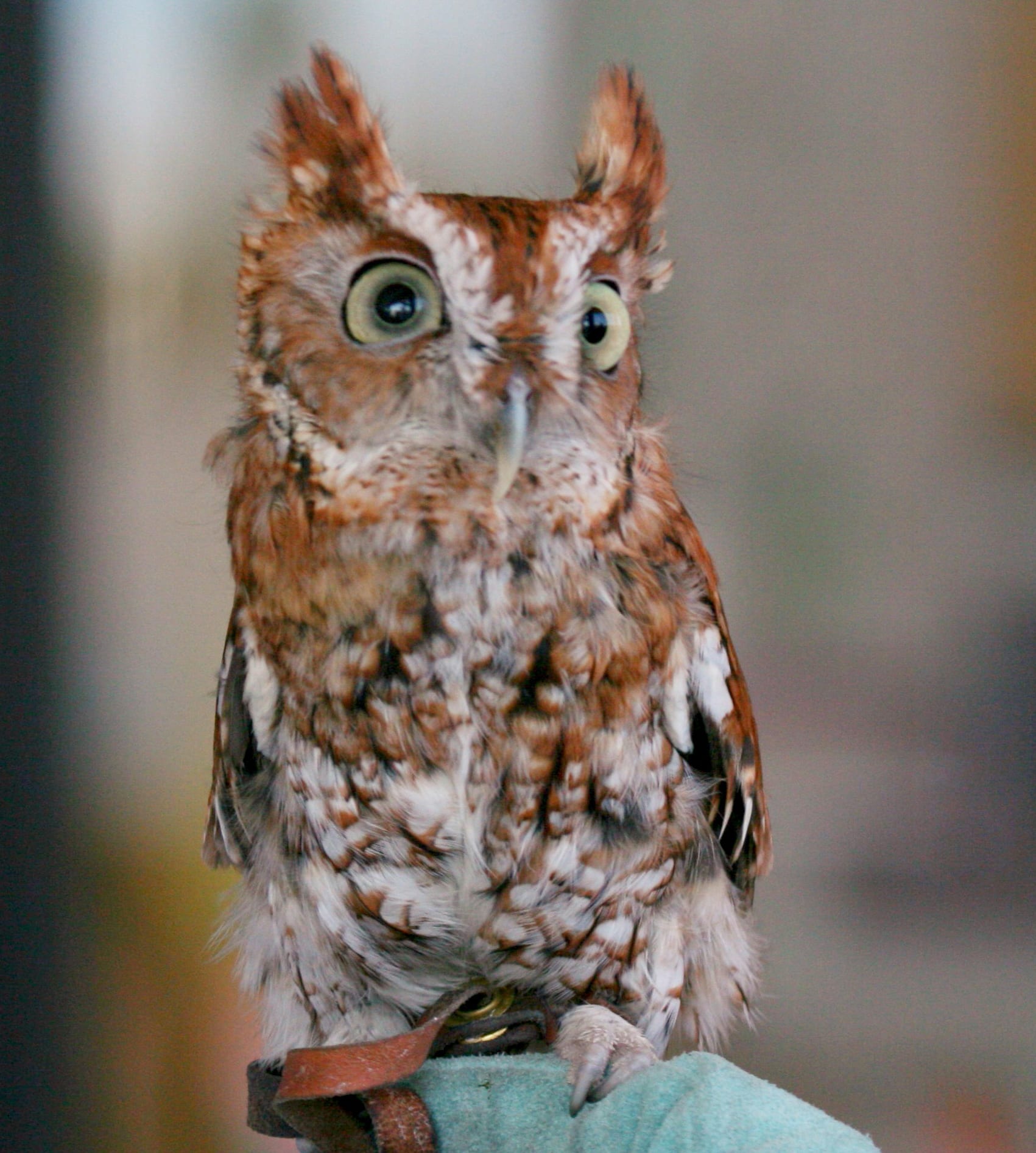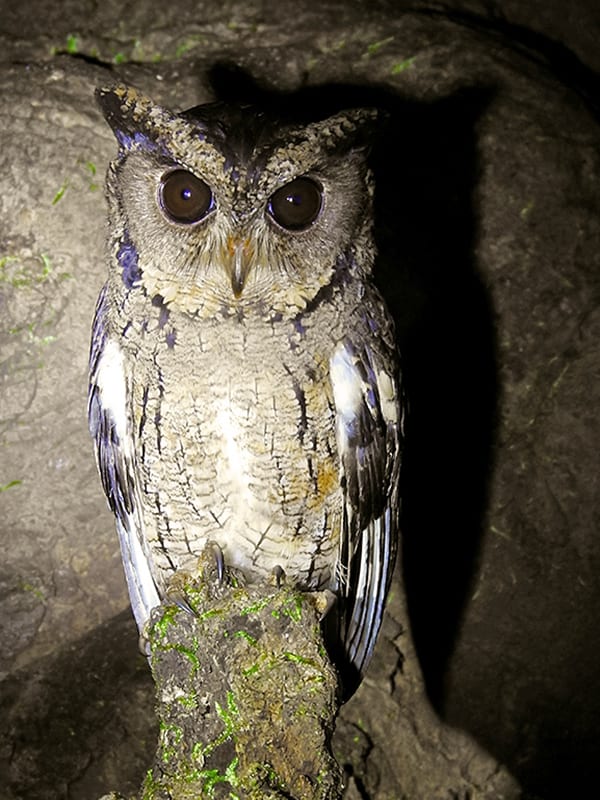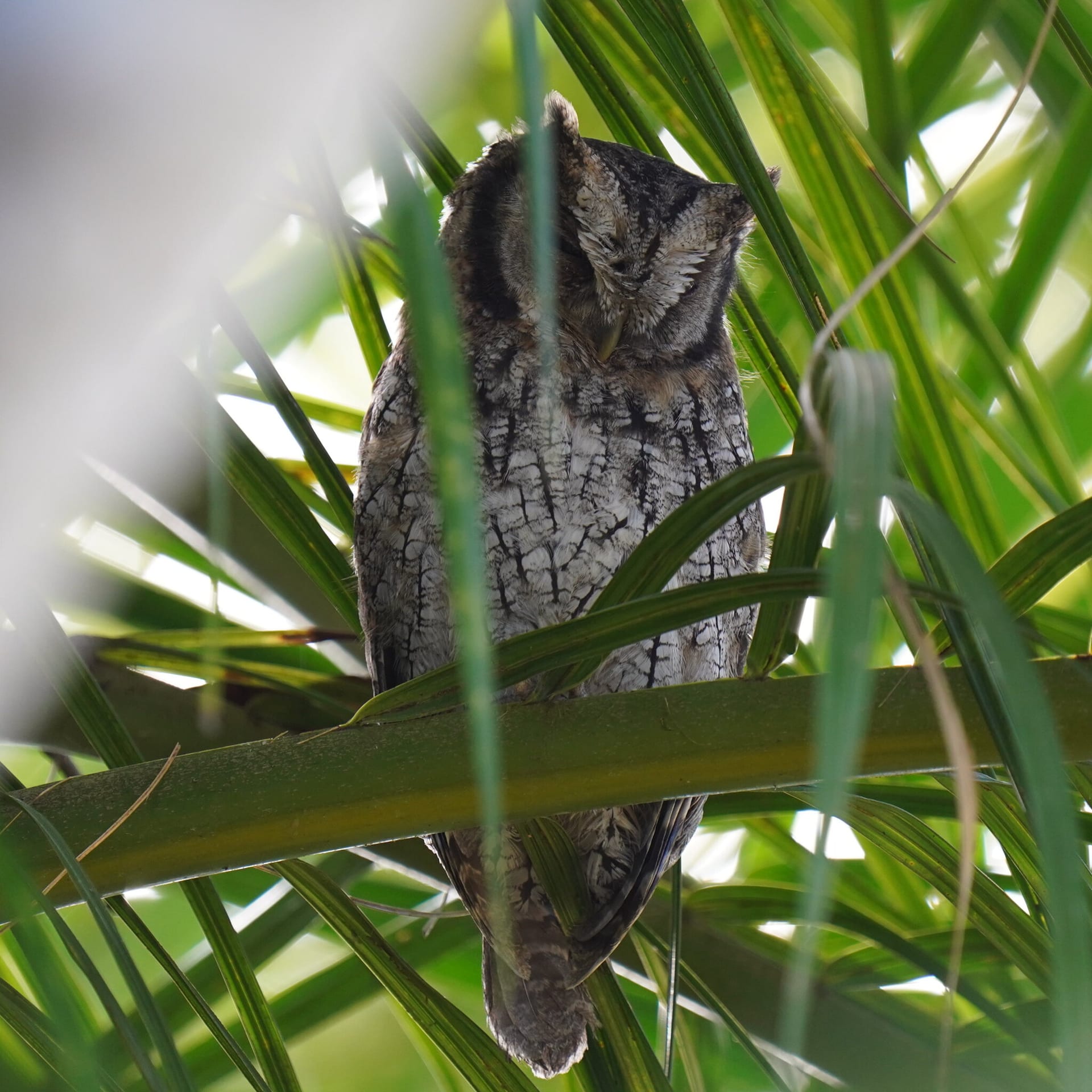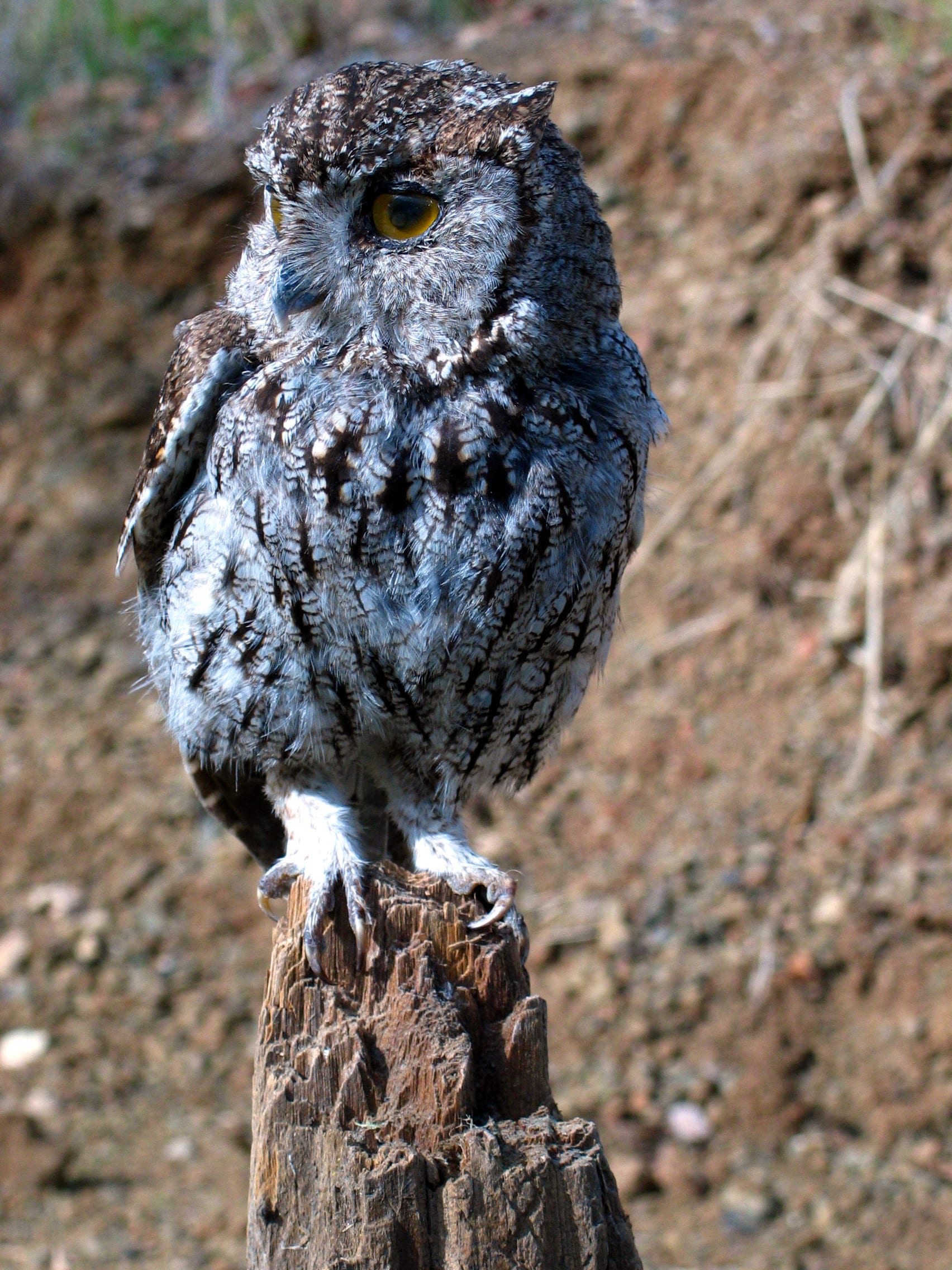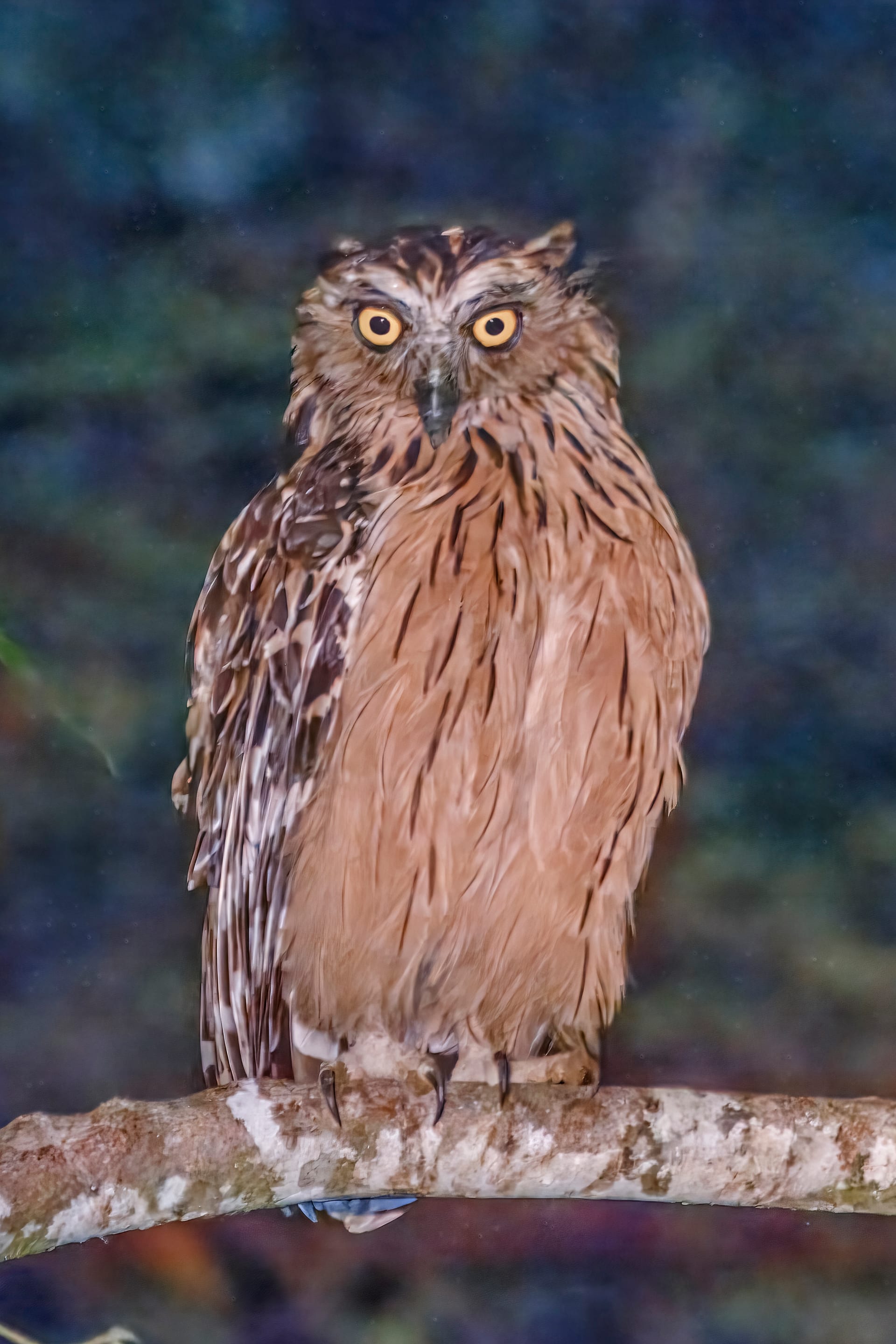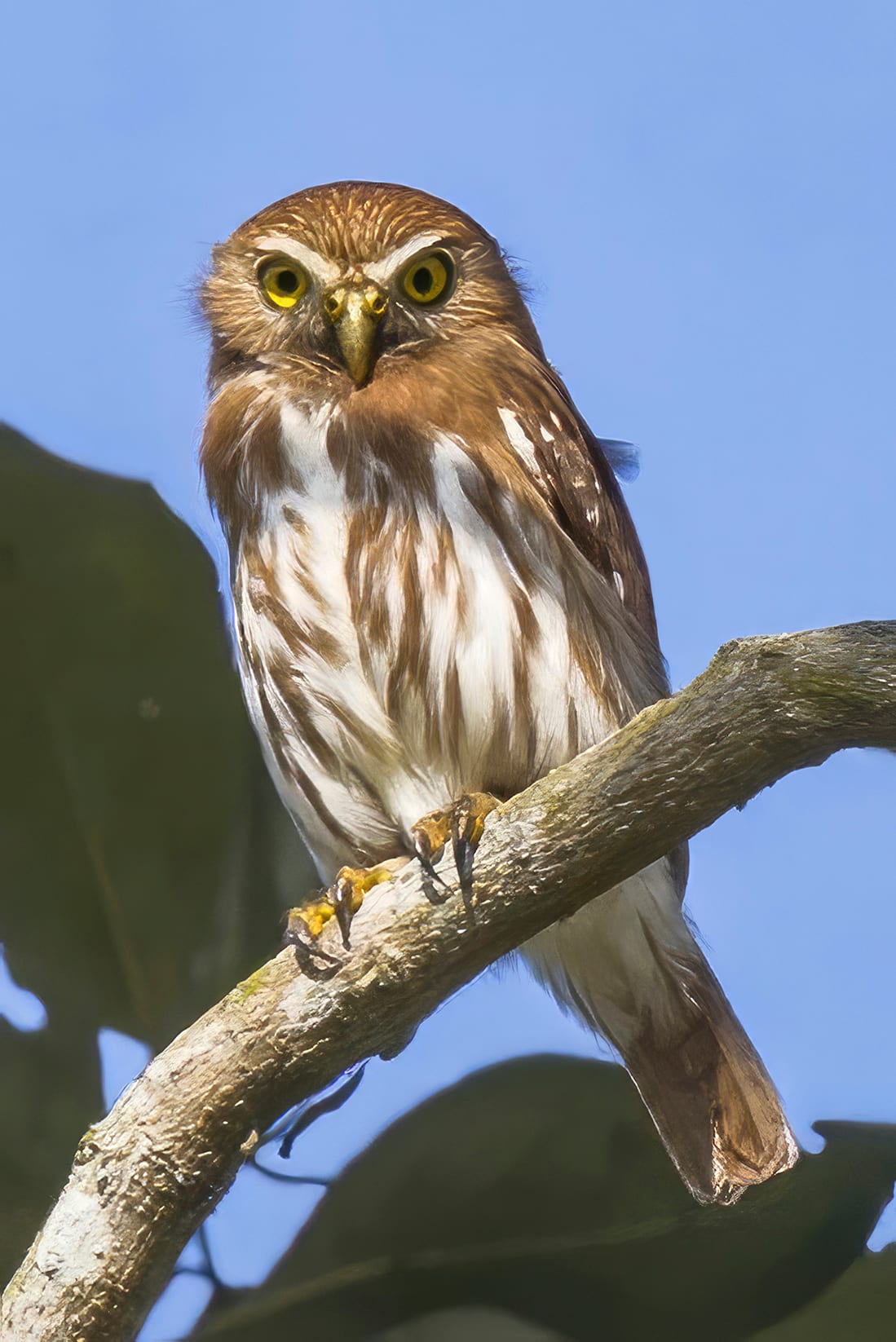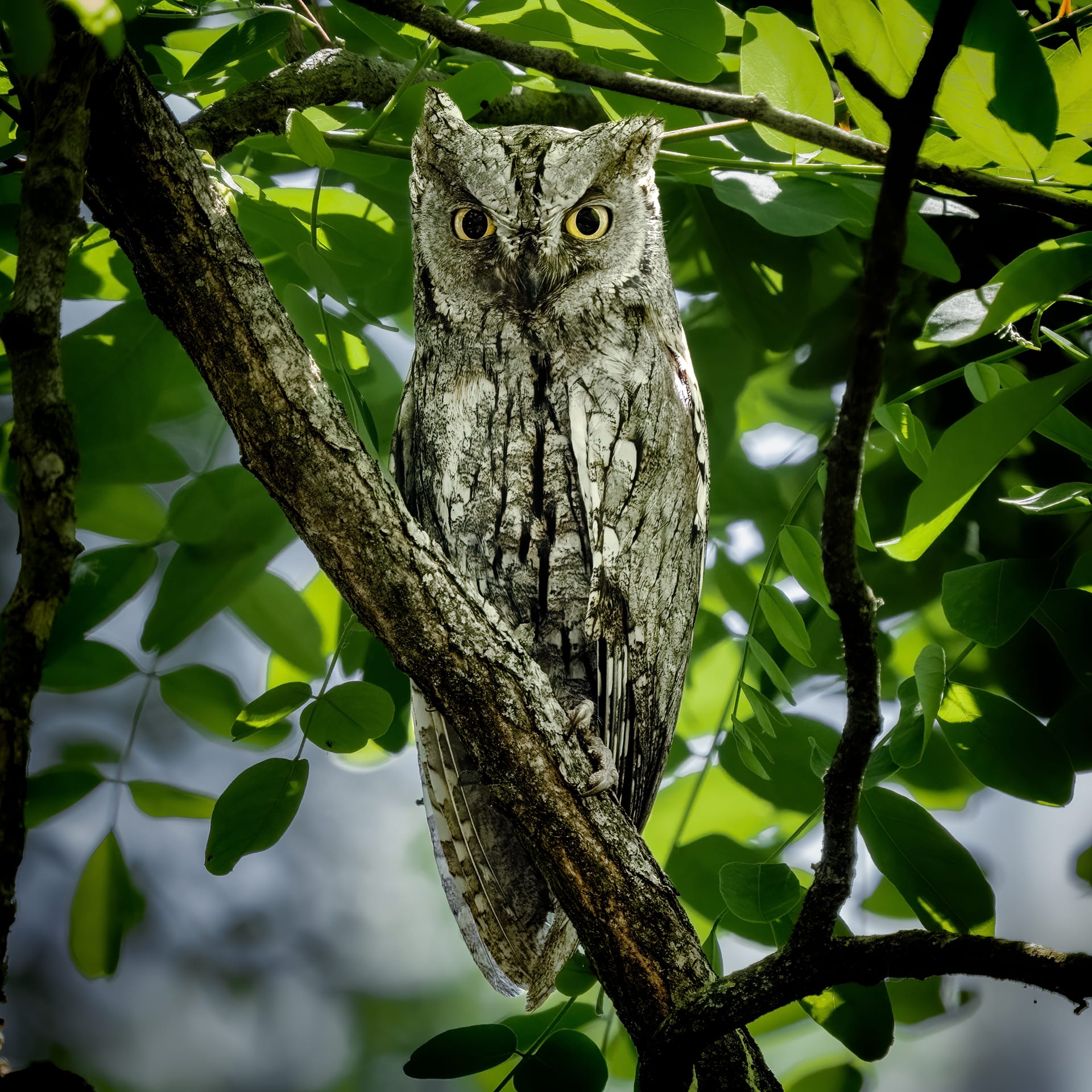
Source: Wikimedia Commons
Eurasian Scops Owl
AdvancedOtus scops
A small scops owl 19-21 cm long. It breeds from southern Europe to the western Himalayas and winters in Africa south of the Sahara. Both sexes give a deep monotonous whistle, and the diet leans heavily on insects.
Difficulty
Advanced
Temperature
15〜30℃
Lifespan
6-10 years
Size
19-21cm (wingspan 47-54cm)
Humidity
40〜60%
Diet
Mainly insects and other small invertebrates in the wild; in captivity frozen mice and chicks plus insects
About
The Eurasian scops owl (Otus scops) is a small owl 19-21 cm long with a wingspan of 47-54 cm. Its breeding range runs from southern Europe east to southern Siberia and the western Himalayas. It is migratory, wintering in Africa south of the Sahara, although birds are resident year-round in parts of Mediterranean Europe. Reflecting those migrations it has long, narrow wings and a strong, direct flight. The call, given by both sexes, is a deep monotonous whistle likened to the call of midwife toads of the genus Alytes; being nocturnal, the bird is very unlikely to be found outside the breeding season when it is not calling. It takes small prey such as insects and other invertebrates, specialising on quarry that is tiny for a bird of prey. The eggs are white, 31 mm by 27 mm and about 13 g. Records north of the breeding range are rare and usually involve spring overshoots.
Source: Wikipedia (CC BY-SA 4.0)
Lifespan of the Eurasian Scops Owl
The Eurasian Scops Owl lives 6-10 years.
Size of the Eurasian Scops Owl
The Eurasian Scops Owl grows to 19-21cm (wingspan 47-54cm).
Basic Info
Origin
Southern Europe east to southern Siberia and the western Himalayas, wintering in Africa south of the Sahara
Lifespan
6-10 years
Size
19-21cm (wingspan 47-54cm)
Temperature
Care Specifications
Semi-aggressivePair
Sources: Wikipedia - Eurasian scops owl
References & Sources
Edited & verified by: BreederDirect editorial team
The taxonomic, regulatory, and husbandry data on this page are compiled and verified against the authoritative primary sources below.
Taxonomy & Authority
Accepted name: Otus scops (Linnaeus, 1758)
Synonyms: Strix scops
Authority databases: GBIF
Nomenclature follows global taxonomic authority databases.
Regulations & Conservation Status
CITES Appendix IIIUCN LC · Least Concern
Otus scops. The order Strigiformes is listed in CITES Appendix II except for species placed in Appendix I, so this species is Appendix II and international trade requires an export permit. It is not among Japan's designated dangerous animals.
Sources: CITES Appendices (Appendix II) / IUCN Red List / Cabinet Order under the Act on Welfare and Management of Animals, appended table (designated dangerous animals)
Regulations may change. Always verify the latest information with the relevant authorities.
Eurasian Scops Owl Listings
Loading latest listingsFind listings for this species