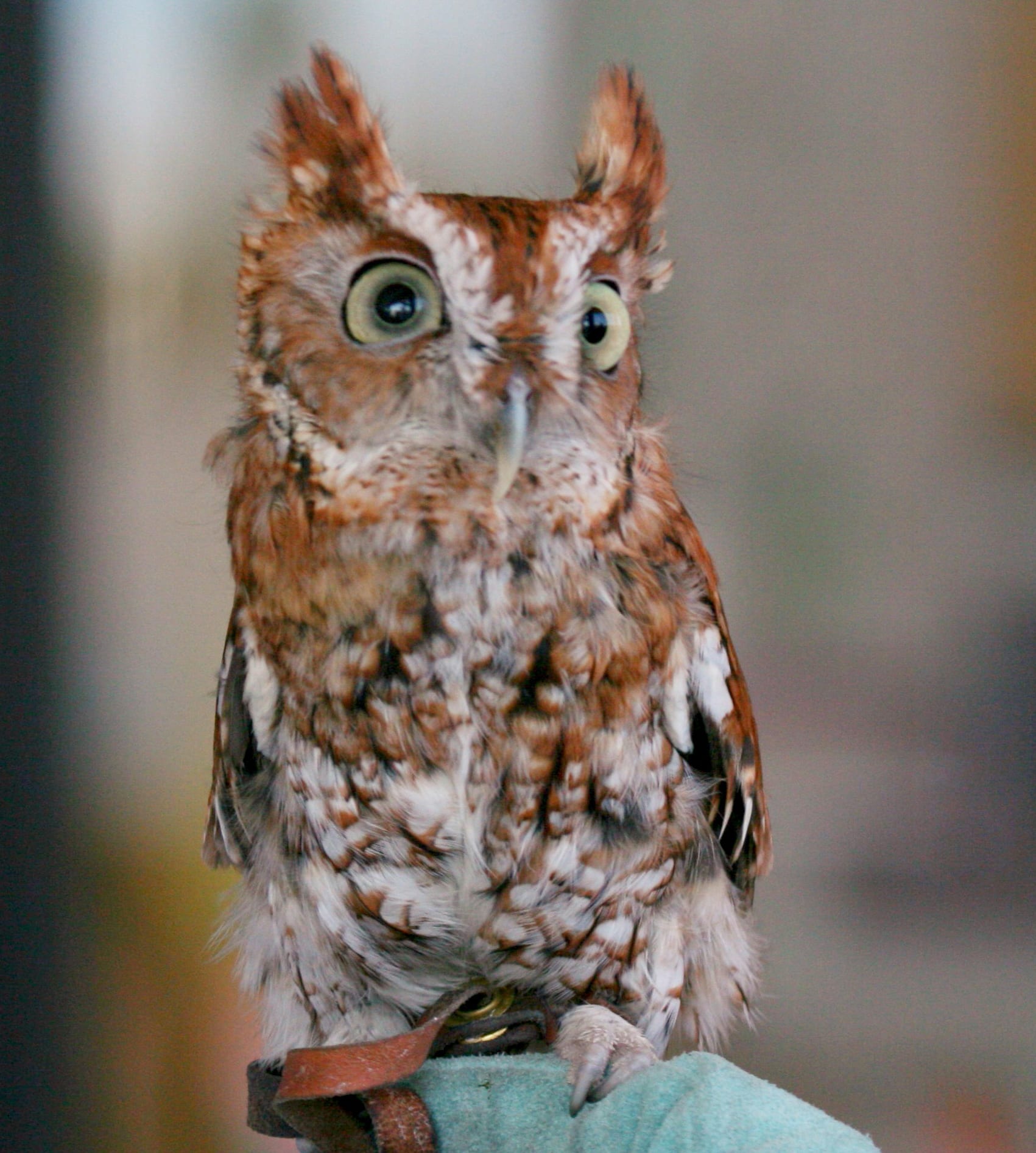
Source: Wikimedia Commons
Eastern Screech Owl
AdvancedMegascops asio
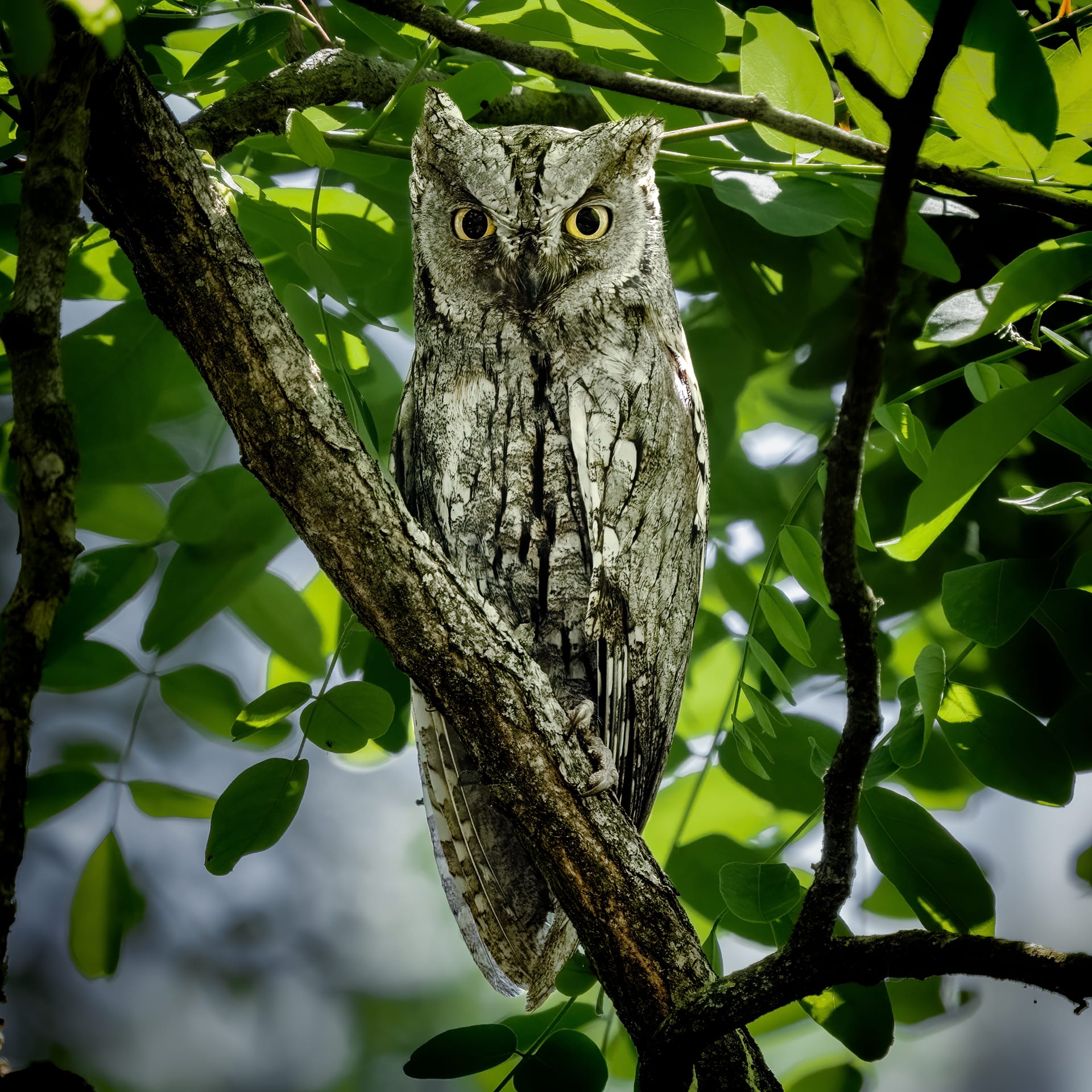
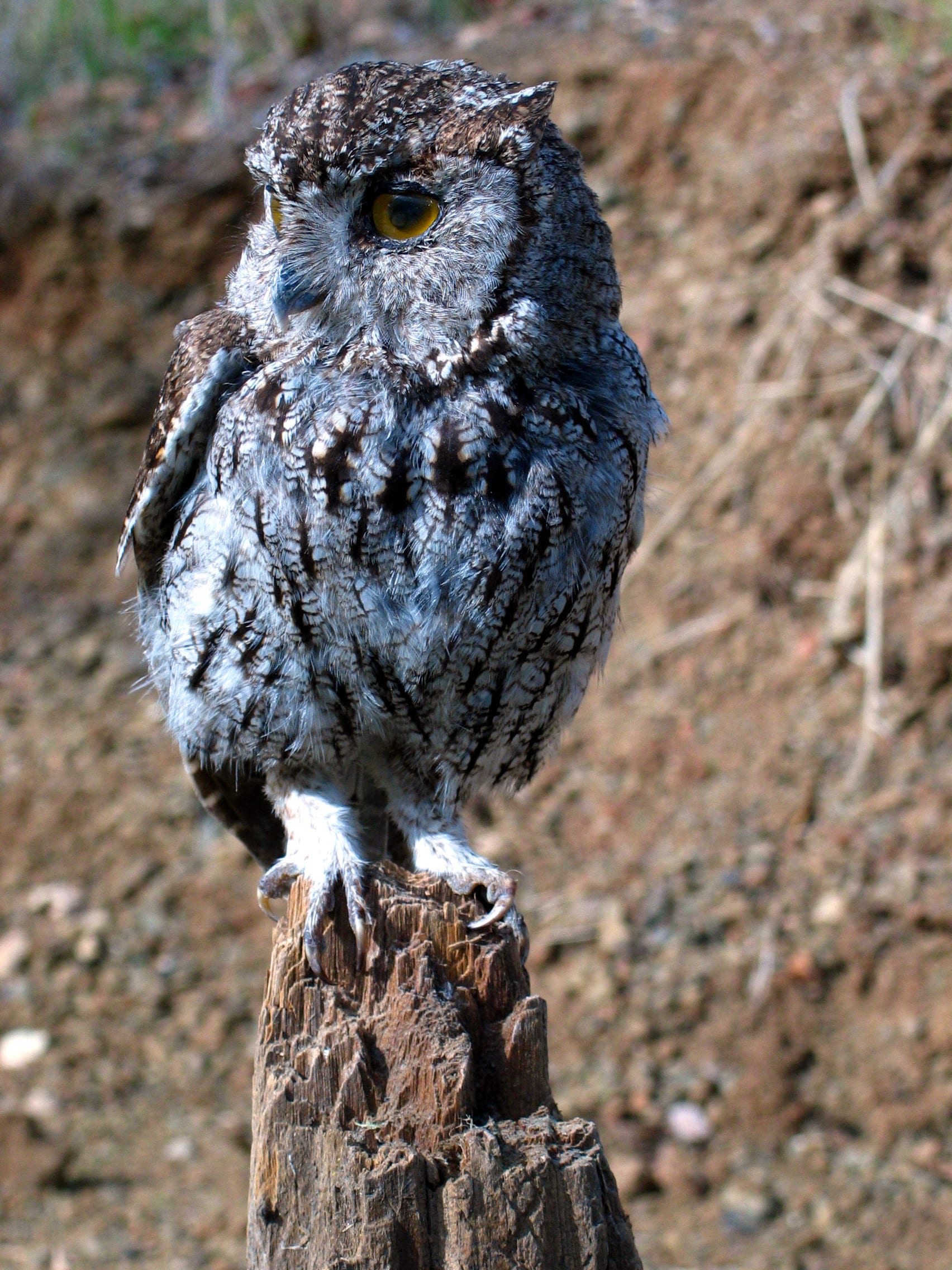
A stocky, short-tailed screech owl of eastern North America with grey and rufous morphs that adapts to wooded suburbs. It is among the heaviest screech owls, and birds have lived over 20 years in captivity.
Difficulty
Advanced
Temperature
15〜30℃
Lifespan
Over 20 years has been recorded in captivity, though wild birds seldom live that long
Size
16-25cm (121-244g)
Humidity
40〜60%
Diet
Insects, small mammals and small birds in the wild; frozen mice, day-old chicks and quail in captivity
About
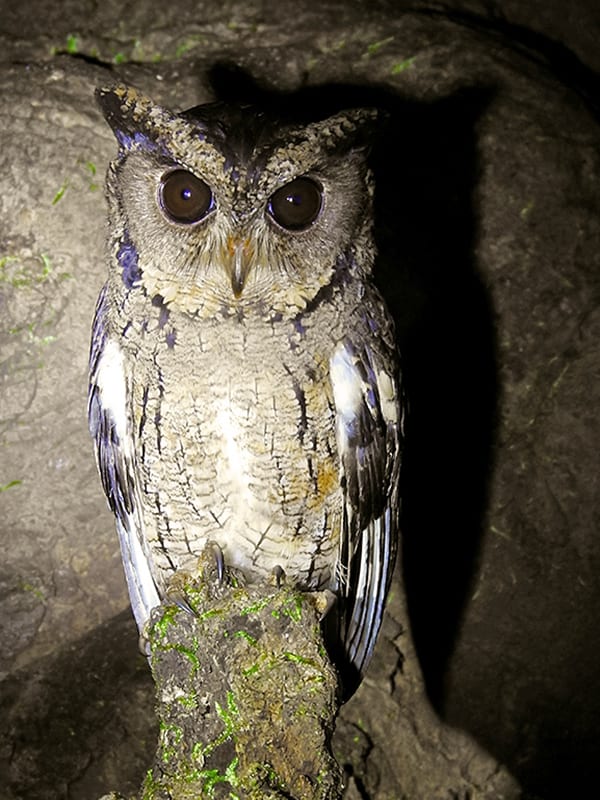
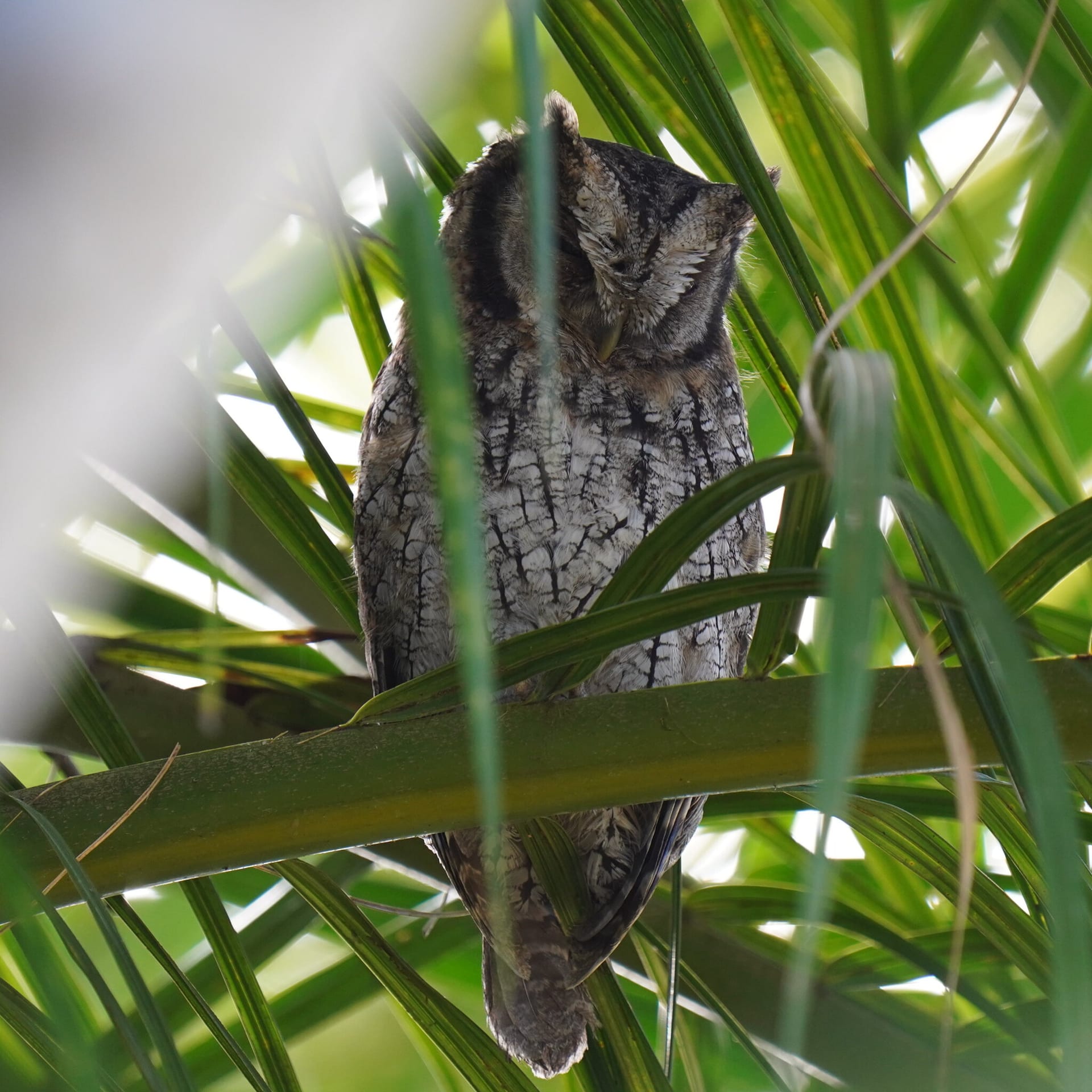
The eastern screech owl (Megascops asio) is a stocky, short-tailed owl found widely across eastern North America from Mexico to Canada. Two colour morphs occur, grey and rufous, in proportions that differ sharply between subspecies and regions. Five subspecies are usually recognised, although the taxonomy within the species is described as muddled. It lives in most woodland types across its range and is comparatively tolerant of urban and developed areas, often living close to people yet seldom seen because it is strictly nocturnal. The primary song ends in a tremulous whinny, a terminal flourish that only the subspecies mccallii lacks. Birds have lived more than 20 years in captivity, though wild individuals rarely reach such an age.
Source: Wikipedia (CC BY-SA 4.0)
Lifespan of the Eastern Screech Owl
The Eastern Screech Owl lives Over 20 years has been recorded in captivity, though wild birds seldom live that long.
Size of the Eastern Screech Owl
The Eastern Screech Owl grows to 16-25cm (121-244g).
It is 16-25 cm long and weighs 121-244 g, making it, with its western counterpart, among the heaviest of the screech owls.
Basic Info
Origin
Eastern North America, from Mexico to Canada
Lifespan
Over 20 years has been recorded in captivity, though wild birds seldom live that long
Size
16-25cm (121-244g)
Care Specifications
Semi-aggressivePair
Sources: Wikipedia - Eastern screech owl
References & Sources
Edited & verified by: BreederDirect editorial team
The taxonomic, regulatory, and husbandry data on this page are compiled and verified against the authoritative primary sources below.
Taxonomy & Authority
Accepted name: Megascops asio (Linnaeus, 1758)
Synonyms: Strix asio, Otus asio
Authority databases: GBIF
Nomenclature follows global taxonomic authority databases.
Regulations & Conservation Status
CITES Appendix IIIUCN LC · Least Concern
Megascops asio. The order Strigiformes is listed in CITES Appendix II except for species placed in Appendix I, so this species is Appendix II and international trade requires an export permit. It is not among Japan's designated dangerous animals.
Sources: CITES Appendices (Appendix II) / IUCN Red List / Cabinet Order under the Act on Welfare and Management of Animals, appended table (designated dangerous animals)
Regulations may change. Always verify the latest information with the relevant authorities.
Eastern Screech Owl Listings
Loading latest listingsFind listings for this species