Source: Wikimedia Commons
Tropical Screech Owl
AdvancedMegascops choliba
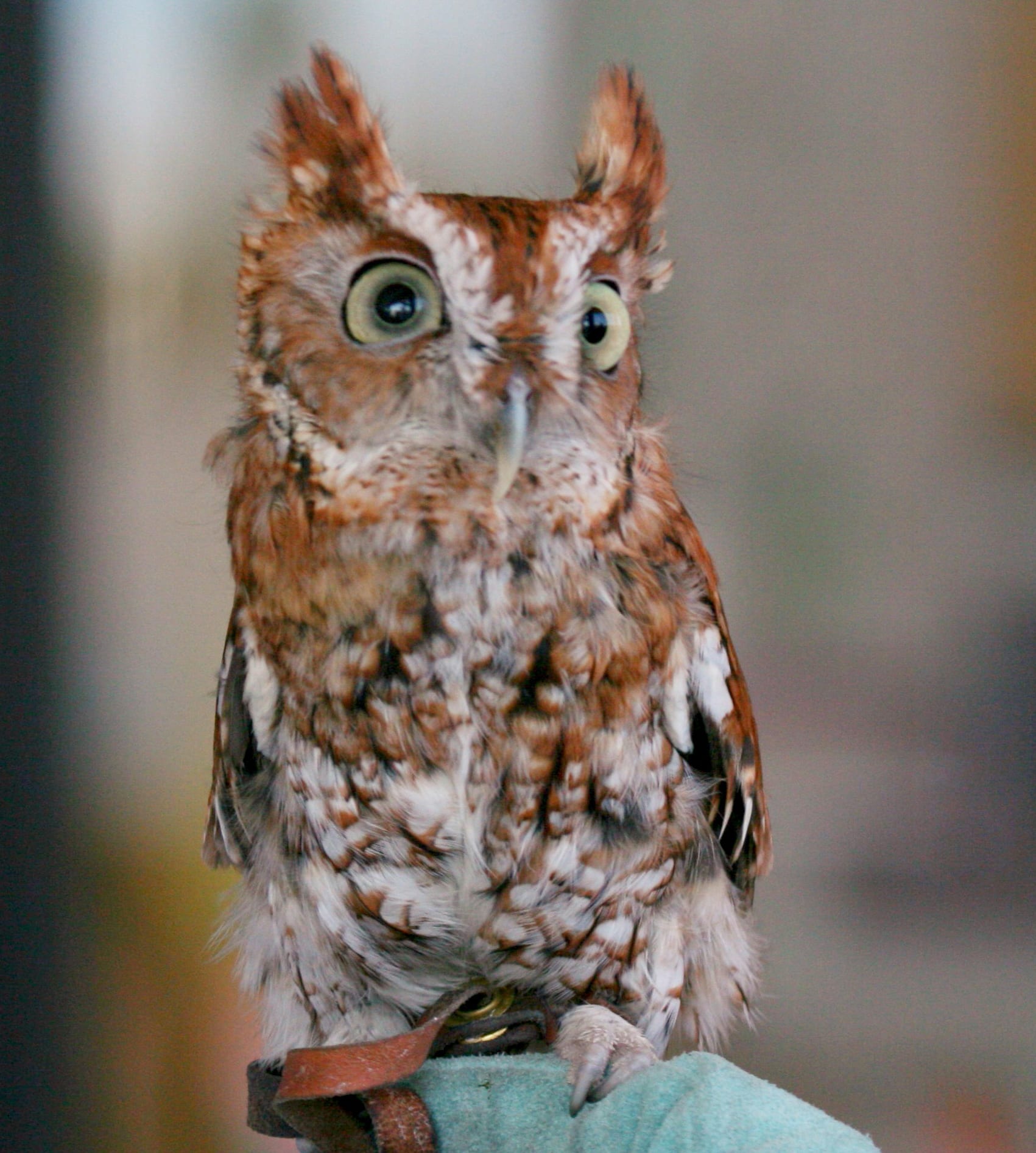
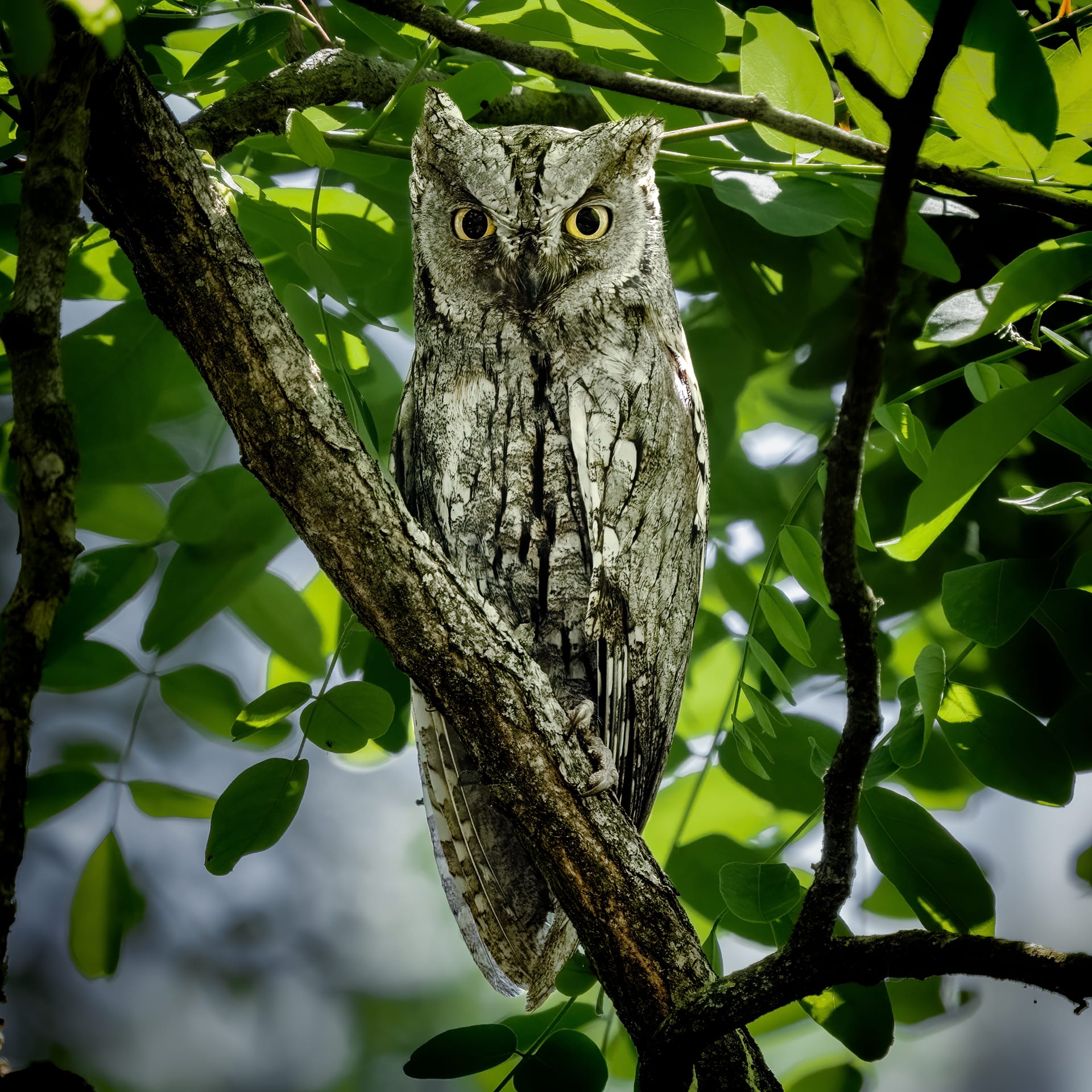
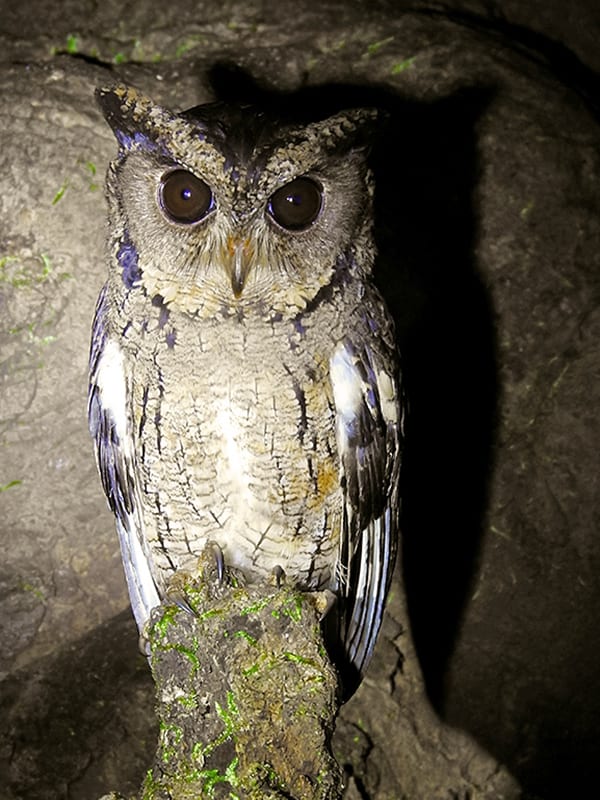
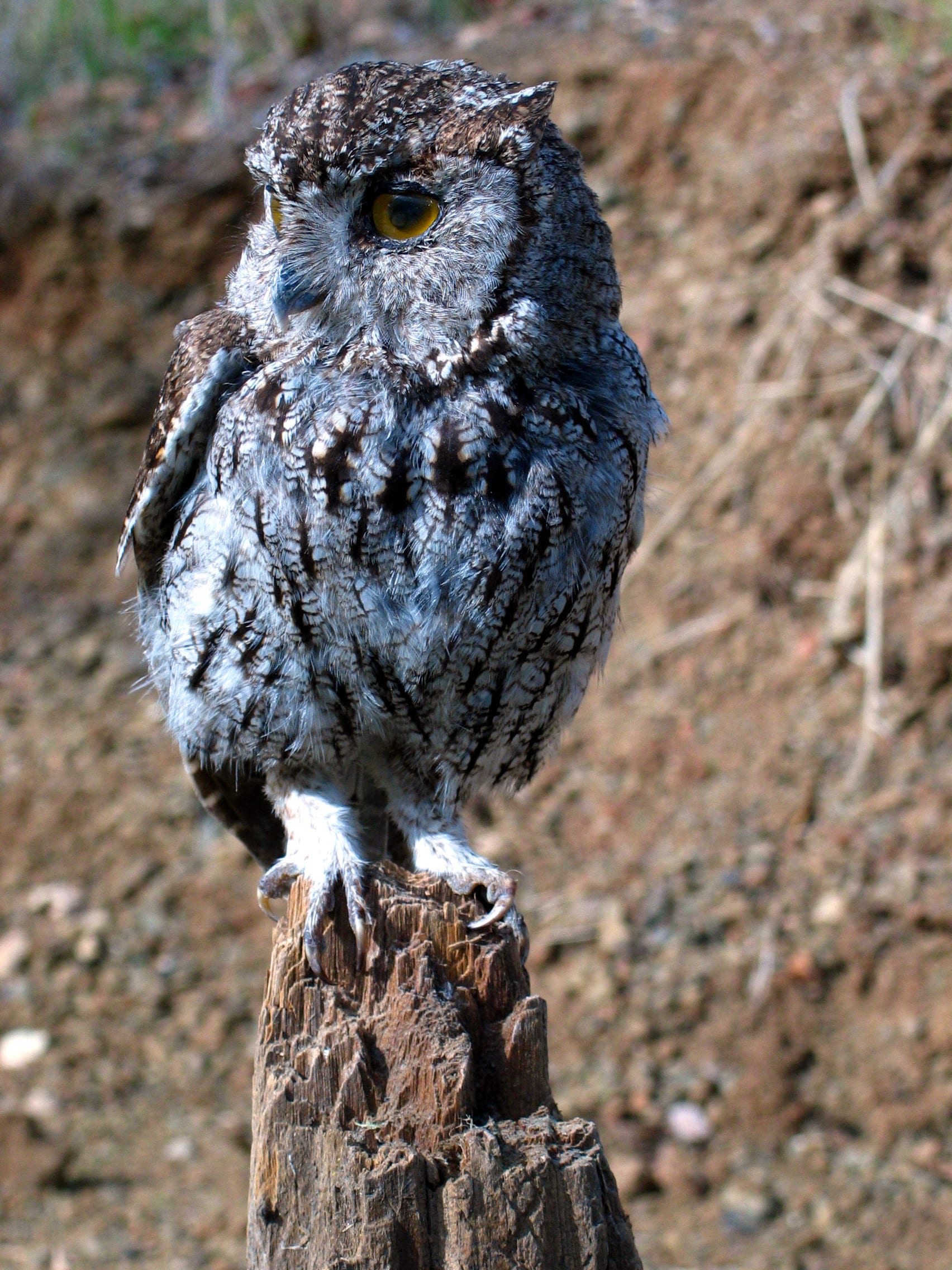
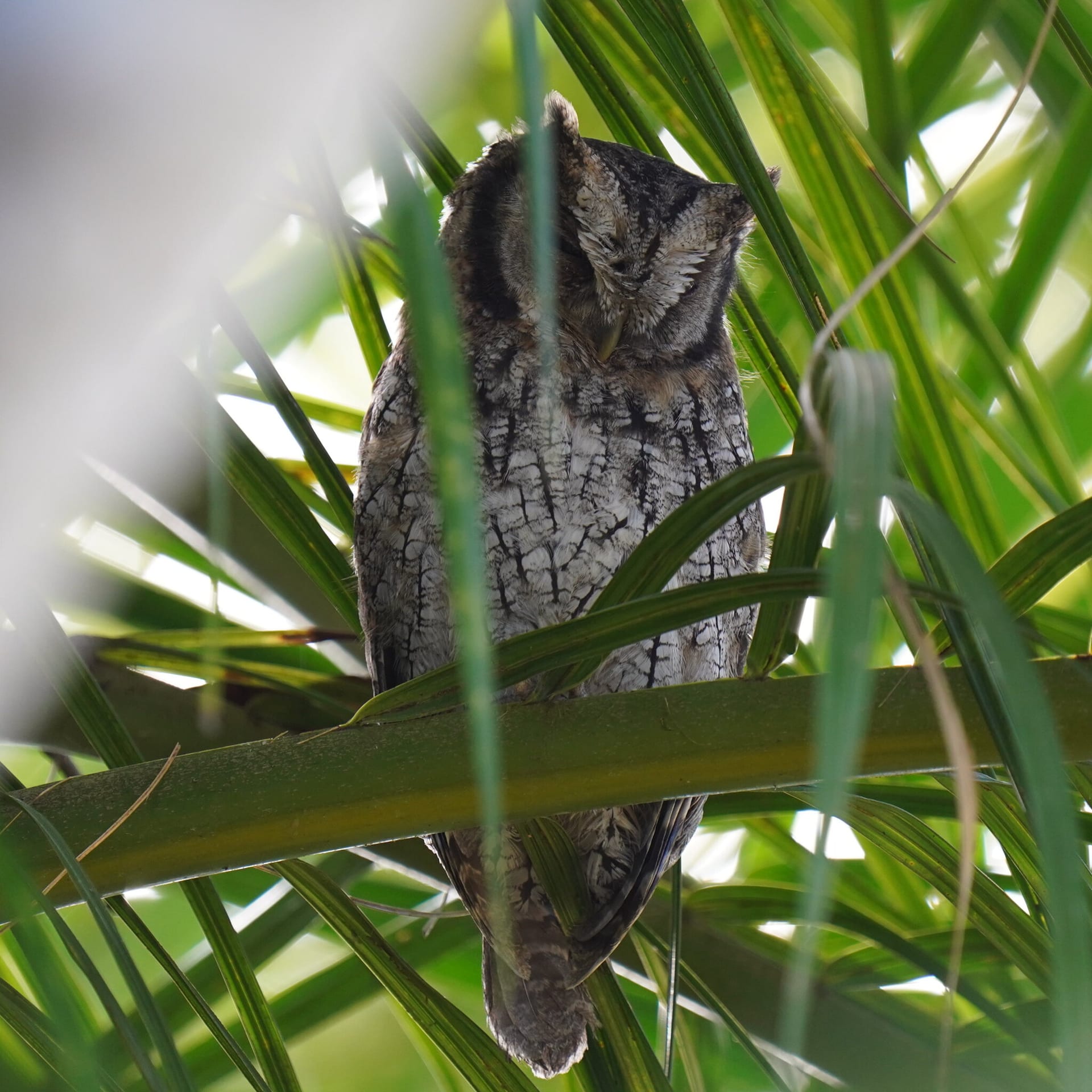
The commonest screech owl of the Neotropics. At 21-23 cm it is small, with ear tufts and yellow irises, and its plumage varies widely from grey to rufous birds. It nests in cavities and defends the nest fiercely.
Difficulty
Advanced
Temperature
15〜30℃
Lifespan
8-12 years
Size
21-23cm (97-160g)
Humidity
40〜60%
Diet
Insects and small vertebrates in the wild; frozen mice, day-old chicks and quail in captivity
About
The tropical screech owl (Megascops choliba) is a small owl of the genus Megascops and is described as the most common and widespread screech owl of the Neotropics. It occurs from Costa Rica and Panama south through Trinidad and Tobago and across almost all of mainland South America, almost entirely east of the Andes and not in the far south. It nests in cavities - natural holes, old woodpecker holes and nest boxes - with a clutch usually of one to three eggs and occasionally as many as six. At the nest it is markedly defensive, fluffing its plumage in display and sometimes striking humans with its claws. The primary song is a short purring trill followed by two accentuated clear notes, the female's version higher pitched, and a bubbling bubububu serves as a courtship song.
Source: Wikipedia (CC BY-SA 4.0)
Lifespan of the Tropical Screech Owl
The Tropical Screech Owl lives 8-12 years.
Size of the Tropical Screech Owl
The Tropical Screech Owl grows to 21-23cm (97-160g).
It is 21-23 cm long and weighs 97-160 g, with ear tufts and yellow irises, and it is strongly polymorphic, ranging from grey to rufous birds.
Basic Info
Origin
Central and South America, from Costa Rica and Panama through Trinidad across almost all of mainland South America east of the Andes
Lifespan
8-12 years
Size
21-23cm (97-160g)
Care Specifications
Semi-aggressivePair
Sources: Wikipedia - Tropical screech owl
References & Sources
Edited & verified by: BreederDirect editorial team
The taxonomic, regulatory, and husbandry data on this page are compiled and verified against the authoritative primary sources below.
Taxonomy & Authority
Accepted name: Megascops choliba (Vieillot, 1817)
Synonyms: Otus choliba, Strix choliba
Authority databases: GBIF
Nomenclature follows global taxonomic authority databases.
Regulations & Conservation Status
CITES Appendix IIIUCN LC · Least Concern
Megascops choliba. The order Strigiformes is listed in CITES Appendix II except for species placed in Appendix I, so this species is Appendix II and international trade requires an export permit. It is not among Japan's designated dangerous animals.
Sources: CITES Appendices (Appendix II) / IUCN Red List / Cabinet Order under the Act on Welfare and Management of Animals, appended table (designated dangerous animals)
Regulations may change. Always verify the latest information with the relevant authorities.
Tropical Screech Owl Listings
Loading latest listingsFind listings for this species