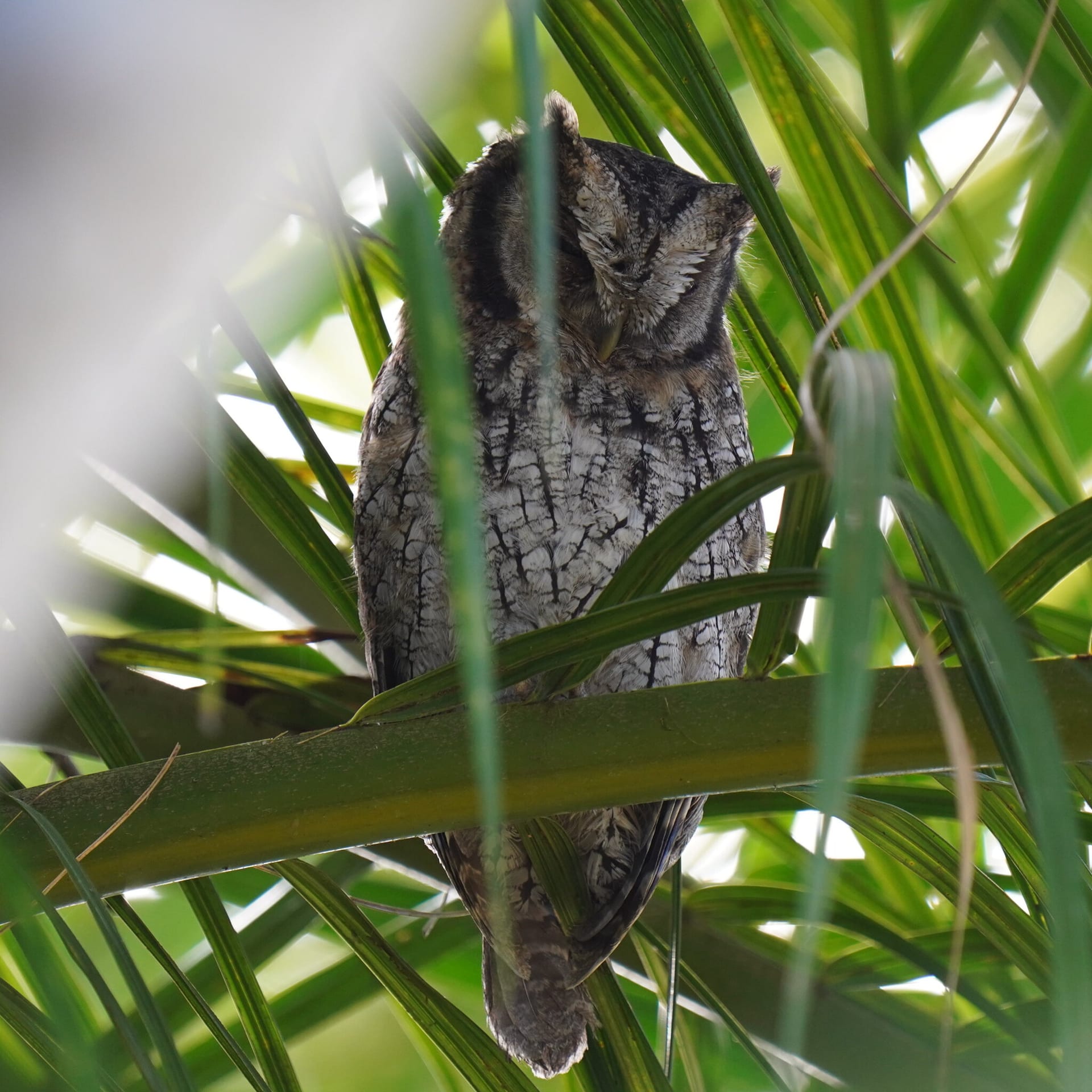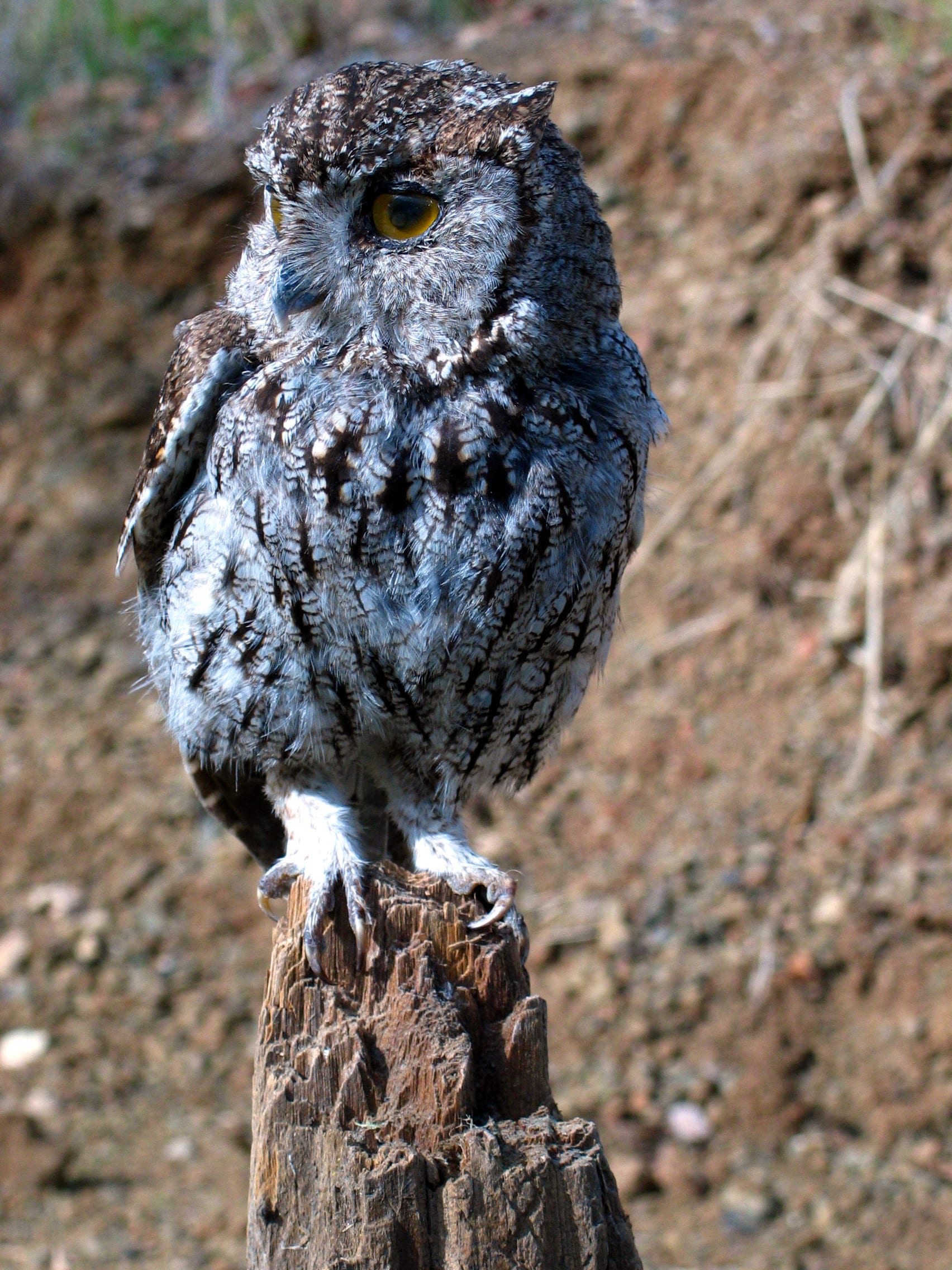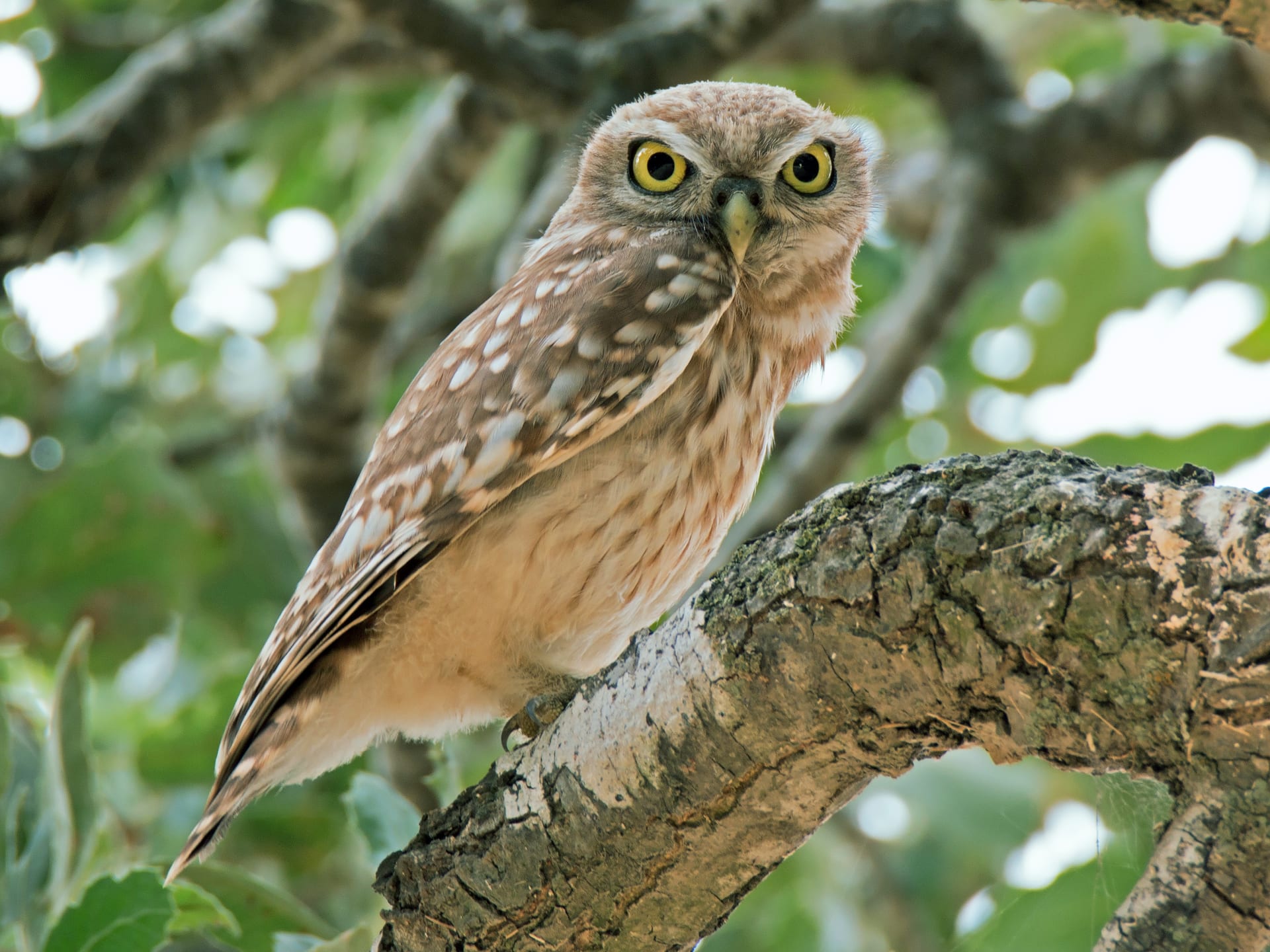
Source: Wikimedia Commons
Little Owl
AdvancedAthene noctua
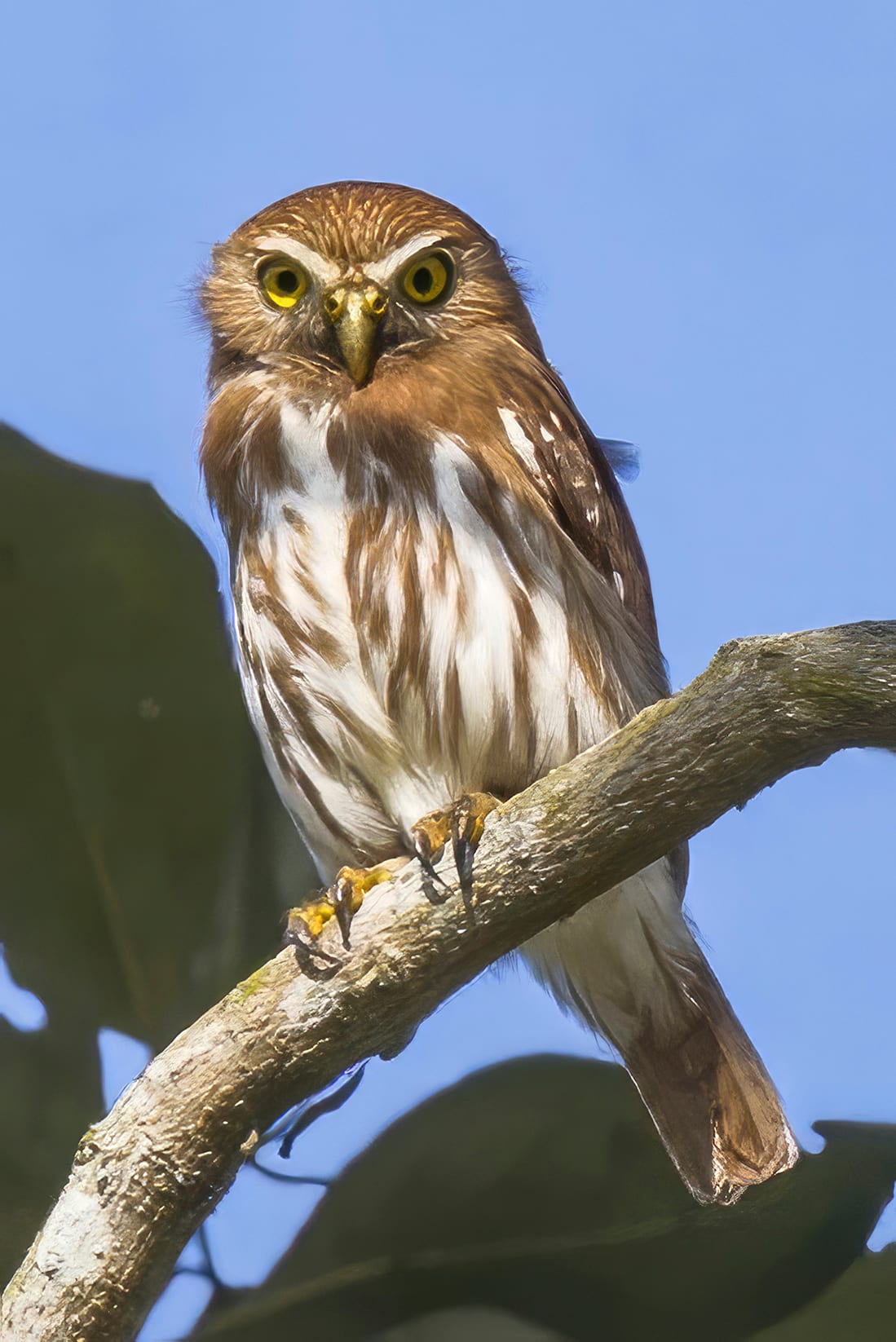
A small owl in the low twenties of centimetres, with a head and legs large for its body, yellow eyes and white brow markings. It is the bird of the goddess Athena. Mainly nocturnal, it is also active by day.
Difficulty
Advanced
Temperature
15〜30℃
Lifespan
15-20 years
Size
23-27.5cm
Humidity
40〜60%
Diet
Frozen mice, day-old chicks and insects such as crickets; in the wild insects, earthworms, other invertebrates and small vertebrates
About
The little owl (Athene noctua) inhabits temperate and warmer Europe, the Palearctic east to Korea, and North Africa. It is 23-27.5 cm long, brown above with white mottling and white below with brown streaking, and its head and legs are large for its body. The yellow eyes and white brow markings are characteristic, and it flies in an undulating manner like a woodpecker. Known as the owl of Athena or of Minerva, it lives in farmland, woodland fringes, steppe and semi-desert, and though mainly nocturnal it is also active by day. Males hold and defend territories. It nests in cavities in trees or rock, laying three to five eggs in spring; the female alone incubates for 28-29 days while the male brings food to her and later to the young, and once the chicks grow both parents hunt, the young leaving the nest at around four to seven weeks. Besides the nominate race, subspecies include lilith of the Middle East, desertae of North Africa and indigena of southeastern Europe and Anatolia. The species was introduced to Britain at the end of the nineteenth century and to the South Island of New Zealand in the early twentieth.
Source: Wikipedia (CC BY-SA 4.0)
Lifespan of the Little Owl
The Little Owl lives 15-20 years.
Size of the Little Owl
The Little Owl grows to 23-27.5cm.
Basic Info
Origin
Temperate and warmer Europe, the Palearctic east to Korea, and North Africa; introduced to Britain in the late nineteenth century and to New Zealand's South Island in the early twentieth
Lifespan
15-20 years
Care Specifications
Semi-aggressiveSolitary
Sources: Wikipedia - Little owl / Wikipedia - Little owl, Japanese edition (description, ecology, subspecies)
References & Sources
Edited & verified by: BreederDirect editorial team
The taxonomic, regulatory, and husbandry data on this page are compiled and verified against the authoritative primary sources below.
Taxonomy & Authority
Accepted name: Athene noctua (Scopoli, 1769)
Synonyms: Carine noctua, Strix noctua
Authority databases: GBIF
Nomenclature follows global taxonomic authority databases.
Regulations & Conservation Status
CITES Appendix IIIUCN LC · Least Concern
Athene noctua. The order Strigiformes is listed in CITES Appendix II except for species placed in Appendix I, so this species is Appendix II and international trade requires an export permit. It is not among Japan's designated dangerous animals.
Sources: CITES Appendices (Appendix II) / IUCN Red List / Cabinet Order under the Act on Welfare and Management of Animals, appended table (designated dangerous animals)
Regulations may change. Always verify the latest information with the relevant authorities.
Little Owl Listings
Loading latest listingsFind listings for this species