Source: Wikimedia Commons
Northern White-faced Owl
AdvancedPtilopsis leucotis
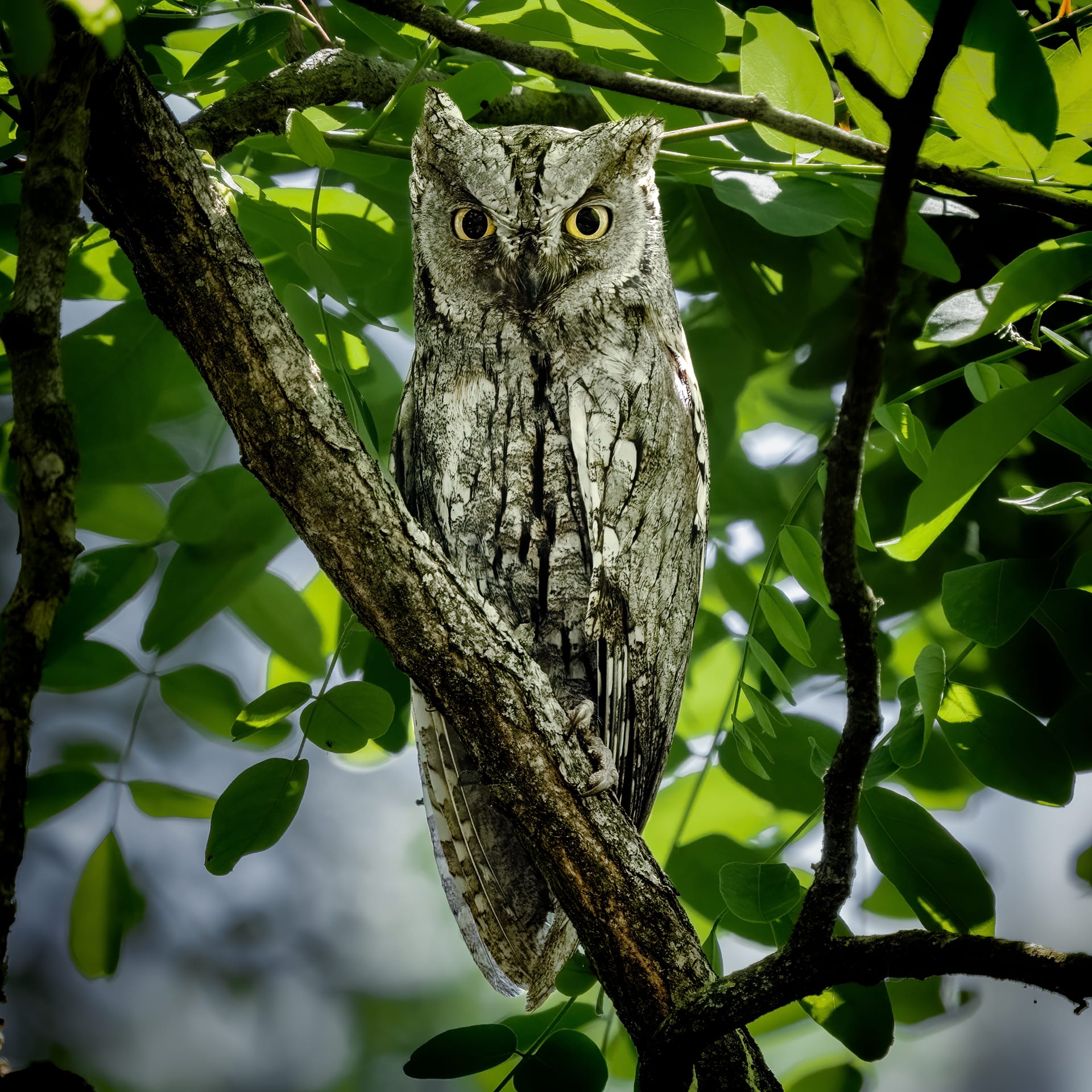
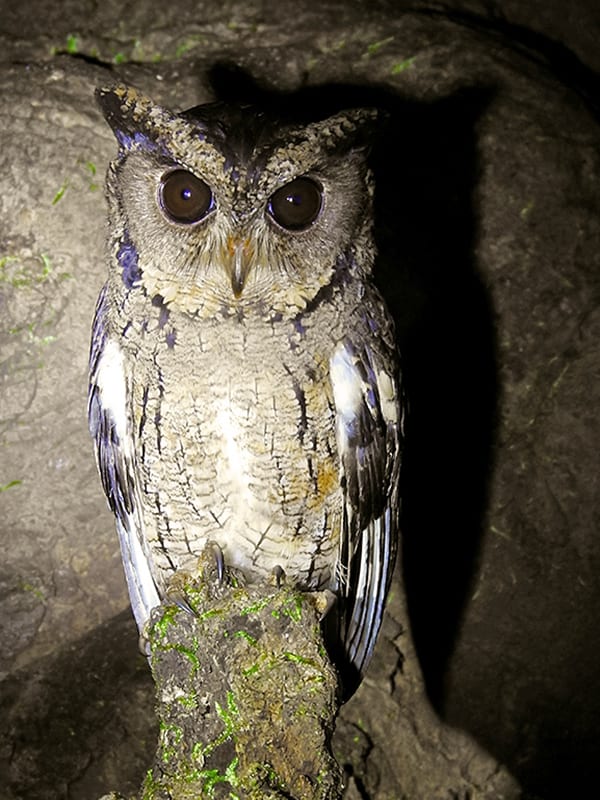
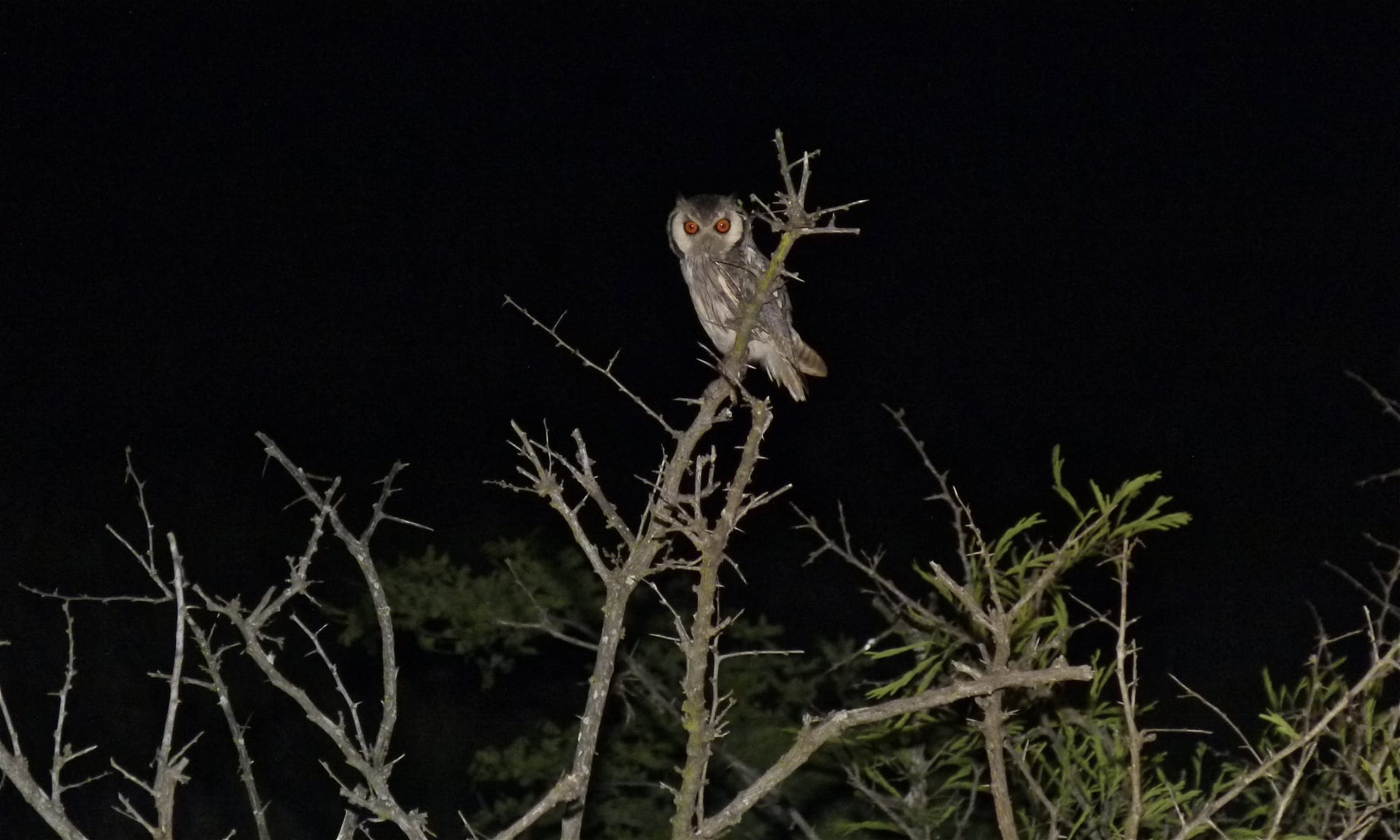
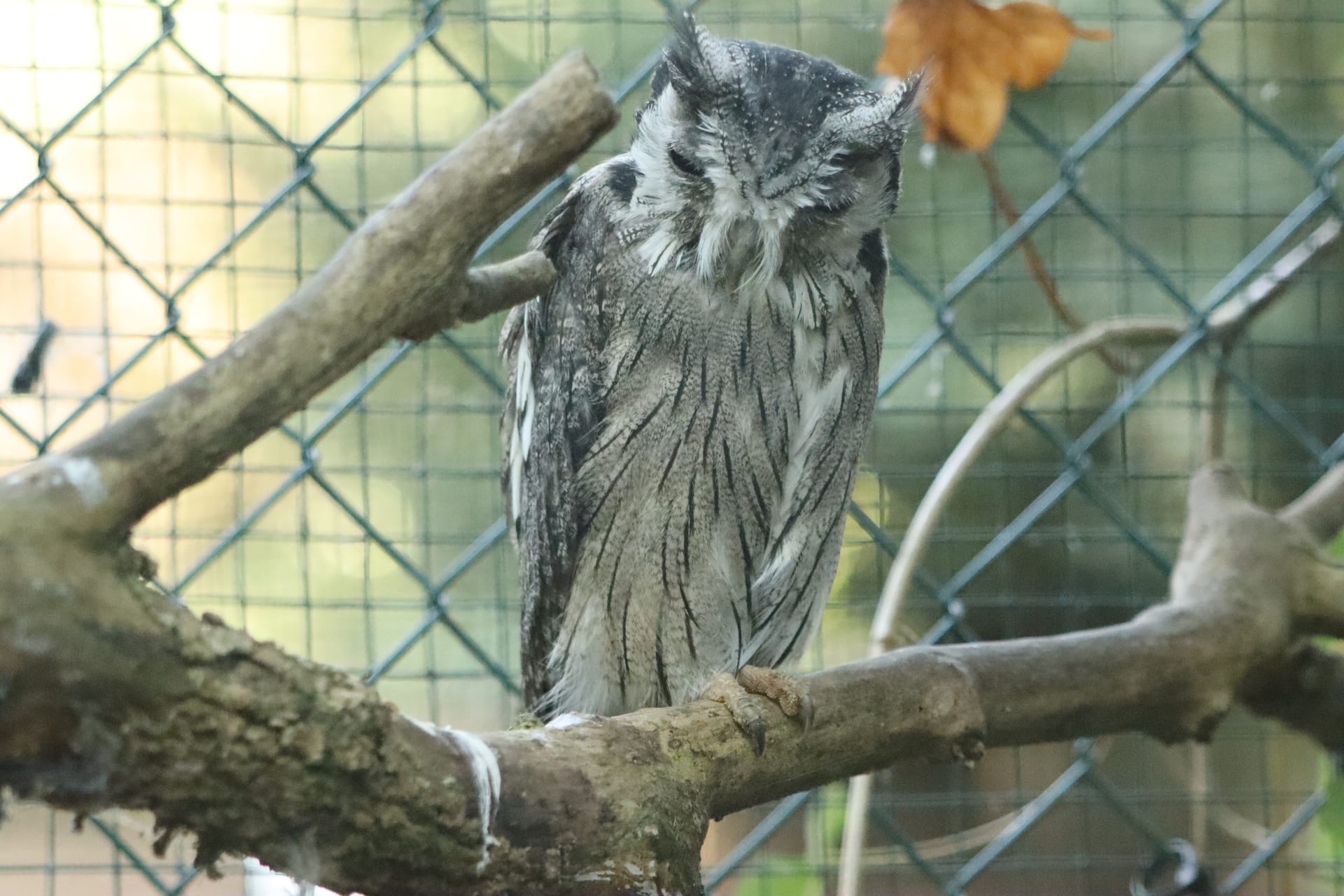
A small owl with a stark white face rimmed in black, large orange-yellow eyes and long ear tufts. It is highly strung and, when alarmed, compresses its plumage to mimic a broken branch.
Difficulty
Advanced
Temperature
15〜30℃
Lifespan
10-15 years
Size
19-24cm
Humidity
40〜60%
Diet
Frozen mice, day-old chicks and quail; in the wild mainly large insects
About
The northern white-faced owl (Ptilopsis leucotis) occupies a band across Africa between the Sahara and the Equator. It is 19-24 cm long, with a stark white face sharply rimmed in black, large orange-yellow eyes and long ear tufts, which is why it was long called the white-faced scops-owl - a name that formerly covered the southern white-faced owl (P. granti) as well, when the two were treated as one species. Its most striking trait is a graded defensive response: faced with a predator of its own size it flares its wings to look larger, while faced with something far bigger, such as an eagle, it draws its feathers in, elongates its body and narrows its eyes to slits, mimicking a broken branch. This concealing posture, known by the German term Tarnstellung, is shared with relatives such as the African scops owl. The bird is bold in manner but timid and highly strung, and deaths from stress in captivity have been reported, so the concealing posture - a last resort when the bird feels cornered - should never be provoked deliberately.
Source: Wikipedia (CC BY-SA 4.0)
Lifespan of the Northern White-faced Owl
The Northern White-faced Owl lives 10-15 years.
Size of the Northern White-faced Owl
The Northern White-faced Owl grows to 19-24cm.
Basic Info
Origin
Africa, in a band between the Sahara and the Equator
Lifespan
10-15 years
Size
19-24cm
Care Specifications
Semi-aggressiveSolitary
Sources: Wikipedia - Northern white-faced owl / Wikipedia - Northern white-faced owl, Japanese edition (morphology, behaviour)
References & Sources
Edited & verified by: BreederDirect editorial team
The taxonomic, regulatory, and husbandry data on this page are compiled and verified against the authoritative primary sources below.
Taxonomy & Authority
Accepted name: Ptilopsis leucotis (Temminck, 1820)
Synonyms: Otus leucotis
Authority databases: GBIF
Nomenclature follows global taxonomic authority databases.
Regulations & Conservation Status
CITES Appendix IIIUCN LC · Least Concern
Ptilopsis leucotis. The order Strigiformes is listed in CITES Appendix II except for species placed in Appendix I, so this species is Appendix II and international trade requires an export permit. It is not among Japan's designated dangerous animals.
Sources: CITES Appendices (Appendix II) / IUCN Red List / Cabinet Order under the Act on Welfare and Management of Animals, appended table (designated dangerous animals)
Regulations may change. Always verify the latest information with the relevant authorities.
Northern White-faced Owl Listings
Loading latest listingsFind listings for this species