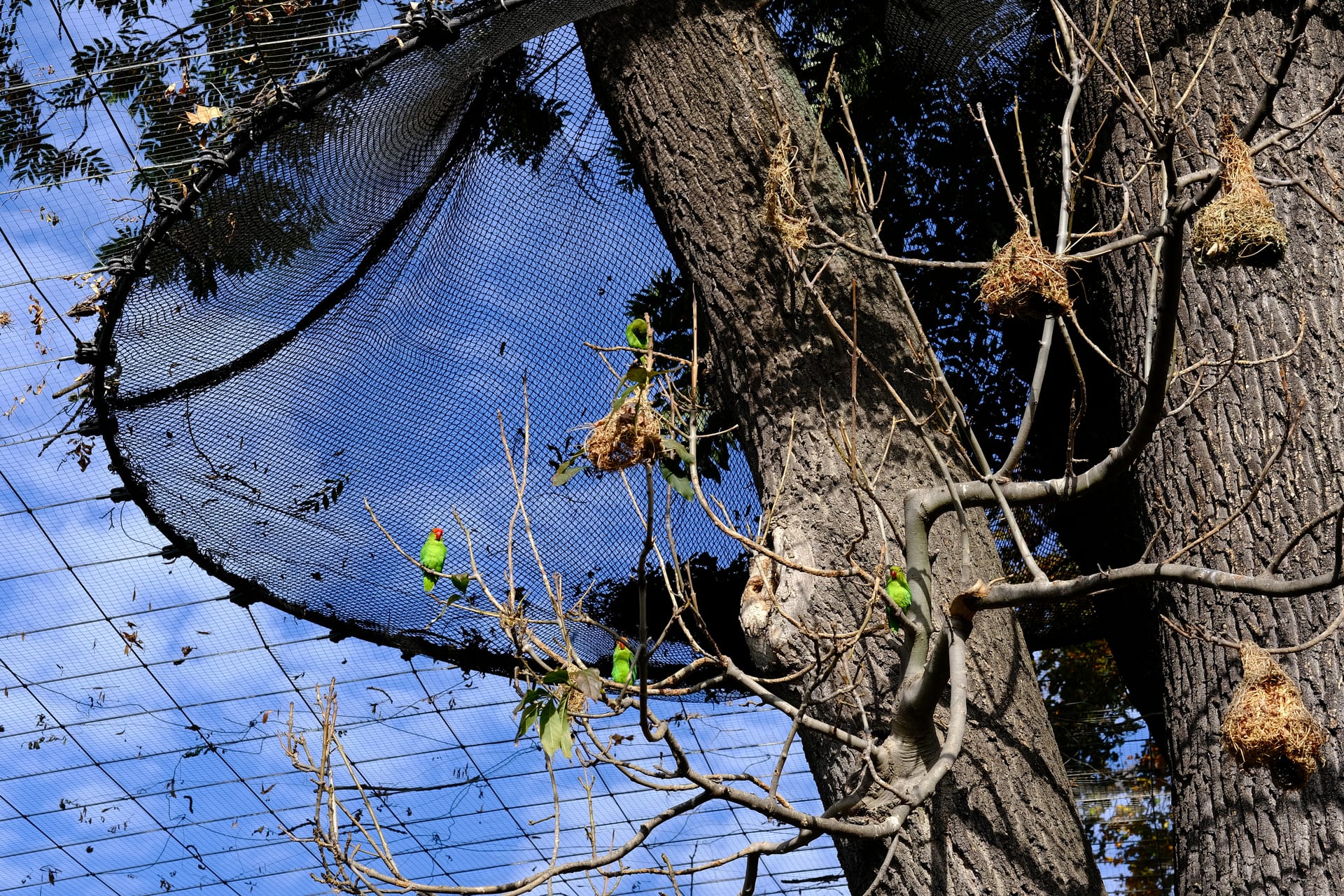
 © Dktue / CC0
Black-winged Lovebird
The Black-winged Lovebird is the largest species in the Agapornis genus, reaching about 16 to 16.5 cm in length. Its body is covered in vivid green, but only males wear a patch of red feathers across the forehead and around the eyes, making the sexes easy to tell apart at a glance. Native to the highlands and mountains of southern Eritrea through southwestern Ethiopia, it's adapted to a cooler climate than many of its lovebird relatives. Sociable and curious by nature, it can also be sensitive to its environment and how trust is built with its keeper, which is why this species is generally recommended for intermediate keepers with some prior bird-care experience.
View Black-winged Lovebird encyclopedia →0% commission on your first sales!Register by September 30, 2026 and your first 2 sales are commission-free!
Breeder Wanted!
List on BreederDirect and sell directly to customers nationwide!
Six Transparency Commitments from BreederDirect
All Birds listings include complete Breeder transparency: hand-raised status, DNA sex determination, and health certification details.
- Hand-Raised
- DNA Sex-Determined
- Health Certified
- Origin Disclosed
- Color Variation Specified
- Age in Months Disclosed
Browse all 247 breeds
Care Level
Verified breeders wanted for Birds
Breeders are signing up now ahead of launch. Subscribe to be notified when new listings go live.
Getting alerts is free with a member account. When new listings match your saved search, we'll notify you by email and in-app.
Browse other categories
Verified breeders (preview)
Black-winged Lovebird key facts
- Care level
- Intermediate
- Lifespan
- 15-20 years
- Size
- 16-16.5cm
- Diet
- Sunflower seed, corn, apple, figs, a parrot seed mix and greens
- Cage
- As the largest lovebird it needs a cage a size up from one meant for a peach-faced lovebird. Being a hole-nester, it takes readily to a nest box.
- Temperament
- Pair bonds are strong and birds defend the area around the nest box when breeding. Captive-bred birds are few, so temperament varies a good deal between individuals.
- Vocalization
- Like other lovebirds it repeats short, sharp calls, but it does not reach the volume of a large parrot.
- Notes
- As a highland species it tolerates cold fairly well, but captive breeding is on a small scale and birds are scarce, so check the breeding history of the source.
About Black-winged Lovebird
A guide to the Black-winged Lovebird, the largest Agapornis species — covering its looks, personality, and key care basics to know before bringing one home.
7 things to know before welcoming a Black-winged Lovebird
1Telling Males from Females
Male Black-winged Lovebirds are easily identified by the red feathers on their forehead and around their eyes, while females are solid green all over. This makes them one of the few parrot species where sex can be told apart by plumage alone.
2Cage Size for a Big Lovebird
At 16 to 16.5 cm, the Black-winged Lovebird is the largest species in the Agapornis genus, so a standard small-parrot cage can feel cramped. Choose a cage roomy enough for it to spread its wings comfortably.
3Highland Bird, Heat-Sensitive
This species originates from the highlands and mountains of southern Eritrea through southwestern Ethiopia, where it's adapted to relatively cool conditions. Japan's hot, humid summers can be tough on them, so pay attention to room temperature and ventilation.
4Bold Nature, Can Nip
Compared to other lovebirds, this species tends to have a bolder, more assertive temperament and may nip when startled or in a bad mood. Build trust gradually and let the bird set the pace rather than forcing contact early on.
5Chewing Needs Outlets
Like most parrots, Black-winged Lovebirds naturally chew on things with their beaks. Providing sturdy chew toys and perches gives them a healthy outlet and helps relieve stress.
6Basic Diet
A balanced diet centered on pellets or a quality seed mix, supplemented with vegetables and fruit, is the basic approach. Review and adjust what you feed regularly to avoid nutritional imbalances.
7Preparing Before Arrival
Before bringing your bird home, set up a quiet spot with stable temperature where it can settle in comfortably. If you already have other birds, introduce them gradually rather than housing them together right away.
Frequently asked questions about Black-winged Lovebird
- Q.Is the Black-winged Lovebird suitable for beginners?
- A.This species is generally considered better suited to intermediate keepers, as it can take some experience to handle well. It's a good idea to build up lovebird care knowledge before bringing one home.
- Q.How can you tell males and females apart?
- A.Males have red feathers on the forehead and around the eyes, while females are entirely green without that red coloring. This plumage difference makes sexing relatively straightforward.
- Q.How big do they get?
- A.Adults typically reach about 16 to 16.5 cm in length, making them the largest species among the lovebirds (Agapornis genus). Keep this size in mind when choosing a cage with enough room.
- Q.Can they be kept with other parrots?
- A.Because of their bolder temperament, they can sometimes clash with other birds depending on compatibility. If housing them together, introduce them gradually and watch closely for how they get along.
- Q.How well do they tolerate heat and cold?
- A.Coming from highland and mountainous regions, they tend not to do well in hot, humid conditions. Adjust room temperature and airflow as the seasons change.
Useful tools for Black-winged Lovebird care
Learn more about Black-winged Lovebird in the encyclopedia
View Black-winged Lovebird encyclopedia entry →
Care difficulty, lifespan, size and diet — all basics covered.
More in this category
Can't find the one you're looking for?
Post your wishes for free and breeders with matching animals will contact you with introductions.