Source: Wikimedia Commons
Black-winged Lovebird
IntermediateAgapornis taranta
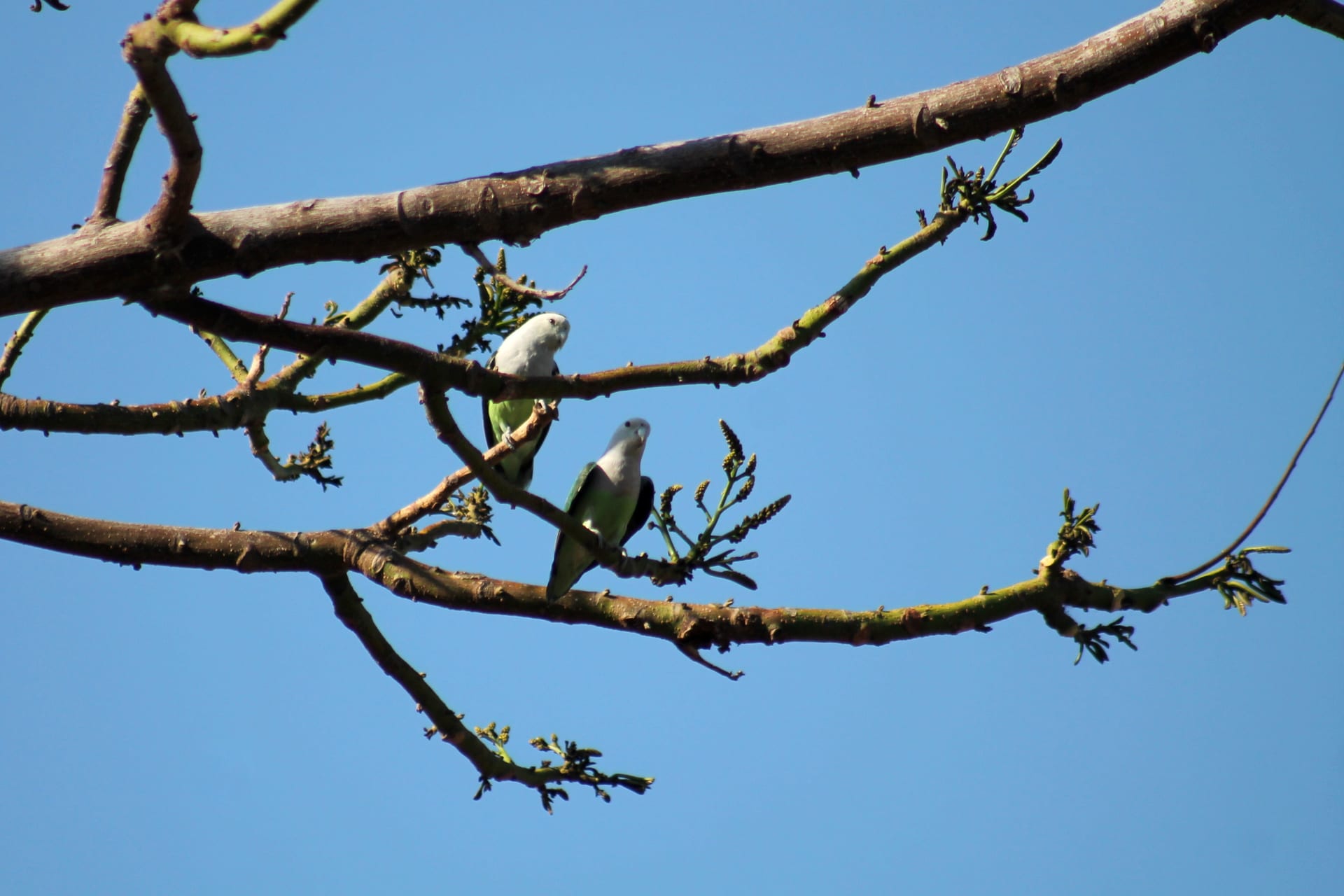
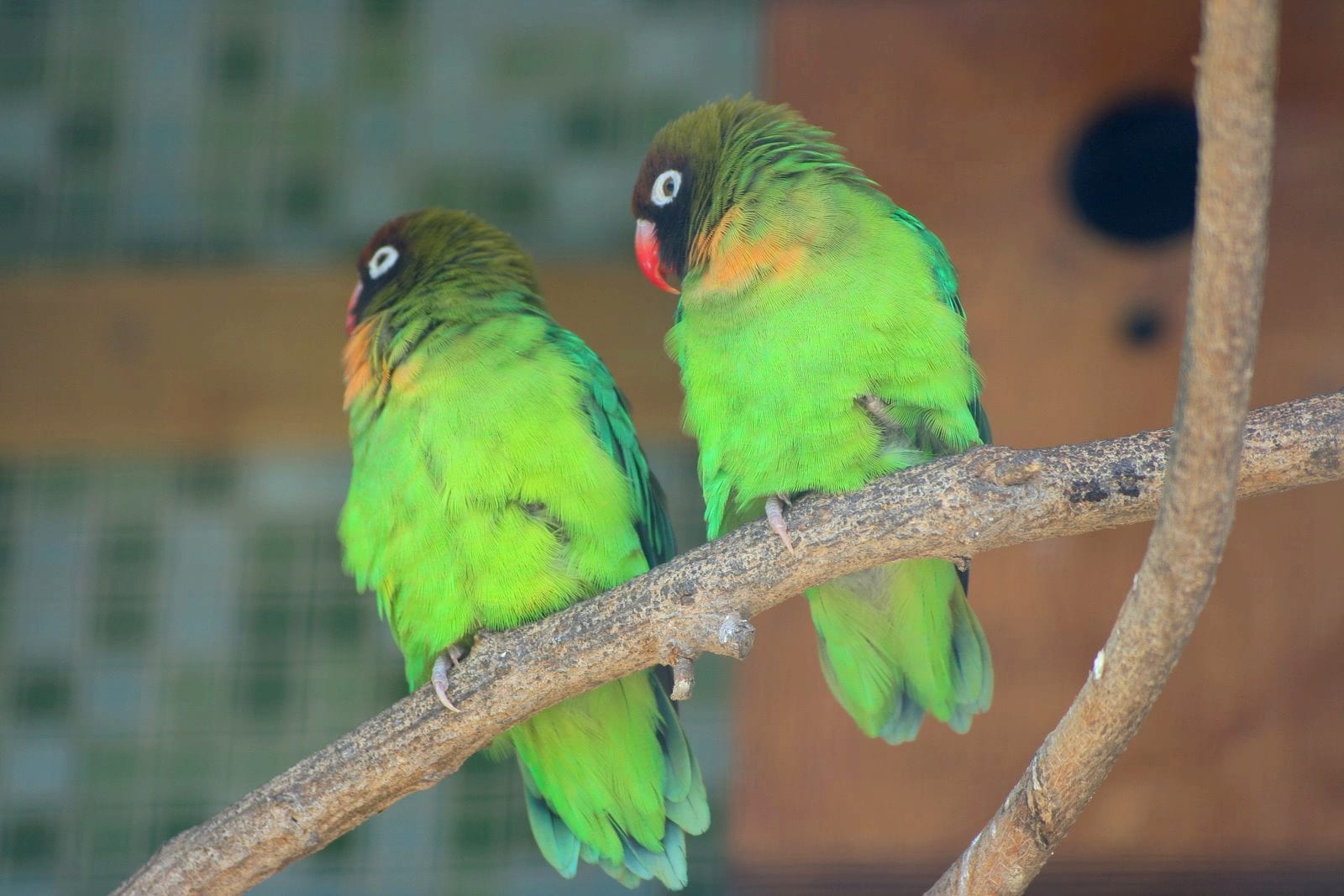
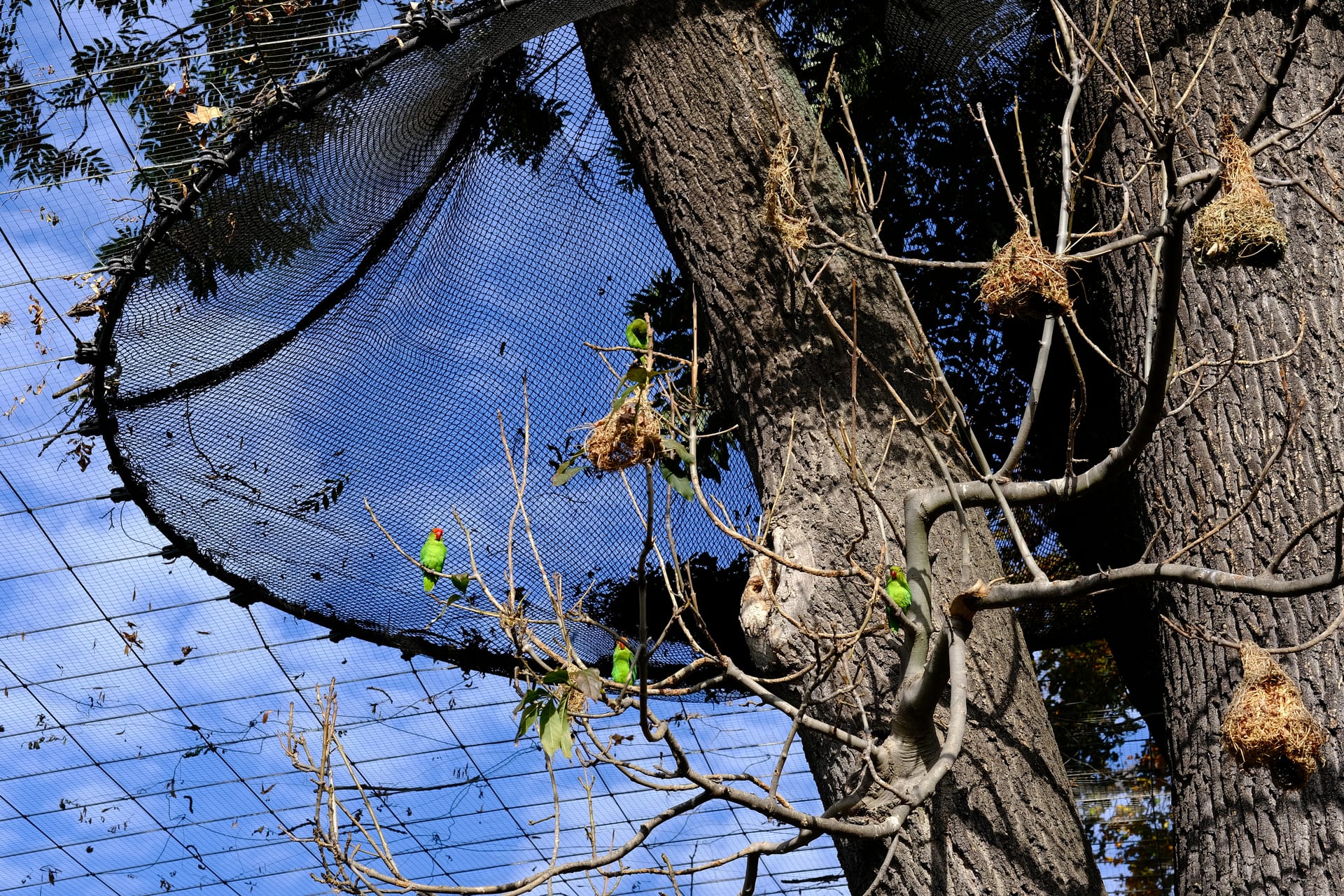
At 16 to 16.5 cm this is the largest of the lovebirds. The bird is green throughout, and only the male has a red forehead and a ring of red feathers around the eyes. It lives in the highlands of Eritrea and Ethiopia.
Difficulty
Intermediate
Temperature
15〜30℃
Lifespan
15-20 years
Size
16-16.5cm
Humidity
40〜60%
Diet
Sunflower seed, corn, apple, figs, a parrot seed mix and greens
About
The black-winged lovebird (Agapornis taranta) lives in the high plains and mountains from southern Eritrea to south-western Ethiopia. At 16 to 16.5 cm it is the largest species of lovebird. The sexes differ: the male has red feathers on the forehead and around the eyes, while the female's head is the same green as the rest of her, a difference that appears after the first moult at about eight or nine months. The tail is black-tipped, the undertail feathers are yellowish and the rump and uppertail coverts are light green. The feathers under the wing are black in the male and greenish or brownish black in the female. Both sexes have a red bill and grey feet. It nests in tree cavities and wall crevices, laying three or four white eggs; the female incubates for 23 days and the chicks fledge about 45 days after hatching. It is widespread and common across its range and the IUCN assesses it as Least Concern. It tolerates cold reasonably well, but captive breeding remains small in scale and it is uncommon as a pet.
Source: Wikipedia (CC BY-SA 4.0)
Lifespan of the Black-winged Lovebird
The Black-winged Lovebird lives 15-20 years.
Size of the Black-winged Lovebird
The Black-winged Lovebird grows to 16-16.5cm.
Basic Info
Origin
The high plains and mountains from southern Eritrea to south-western Ethiopia
Lifespan
15-20 years
Size
16-16.5cm
Care Specifications
References & Sources
Edited & verified by: BreederDirect editorial team
The taxonomic, regulatory, and husbandry data on this page are compiled and verified against the authoritative primary sources below.
Primary sources
- Wikipedia
- CITES Appendices (Psittaciformes spp. listed in Appendix II)
- Annex to Council Regulation (EC) No 338/97 as amended by Commission Regulation (EU) 2026/1383 (post-CoP20)
- IUCN Red List
- German Wikipedia - Tarantapapagei (16-17 cm, weight, sexual dimorphism)
- IOC World Bird List v15.2 (scientific name, authority, English name, range)
- GBIF
Taxonomy & Authority
Accepted name: Agapornis taranta (Stanley, 1814)
Synonyms: Psittacus taranta
Authority databases: GBIF
Nomenclature follows global taxonomic authority databases.
Regulations & Conservation Status
CITES Appendix IIIUCN LC · Least Concern
Agapornis taranta. CITES lists Psittaciformes spp. as a whole in Appendix II, excluding only Agapornis roseicollis, Melopsittacus undulatus, Nymphicus hollandicus and Psittacula krameri, so this species is covered. International trade in an Appendix II species requires an export permit from the exporting state; it is not among the Appendix I derived species that require registration under Japanese law. Agapornis roseicollis is one of the four excluded species, but this one is not, so it falls under Appendix II. The IUCN assesses it as Least Concern.
Sources: CITES Appendices (Psittaciformes spp. listed in Appendix II) / Annex to Council Regulation (EC) No 338/97 as amended by Commission Regulation (EU) 2026/1383 (post-CoP20) / IUCN Red List
Regulations may change. Always verify the latest information with the relevant authorities.
Black-winged Lovebird Listings
Loading latest listingsFind listings for this species