Source: Wikimedia Commons
Grey-headed Lovebird
AdvancedAgapornis canus
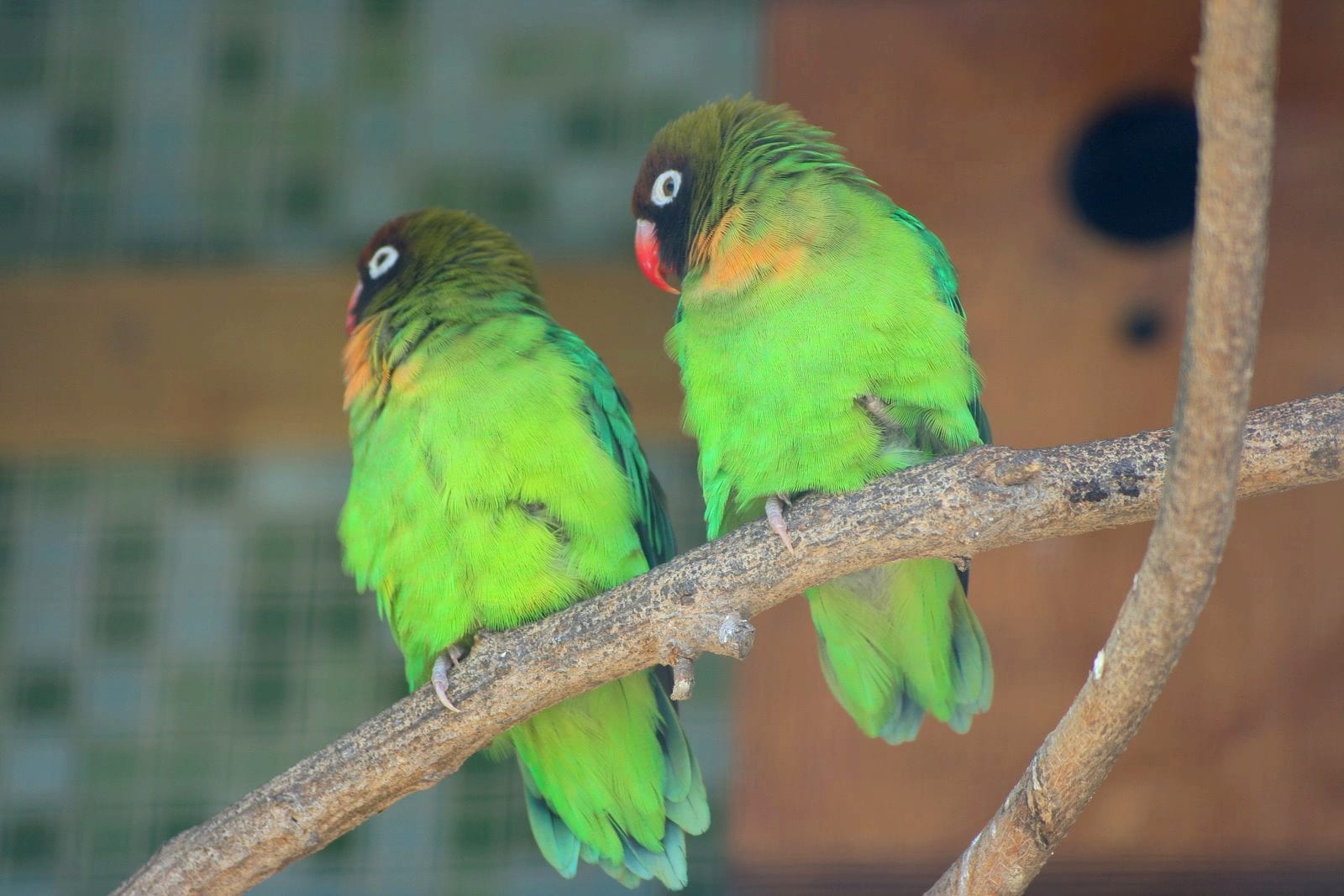
At 13 cm and 30 to 36 g this is the smallest lovebird. Only the male has the pale grey head and upper chest. Endemic to Madagascar, it is difficult to breed in captivity.
Difficulty
Advanced
Temperature
15〜30℃
Lifespan
8-12 years
Size
About 13cm
Humidity
40〜60%
Diet
Finch seed, canary seed, greens and a small amount of sunflower seed
About
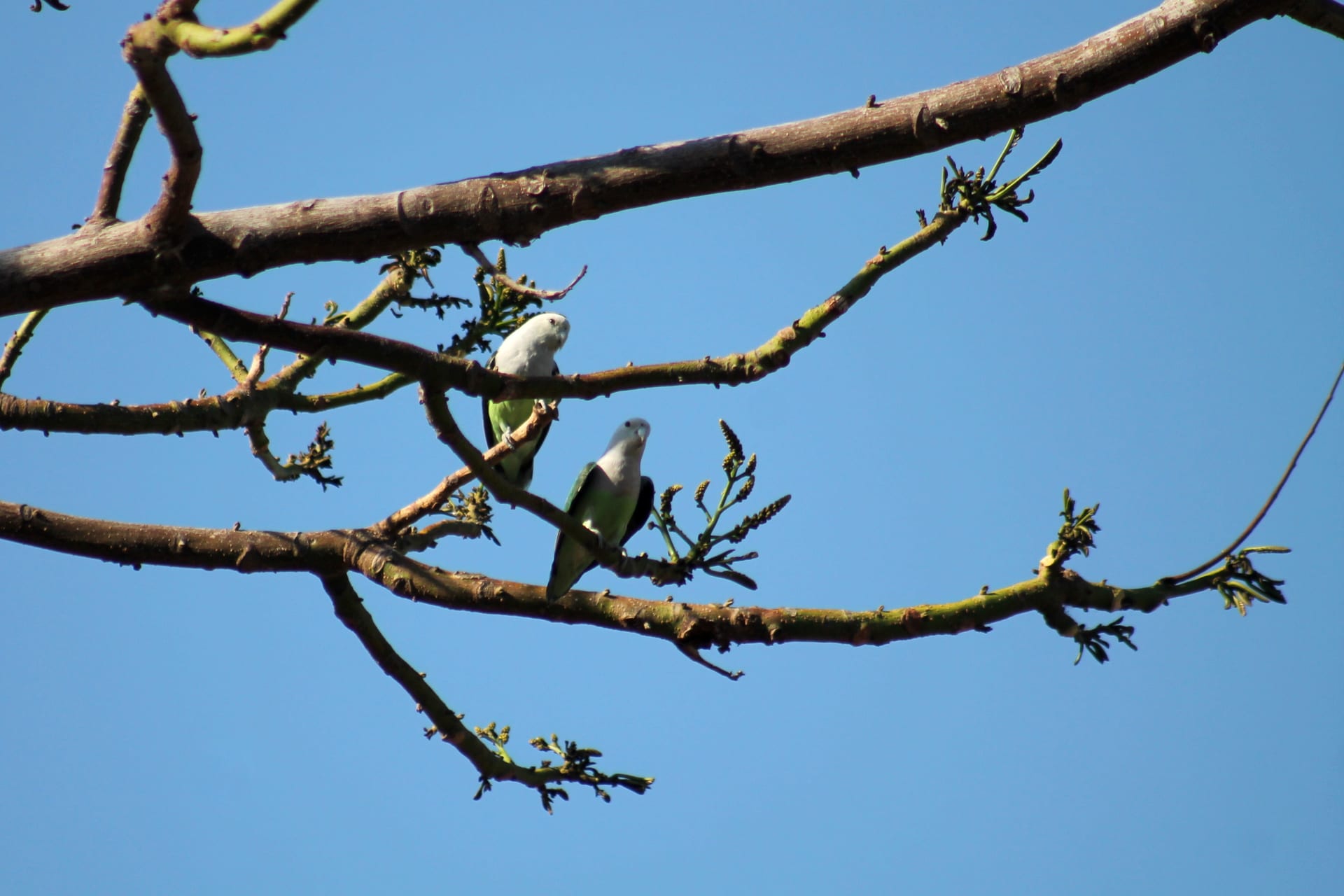
The grey-headed lovebird (Agapornis canus) is endemic to Madagascar and is the only lovebird that does not occur naturally on the African mainland. At about 13 cm and 30 to 36 g it is the smallest species in the genus. The sexes differ: the female is green throughout, with a dark green back and wings, a bright green rump and a paler green chest, while the male is coloured the same except that his whole head and upper chest are a soft pale grey, which gives the bird its English and Japanese names. The bill and feet are pale grey. Two subspecies are recognised, the nominate canus outside southern Madagascar and ablectaneus in the south. Its bill is small for its body and it prefers finch and canary seed to the sunflower and safflower that most lovebirds favour. It is a strong flier that accelerates easily and turns smoothly. Nervous and slow to tame, it is very rarely kept.
Source: Wikipedia (CC BY-SA 4.0)
Lifespan of the Grey-headed Lovebird
The Grey-headed Lovebird lives 8-12 years.
Size of the Grey-headed Lovebird
The Grey-headed Lovebird grows to About 13cm.
Basic Info
Origin
Madagascar, with the nominate form outside the south and a separate southern subspecies; probably introduced to the Comoros
Lifespan
8-12 years
Size
About 13cm
Temperature
Care Specifications
PeacefulPairBreeding: Very hard
Sources: Wikipedia - Grey-headed lovebird (13 cm, 30-36 g, sexual dimorphism, two subspecies, taxonomic history) / Japanese Wikipedia - Karukaya-inko (weight, temperament, preferred seed, flight, difficulty in aviculture) / German Wikipedia - Graukoepfchen (habitat, up to 1,500 m) / IOC World Bird List v15.2 (scientific name, authority, English name, range)
References & Sources
Edited & verified by: BreederDirect editorial team
The taxonomic, regulatory, and husbandry data on this page are compiled and verified against the authoritative primary sources below.
Primary sources
- Wikipedia
- CITES Appendices (Psittaciformes spp. listed in Appendix II)
- Annex to Council Regulation (EC) No 338/97 as amended by Commission Regulation (EU) 2026/1383 (post-CoP20)
- IUCN Red List
- Japanese Wikipedia - Karukaya-inko (weight, temperament, preferred seed, flight, difficulty in aviculture)
- German Wikipedia - Graukoepfchen (habitat, up to 1,500 m)
- IOC World Bird List v15.2 (scientific name, authority, English name, range)
- GBIF
Taxonomy & Authority
Accepted name: Agapornis canus (Gmelin, JF, 1788)
Synonyms: Psittacus canus, Agapornis cana
Authority databases: GBIF
Nomenclature follows global taxonomic authority databases.
Regulations & Conservation Status
CITES Appendix IIIUCN LC · Least Concern
Agapornis canus. CITES lists Psittaciformes spp. as a whole in Appendix II, excluding only Agapornis roseicollis, Melopsittacus undulatus, Nymphicus hollandicus and Psittacula krameri, so this species is covered. International trade in an Appendix II species requires an export permit from the exporting state; it is not among the Appendix I derived species that require registration under Japanese law. The IUCN assesses it as Least Concern. Export from Madagascar requires that country's permit.
Sources: CITES Appendices (Psittaciformes spp. listed in Appendix II) / Annex to Council Regulation (EC) No 338/97 as amended by Commission Regulation (EU) 2026/1383 (post-CoP20) / IUCN Red List
Regulations may change. Always verify the latest information with the relevant authorities.
Grey-headed Lovebird Listings
Loading latest listingsFind listings for this species