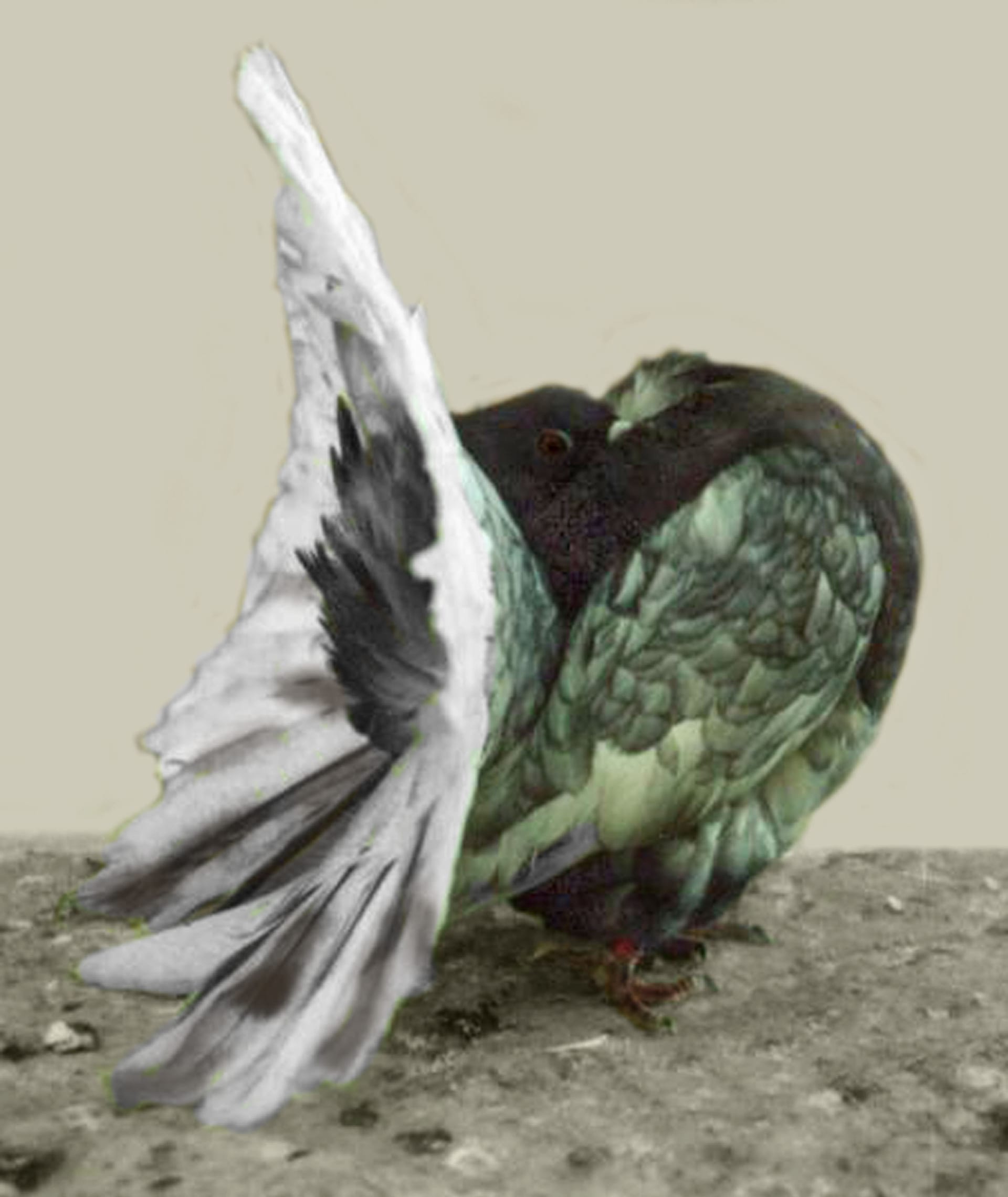
 © jim gifford / CC BY-SA 2.0
Fantail Pigeon
The Fantail Pigeon is an ornamental breed best known for its dramatically fanned tail, made up of 30 to 40 feathers — far more than the 12 to 14 typical of most pigeon breeds. Combined with its proud, upright stance and puffed-out chest, this creates a striking silhouette that's easy to appreciate up close. Its flying ability is limited, so it spends most of its time walking and strutting on the ground, making it simple to observe in a yard or aviary. Generally calm and people-friendly, the Fantail Pigeon is considered a good choice for first-time keepers.
View Fantail Pigeon encyclopedia →0% commission on your first sales!Register by September 30, 2026 and your first 2 sales are commission-free!
Breeder Wanted!
List on BreederDirect and sell directly to customers nationwide!
Six Transparency Commitments from BreederDirect
All Birds listings include complete Breeder transparency: hand-raised status, DNA sex determination, and health certification details.
- Hand-Raised
- DNA Sex-Determined
- Health Certified
- Origin Disclosed
- Color Variation Specified
- Age in Months Disclosed
Browse all 247 breeds
Care Level
Verified breeders wanted for Birds
Breeders are signing up now ahead of launch. Subscribe to be notified when new listings go live.
Getting alerts is free with a member account. When new listings match your saved search, we'll notify you by email and in-app.
Browse other categories
Verified breeders (preview)
Fantail Pigeon key facts
- Care level
- Beginner-friendly
- Lifespan
- About 15 years
- Size
- Average length 28cm and average weight 369g (figures for the Indian Fantail)
- Diet
- Pigeon grain mixes, wheat, pulses, greens and grit
- Cage
- Because the birds fly poorly, a wide floor and low nest shelves suit them better than high perches. Clutches are of two eggs and a pair may begin the next clutch about 21 days after the first hatch, so provide more than one nest shelf.
- Temperament
- They move mainly on the ground and tame readily. Pigeon flyers use the breed as droppers, placing them on the loft landing board when training racing pigeons and Tipplers.
- Vocalization
- The voice is the low cooing of the rock dove, quiet enough that it rarely causes trouble even in shared housing.
- Notes
- The large tail soils easily, so keep the litter dry. Free-living rock doves in Japan are covered by the Wildlife Protection Act, and taking, killing or removing the eggs of such birds is in principle not permitted.
About Fantail Pigeon
The Fantail Pigeon is an ornamental breed with a fanned tail of 30-40 feathers and an upright, chest-out stance. Ground-dwelling with limited flight, it's a small, beginner-friendly bird averaging 28cm and 369g.
7 things to know before welcoming a Fantail Pigeon
1A Tail of 30-40 Feathers
The Fantail Pigeon's tail contains 30 to 40 feathers, far more than the 12 to 14 typical of most pigeon breeds. This unusually high feather count is what allows the tail to fan out so dramatically, giving the breed its signature look.
2Built to Walk, Not Fly
The large, heavy tail limits the breed's flying ability, so most of its activity happens on the ground. Plan enclosure space around room to walk and strut rather than height for flight.
3A Proud, Upright Stance
Fantail Pigeons carry themselves with a distinctive upright posture, chest pushed out and head drawn back. Combined with the fanned tail, this stance gives the breed real presence as an ornamental pigeon.
4Beginner-Friendly to Keep
This breed is generally considered suitable for first-time keepers. Even so, it's worth brushing up on basic pigeon care fundamentals before bringing one home.
5A Compact, Small-Bodied Bird
On average, Fantail Pigeons measure about 28cm in length and weigh around 369g, making them a relatively small and compact breed. Keep this in mind when sizing an enclosure.
6Keep the Tail Area Clean
Because the tail spreads so wide, it tends to brush against the ground or flooring and pick up dirt more easily. Keeping the living space clean and checking the tail regularly helps keep it in good condition.
7Prepare a Ground-Level Space
Since flying ability is limited, set up a spacious, low-obstacle area where the bird can move around comfortably on the ground before bringing one home. It's also a good idea to ask the breeder about the environment the bird has been kept in.
Frequently asked questions about Fantail Pigeon
- Q.Is the Fantail Pigeon suitable for beginners?
- A.Yes, this breed is generally considered beginner-friendly, making it approachable even for first-time pigeon keepers. That said, it's still worth learning the basics of pigeon care before bringing one home.
- Q.Why does its tail spread so widely?
- A.Most pigeon breeds have around 12 to 14 tail feathers, but the Fantail Pigeon has 30 to 40. This unusually high feather count is what lets the tail fan out so dramatically.
- Q.Can Fantail Pigeons fly?
- A.Their large, heavy tail limits their flying ability. Day to day, they mostly move around on the ground rather than flying.
- Q.How big do Fantail Pigeons get?
- A.On average, they measure about 28cm in length and weigh around 369g, making them a small, compact bird (based on measurements of the Indian Fantail).
- Q.Are there any legal restrictions on keeping a Fantail Pigeon?
- A.The Fantail Pigeon is not subject to CITES.
Useful tools for Fantail Pigeon care
Learn more about Fantail Pigeon in the encyclopedia
View Fantail Pigeon encyclopedia entry →
Care difficulty, lifespan, size and diet — all basics covered.
More in this category
Can't find the one you're looking for?
Post your wishes for free and breeders with matching animals will contact you with introductions.