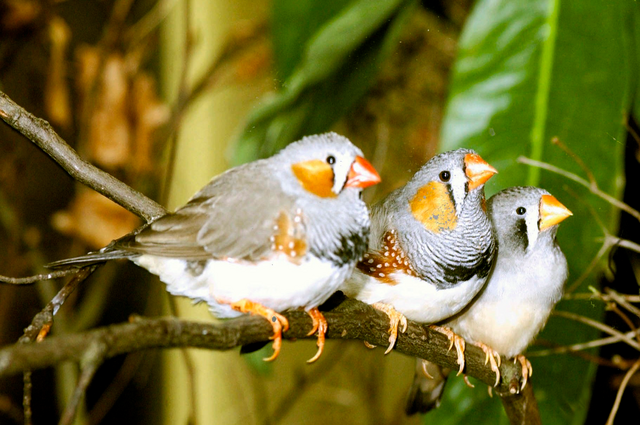
 © see source / CC BY 2.5
Zebra Finch
Zebra Finches are among the most popular small finches for beginner bird keepers, prized for their hardiness and easy adaptability. Males are especially charming, with distinctive orange cheek patches and bold black-and-white stripes running from the eyes down the cheeks, making it simple to tell males from females at a glance. Their quiet chirping makes them a reasonable choice even in apartment settings, and they breed fairly readily, which appeals to keepers interested in raising a pair or small flock. Adults measure around 10 to 12 cm and typically live 5 to 8 years. Many individuals become quite tame, and their lively, active nature makes them a joy to watch up close.
View Zebra Finch encyclopedia →0% commission on your first sales!Register by September 30, 2026 and your first 2 sales are commission-free!
Breeder Wanted!
List on BreederDirect and sell directly to customers nationwide!
Six Transparency Commitments from BreederDirect
All Birds listings include complete Breeder transparency: hand-raised status, DNA sex determination, and health certification details.
- Hand-Raised
- DNA Sex-Determined
- Health Certified
- Origin Disclosed
- Color Variation Specified
- Age in Months Disclosed
Browse all 247 breeds
Care Level
Verified breeders wanted for Birds
Breeders are signing up now ahead of launch. Subscribe to be notified when new listings go live.
Getting alerts is free with a member account. When new listings match your saved search, we'll notify you by email and in-app.
Browse other categories
Verified breeders (preview)
Zebra Finch key facts
- Care level
- Beginner-friendly
- Lifespan
- 5-8 years
- Size
- 10-12cm
- Temperature
- 15〜30℃
- Diet
- Finch seed mix, greens
- Cage
- Wide cage ideal — allows flight enjoyment
- Temperature & Humidity
- Tolerates a fairly wide 15–30°C range and is as hardy as a budgerigar; still avoid extreme heat or cold.
- Diet & Feeding
- Feed small seeds as the staple with greens and boiled egg. To prevent iron storage disease, do not overfeed fruit or iron-rich foods.
- Breeding & Egg-laying
- Best kept in pairs; adding a pot nest makes breeding easy. The breeding cycle is fast, so numbers grow quickly unless controlled.
- Health & Cautions
- Common illnesses include crop inflammation and iron storage disease (hemochromatosis). Keeping a flock lets you observe natural social behavior.
About Zebra Finch
A hardy, beginner-friendly small finch. Males have distinctive orange cheek patches and quiet chirping. Lifespan is 5-8 years; adults reach about 10-12 cm.
7 things to know before welcoming a Zebra Finch
1Choosing the Right Cage
Zebra Finches prefer moving horizontally, so a wide cage is more suitable than a tall, narrow one. Arrange perches at varied heights and spacing to give them room to flutter and move around. If keeping more than one bird, provide enough perches for everyone to rest comfortably.
2A Social, Flock-Oriented Bird
In the wild, Zebra Finches live in flocks, so keeping a pair or small group tends to suit their natural behavior better than housing a single bird alone. If you do keep just one, spending extra time interacting with it can help make up for the lack of flockmates. Watching them chatter and interact with each other is one of the pleasures of keeping more than one.
3Daily Feeding Basics
The staple diet is a finch seed mix, supplemented regularly with leafy greens to help round out their nutrition. Fresh water should be changed daily, and it's worth checking often for leftover food or a buildup of husks in the seed dish. Appetite and preferences vary between individuals, so adjust feeding based on what you observe day to day.
4Living With Their Chirping
Zebra Finches aren't loud birds and their calls are on the quieter side, but they aren't silent either — they can chatter fairly actively during waking hours. If you live in an apartment, it's still worth thinking about cage placement and your daily schedule around their active periods.
5Easy to Breed
Zebra Finches are known for breeding fairly readily once conditions are right. If you'd rather avoid unplanned breeding, decide your approach in advance — for example, skipping nesting materials or keeping males and females separate. If you do plan to breed them, think through the care of the chicks as part of your plan, not just the pairing.
6Watching for Health Changes
Getting familiar with your bird's normal feather condition, appetite, and activity level makes it easier to notice when something's off. If you notice unusual signs that persist — such as being unusually still or puffed up for an extended period — it's worth consulting a veterinarian experienced with birds.
7Preparing Before You Bring One Home
Setting up the cage, perches, feeders, and water dish before your bird arrives helps ease the transition to its new environment. Choose a spot away from direct sunlight, sharp temperature swings, and heavy foot traffic. Give it some quiet time to settle in once it arrives, rather than handling it right away.
Frequently asked questions about Zebra Finch
- Q.Is the Zebra Finch suitable for beginners?
- A.Yes, they're hardy and adapt well to captivity, which is why they're often recommended for first-time bird keepers. That said, they still need consistent daily care — proper diet, a clean cage, and attention to their condition. It helps to understand their basic needs before bringing one home.
- Q.How long do Zebra Finches live?
- A.Their typical lifespan is about 5 to 8 years. Individual lifespan varies, and consistent care along with a well-maintained environment goes a long way toward keeping them healthy long-term.
- Q.How can I tell males from females?
- A.Males have distinctive orange cheek patches and more clearly defined black-and-white striping. Females are more plainly colored and lack the cheek markings. Once they reach adulthood, the difference is usually easy to spot.
- Q.Are Zebra Finches noisy?
- A.They don't have a loud, piercing call, and are generally on the quieter side for a finch. That said, they can chatter fairly actively during waking hours, so they're not completely silent.
- Q.Is it okay to keep just one?
- A.Since they're naturally flock birds, keeping a pair or small group tends to suit them better than a single bird. If you do keep just one, making time for regular interaction can help.
Useful tools for Zebra Finch care
Learn more about Zebra Finch in the encyclopedia
View Zebra Finch encyclopedia entry →
Care difficulty, lifespan, size and diet — all basics covered.
Zebra Finch related articles
Complete Guide to Finch Breeding | Breeding Tips for Java Sparrows, Bicheno's Finches, and Zebra Finches
Explains breeding methods for finches (Java Sparrows, Bicheno's Finches, Zebra Finches, etc.). A detailed guide covering nest box types, egg laying management, hatching, chick rearing, and environmental setup for breeding season.
Zebra Finch Breeding and Chick Rearing Guide | Practical Steps for Pairing, Egg-Laying, Hatching, and Hand-Feeding
A practical guide for successful Zebra Finch breeding. This guide covers pair selection, nest box setup, incubation management, parent-rearing of chicks, hand-feeding (hand-rearing), common failure causes, and solutions in detail.
Estrildid Finch Flock Care Guide | Management and Breeding of Common Waxbills and Zebra Finches
Detailed guide to flock keeping of Estrildid finches including Common Waxbills, Zebra Finches, and Spice Finches. Covers flight cage sizing and perch placement, seed mixture and supplemental food management, quarantine procedures for introducing new birds, handling territorial disputes, and breeding procedures—all explained for beginners.
Complete Guide to Keeping Zebra Finches and Diamond Doves | Breeding and Flock Raising of Small Birds
Explains how to care for small finches and doves such as Zebra Finches and Diamond Doves. Covers raising methods for pairs and flocks, nestbox installation and egg management, why their quiet calls make them suitable for apartments, and detailed introduction to color mutation varieties.
More in this category
Can't find the one you're looking for?
Post your wishes for free and breeders with matching animals will contact you with introductions.