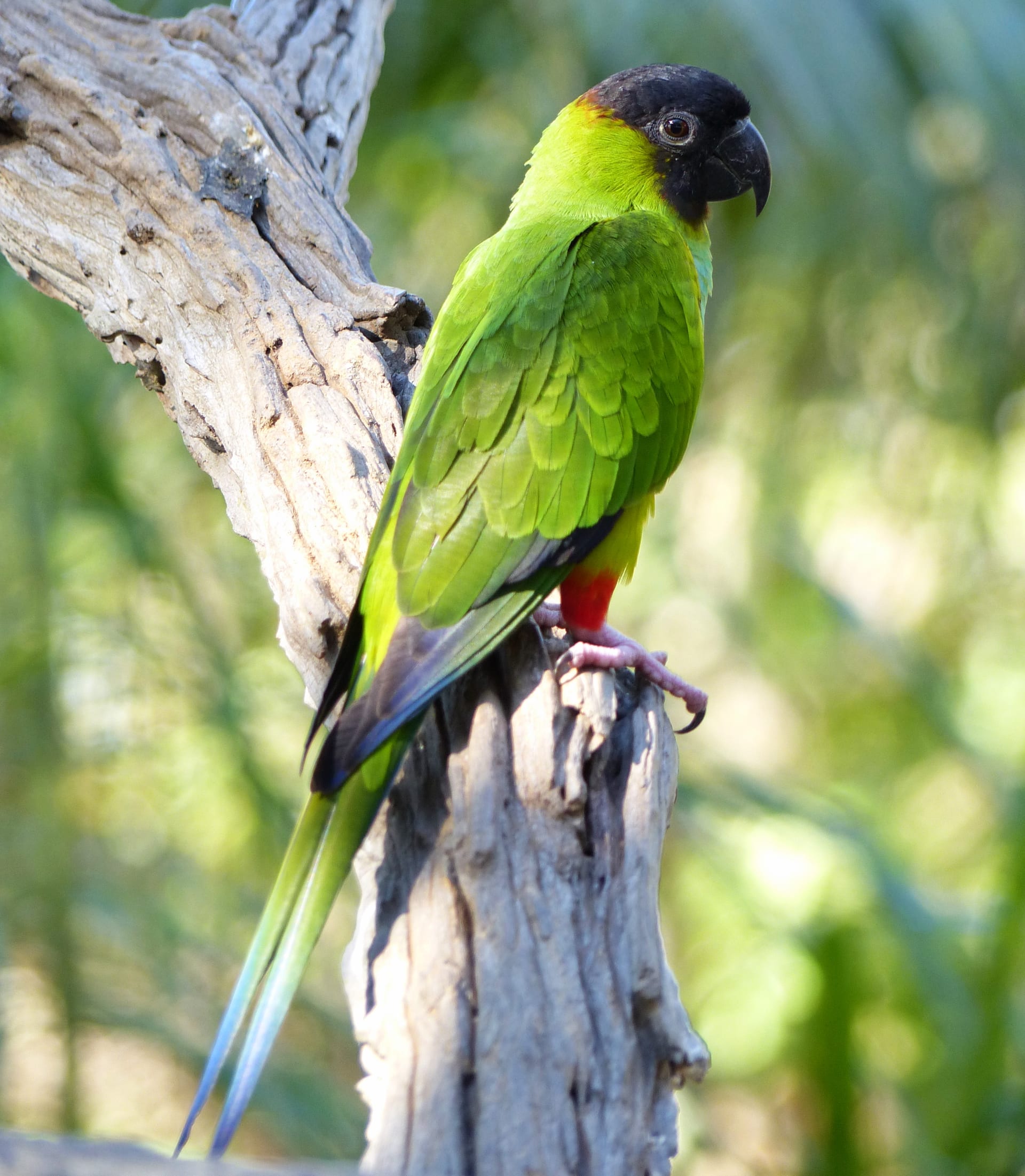
 © Bernard DUPONT from FRANCE / CC BY-SA 2.0
Nanday Conure
The Nanday Conure is a green parrot about 27–30cm long, easily recognized by its black face and beak and bright red thighs. These birds are intelligent and bond closely with their owners, picking up routines and interactions quickly. That same expressiveness, however, comes with a very loud voice and a powerful bite, making them a poor fit for apartment living or homes with young children. Considered suitable for intermediate keepers rather than first-time bird owners, Nanday Conures can live 35 to 45 years, so bringing one home means committing to a long relationship and planning ahead for their noise and beak strength.
View Nanday Conure encyclopedia →0% commission on your first sales!Register by September 30, 2026 and your first 2 sales are commission-free!
Breeder Wanted!
List on BreederDirect and sell directly to customers nationwide!
Six Transparency Commitments from BreederDirect
All Birds listings include complete Breeder transparency: hand-raised status, DNA sex determination, and health certification details.
- Hand-Raised
- DNA Sex-Determined
- Health Certified
- Origin Disclosed
- Color Variation Specified
- Age in Months Disclosed
Browse all 247 breeds
Care Level
Verified breeders wanted for Birds
Breeders are signing up now ahead of launch. Subscribe to be notified when new listings go live.
Getting alerts is free with a member account. When new listings match your saved search, we'll notify you by email and in-app.
Browse other categories
Verified breeders (preview)
Nanday Conure key facts
- Care level
- Intermediate
- Lifespan
- 35-45 years
- Size
- 27-30cm
- Diet
- Pellet-based diet, seed mix, fruit, nuts, vegetables
- Cage
- The World Parrot Trust recommends an aviary or suspended enclosure at least 2-3 m long. Choose sturdy fittings, as the bird chews.
- Temperament
- Energetic and curious, needing plenty of mental and social stimulation and out-of-cage time. The bill is powerful.
- Vocalization
- Clamorous screeching in flight and shrill chattering when perched. The volume is high.
- Notes
- The strong bill makes it unsuitable for homes with small children, and its volume calls for soundproofing in flats.
About Nanday Conure
Nanday Conure: a green parrot with a black face, black beak, and red thighs. Intelligent and affectionate but very loud with a strong bite — best suited to intermediate keepers. Lives 35–45 years and grows to 27–30cm.
7 things to know before welcoming a Nanday Conure
1Plan for Loud Calls
Nanday Conures are highly expressive and can call out very loudly, especially around dawn and dusk. This can be a real issue in apartments or homes close to neighbors, so soundproofing and awareness of their vocal patterns matter.
2A Powerful Beak
Their beak is strong enough to deliver a serious bite when they're upset or overexcited. In households with young children, adults should always manage how the bird and child interact.
3Smart Birds Need Stimulation
Nanday Conures are quick learners with sharp memories, so a lack of interaction or toys can lead to stress and boredom. Rotating toys and spending regular time engaging with them helps keep their minds satisfied.
4A Long-Term Commitment
With a lifespan of 35 to 45 years, a Nanday Conure may well outlive its owner. Before bringing one home, think through who can care for the bird long-term, including a backup plan if you're no longer able to.
5Hardy but Still Needs Checkups
While considered a relatively hardy species, daily observation of feathers, appetite, and droppings is still important. Consult an avian veterinarian promptly if you notice anything unusual.
6Give Them Something to Chew
Providing wooden toys and perches they're allowed to chew helps redirect their strong beak away from furniture and wiring. During supervised time out of the cage, keep anything unsafe to chew out of reach.
7Daily Time Out of the Cage
These are active, energetic birds that benefit from safe daily time outside the cage, not just space inside it. Provide room to fly along with well-placed perches where they can rest.
Frequently asked questions about Nanday Conure
- Q.Can beginners keep a Nanday Conure?
- A.They're generally considered better suited to intermediate keepers than complete beginners. They're hardy and bond easily with people, but you'll need to be prepared for their loud calls and strong bite.
- Q.How loud are Nanday Conures?
- A.They can be extremely loud, especially when excited or seeking attention. In apartments or shared housing this can lead to noise complaints, so it's worth considering soundproofing and their vocal patterns beforehand.
- Q.How long do Nanday Conures live?
- A.Their lifespan is typically 35 to 45 years, making them one of the longer-lived small-to-medium parrot species. This is an important factor to weigh, since caring for one is a genuinely long-term commitment.
- Q.Are they suitable for homes with young children?
- A.Because of their strong beak and tendency to bite hard when upset, they're generally not recommended for households with young children. If you do keep one, an adult should always supervise interactions.
- Q.Is it okay to leave them alone during the day?
- A.Since they're intelligent and enjoy interacting with people, being left alone for long stretches can lead to loneliness or stress. If you're away often, engaging toys and quality time before and after can help.
Useful tools for Nanday Conure care
Learn more about Nanday Conure in the encyclopedia
View Nanday Conure encyclopedia entry →
Care difficulty, lifespan, size and diet — all basics covered.
More in this category
Can't find the one you're looking for?
Post your wishes for free and breeders with matching animals will contact you with introductions.