 © Ichiron3656 / CC BY-SA 3.0
Java Sparrow (Sakura / Pied)
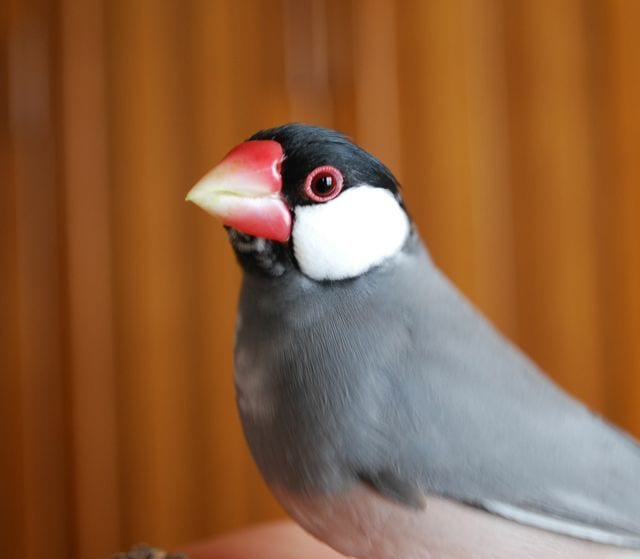
The Sakura (pied) Java Sparrow is a piebald color variant of the Java Sparrow, marked by irregular white patches scattered across its otherwise gray plumage — no two birds look quite alike. It retains the species' signature white cheeks, black head, bold red eye ring, and thick red bill. Sociable and responsive to its owner's voice and presence, it has long been a beloved companion bird in Japan. With a difficulty level considered beginner-friendly, it's an approachable choice for first-time bird keepers.
View Java Sparrow (Sakura / Pied) encyclopedia →0% commission on your first sales!Register by September 30, 2026 and your first 2 sales are commission-free!
Breeder Wanted!
List on BreederDirect and sell directly to customers nationwide!
Six Transparency Commitments from BreederDirect
All Birds listings include complete Breeder transparency: hand-raised status, DNA sex determination, and health certification details.
- Hand-Raised
- DNA Sex-Determined
- Health Certified
- Origin Disclosed
- Color Variation Specified
- Age in Months Disclosed
Browse all 247 breeds
Care Level
Verified breeders wanted for Birds
Breeders are signing up now ahead of launch. Subscribe to be notified when new listings go live.
Getting alerts is free with a member account. When new listings match your saved search, we'll notify you by email and in-app.
Browse other categories
Verified breeders (preview)
Java Sparrow (Sakura / Pied) key facts
- Care level
- Beginner-friendly
- Lifespan
- 7-10 years
- Size
- 15-17cm
- Diet
- Mixed millet-based seed, spray millet, greens, and a calcium grit such as oyster shell
- Cage
- Hand-raised birds live happily in a relatively small cage, provided they get daily out-of-cage exercise indoors.
- Temperament
- It tames readily and bonds strongly with its keeper. The wild bird is highly gregarious, so a solitary bird needs plenty of human contact.
- Vocalization
- The call is a short chip and the song a rapid series of them. Trill-calls are faster and louder in aggression, slower and softer in affiliative contexts.
- Notes
- The wild species is IUCN Endangered and listed in CITES Appendix II, so choose domestically bred birds and check paperwork on imports.
About Java Sparrow (Sakura / Pied)
The Sakura Java Sparrow features irregular white patches over gray plumage, white cheeks, a black head, and a red eye ring — a popular, beginner-friendly variety.
7 things to know before welcoming a Java Sparrow (Sakura / Pied)
1Cage and Perch Setup
They're active birds that move around a lot, so provide a reasonably sized cage with several perches. It also helps to plan a location that's easy to clean and keep at a stable temperature.
2Friendly, Chatty Personality
Sakura Java Sparrows tend to bond closely with their owners, often chirping and approaching them actively. Many individuals look forward to daily interaction, so regular communication helps build a strong bond.
3Every Bird's Pattern Is Unique
The white patch pattern is random for each bird, so no two individuals look exactly alike. Taking time to look closely at the actual bird before bringing it home can help you feel a stronger connection.
4Temperature and Ventilation Control
Sudden temperature swings, direct sunlight, and cold drafts can affect their condition. Adjust the cage location and room temperature by season to keep the environment stable.
5Diet and Calcium Supplementation
Alongside a staple seed diet, calcium can be supplemented with greens or cuttlebone/oyster shell grit. Make it a habit to check that the daily diet stays nutritionally balanced.
6Daily Health Monitoring
Keep an eye on daily changes in feather condition, appetite, and droppings. If you notice anything concerning, consult a vet experienced with birds promptly.
7Preparing the Environment Beforehand
Before bringing your bird home, prepare the cage, food, water dish, and other essentials, and set up a quiet, calm spot for it. Avoid handling it too much at first — let it settle in and gradually build trust at its own pace.
Frequently asked questions about Java Sparrow (Sakura / Pied)
- Q.Is the Sakura Java Sparrow easy to keep for beginners?
- A.Its difficulty level is considered beginner-friendly, making it approachable for first-time bird keepers. That said, it still requires the same daily care and environment management as any other bird.
- Q.How big does a Sakura Java Sparrow get?
- A.Adults typically reach about 15 to 17 cm in length. Use this as a guideline when choosing an appropriately sized cage.
- Q.How does the Sakura variety differ from the original gray Java Sparrow?
- A.The Sakura variety is a pied color form with irregular white patches over the original gray plumage. It shares the species' white cheeks, black head, red eye ring, and thick red bill.
- Q.Are there CITES or other legal restrictions on this bird?
- A.Java Sparrow (Sakura / Pied) is listed in CITES Appendix II. International trade requires a permit from the exporting country, but as far as CITES is concerned, no registration is needed to buy or sell individuals already legally in Japan.
- Q.Can a Sakura Java Sparrow be housed with other Java Sparrows?
- A.Housing multiple birds together is possible depending on compatibility, but introductions should be done carefully and gradually. Starting with a single bird and observing its temperament first is a safer approach.
Useful tools for Java Sparrow (Sakura / Pied) care
Learn more about Java Sparrow (Sakura / Pied) in the encyclopedia
View Java Sparrow (Sakura / Pied) encyclopedia entry →
Care difficulty, lifespan, size and diet — all basics covered.
Java Sparrow (Sakura / Pied) related articles
Complete Guide to Finch Breeding | Breeding Tips for Java Sparrows, Bicheno's Finches, and Zebra Finches
Explains breeding methods for finches (Java Sparrows, Bicheno's Finches, Zebra Finches, etc.). A detailed guide covering nest box types, egg laying management, hatching, chick rearing, and environmental setup for breeding season.
Java Sparrow Complete Care Guide | Environment Setup, Diet, Breeding, and Health Management
A beginner-friendly guide to caring for Java Sparrows (Lonchura striata domestica), small finches beloved in Japan for centuries. Covers color varieties including white, silver, and mocha; proper cage selection emphasizing width; temperature management (20-28°C) during winter months; seed-based diet featuring millet, proso millet, and foxtail millet supplemented with leafy greens and cuttlebone; the complete breeding cycle from pairing and nest box setup through egg-laying, incubation, and chick-rearing; nutrition enhancement during molting season; and early treatment of common health issues such as feather fluffing and regurgitation.
Complete Guide to Java Sparrow Care | Hand-Taming Training, Breeding Season Management, and Early Disease Detection
A comprehensive guide to Java sparrow care. From hand-taming training steps for chicks to breeding season management and early detection of common diseases—all from a breeder's perspective.
Complete Guide to Nest Box Types, Selection, and Breeding Setup | For Parakeets, Java Sparrows, and Cockatiels
A detailed guide to the types of nest boxes needed for breeding parakeets, Java sparrows, cockatiels and similar birds, how to choose them, installation methods, and breeding setup procedures. We also cover management tips before and after egg-laying and how to prepare the environment for chick rearing.
Complete Guide to Pet Bird Disease and Health Management | For Budgies, Cockatiels, Java Sparrows, and Macaws
Birds are animals that hide illness. This guide provides detailed veterinary insights into early warning signs of common diseases in budgies, cockatiels, Java sparrows, and macaws, along with daily health management and preventive strategies.
Parakeet and Java Sparrow Weight Management | Discovering Health Changes Through Daily Measurements
Comprehensive guide to the importance of weighing small birds for health management, including when and how to measure, choosing the right scale, and graphing weight changes. Also covers standard weights by species and steps to take if weight loss is detected.
More in this category
Can't find the one you're looking for?
Post your wishes for free and breeders with matching animals will contact you with introductions.