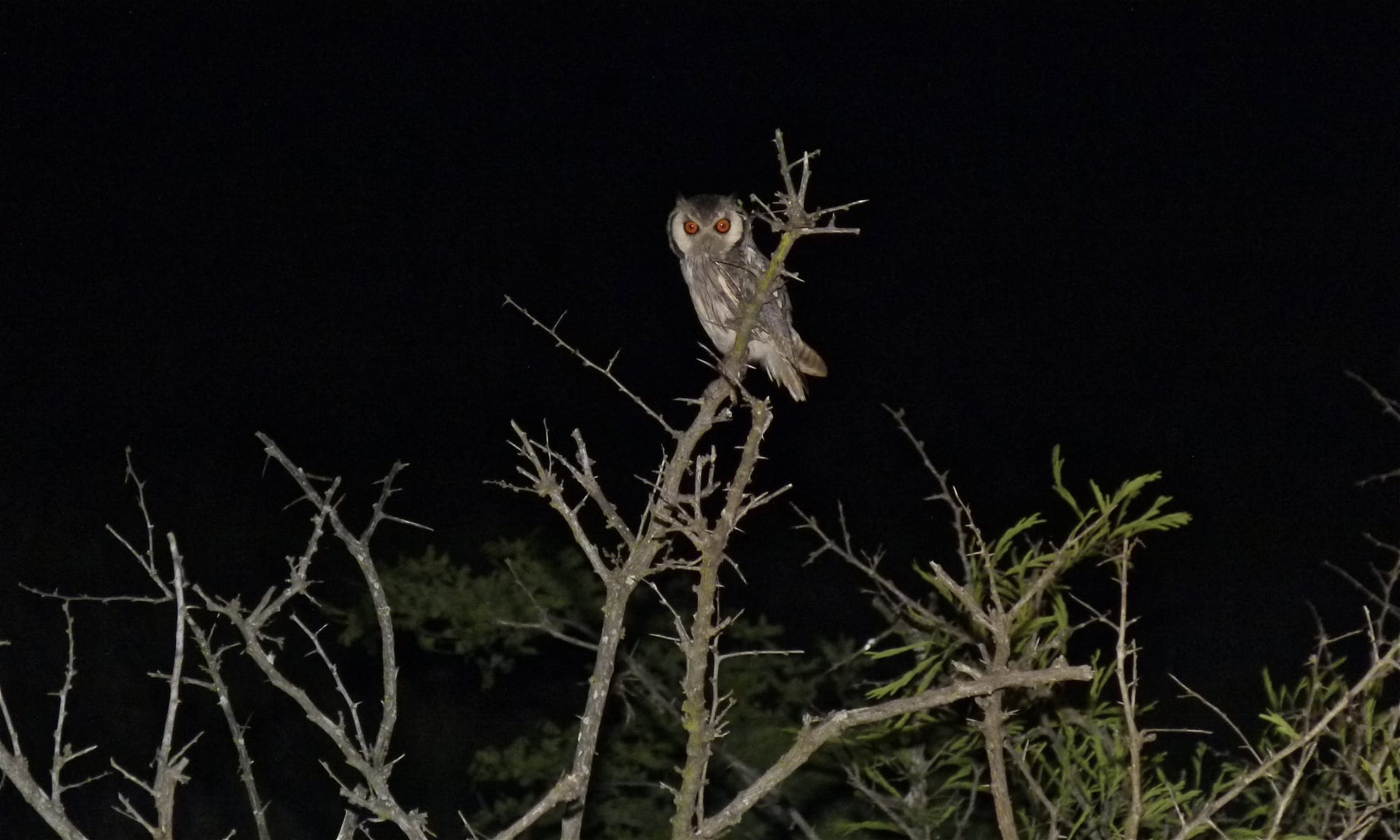
 © Bernard DUPONT / CC BY-SA 2.0
Southern White-faced Owl
The Southern White-faced Owl is a small owl species known for its striking white face outlined in black, large orange eyes, and short black-tipped ear tufts. Its upperparts are gray with black streaking, and it is found across the grasslands and savannas of southern Africa. At night, it produces a distinctive bubbling, rapid hooting call. Quiet and independent by nature, it retains strong instincts as a bird of prey while still being capable of building trust with a dedicated keeper over time. Compact in size at 22–28cm as an adult, this species is considered suitable for experienced keepers with prior owl-handling knowledge rather than first-time bird owners.
View Southern White-faced Owl encyclopedia →0% commission on your first sales!Register by September 30, 2026 and your first 2 sales are commission-free!
Breeder Wanted!
List on BreederDirect and sell directly to customers nationwide!
Six Transparency Commitments from BreederDirect
All Birds listings include complete Breeder transparency: hand-raised status, DNA sex determination, and health certification details.
- Hand-Raised
- DNA Sex-Determined
- Health Certified
- Origin Disclosed
- Color Variation Specified
- Age in Months Disclosed
Browse all 247 breeds
Care Level
Verified breeders wanted for Birds
Breeders are signing up now ahead of launch. Subscribe to be notified when new listings go live.
Getting alerts is free with a member account. When new listings match your saved search, we'll notify you by email and in-app.
Browse other categories
Verified breeders (preview)
Southern White-faced Owl key facts
- Care level
- Advanced
- Lifespan
- 10-15 years
- Size
- 22-28cm (185-220g)
- Diet
- Frozen mice, day-old chicks and quail; in the wild mainly large insects, plus occasional small mammals, birds and reptiles
- Cage
- Site the aviary somewhere quiet, furnished with perches and planting the bird can hide among, and with enough space to spare the ear tufts and flight feathers.
- Temperament
- In the wild it lives alone or in pairs, with no group sociability. Like its northern relative it is highly strung and needs quiet management free of undue disturbance.
- Vocalization
- It repeats a series of fast bubbling hoots through the night, pairs often calling together in the breeding season. Being nocturnal, night calling is the practical constraint on keeping it.
- Notes
- Listed on CITES Appendix II, so import requires an export permit. Because it resembles the northern white-faced owl, check the labelling and provenance when buying.
About Southern White-faced Owl
The Southern White-faced Owl is a small owl native to southern Africa, known for its black-and-white facial pattern and orange eyes. Recommended for experienced keepers.
7 things to know before welcoming a Southern White-faced Owl
1Suited for Experienced Keepers
The Southern White-faced Owl retains strong instincts as a bird of prey, requiring specialized knowledge and hands-on experience to care for properly. This species is best suited to keepers who already have experience with owls or other raptors.
2Nocturnal Activity Pattern
This owl becomes active at night and produces a rapid, bubbling hooting call after dark. During the day it tends to rest quietly, so its enclosure and care routine should be arranged around this nocturnal rhythm.
3Distinctive Face and Eyes
Its most distinctive features are the white face outlined in black and large orange eyes. The gray body with black streaking and short black-tipped ear tufts are also helpful identifying traits.
4Compact Body Size
As an adult, this owl measures 22–28cm and weighs around 185–220g, making it one of the smaller owl species. Despite its compact size, it retains the physical strength typical of a bird of prey.
5Independent Temperament
This species tends to be quiet and prefers a solitary lifestyle. A single-bird setup is generally more suitable than housing it together with other owls.
6Ensuring Flight and Activity Space
As a bird of prey, it needs a cage or aviary large enough to allow wing movement and natural motion. Thoughtful placement of perches and other environmental design supports its range of activity.
7Research Before Bringing One Home
Owls require specialized daily care quite different from dogs or cats. Before bringing one home, it's important to consult thoroughly with the breeder about diet, daily care routines, and necessary equipment.
Frequently asked questions about Southern White-faced Owl
- Q.Can beginners keep this species?
- A.The Southern White-faced Owl is classified as suitable for experienced keepers. It is best suited to those who already have experience caring for owls or other birds of prey.
- Q.What does its call sound like?
- A.It produces a rapid, bubbling hooting call, typically heard at night. This nocturnal vocal pattern is worth considering when planning where to keep the enclosure.
- Q.How large does it grow?
- A.As an adult, it reaches about 22–28cm in length and weighs approximately 185–220g, making it a relatively small owl species.
- Q.Is this species subject to any legal regulation?
- A.Southern White-faced Owl is listed in CITES Appendix II. International trade requires a permit from the exporting country, but as far as CITES is concerned, no registration is needed to buy or sell individuals already legally in Japan.
- Q.Can it be kept together with other owls?
- A.Because of its quiet, solitary nature, keeping it alone is generally more appropriate. If considering housing multiple birds together, it's best to consult with the breeder first.
Useful tools for Southern White-faced Owl care
Learn more about Southern White-faced Owl in the encyclopedia
View Southern White-faced Owl encyclopedia entry →
Care difficulty, lifespan, size and diet — all basics covered.
More in this category
Can't find the one you're looking for?
Post your wishes for free and breeders with matching animals will contact you with introductions.