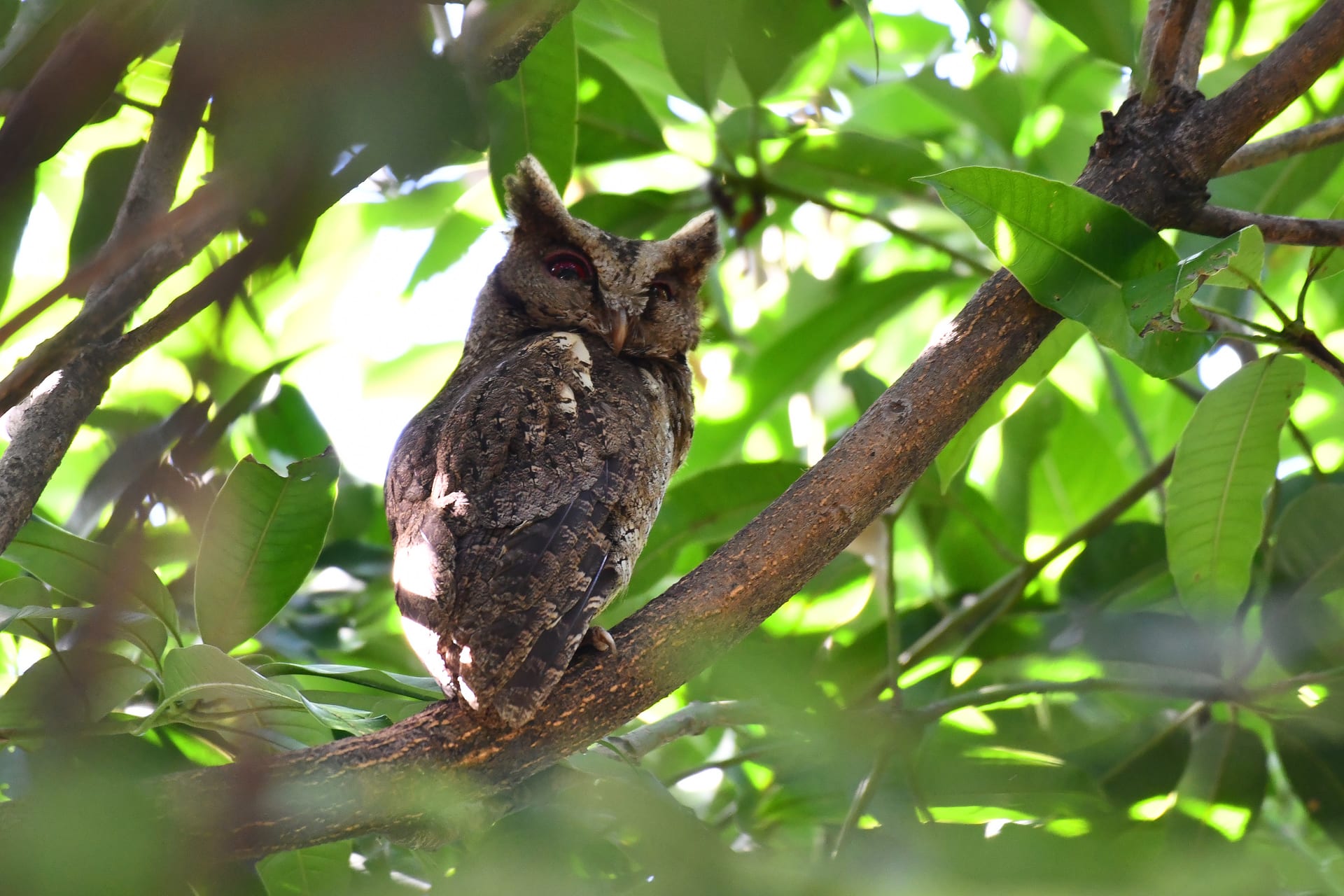
 © Ranieljosecastaneda / CC BY-SA 4.0
Philippine Scops Owl
The Philippine Scops Owl is a small owl species found only in the Philippines. Its prominent ear tufts and large eyes rimmed in reddish-orange give it a striking, expressive face, and it is considered one of the largest scops owls in its genus. The plumage is a deep, dark brown streaked with black, offering excellent camouflage in the forest. In the wild, this nocturnal hunter forages in the forest understory, preying on insects and small mammals. Its distinctive looks and quiet presence have earned it a devoted following among owl enthusiasts, though keeping one calls for advanced experience and specialized knowledge.
View Philippine Scops Owl encyclopedia →0% commission on your first sales!Register by September 30, 2026 and your first 2 sales are commission-free!
Breeder Wanted!
List on BreederDirect and sell directly to customers nationwide!
Six Transparency Commitments from BreederDirect
All Birds listings include complete Breeder transparency: hand-raised status, DNA sex determination, and health certification details.
- Hand-Raised
- DNA Sex-Determined
- Health Certified
- Origin Disclosed
- Color Variation Specified
- Age in Months Disclosed
Browse all 286 breeds
Care Level
Verified breeders wanted for Birds
Breeders are signing up now ahead of launch. Subscribe to be notified when new listings go live.
Getting alerts is free with a member account. When new listings match your saved search, we'll notify you by email and in-app.
Browse other categories
Verified breeders (preview)
Philippine Scops Owl key facts
- Care level
- Advanced
- Lifespan
- Little data
- Size
- 23-28 cm
- Diet
- Carnivorous: insects and small mammals such as mice
- Temperament
- A sedentary nocturnal bird of the forest understorey that forms strong pair bonds and rears young together.
- Cage
- A forest understorey bird, it needs a cage or room with leafy cover and a nest box.
- Vocalization
- It calls at night; little detail on its voice is documented.
- Feeding
- It eats insects and small mammals; combine insects with whole mice and weigh the bird to set rations.
- Notes
- It is a different species from the Indian scops owl, and plumage changes greatly from chick to adult. Only foreign captive-bred birds are traded; wild birds in Japan, including native owls, may not in principle be caught or kept under the wildlife law.
About Philippine Scops Owl
Discover the Philippine Scops Owl's features, temperament, and care essentials — a striking scops owl found only in the Philippines, with reddish-orange eyes and dark streaked plumage.
7 things to know before welcoming a Philippine Scops Owl
1Advanced-Level Care Required
The Philippine Scops Owl is considered a challenging species to keep. It calls for a solid understanding of its natural behavior and prior experience with owls. This is not a good first owl for beginners.
2Recreating a Forest Habitat
In the wild, this owl lives in the forest understory, so its enclosure should include hiding spots and perches that let it feel secure. Careful attention to temperature and humidity is also important.
3An Insect and Small-Prey Diet
In the wild, it hunts insects and small mammals, making it a carnivorous species. Captive care requires a consistent supply of nutritionally balanced food.
4A Nocturnal Rhythm
This owl is mainly active at night, so it needs a quiet space to rest undisturbed during the day. Care routines should be planned around its natural schedule.
5Limited Lifespan Data
Documented lifespan information for the Philippine Scops Owl is limited. When planning for long-term care, it is important to keep this uncertainty in mind.
6Striking Eyes and Ear Tufts
Its large eyes rimmed in reddish-orange and upright ear tufts give it a distinctive look. Many individuals are sensitive, so it is best to observe them calmly from a respectful distance.
7Listed Under CITES Appendix II
The Philippine Scops Owl is listed under CITES Appendix II. This is worth understanding before considering bringing one home.
Frequently asked questions about Philippine Scops Owl
- Q.Is the Philippine Scops Owl suitable for beginners?
- A.This species is considered advanced-level to keep. It is best suited to keepers who already have experience caring for owls.
- Q.How big does it get?
- A.Adults typically reach a total length of about 23 to 28 cm. That makes it one of the larger scops owl species.
- Q.What is its lifespan?
- A.Documented lifespan data for this species is currently limited, so no clear figure is available. It is best to plan for long-term care with that uncertainty in mind.
- Q.What is its temperament like?
- A.In the wild it lives in the forest understory and is considered a somewhat sensitive bird. Its upright ear tufts and striking eyes give it a distinctive presence.
- Q.Are there any legal considerations?
- A.This species is listed under CITES Appendix II. It is worth confirming this point before deciding to bring one home.
Useful tools for Philippine Scops Owl care
Learn more about Philippine Scops Owl in the encyclopedia
View Philippine Scops Owl encyclopedia entry →
Care difficulty, lifespan, size and diet — all basics covered.
More in this category
Can't find the one you're looking for?
Post your wishes for free and breeders with matching animals will contact you with introductions.