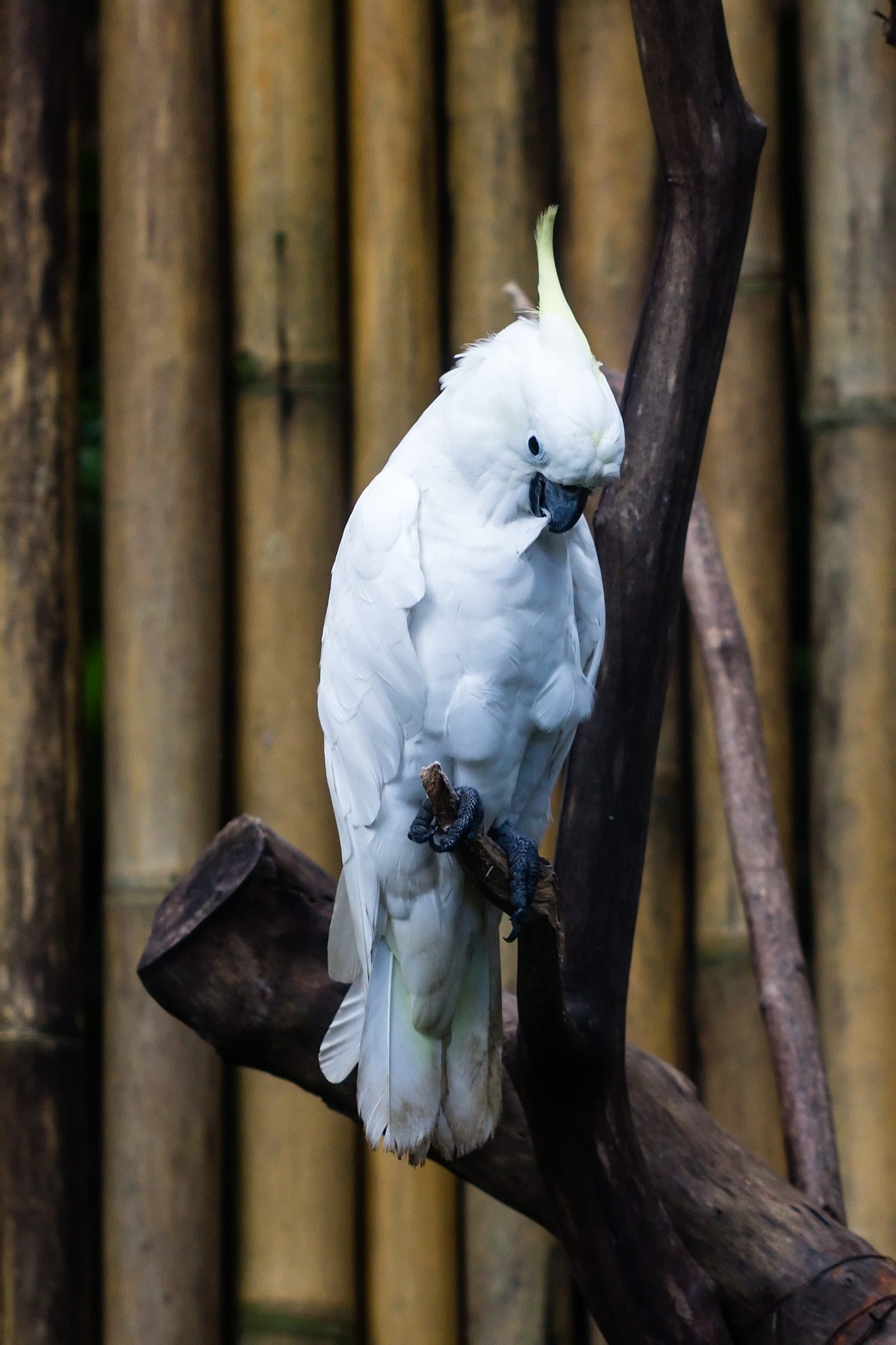
 © Crisco 1492 / CC BY-SA 4.0
Triton Cockatoo
The Triton Cockatoo is a striking white parrot with a yellow crest, recognized as the New Guinea subspecies of the Sulphur-crested Cockatoo. Its name comes from the subtle blue tint around the bare skin encircling the eyes, and compared to the Australian Sulphur-crested Cockatoo, it tends to have a smaller build and bill (some researchers even classify it as a separate species). Highly intelligent and affectionate, these birds bond closely with their caregivers but can also be vocal and emotionally demanding. Listed under CITES Appendix II, the Triton Cockatoo is generally considered a bird for experienced keepers who can commit to its long-term care needs.
View Triton Cockatoo encyclopedia →0% commission on your first sales!Register by September 30, 2026 and your first 2 sales are commission-free!
Breeder Wanted!
List on BreederDirect and sell directly to customers nationwide!
Six Transparency Commitments from BreederDirect
All Birds listings include complete Breeder transparency: hand-raised status, DNA sex determination, and health certification details.
- Hand-Raised
- DNA Sex-Determined
- Health Certified
- Origin Disclosed
- Color Variation Specified
- Age in Months Disclosed
Browse all 286 breeds
Care Level
Verified breeders wanted for Birds
Breeders are signing up now ahead of launch. Subscribe to be notified when new listings go live.
Getting alerts is free with a member account. When new listings match your saved search, we'll notify you by email and in-app.
Browse other categories
Verified breeders (preview)
Triton Cockatoo key facts
- Care level
- Advanced
- Lifespan
- Captive record 57 years (species)
- Size
- 44-55 cm (species)
- Diet
- Large-parrot pellets or seed, nuts, fruit and vegetables
- Temperament
- Curious and highly intelligent, it demands a lot from its owner, and boredom leads to more screaming and destruction.
- Cage
- A strong large-parrot metal cage is essential, and since it has a strong urge to chew wood and hard things, always provide destructible toys.
- Vocalization
- Its call is extremely loud, adapted to carry through forest, so soundproofing and consideration for neighbours are prerequisites.
- Feeding
- Combine pellets or seed with vegetables and fruit, without relying on fatty seeds.
- Notes
- It is told from Australian birds by the eye-ring colour and size, and it is so long-lived that care may need to span generations.
About Triton Cockatoo
The Triton Cockatoo is the New Guinea subspecies of the Sulphur-crested Cockatoo, known for its yellow crest and blue-tinged eye rings. Intelligent and affectionate, it is generally regarded as an advanced-level parrot to keep.
7 things to know before welcoming a Triton Cockatoo
1Preparing for a Loud Voice
Cockatoos, including this subspecies, are known for loud, far-carrying calls. If you live in an apartment or close to neighbors, it's worth planning for sound insulation or a suitable location before bringing one home.
2A Powerful Beak Needs Sturdy Housing
Like other large cockatoos, they have a strong beak capable of chewing through wood and plastic. Choose a cage and toys made of durable materials, and check them regularly for safety.
3High Intelligence Needs Stimulation
Curious and quick to learn, these birds can develop problem behaviors if their environment is too monotonous. Rotating toys and setting aside daily interaction time helps keep them engaged.
4A Strong, Demanding Bond
Affectionate and people-oriented, they tend to form close attachments to their caregivers but can become stressed when left alone for long periods. This makes them a poor fit for households with frequently absent owners.
5Planning for a Long Life
This is a very long-lived bird, so caring for one may span generations. Prospective owners should think through their own and their family's long-term plans, including who might care for the bird in the future.
6An Advanced-Level Bird
Between its expressive personality, loud calls, and powerful beak, overall care difficulty is considered high, and it's generally recommended for those with prior parrot-keeping experience. First-time bird owners should consult an experienced keeper before committing.
7Spotting Its Distinguishing Features
The base look is a white body with a yellow crest, but the subtle blue tint around the bare eye ring sets it apart from other Sulphur-crested Cockatoo subspecies. It also tends to be somewhat smaller in body and bill than the Australian Sulphur-crested Cockatoo.
Frequently asked questions about Triton Cockatoo
- Q.What's the difference between the Triton Cockatoo and the Sulphur-crested Cockatoo?
- A.The Triton Cockatoo is the New Guinea subspecies of the Sulphur-crested Cockatoo, distinguished by the subtle blue tint around its bare eye ring. It also tends to have a smaller body and bill than the Australian Sulphur-crested Cockatoo, and some researchers even classify it as a separate species.
- Q.Is this a good bird for a first-time owner?
- A.This species is generally considered suitable for advanced keepers, given its loud calls, powerful beak, and the attentive care its intelligence demands. First-time bird owners are encouraged to consult someone with prior parrot-keeping experience.
- Q.How big does it grow?
- A.As a species, it typically reaches a total length of about 44 to 55 cm. Being a large parrot, it needs a cage and play area sized accordingly.
- Q.How long does it live?
- A.It is a very long-lived bird, and caring for one may need to be planned across generations. Bring one home only with a long-term commitment in mind, including plans for who would care for it after you.
- Q.Are there any legal regulations around importing or keeping one?
- A.This species is listed under CITES Appendix II. Because trade is governed by this international framework, it's a good idea to check the latest information before making arrangements.
Useful tools for Triton Cockatoo care
Learn more about Triton Cockatoo in the encyclopedia
View Triton Cockatoo encyclopedia entry →
Care difficulty, lifespan, size and diet — all basics covered.
More in this category
Can't find the one you're looking for?
Post your wishes for free and breeders with matching animals will contact you with introductions.