Source: Wikimedia Commons
Triton Cockatoo
AdvancedCacatua galerita triton
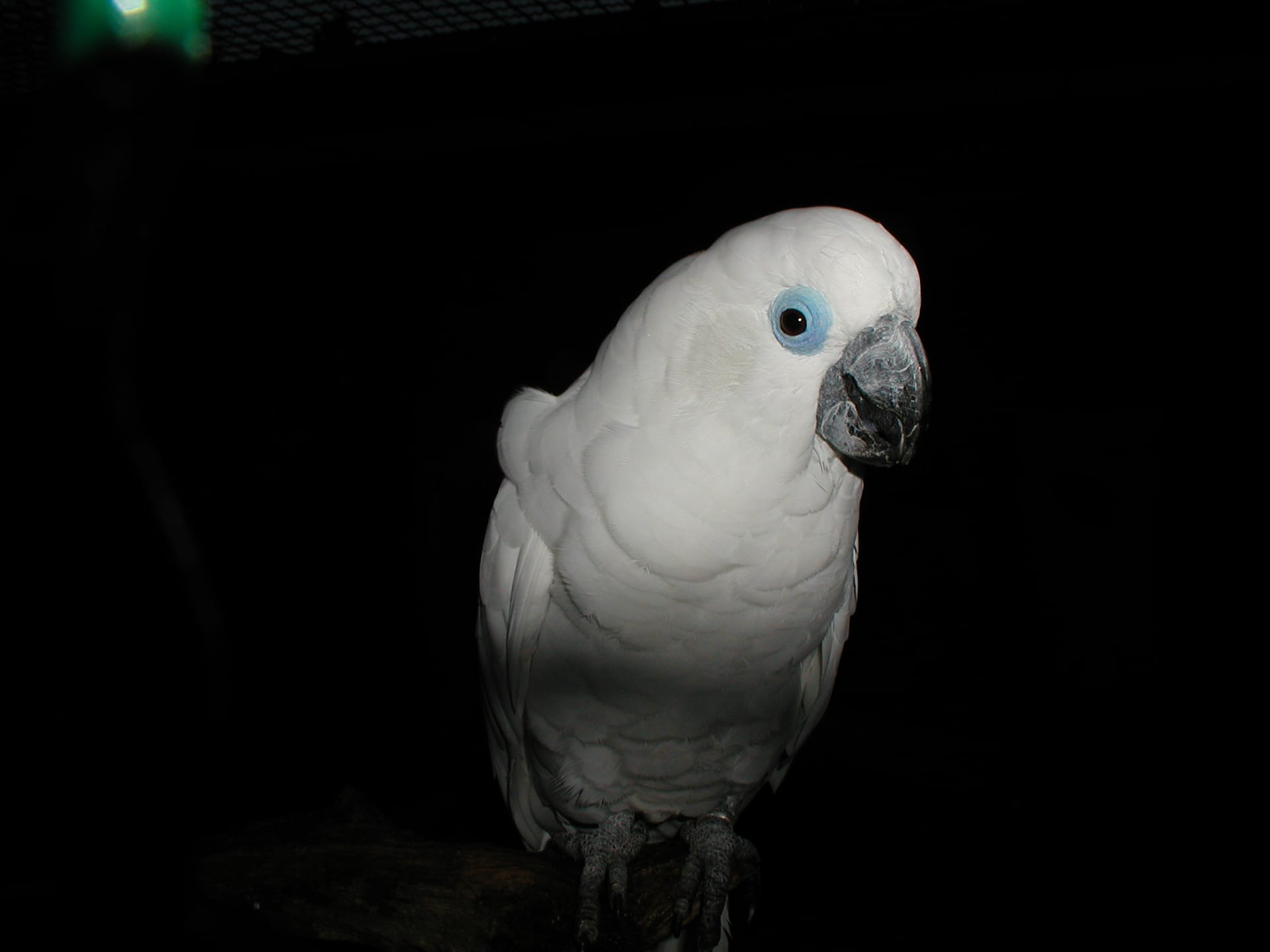
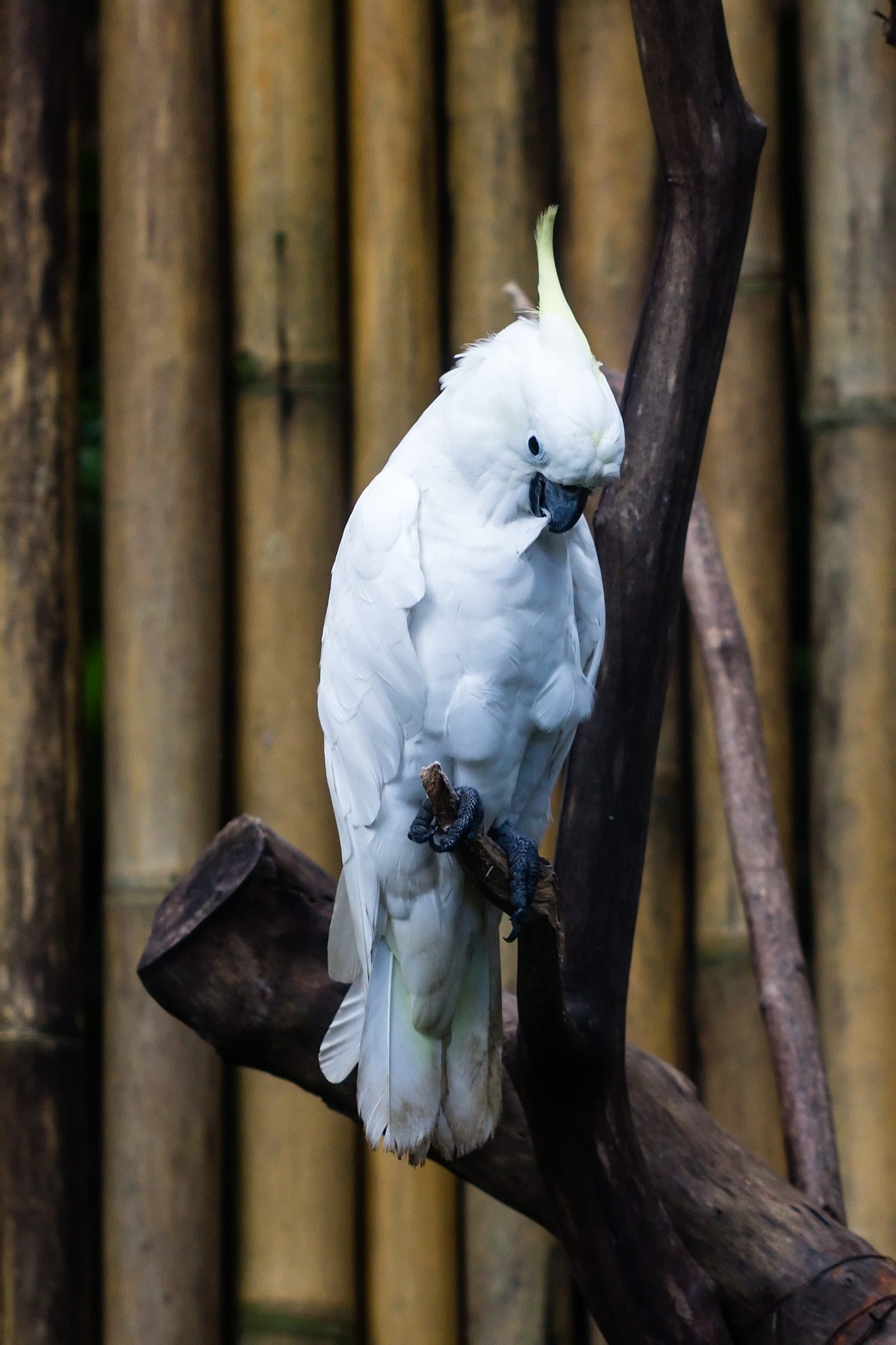
The New Guinea subspecies of the sulphur-crested cockatoo, a white cockatoo with a yellow crest. It has a bluish bare eye-ring and is smaller, with a smaller bill, than the Australian birds; some research treats it as a separate species.
Difficulty
Advanced
Temperature
15〜30℃
Lifespan
Captive record 57 years (species)
Size
44-55 cm (species)
Humidity
40〜60%
Diet
Large-parrot pellets or seed, nuts, fruit and vegetables
About
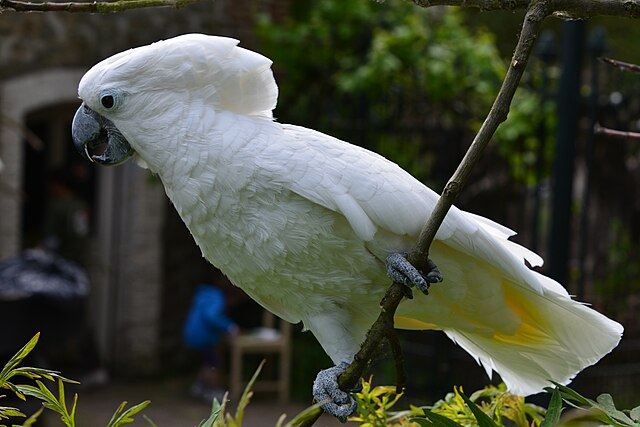
The Triton cockatoo (Cacatua galerita triton) is a subspecies of the sulphur-crested cockatoo (Cacatua galerita) found on New Guinea and nearby islands. The sulphur-crested cockatoo is a white cockatoo 44-55 cm long with a yellow crest, black bill, grey legs and yellow-tinged underwings and tail. Differences between subspecies are subtle, but the New Guinea birds are smaller than the Australian ones, and the Triton resembles C. g. eleonora but has a smaller bill. As its Japanese name (blue-eyed sulphur-crest) suggests, its bare eye-ring is bluish rather than the whitish ring of the Australian nominate race. Males usually have almost black eyes and females reddish-brown. A 2024 genetic study found it distinct from the Australian birds and proposed treating it as a separate species, Cacatua triton, though it is still usually treated as a subspecies. It is curious and highly intelligent, but very loud and with a strong urge to chew wood and hard materials. In Japan it is sold at specialist shops under a different name from the sulphur-crested cockatoo, so checking the subspecies is important.
Source: Wikipedia (CC BY-SA 4.0)
Lifespan of the Triton Cockatoo
The Triton Cockatoo lives Captive record 57 years (species).
Size of the Triton Cockatoo
The Triton Cockatoo grows to 44-55 cm (species).
Basic Info
Origin
New Guinea and nearby islands
Lifespan
Captive record 57 years (species)
Size
References & Sources
Edited & verified by: BreederDirect editorial team
The taxonomic, regulatory, and husbandry data on this page are compiled and verified against the authoritative primary sources below.
Taxonomy & Authority
Regulations & Conservation Status
CITES Appendix IIIUCN LC · Least Concern
Cacatua galerita triton(キバタンの亜種). Parrots (Psittaciformes) are listed in CITES Appendix II apart from a few species, and this species is in Appendix II. International trade needs an export permit, but no registration under Japan's species conservation law is needed to transfer birds within Japan. Imports into Japan are subject to animal import notification under the Infectious Diseases Control Law. CITES lists it under the species Cacatua galerita. The IUCN assesses it as Least Concern at species level.
Sources: Species+ (Cacatua galerita) / IUCN Red List
Regulations may change. Always verify the latest information with the relevant authorities.
Triton Cockatoo Listings
Loading latest listingsFind listings for this species