Source: Wikimedia Commons
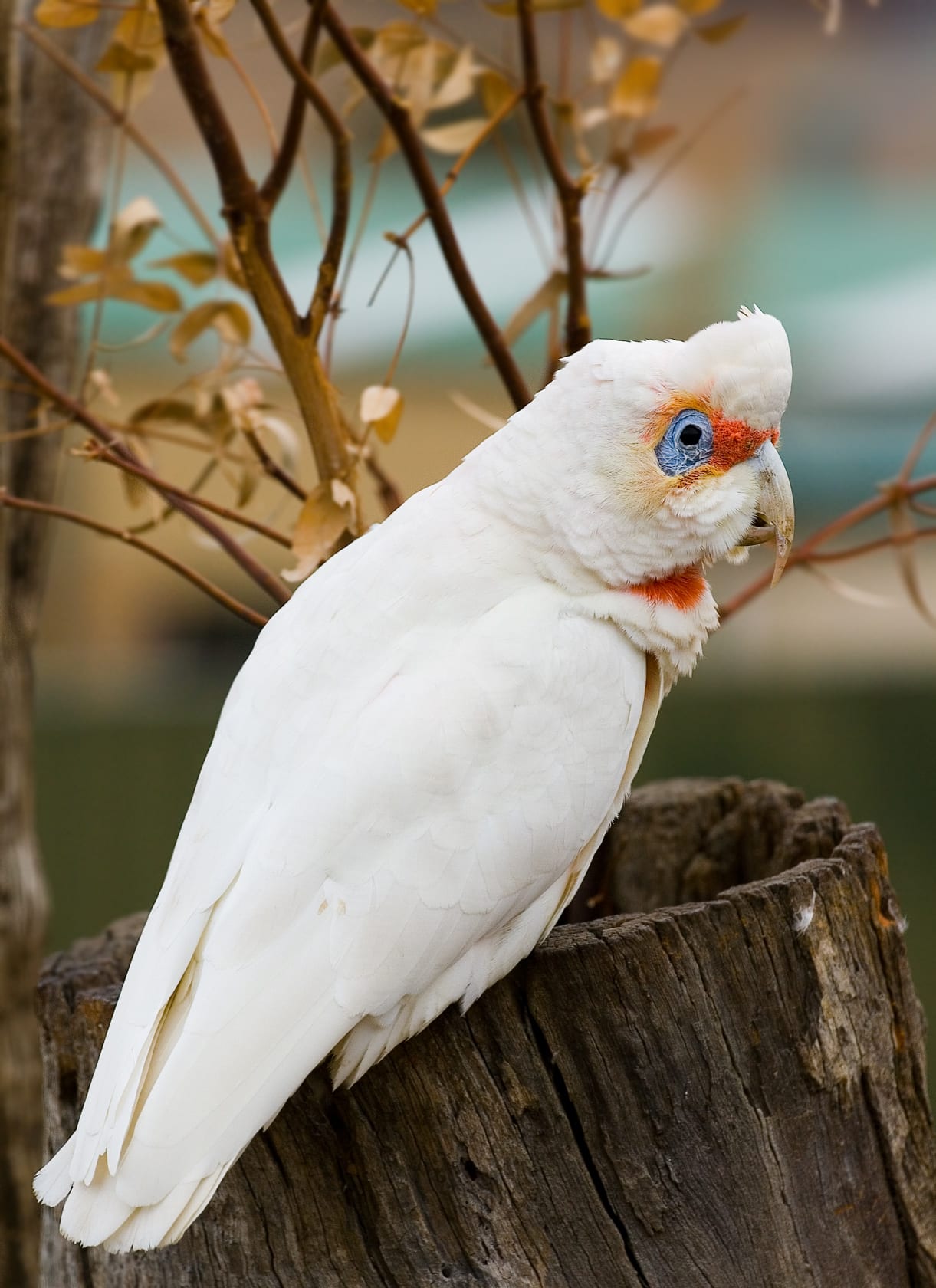
Long-billed Corella
AdvancedCacatua tenuirostris
A white cockatoo of south-eastern Australia with a reddish face and breast and a long pale upper bill used to dig for roots and bulbs. It is said to be the best talker among Australia's cockatoos.
Difficulty
Advanced
Temperature
15〜30℃
Lifespan
Captive record 43 years
Size
38-41 cm
Humidity
40〜60%
Diet
Large-parrot pellets, seed and vegetables; in the wild it digs up roots, seeds and bulbs
About
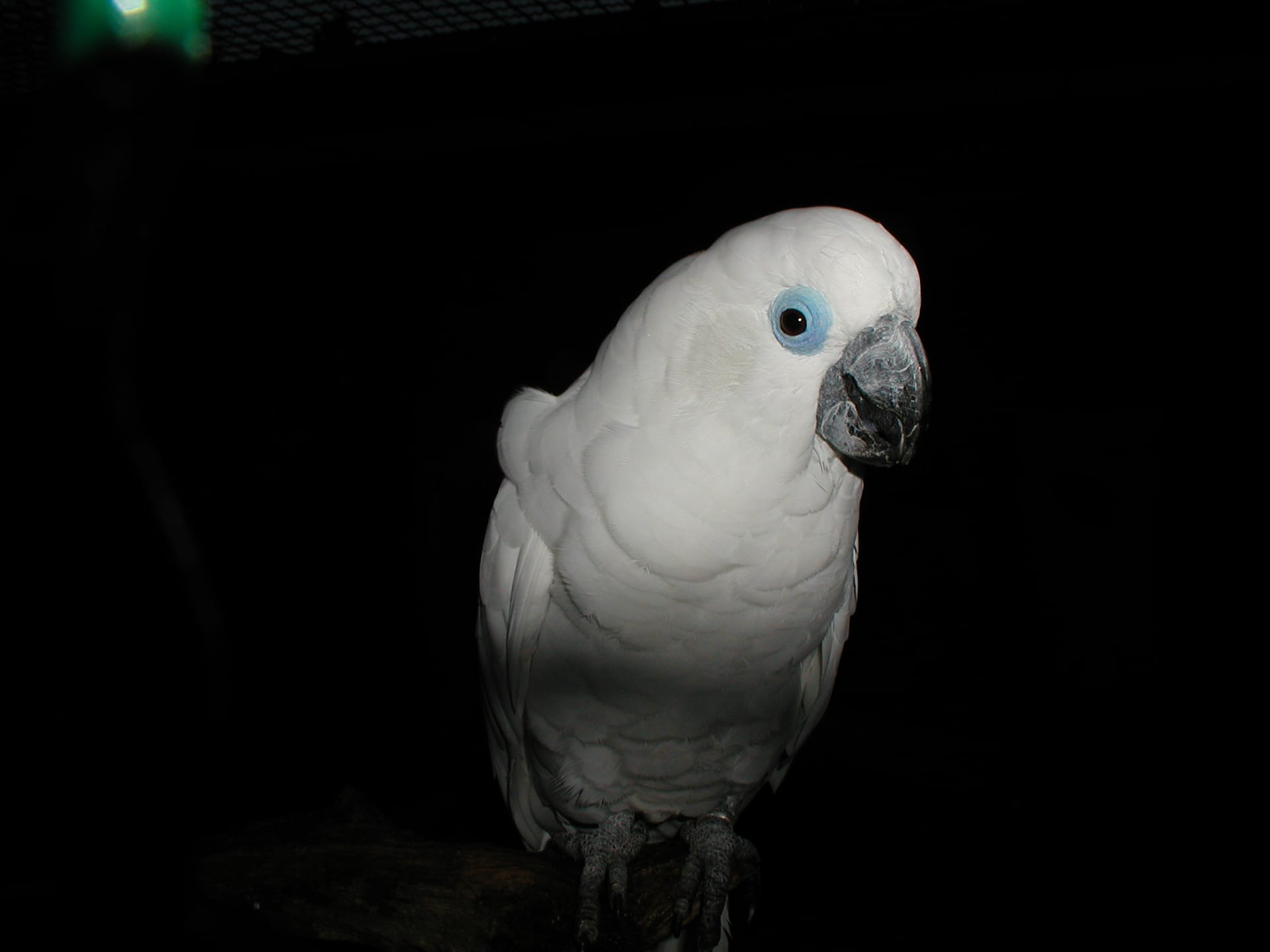
The long-billed corella (Cacatua tenuirostris) is a cockatoo native to south-eastern Australia (Victoria and south-eastern New South Wales) and belongs to the white corellas of the subgenus Licmetis. It is 38-41 cm long and averages 567 g. Mostly white, it has red feathers around the eyes and lores and reddish feathers on the breast and belly. Its defining feature is a long, bone-coloured upper bill used to dig for roots, seeds and bulbs in grassland, farmland and parks. It has a bluish bare eye-ring. Its bill is clearly longer than that of the similar little corella. Pairs nest in tree hollows and lay 2-3 eggs. It has expanded its range since the 1970s and is regarded as a crop pest in places. It is a popular pet in Australia and, because it mimics words and whole sentences well, is called the best talker of the Australian cockatoos. Its calls are shrill and its bite is strong, so soundproofing and sturdy equipment are essential. In Japan it is only occasionally seen at shops specialising in large parrots.
Source: Wikipedia (CC BY-SA 4.0)
Lifespan of the Long-billed Corella
The Long-billed Corella lives Captive record 43 years.
Size of the Long-billed Corella
The Long-billed Corella grows to 38-41 cm.
Basic Info
Origin
Grassy woodland, grassland and farmland of south-eastern Australia (Victoria and south-eastern New South Wales)
Lifespan
Captive record 43 years
Size
38-41 cm
References & Sources
Edited & verified by: BreederDirect editorial team
The taxonomic, regulatory, and husbandry data on this page are compiled and verified against the authoritative primary sources below.
Taxonomy & Authority
Regulations & Conservation Status
CITES Appendix IIIUCN LC · Least Concern
Cacatua tenuirostris. Parrots (Psittaciformes) are listed in CITES Appendix II apart from a few species, and this species is in Appendix II. International trade needs an export permit, but no registration under Japan's species conservation law is needed to transfer birds within Japan. Imports into Japan are subject to animal import notification under the Infectious Diseases Control Law. The IUCN assesses it as Least Concern.
Sources: Species+ (Cacatua tenuirostris) / IUCN Red List
Regulations may change. Always verify the latest information with the relevant authorities.
Long-billed Corella Listings
Loading latest listingsFind listings for this species