Source: Wikimedia Commons
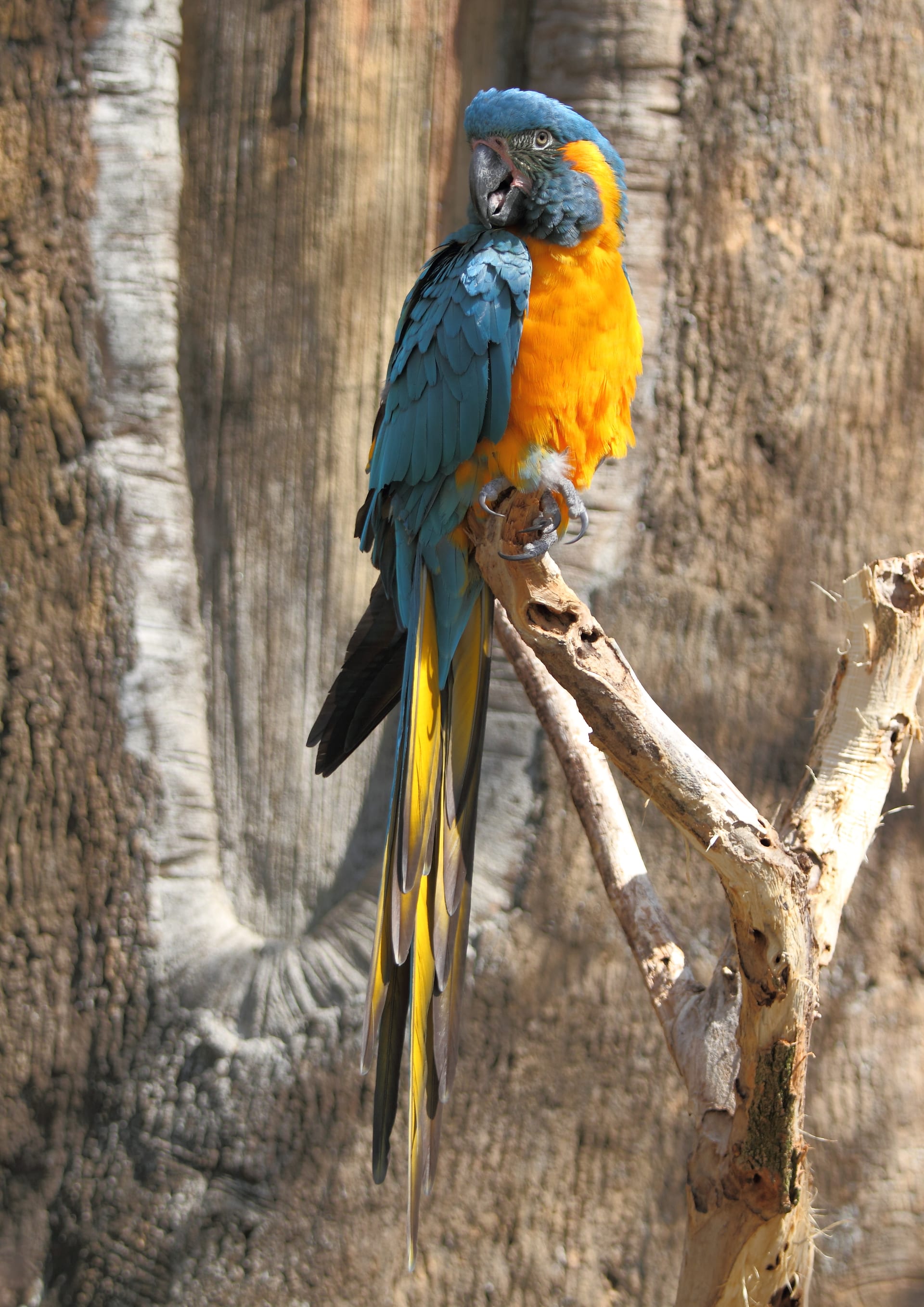
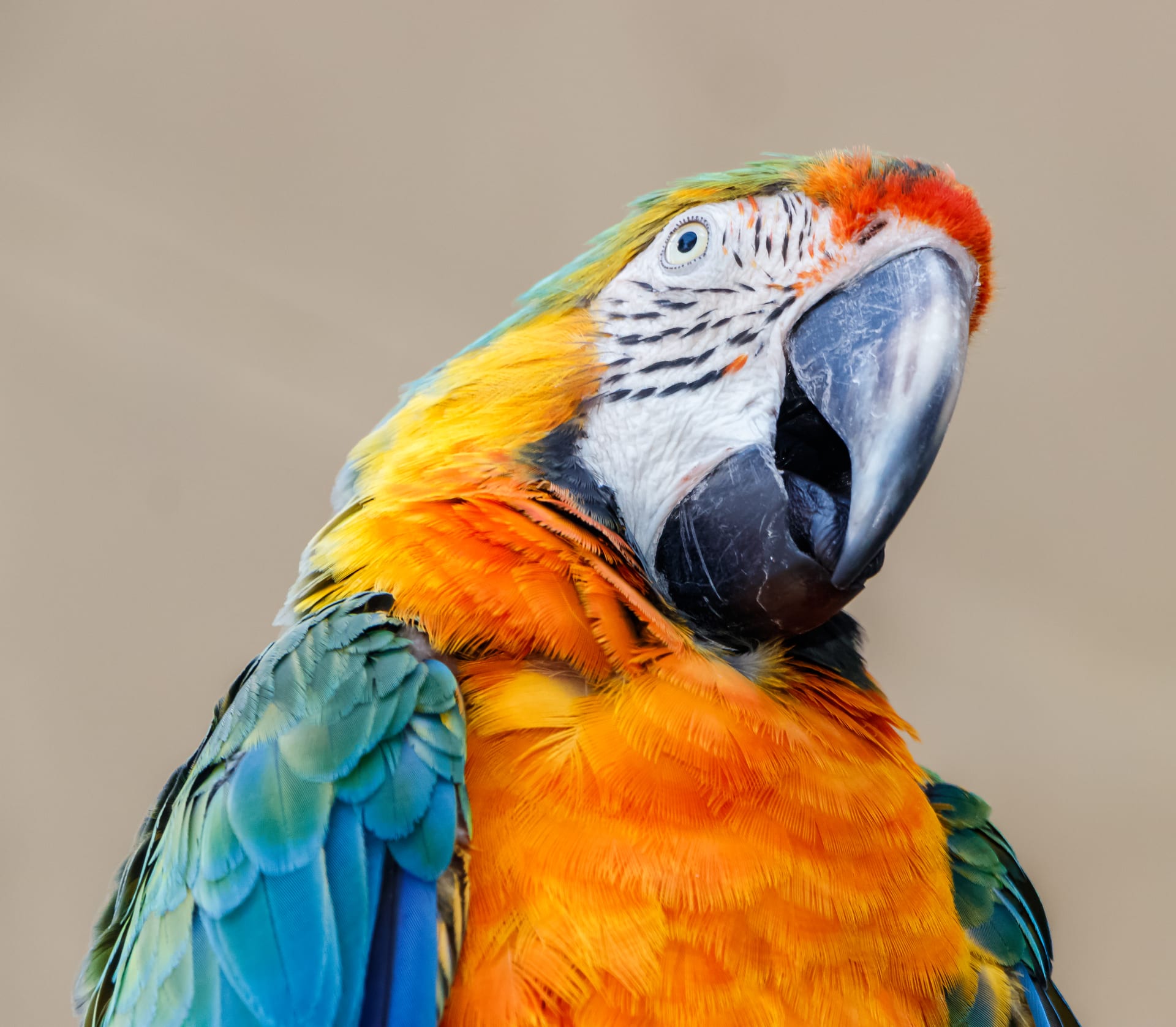
Harlequin Macaw
AdvancedAra ararauna × Ara chloropterus
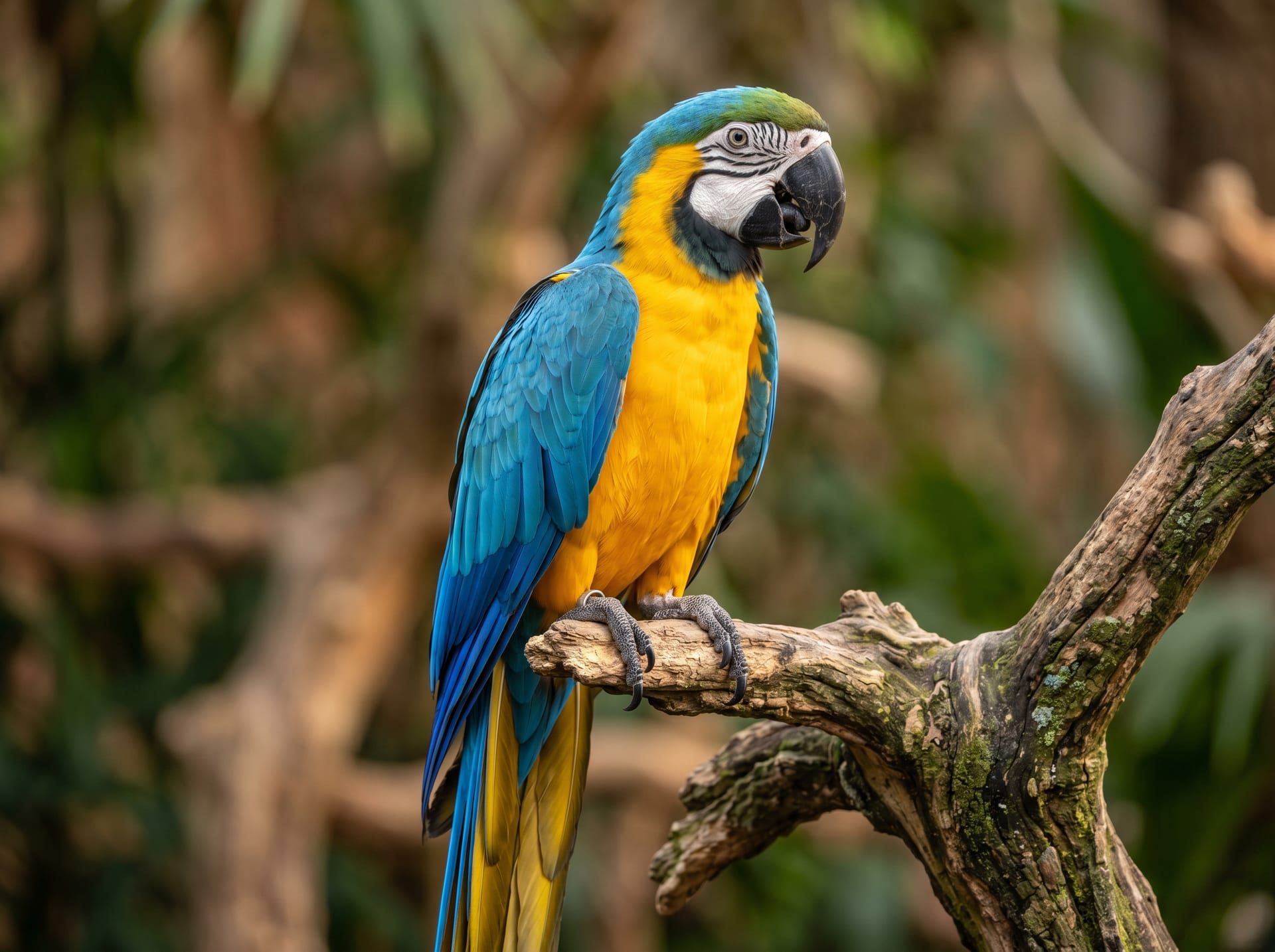
A hybrid macaw from the blue-and-yellow and the red-and-green macaw. Its mix of blue, green, red, orange and yellow varies from bird to bird, and it is said to be bred for a relaxed, calm personality.
Difficulty
Advanced
Temperature
15〜30℃
Lifespan
Over 60 years recorded
Size
Little data
Humidity
40〜60%
Diet
Large-parrot pellets or seed, nuts, fruit and vegetables
About
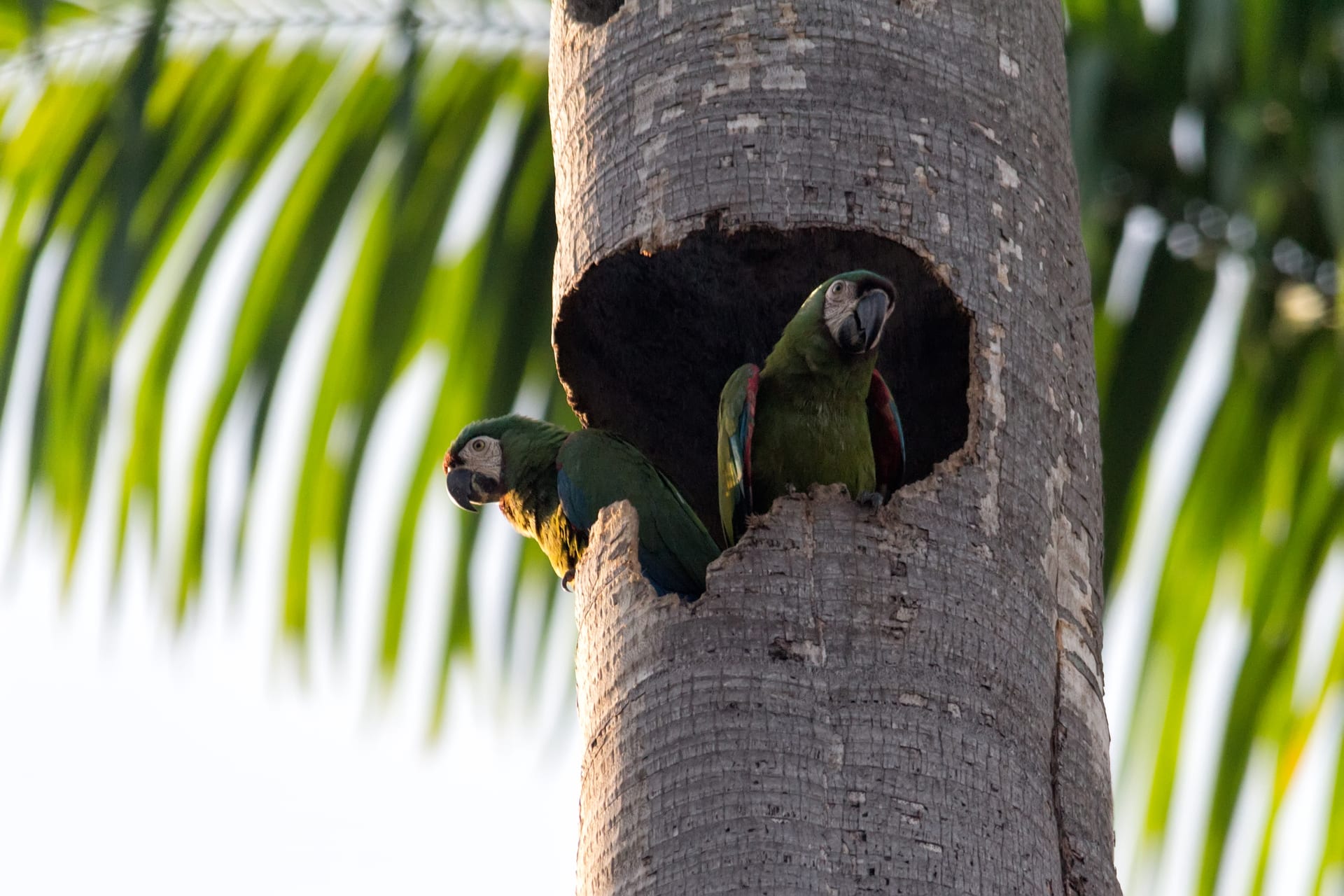
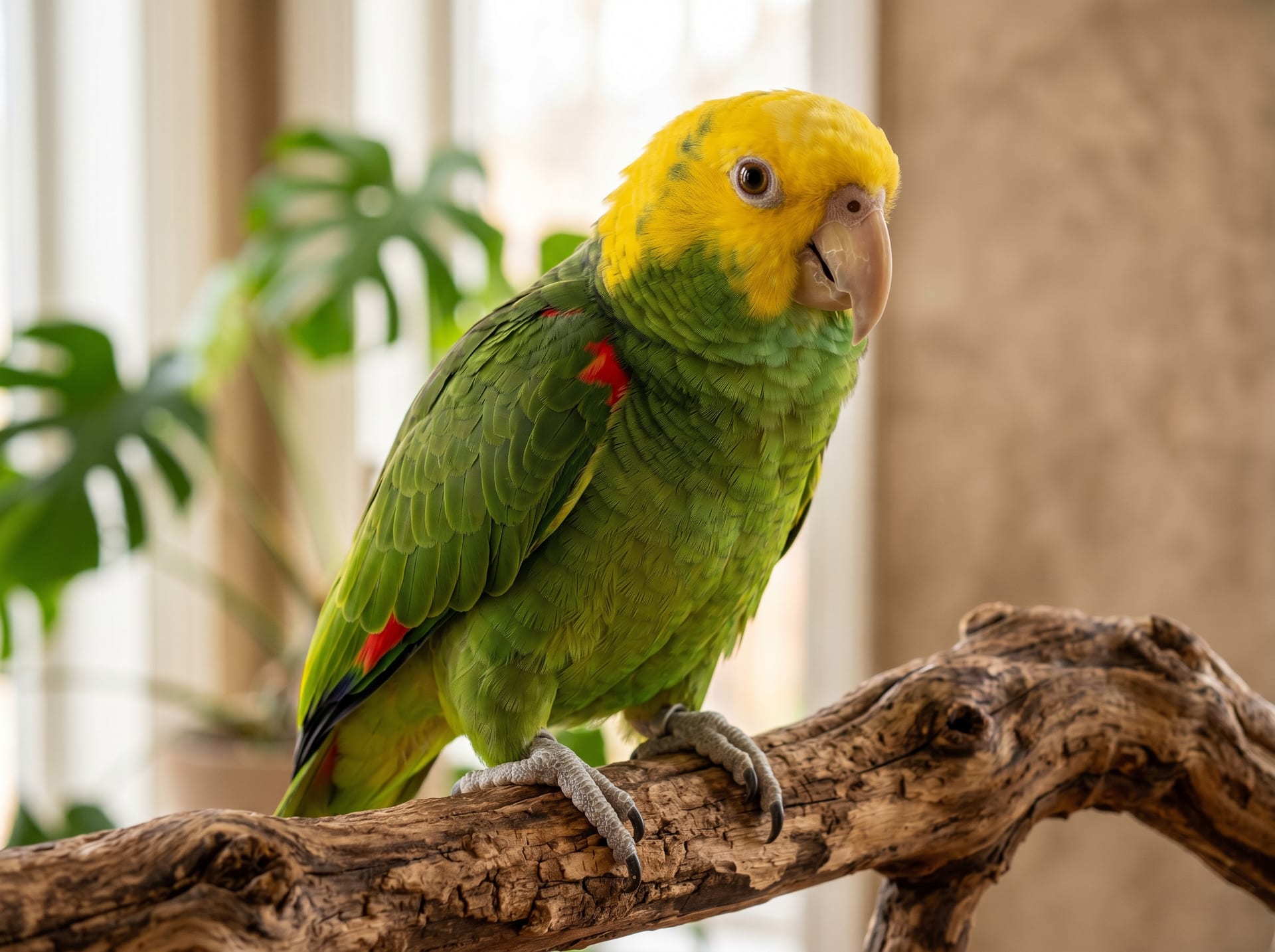
The harlequin macaw is a first-generation (F1) hybrid between the blue-and-yellow macaw (Ara ararauna) and the red-and-green macaw (Ara chloropterus). Hybrid macaws have no scientific names and are labelled by their two parent species. Macaws can hybridise and produce fertile young, and hybrids have been bred in captivity for their unusual colours. The harlequin is cited as an example bred for a relaxed, calm personality, though temperament and colour vary between individuals. Both parents are large: the blue-and-yellow reaches 81-91 cm and 1.0-1.5 kg, and the red-and-green 90-95 cm. Macaws scream for attention, and flock calls and destructive chewing are natural behaviours to be expected in captivity. They also need space to fly; the World Parrot Trust recommends that an enclosure for a blue-and-yellow macaw be at least 15 m long if possible. Well-kept captive macaws have lived 60 years or more, so owners must plan for the bird to outlive them. Some breeders regard deliberate hybridisation as unethical because it dilutes the parent bloodlines. In Japan it is sold by shops specialising in large parrots.
Source: Wikipedia (CC BY-SA 4.0)
Lifespan of the Harlequin Macaw
The Harlequin Macaw lives Over 60 years recorded.
Basic Info
Origin
Captive-bred hybrid (the parent species live in the tropical lowland forests of Central and South America)
Lifespan
Over 60 years recorded
Size
Little data
Temperature
15〜30℃
References & Sources
Edited & verified by: BreederDirect editorial team
The taxonomic, regulatory, and husbandry data on this page are compiled and verified against the authoritative primary sources below.
Taxonomy & Authority
Regulations & Conservation Status
CITES Appendix II
A hybrid of the blue-and-yellow macaw (Ara ararauna) and the red-and-green macaw (Ara chloropterus). Both parents are in CITES Appendix II as parrots, and the hybrid is treated as Appendix II. International trade needs an export permit, but no registration under Japan's species conservation law is needed to transfer birds within Japan. Imports are subject to animal import notification under the Infectious Diseases Control Law.
Sources: Species+ (Ara ararauna) / Species+ (Ara chloropterus)
Regulations may change. Always verify the latest information with the relevant authorities.
Harlequin Macaw Listings
Loading latest listingsFind listings for this species