Source: Wikimedia Commons
Barbary Dove (Ringneck Dove)
BeginnerStreptopelia roseogrisea
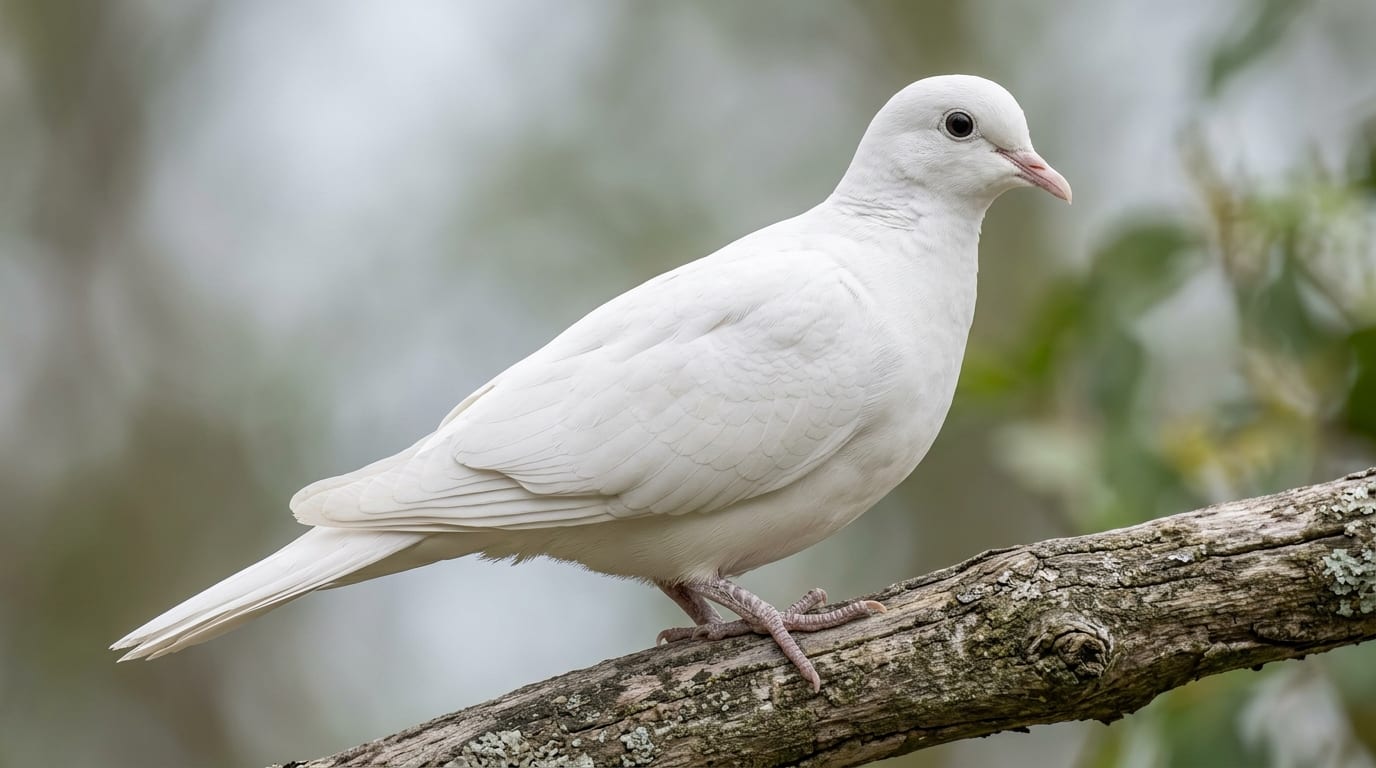
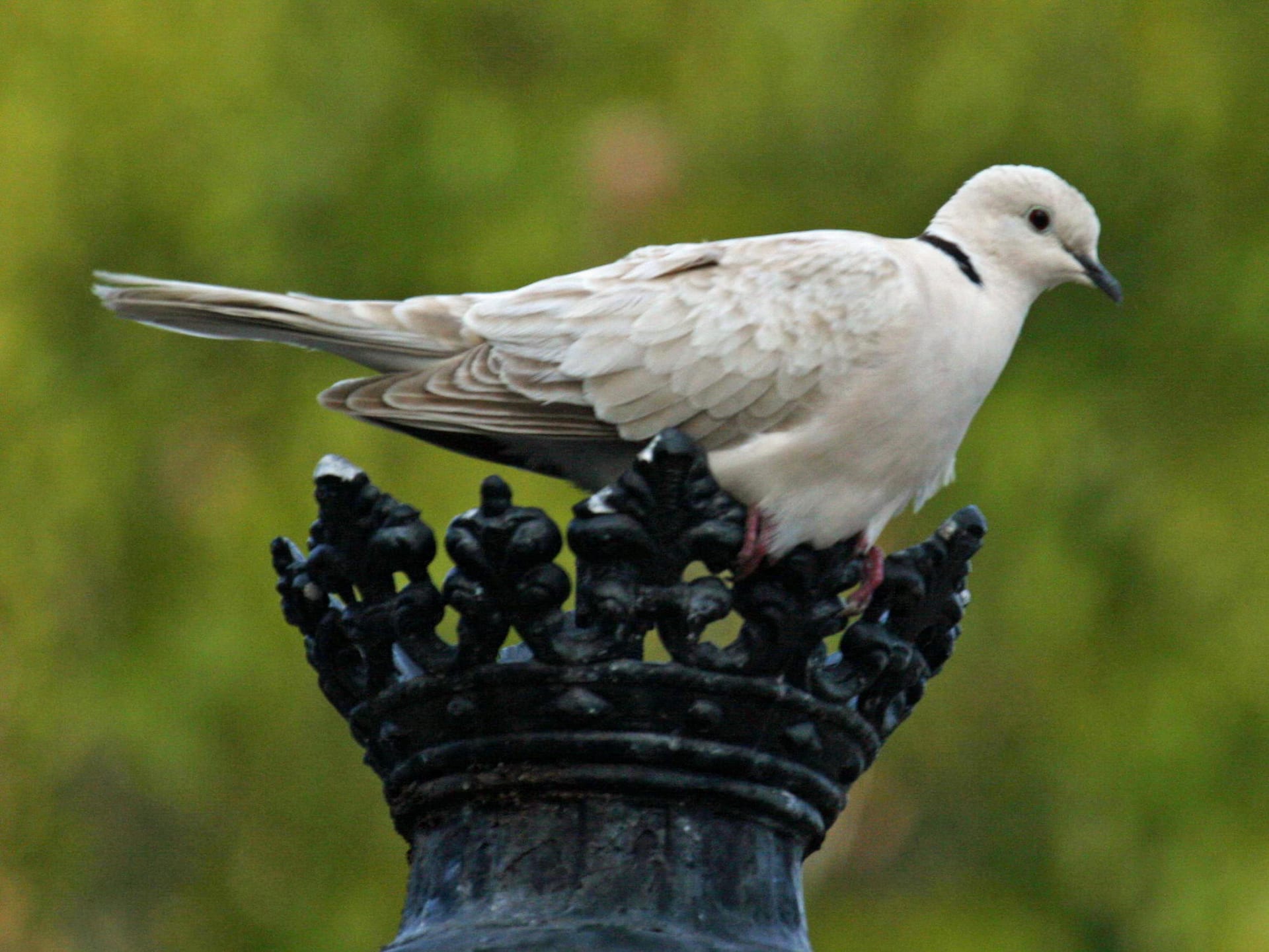
A domesticated dove, pale sandy overall with a black half-collar on the nape. Easy to keep and long-lived, its consistent sequences from courtship to rearing young have also made it a standard subject in research on reproductive behaviour.
Difficulty
Beginner
Temperature
15〜30℃
Lifespan
About 12 years in captivity, with cases over 20 years and one record of 29 years
Size
About 26cm in the wild African collared dove ancestor (130-166g)
Humidity
40〜60%
Diet
Pigeon mixes of grains and pulses, greens, a calcium source such as oyster shell, and clean drinking water
About
The Barbary dove, also called the ringneck or ring dove, is a domestic member of the pigeon family. It was formerly believed to be a domesticated form of the Eurasian collared dove (Streptopelia decaocto), but genetic evidence has shown it to be a domesticated form of the African collared dove (Streptopelia roseogrisea); the time of domestication is uncertain. Fanciers have bred the doves in a great variety of colours, and the dramatic increase in colours available in the later twentieth century is thought to have come from interbreeding with imported African collared doves. The birds are easily kept and long-lived, reaching about 12 years in captivity with cases over 20 years and one of 29. Because their sequences of courtship, mating and parental behaviour have been described accurately and are highly consistent in form, they have been used extensively in biological research into the hormonal bases of reproductive behaviour. The coo is produced by muscles that vibrate air sent up from the lungs.
Source: Wikipedia (CC BY-SA 4.0)
Lifespan of the Barbary Dove (Ringneck Dove)
The Barbary Dove (Ringneck Dove) lives About 12 years in captivity, with cases over 20 years and one record of 29 years.
Size of the Barbary Dove (Ringneck Dove)
The Barbary Dove (Ringneck Dove) grows to About 26cm in the wild African collared dove ancestor (130-166g).
The wild ancestor is about 26 cm long and weighs 130-166 g, living in arid lands but staying around water sources.
Basic Info
Origin
A domesticated form; the wild ancestor lives in the Sahel, the northern Horn of Africa and southwestern Arabia
Care Specifications
PeacefulPair
Sources: Wikipedia - Barbary dove / Wikipedia - African collared dove
References & Sources
Edited & verified by: BreederDirect editorial team
The taxonomic, regulatory, and husbandry data on this page are compiled and verified against the authoritative primary sources below.
Taxonomy & Authority
Accepted name: Streptopelia roseogrisea (Sundevall, 1857)
Synonyms: Streptopelia risoria, Columba risoria
Authority databases: GBIF
Nomenclature follows global taxonomic authority databases.
Regulations & Conservation Status
Not CITES-listed
Streptopelia roseogrisea. It is not listed in the CITES Appendices and does not appear in the Japanese schedule of designated dangerous animals. As a domesticated form, released birds can establish in the wild, so they must not be released or abandoned.
Sources: CITES Appendices (species not listed) / Cabinet Order under the Act on Welfare and Management of Animals, appended table (designated dangerous animals)
Regulations may change. Always verify the latest information with the relevant authorities.
Barbary Dove (Ringneck Dove) Listings
Loading latest listingsFind listings for this species