Source: Wikimedia Commons
Blue-headed Parrot (Pionus)
IntermediatePionus menstruus
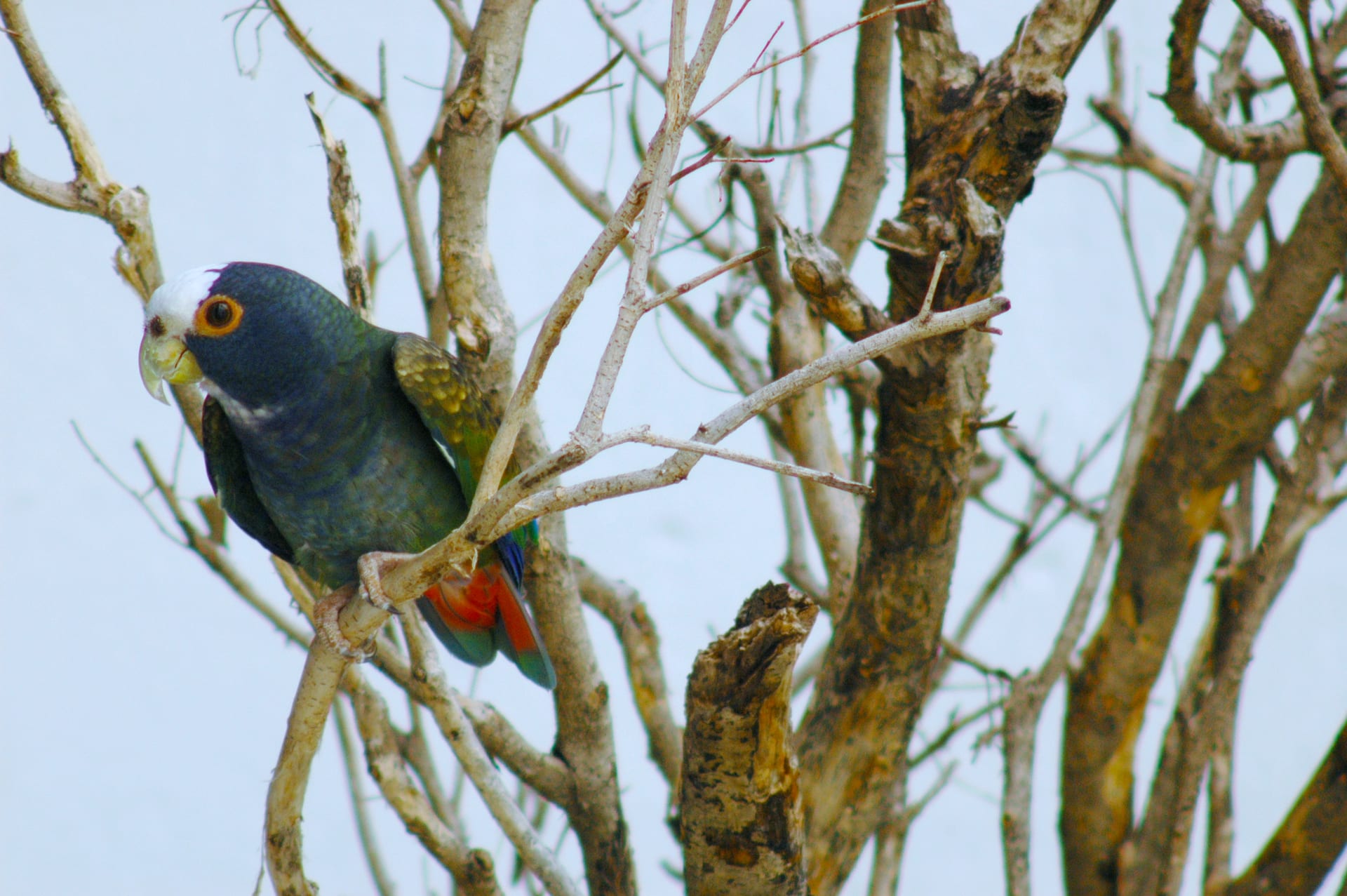
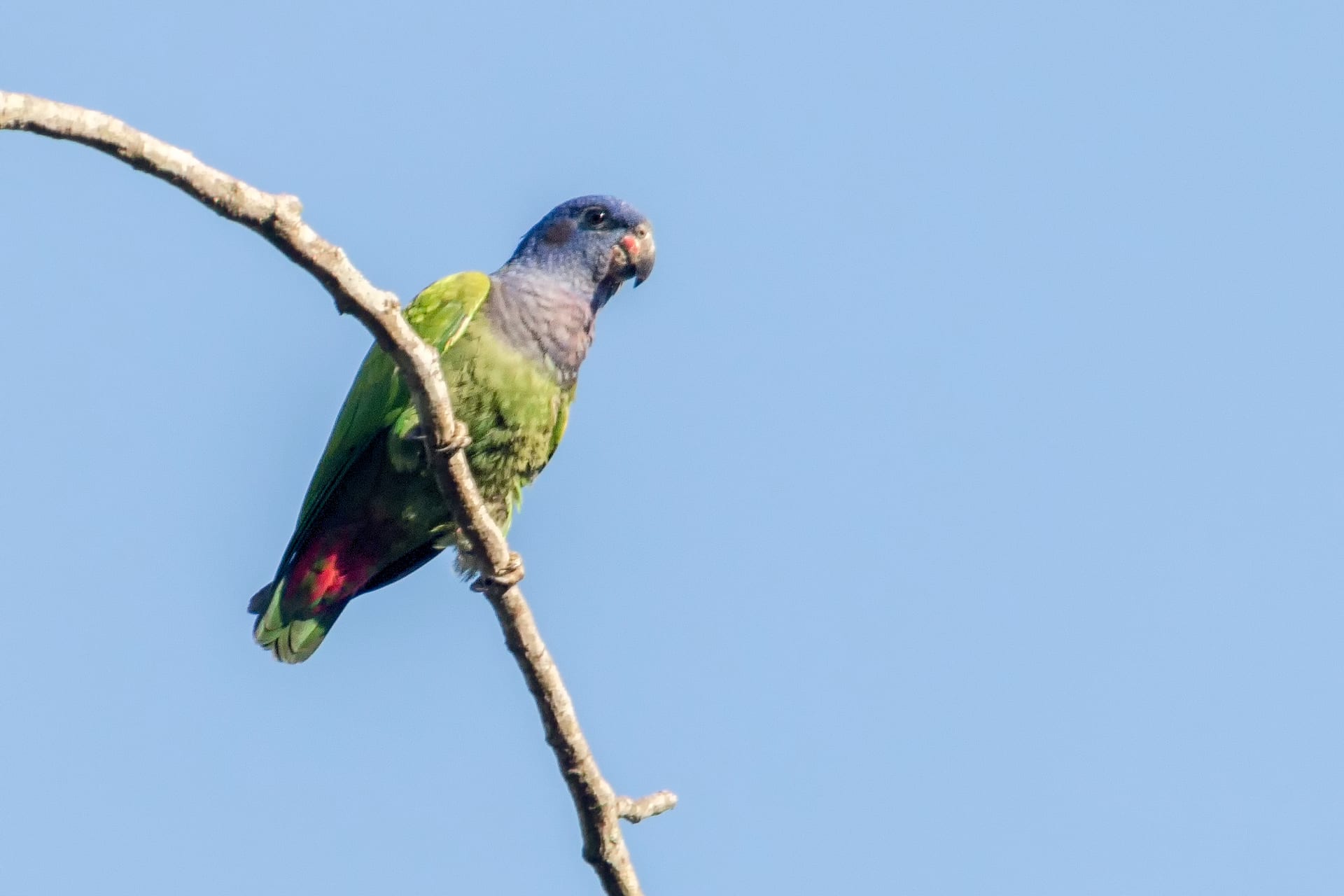
A medium parrot 28 cm long, deep blue from head to breast with a green body and red undertail coverts.
Difficulty
Intermediate
Temperature
15〜30℃
Lifespan
30-45 years
Size
27-28cm (234-295g)
Humidity
40〜60%
Diet
Fruit (about 30 per cent of the diet), vegetables, greens, spray millet, small seeds, pulses and pellets
About
The blue-headed parrot, or blue-headed pionus (Pionus menstruus), is widespread from southern Central America through South America. Besides the nominate subspecies found through most of its South American range, rubrigularis of southern Central America and the Choco is paler overall and usually shows a distinct pinkish throat patch, while reichenowi of the Atlantic Forest of east Brazil has a paler bill and mostly blue underparts. In all subspecies male and female are alike, and juveniles have less blue on the head plus red or pinkish feathers around the cere. It lives in deciduous woodland, cerrado, humid and wet forest, mature second growth, seasonally flooded varzea and gallery forest and plantations, up to 1,600 m. In captivity an aviary or suspended enclosure 2-3 m long is recommended, and the birds are avid chewers. Clutches are of three to four eggs, with a long fledging period of ten weeks.
Source: Wikipedia (CC BY-SA 4.0)
Lifespan of the Blue-headed Parrot (Pionus)
The Blue-headed Parrot (Pionus) lives 30-45 years.
Size of the Blue-headed Parrot (Pionus)
The Blue-headed Parrot (Pionus) grows to 27-28cm (234-295g).
It is 27-28 cm long and weighs 234-295 g, deep blue from head to breast with a green body and red undertail coverts.
Basic Info
Origin
Southern Central America and South America (Colombia, Venezuela, Brazil, Peru, Bolivia and beyond)
Lifespan
30-45 years
Care Specifications
PeacefulPair
Sources: World Parrot Trust Parrot Encyclopedia / Wikipedia - Blue-headed parrot
References & Sources
Edited & verified by: BreederDirect editorial team
The taxonomic, regulatory, and husbandry data on this page are compiled and verified against the authoritative primary sources below.
Taxonomy & Authority
Accepted name: Pionus menstruus (Linnaeus, 1766)
Synonyms: Psittacus menstruus
Authority databases: GBIF
Nomenclature follows global taxonomic authority databases.
Regulations & Conservation Status
CITES Appendix IIIUCN LC · Least Concern
Pionus menstruus. The order Psittaciformes is listed in CITES Appendix II except for species placed in Appendix I, so this species is Appendix II and international trade requires an export permit.
Sources: CITES Appendices (Appendix II) / IUCN Red List
Regulations may change. Always verify the latest information with the relevant authorities.
Blue-headed Parrot (Pionus) Listings
Loading latest listingsFind listings for this species