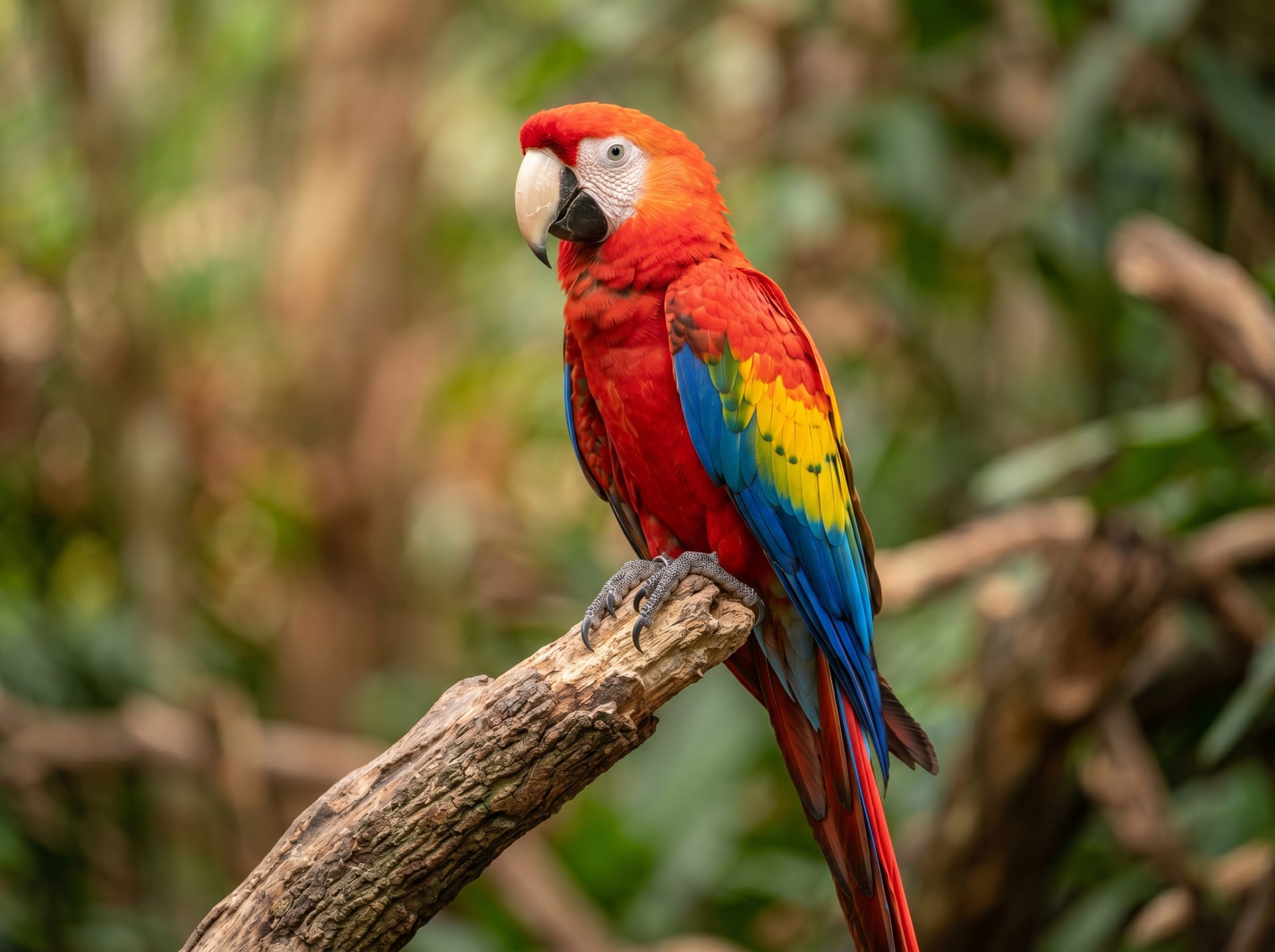
Pionus Parrots: An Introduction
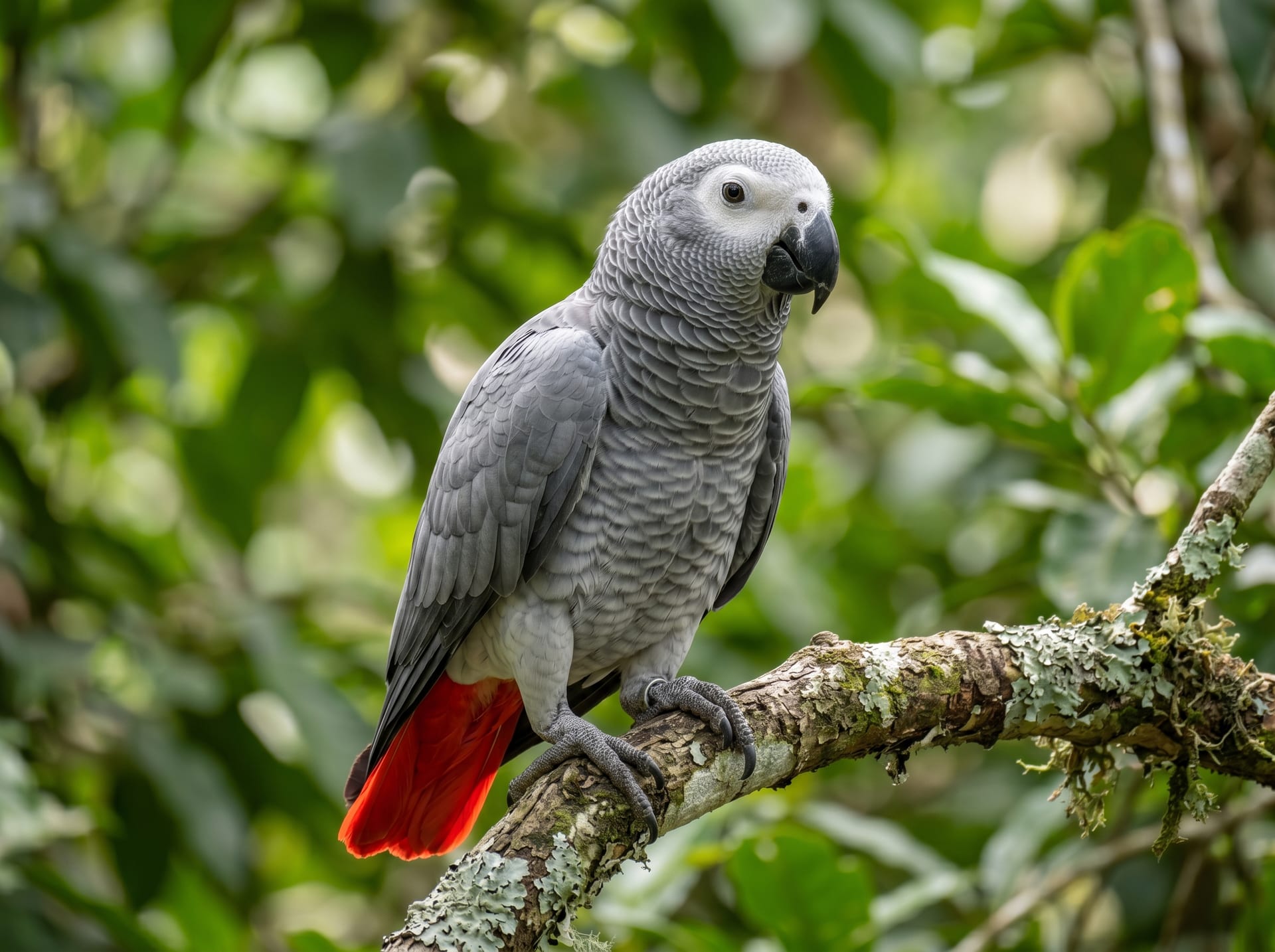
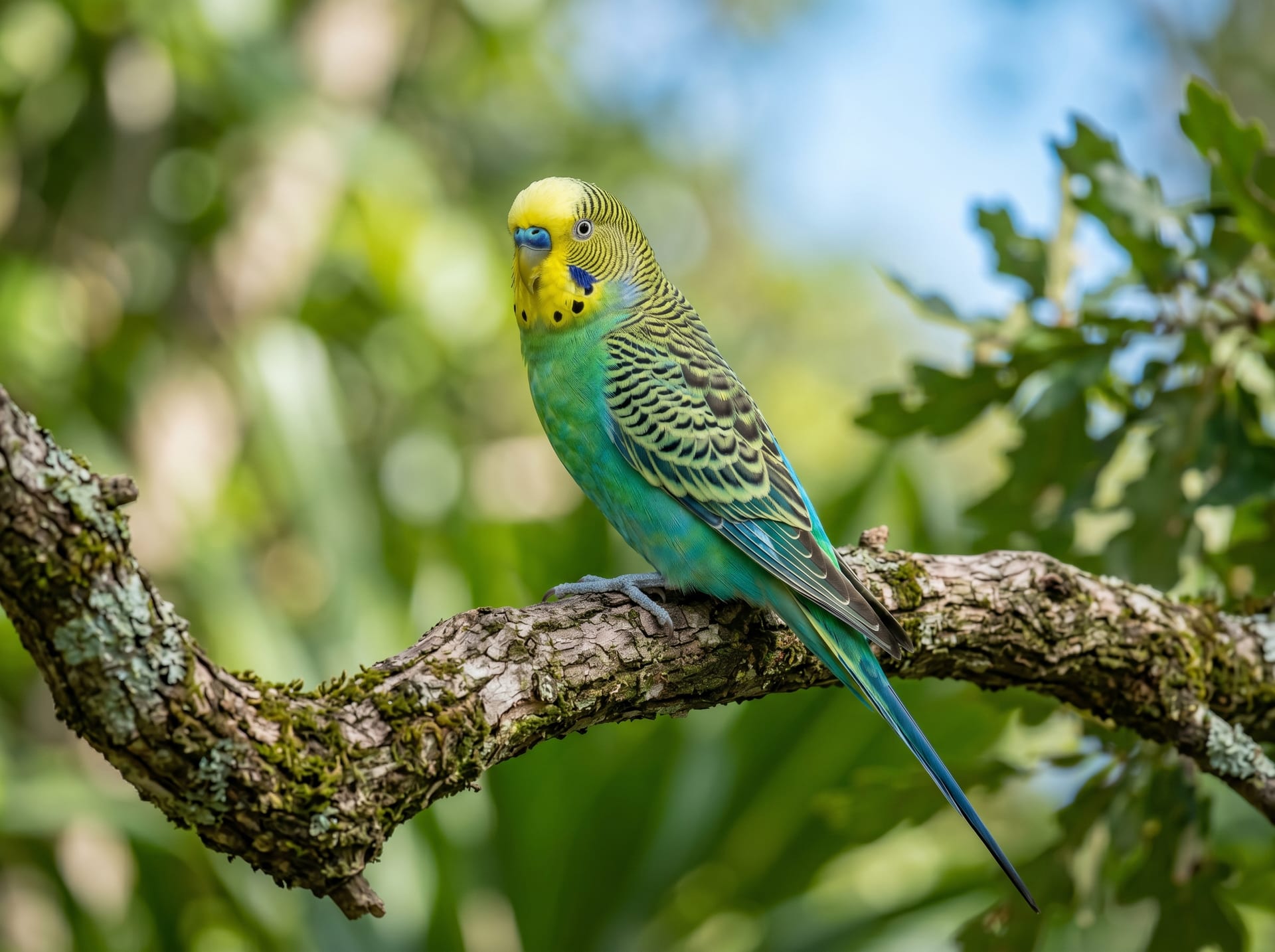
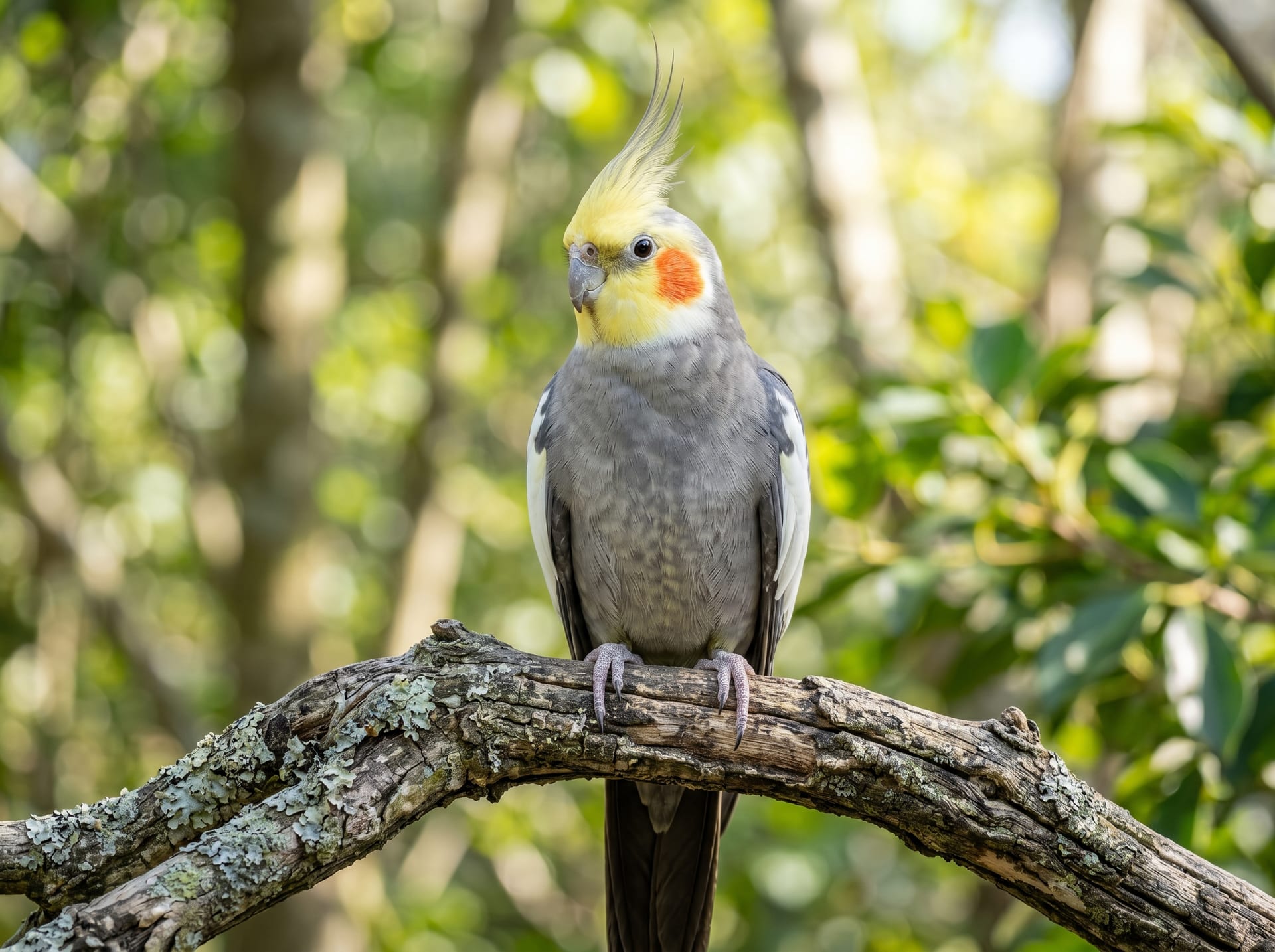
The Pionus genus (Pionus sp.) is a group of medium-sized parrots native to Central and South America, with eight species identified. At 25–29 cm in body length, they are smaller than macaws and African grey parrots, yet noticeably larger than budgerigars and cockatiels—a truly "just-right size" bird.
While relatively unknown in the broader parrot community, among experienced aviculturists in Western countries, Pionus parrots are highly regarded as "calm, intelligent birds that make wonderful long-term companions."
Representative Species
| Common Name | Body Length | Characteristics |
|---|
| Blue-headed Pionus | 28 cm | Blue head, green body, red at tail base |
| Bronze-winged Pionus | 29 cm | Metallic-sheen wings, pink beak |
| Scaly-headed Pionus | 27 cm | Scaly white feather pattern on head |
| White-capped Pionus | 24 cm | White forecrown, compact size |
| Plum-crowned Pionus | 29 cm | Beautiful purple-red crown |
The Appeal and Considerations of Pionus Parrots
Appeal
Quiet Nature: Compared to African grey parrots, macaws, and cockatoos, Pionus parrots have relatively soft vocalizations, making them acceptable for apartment living in some cases (though individual variation exists).
Calm Temperament: They exhibit low aggression levels and tend to show fewer intense emotional reactions—such as biting or screaming—compared to other medium-sized parrots.
Moderate Intelligence: While not as intellectually advanced as African greys, Pionus parrots can learn simple words and tricks.
Longevity: With proper care, they can live 25–35 years.
Considerations
Pionus Wheeze: When startled or excited, Pionus parrots produce a distinctive "wheezing" sound. This is normal behavior, not a sign of illness, but it can be surprising to first-time listeners.
Wariness Around Strangers: Many individuals take considerable time to become accustomed to humans, requiring patience during the first few months of interaction.
Fatty Liver Risk: This species is prone to obesity and fatty liver disease if fed a high-fat diet (sunflower seeds and avocado are strictly forbidden).
Appropriate Cage and Space
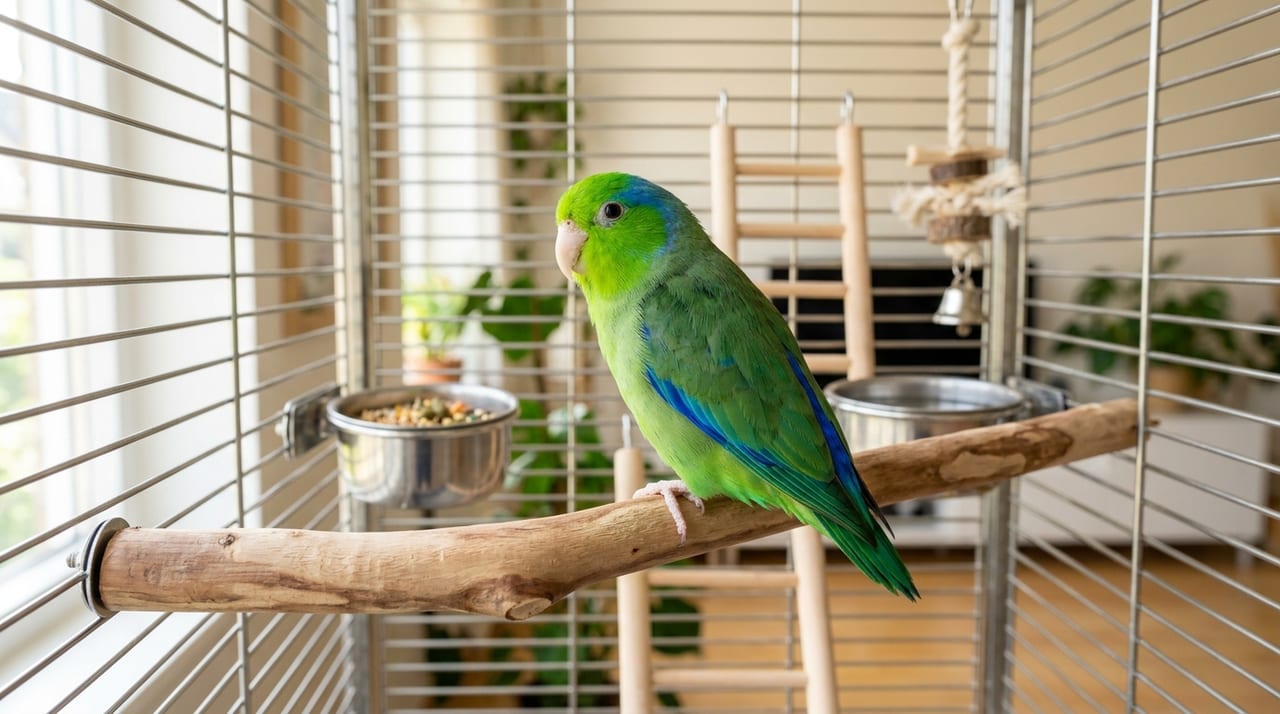
Pionus parrots, being medium-sized, require adequate space.
Recommended Cage Size
| Dimension | Minimum | Recommended |
|---|
| Width | 60 cm | 80 cm or larger |
| Depth | 50 cm | 70 cm or larger |
| Height | 80 cm | 100 cm or larger |
| Bar Spacing | 15–20 mm | Stainless steel recommended |
Cage Layout
- Perches: Install multiple perches of varying diameters (2–3 cm and 3–4 cm) to maintain foot health.
- Toys: Regularly rotate sturdy wooden toys, ropes, and foraging toys (puzzle feeders) to maintain enrichment.
- Water Bath: These birds enjoy bathing 2–3 times per week. Provide shallow pans or use a spray bottle.
Out-of-Cage Time: A minimum of 1–2 hours of daily flight time outside the cage is necessary. Ensure thorough room safety checks (ventilation fans, windows, toxic houseplants).
Diet Management
Because Pionus parrots are susceptible to high-fat diets, a pellet-based diet is recommended.
Basic Diet Composition
| Food | Percentage | Details |
|---|
| High-quality Pellets | 60–70% | Harrisons, Roudybush, ZuPreem Natural, etc. |
| Fresh Vegetables & Fruit | 20–30% | Kale, carrots, broccoli, blueberries, apples, etc. |
| Seeds & Nuts | 5–10% | As treats only, not as main diet |
Foods to Avoid (Toxic)
- Avocado (all parts) → Lethal toxin
- Chocolate & Caffeine
- Onions & Garlic
- Alcohol & Carbonated Beverages
- High-sodium Foods
Introducing Foraging: Placing food in foraging toys mimics natural feeding behavior in the wild. This increases mental enrichment and helps reduce problem behaviors.
Socialization and Communication
While Pionus parrots take time to acclimate, once trust is established, they maintain stable relationships over the long term.
Tips for Acclimation
- First 1–2 weeks: Sit near the cage and speak gently without forcing contact.
- Weeks 3–4: Place favorite treats on your hand and allow the bird to approach voluntarily.
- Months 1–2: Once the bird accepts food from your hand, begin training it to perch on your finger.
- Be Patient: The bird's mood varies day to day; accept refusals gracefully.
Hand-Training Tips: Begin with "step up" training (using the command "step up" to have the bird perch on your hand). Never force; move slowly and speak while maintaining eye contact.
Health Management and Regular Checkups
Pionus parrots have a natural instinct to hide illness, making regular health monitoring essential.
Daily Checklist
- Daily weight check (same time each day; any change over 10% is abnormal)
- Fecal monitoring (check uric acid, moisture, color, and consistency)
- Feather condition (check for ruffling, missing feathers, or abnormal sheen)
- Eyes, nose, and beak area (check for discharge or deformities)
- Respiratory sounds (listen for abnormal sounds apart from normal Pionus wheeze)
Recommended Checkup Frequency: Annual to biannual veterinary exams with an avian specialist. These should include blood work, crop examination, and weight monitoring.
Common Health Issues
Aspergillosis (fungal infection): Occurs in poorly ventilated, high-humidity environments. Symptoms include respiratory distress and weight loss.
Proventricular Dilatation Disease (PDD): A digestive disorder caused by avian bornavirus, characterized by weight loss and undigested feces.
Fatty Liver Syndrome: Caused by high-fat diet. Prevention through pellet-based feeding.
Summary: A Medium-Sized Parrot for the Long Haul
Pionus parrots may not suit those seeking flashy plumage or loud vocalizations, but they are ideal companions for those who prefer to cultivate a quiet, deep bond.
Their 25–35-year lifespan means living alongside major life events (moving, marriage, raising children). Before committing to ownership, imagine your life 30 years from now and make a responsible choice. With consistent, proper care, Pionus parrots become irreplaceable partners.