Source: Wikimedia Commons
Nagoya Cochin
BeginnerGallus gallus domesticus 'Nagoya'
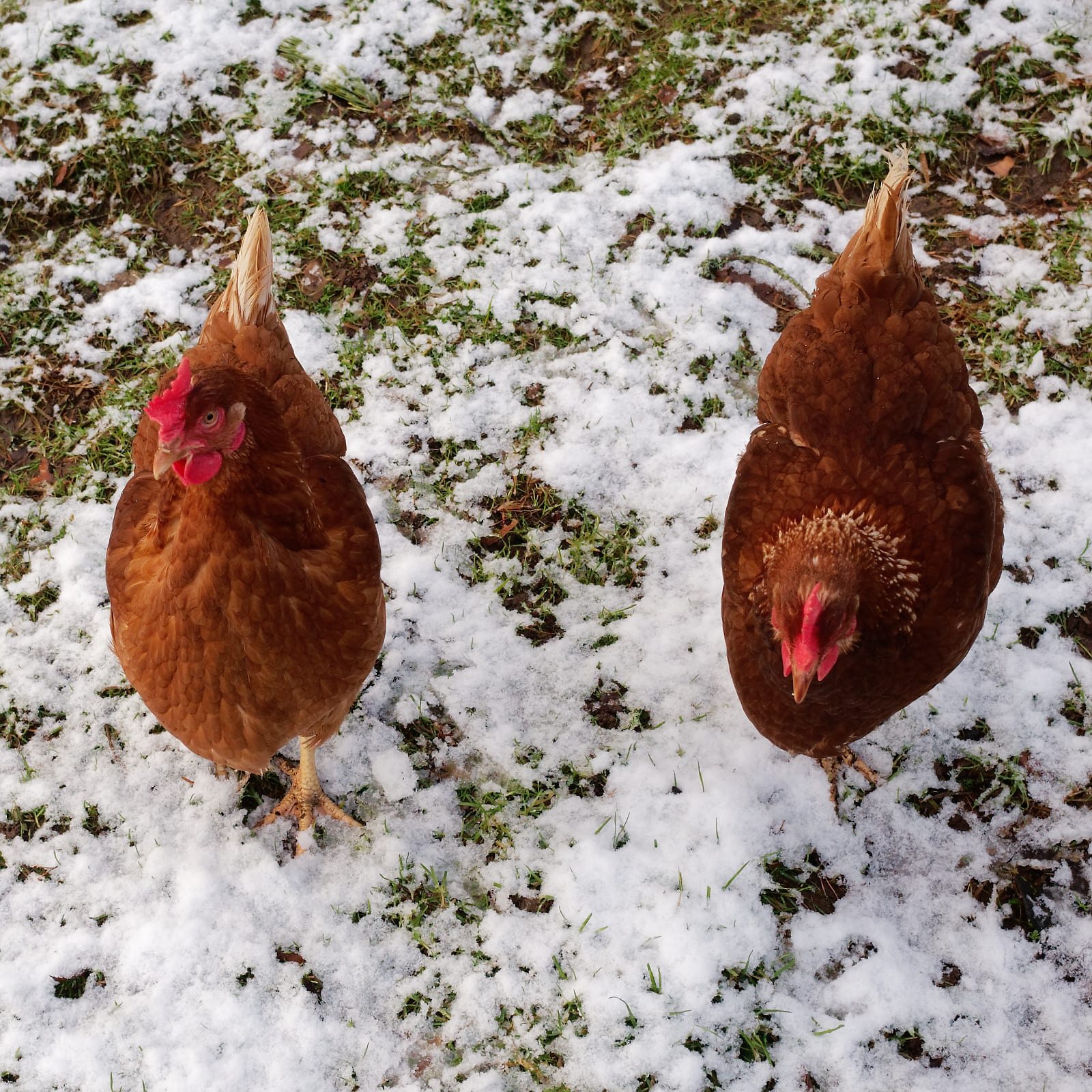
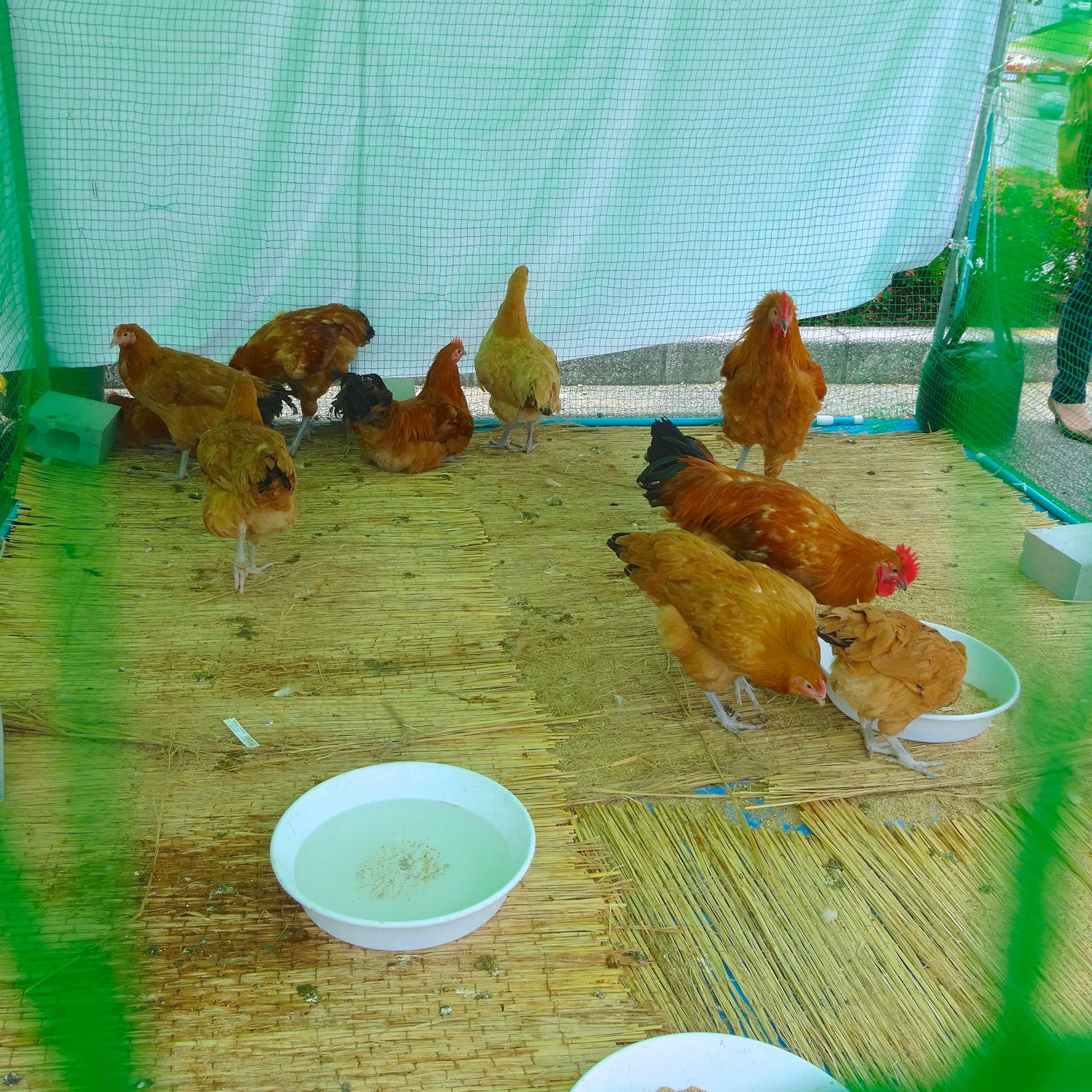
A buff-feathered chicken with lead-grey legs from Aichi Prefecture. Bred from local Owari fowl and Buff Cochins, it was recognised in 1905 as Japan's first domestic utility breed, and lays pinkish eggs.
Difficulty
Beginner
Temperature
15〜30℃
Lifespan
Little data
Size
About 2.4 kg (male), 2.0 kg (female)
Humidity
40〜60%
Diet
Commercial chicken feed for each growth stage, greens and oyster shell
About
The Nagoya Cochin (officially the Nagoya breed) is a dual-purpose chicken developed in Aichi Prefecture. In the early Meiji era the Kaifu brothers, former retainers of the Owari domain, crossed local Owari fowl with Buff Cochins from China, and on 10 March 1905 the Japan Poultry Association recognised it as Japan's first domestic utility breed. The foot feathering inherited from the Cochin was later bred out, and in 1919 it was renamed the Nagoya breed, although the name Nagoya Cochin remains in general use. Plumage is pale buff; males are redder with green-glossed black tails, and females have black tail tips. It has a single comb, reddish-chestnut eyes and lead-grey legs. It is placid and easy to keep and lays pinkish eggs with faint white speckles. Aichi Prefecture now maintains separate meat and egg types. It is a different breed from the Cochin (a large ornamental breed developed in the West), and is told apart by its clean legs and lead-grey shanks. Chicks and young birds are sold in Japan as poultry.
Source: Wikipedia (CC BY-SA 4.0)
Size of the Nagoya Cochin
The Nagoya Cochin grows to About 2.4 kg (male), 2.0 kg (female).
Adults weigh roughly 2.4 kg (male) and 2.0 kg (female), and the meat type reaches 2.7-3.0 kg and 2.0-2.4 kg at shipping.
Basic Info
Origin
Japan (Aichi Prefecture; local Owari fowl crossed with Buff Cochins)
Lifespan
Little data
Size
About 2.4 kg (male), 2.0 kg (female)
Temperature
References & Sources
Edited & verified by: BreederDirect editorial team
The taxonomic, regulatory, and husbandry data on this page are compiled and verified against the authoritative primary sources below.
Primary sources
- Wikipedia
- Act on Domestic Animal Infectious Diseases Control (Articles 12-3, 12-4)
- Enforcement Order (Article 4, animals subject to hygiene standards)
- Enforcement Regulation (Articles 21-5, 21-6, deadline and items)
- Aichi Prefectural Livestock Center - History and traits of the Nagoya Cochin
- NLBC Hyogo Station - Chicken breeds: Nagoya (weight, plumage, eggs)
- GBIF
Taxonomy & Authority
Regulations & Conservation Status
Not CITES-listed
A domestic chicken breed (Nagoya), not covered by CITES, the species conservation law or the cultural properties law. Under the Act on Domestic Animal Infectious Diseases Control, chickens are livestock subject to hygiene management standards, and anyone keeping even one bird must report the number kept to the prefecture (livestock hygiene service centre) by 15 June every year. Keepers of fewer than 100 birds file a simplified report, and those shipping no birds or eggs need no attachments.
Sources: Act on Domestic Animal Infectious Diseases Control (Articles 12-3, 12-4) / Enforcement Order (Article 4, animals subject to hygiene standards) / Enforcement Regulation (Articles 21-5, 21-6, deadline and items)
Regulations may change. Always verify the latest information with the relevant authorities.
Nagoya Cochin Listings
Loading latest listingsFind listings for this species