Source: Wikimedia Commons
Boris Brown
BeginnerGallus gallus domesticus 'Boris Brown'
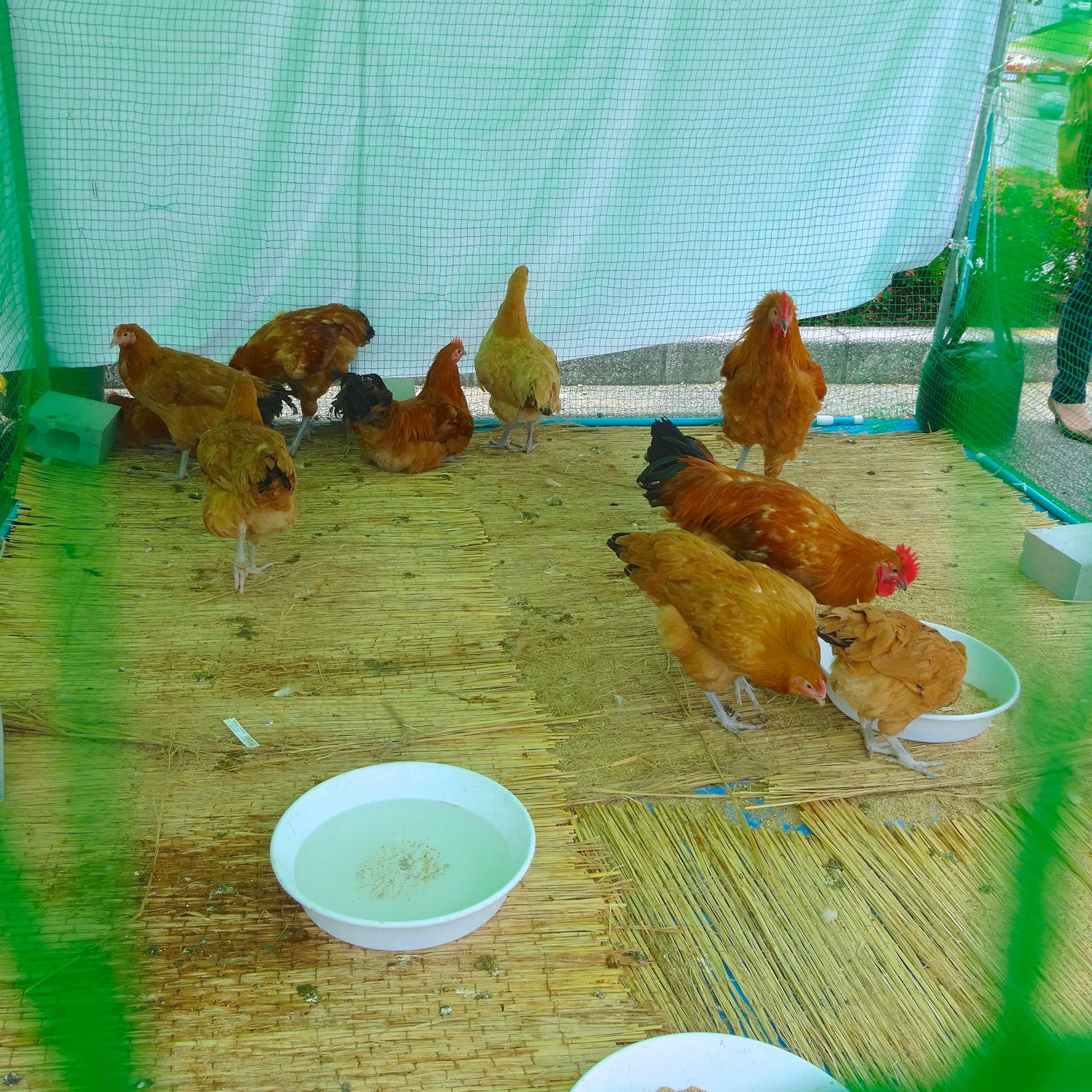
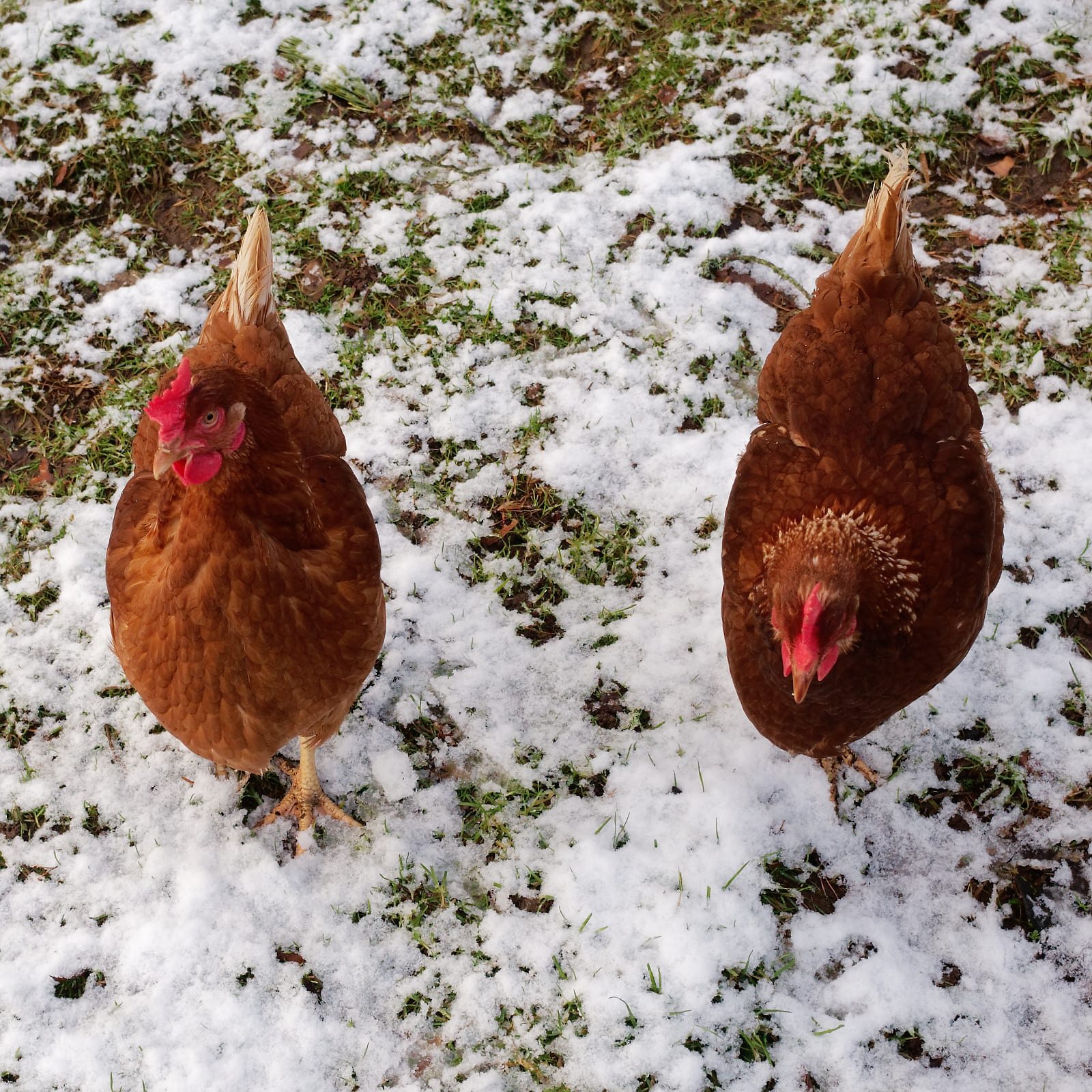
A commercial hybrid layer whose brown hens lay many light-brown eggs. It is the Japanese trade name for Hy-Line Brown from Hy-Line of the USA; males are white.
Difficulty
Beginner
Temperature
15〜30℃
Lifespan
Little data
Size
Little data
Humidity
40〜60%
Diet
Chicken rations for each stage, layer ration and oyster shell when laying, greens
About
Boris Brown is the Japanese trade name for a laying hen developed by Hy-Line of the USA and sold abroad as Hy-Line Brown. It is a brand, not a breed, and Gen Corporation is its distributor in Japan. It is a commercial layer bred for egg production on farms, a first-generation (F1) hybrid using Rhode Island Red lines. Hens are brown and cocks white. Eggs are light brown. The developer states that it lays close to 500 brown eggs by 100 weeks of age. Breeding Boris Browns together produces offspring unlike the parents, such as white hens and brown cocks, and the same performance is not passed on. Surplus chicks not sold to egg farms reach pet shops, so many are kept at home. Because it lays heavily, keep it on a layer ration containing calcium while laying. It is hard to tell apart from other brown layers by appearance, so the source of the chicks is the way to confirm it.
Source: Wikipedia (CC BY-SA 4.0)
Basic Info
Origin
Bred by Hy-Line, USA (a hybrid using Rhode Island Red lines)
Lifespan
Little data
Size
Little data
Temperature
15〜30℃
Humidity
40〜60%
Diet
Chicken rations for each stage, layer ration and oyster shell when laying, greens
Care Guide
References & Sources
Edited & verified by: BreederDirect editorial team
The taxonomic, regulatory, and husbandry data on this page are compiled and verified against the authoritative primary sources below.
Primary sources
- Wikipedia
- Act on Domestic Animal Infectious Diseases Control (Articles 12-3, 12-4)
- Enforcement Order (Article 4, animals subject to hygiene standards)
- Enforcement Regulation (Articles 21-5, 21-6, deadline and items)
- Hy-Line Brown (developer's variety page, eggs to 100 weeks)
- NLBC Hyogo Station - Rhode Island Red (parent stock for brown-egg layers)
- GBIF
Taxonomy & Authority
Regulations & Conservation Status
Not CITES-listed
A commercial hybrid laying hen, not covered by CITES, the species conservation law or the cultural properties law. Under the Act on Domestic Animal Infectious Diseases Control, chickens are livestock subject to hygiene management standards, and anyone keeping even one bird must report the number kept to the prefecture (livestock hygiene service centre) by 15 June every year. Keepers of fewer than 100 birds file a simplified report, and those shipping no birds or eggs need no attachments.
Sources: Act on Domestic Animal Infectious Diseases Control (Articles 12-3, 12-4) / Enforcement Order (Article 4, animals subject to hygiene standards) / Enforcement Regulation (Articles 21-5, 21-6, deadline and items)
Regulations may change. Always verify the latest information with the relevant authorities.
Boris Brown Listings
Loading latest listingsFind listings for this species