Source: Wikimedia Commons
Shamo
AdvancedGallus gallus domesticus 'Shamo'
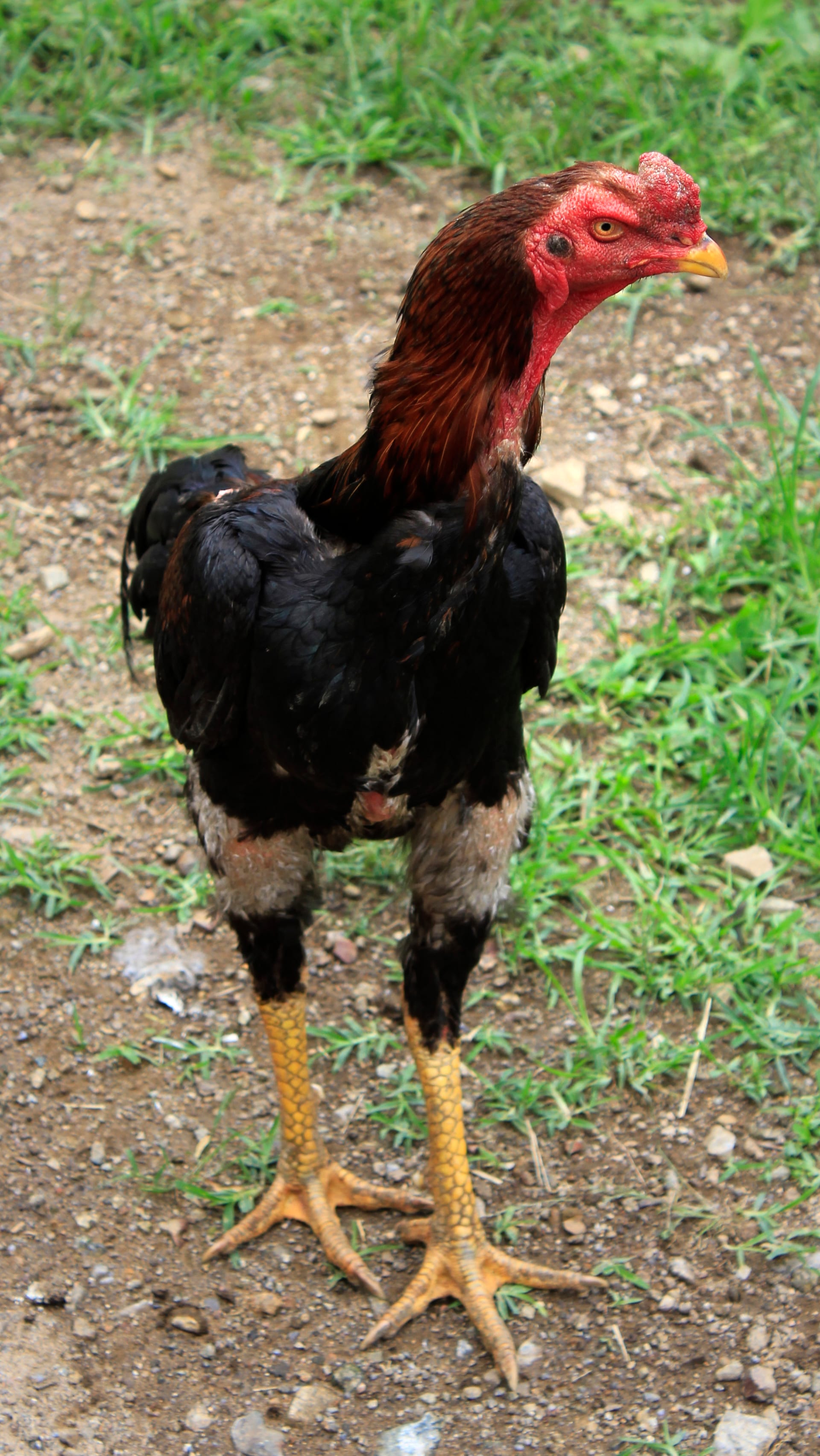
A Japanese chicken with an upright neck and powerful breast, developed in Japan from fighting fowl brought from Siam in the early Edo period. Extremely combative, it was designated a national natural monument in 1941.
Difficulty
Advanced
Temperature
15〜30℃
Lifespan
Little data
Size
Males 1.0-5.6 kg (by type)
Humidity
40〜60%
Diet
Chicken rations for each growth stage, greens and oyster shell for layers, with feed adjusted to prevent overeating
About
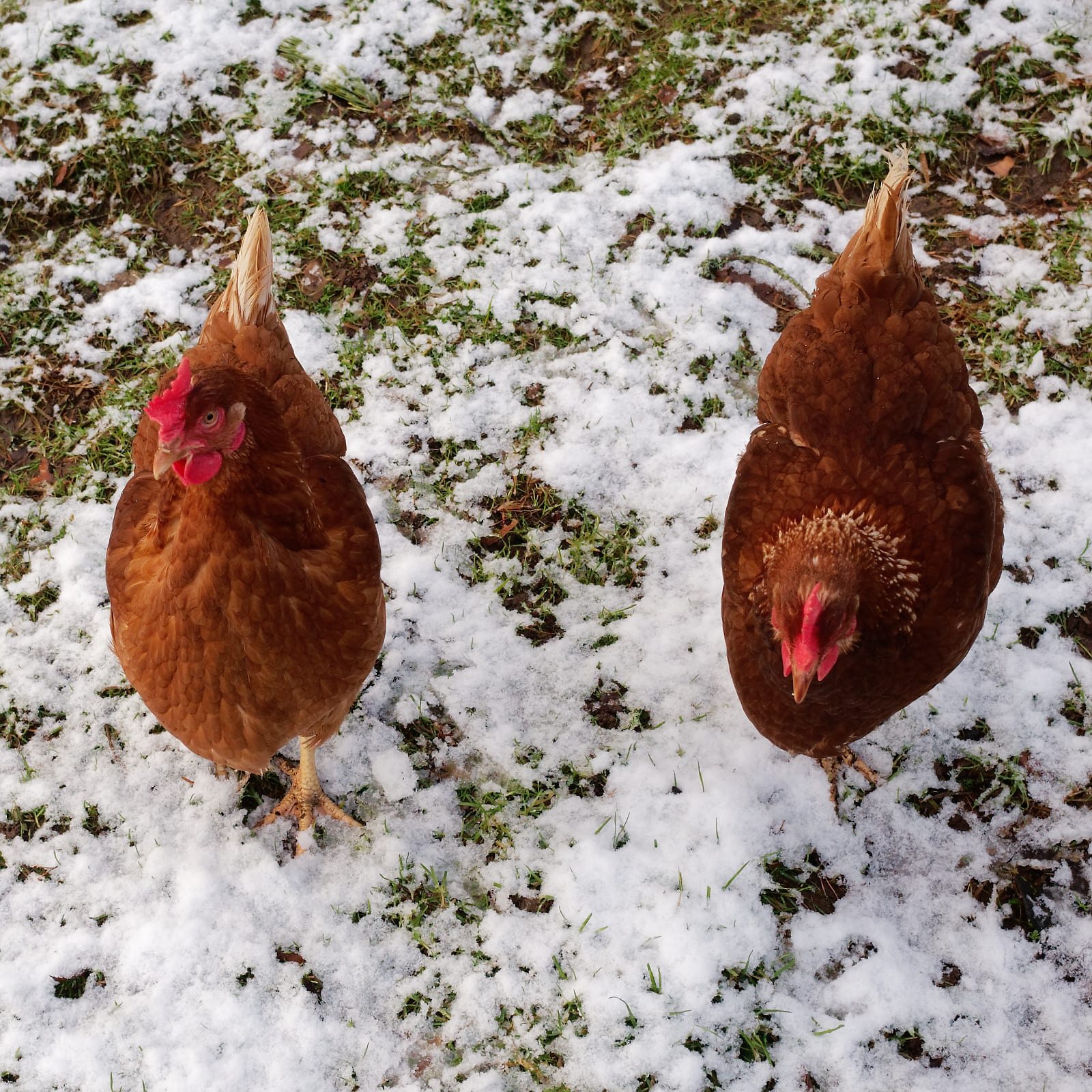
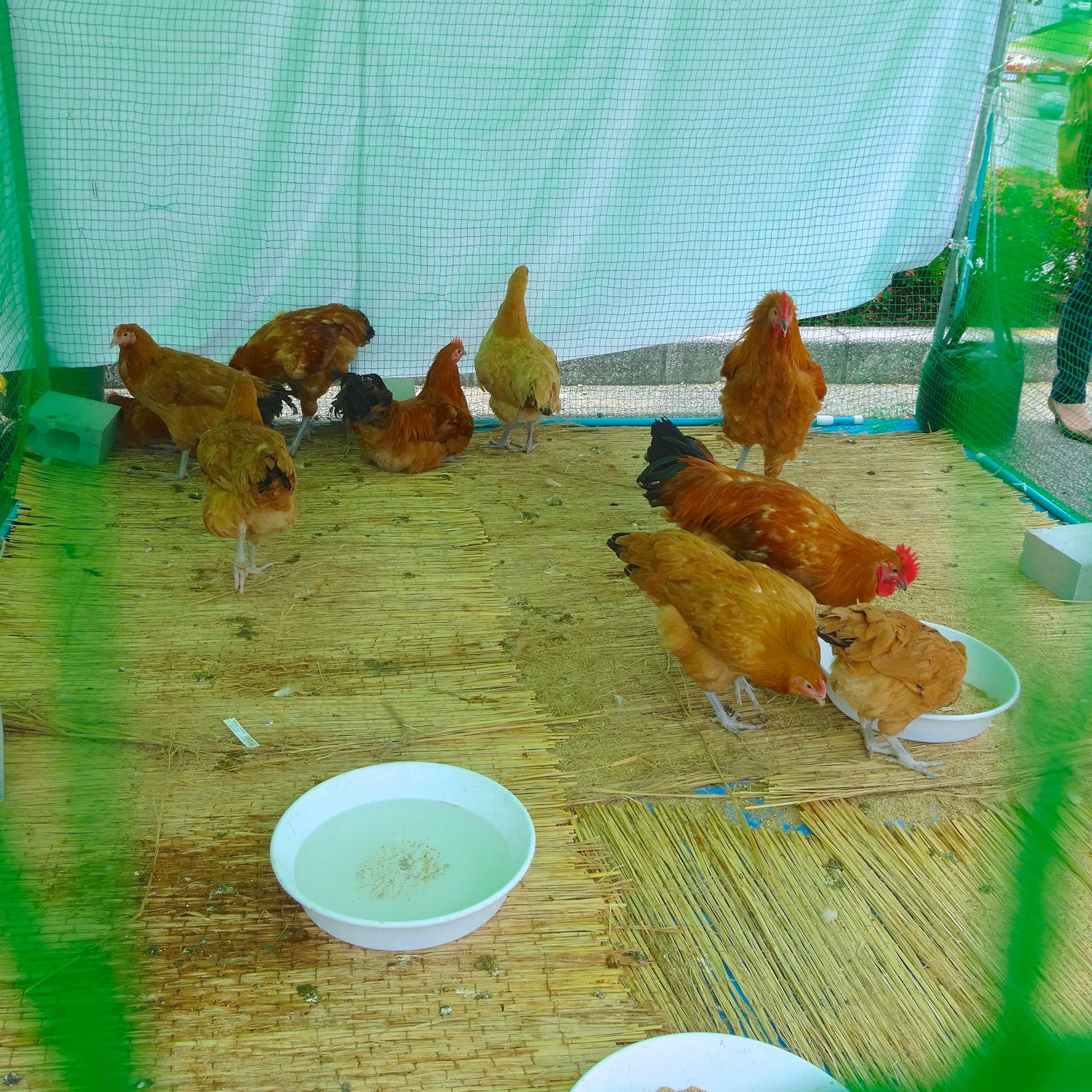
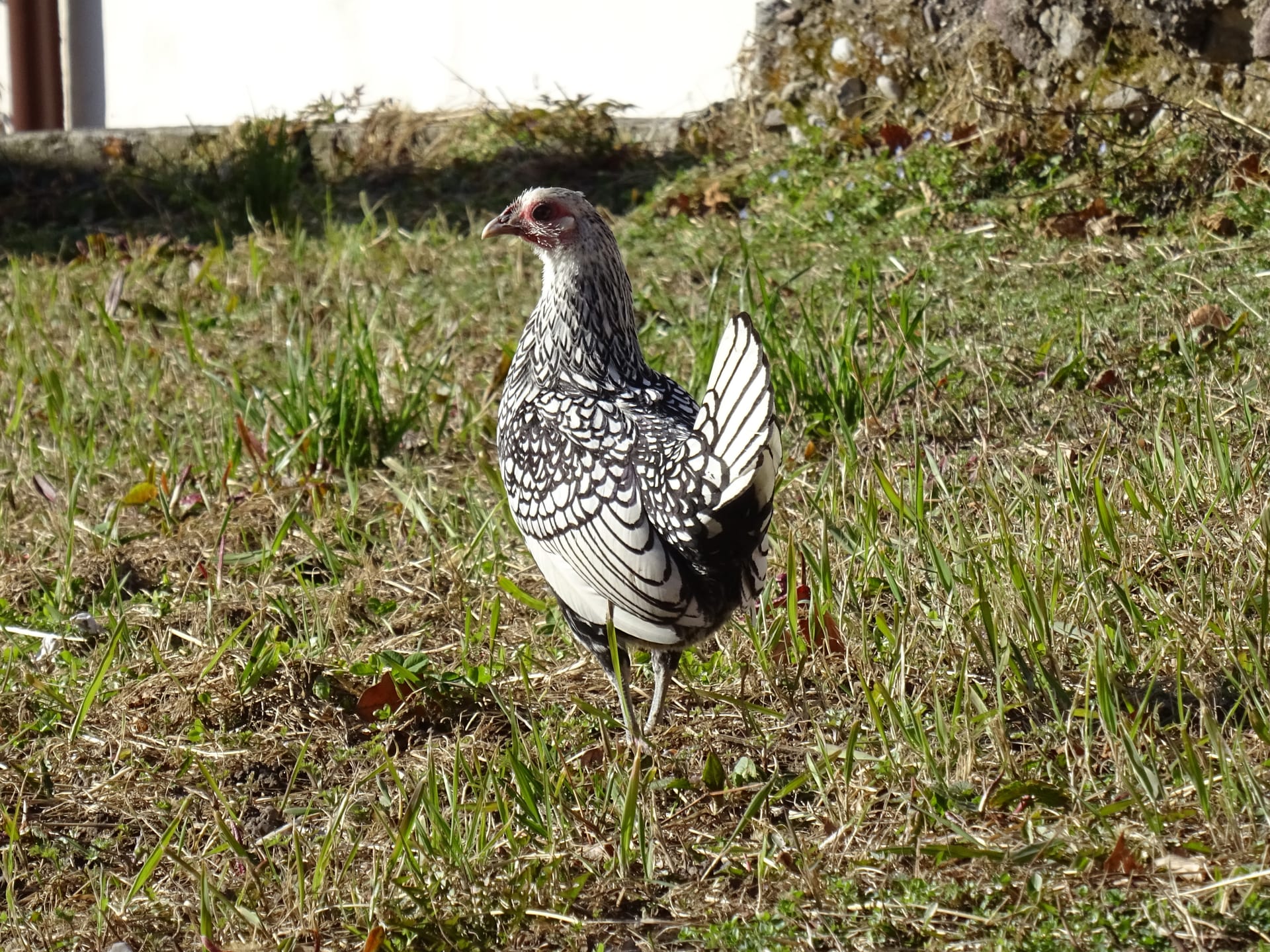
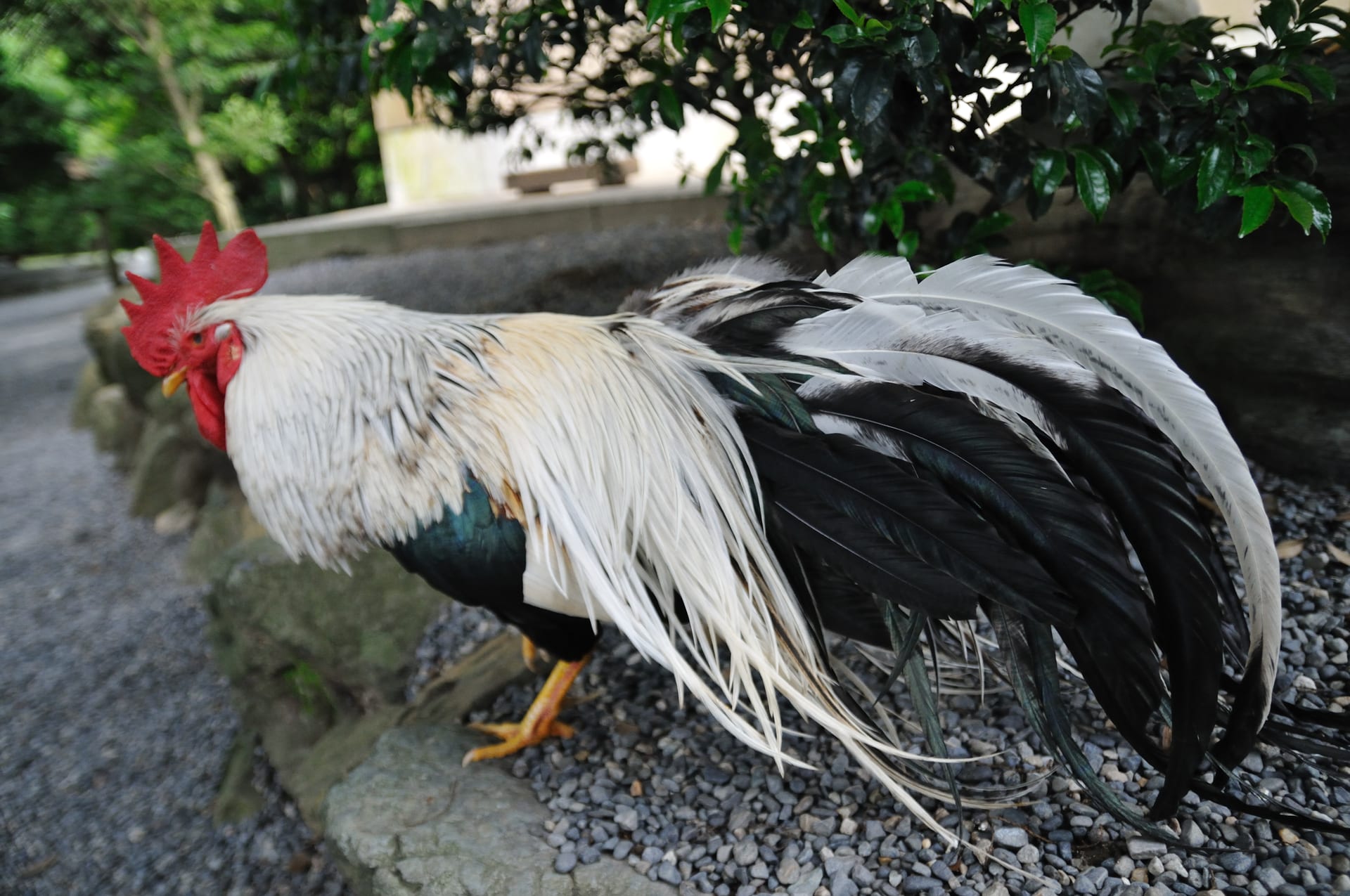
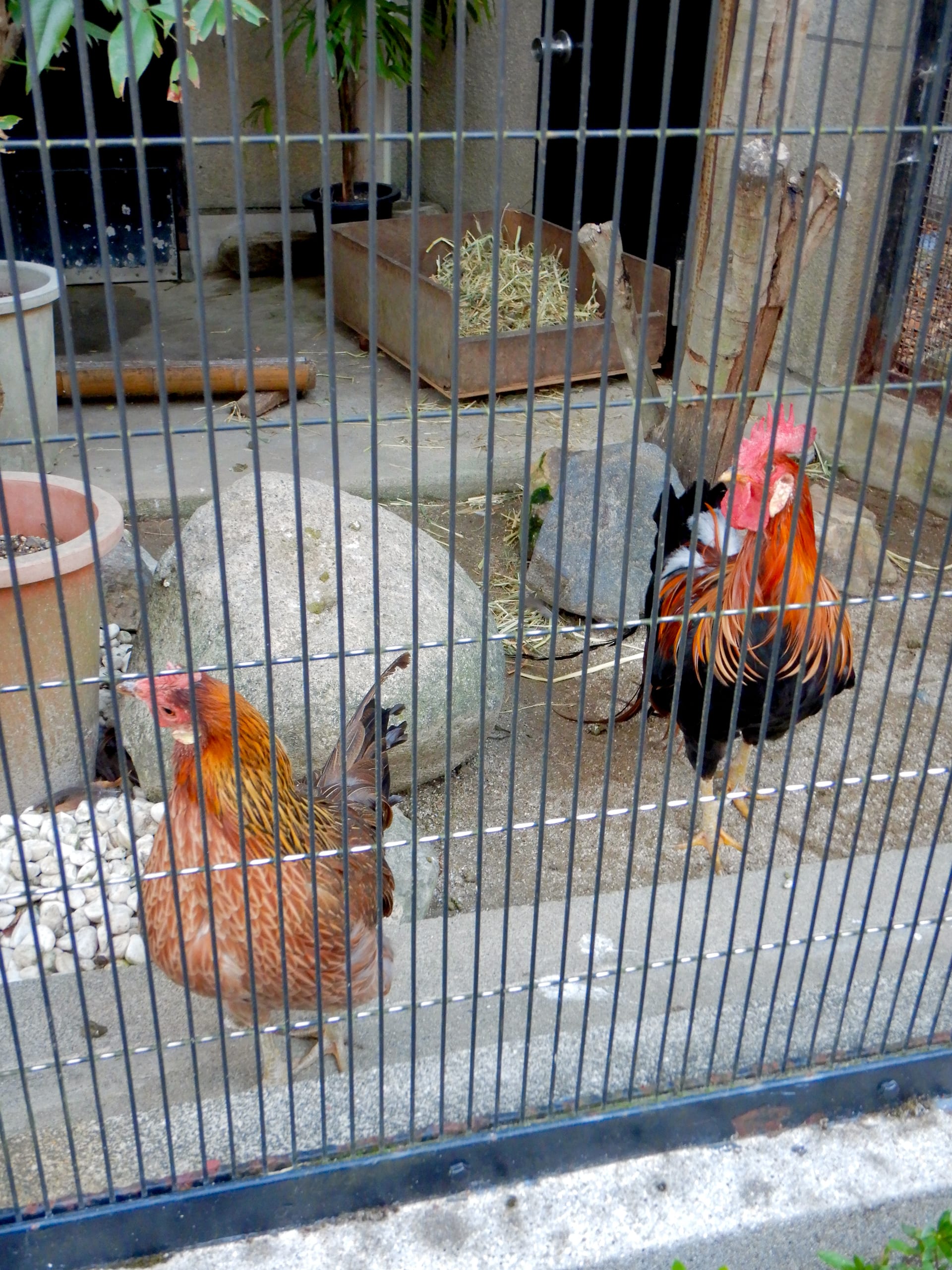
The Shamo is a Japanese breed developed from fighting fowl brought from Siam (Thailand) in the early Edo period, and its name comes from Siam. It has a powerful breast, an upright neck and short feathers, and many birds show bare red skin at the centre of the breast. Colours include red wheaten, silver wheaten, black, white, speckled and others; the comb is pea or walnut, and the skin and legs are yellow. Hens lay about 100 eggs a year. Its excellent meat has made it widely used in producing local jidori chickens. On 1 August 1941 it was designated a national natural monument, without regional limitation, as a livestock animal unique to Japan, and the large, medium and small Shamo are all covered. It is extremely combative and reacts noisily to sound and light, so males cannot be kept together and changing flock membership triggers fighting; cocks' spurs can also injure people. In Japan chicks and adults are available from fanciers and poultry farms.
Source: Wikipedia (CC BY-SA 4.0)
Size of the Shamo
The Shamo grows to Males 1.0-5.6 kg (by type).
By weight it is divided into large (O-Shamo, about 5.6 kg male and 4.8 kg female), medium (Chu-Shamo, about 4.1 and 3.0 kg), Yakido (about 2.5 and 1.8 kg) and small (Ko-Shamo, about 1.0 and 0.8 kg).
Basic Info
Origin
Japan (developed from fighting fowl brought from Thailand in the early Edo period)
Lifespan
Little data
Size
Males 1.0-5.6 kg (by type)
Temperature
15〜30℃
References & Sources
Edited & verified by: BreederDirect editorial team
The taxonomic, regulatory, and husbandry data on this page are compiled and verified against the authoritative primary sources below.
Primary sources
- Wikipedia
- Ibaraki Prefectural Board of Education - Shamo (designated without regional limitation)
- Law for the Protection of Cultural Properties (Article 125)
- Act on Domestic Animal Infectious Diseases Control (Articles 12-3, 12-4)
- Enforcement Order (Article 4, animals subject to hygiene standards)
- Enforcement Regulation (Articles 21-5, 21-6, deadline and items)
- NLBC Hyogo Station - Chicken breeds: Shamo (colours, weights, laying, traits, history)
- NLBC Hyogo Station - Managing Shamo (aggression, flightiness, flock management, spurs)
- Kochi Prefectural Board of Education - Shamo, national natural monument (1941, all sizes)
Taxonomy & Authority
Regulations & Conservation Status
Not CITES-listed
Designated a national natural monument, 'Shamo', under the Law for the Protection of Cultural Properties on 1 August 1941, without regional limitation and covering large, medium and small Shamo. Birds are kept and transferred in many places, but under Article 125 of the Law for the Protection of Cultural Properties, altering the state of a natural monument or acting in ways that affect its preservation requires permission from the Commissioner for Cultural Affairs, so check with the relevant board of education before transferring, exporting or cross-breeding birds. Under the Act on Domestic Animal Infectious Diseases Control, chickens are livestock subject to hygiene management standards, and anyone keeping even one bird must report the number kept to the prefecture (livestock hygiene service centre) by 15 June every year. Keepers of fewer than 100 birds file a simplified report, and those shipping no birds or eggs need no attachments.
Sources: Ibaraki Prefectural Board of Education - Shamo (designated without regional limitation) / Law for the Protection of Cultural Properties (Article 125) / Act on Domestic Animal Infectious Diseases Control (Articles 12-3, 12-4) / Enforcement Order (Article 4, animals subject to hygiene standards) / Enforcement Regulation (Articles 21-5, 21-6, deadline and items)
Regulations may change. Always verify the latest information with the relevant authorities.
Shamo Listings
Loading latest listingsFind listings for this species