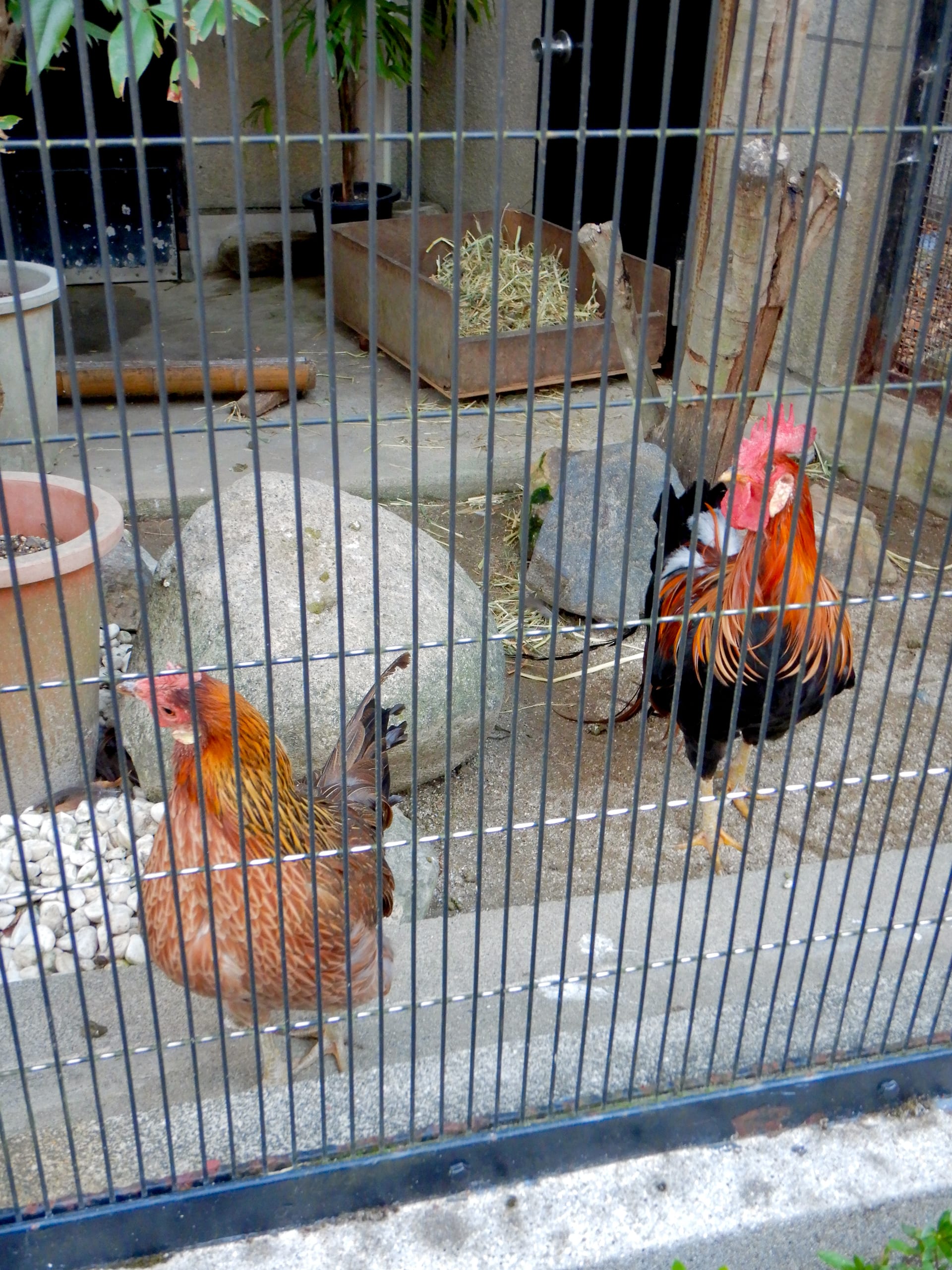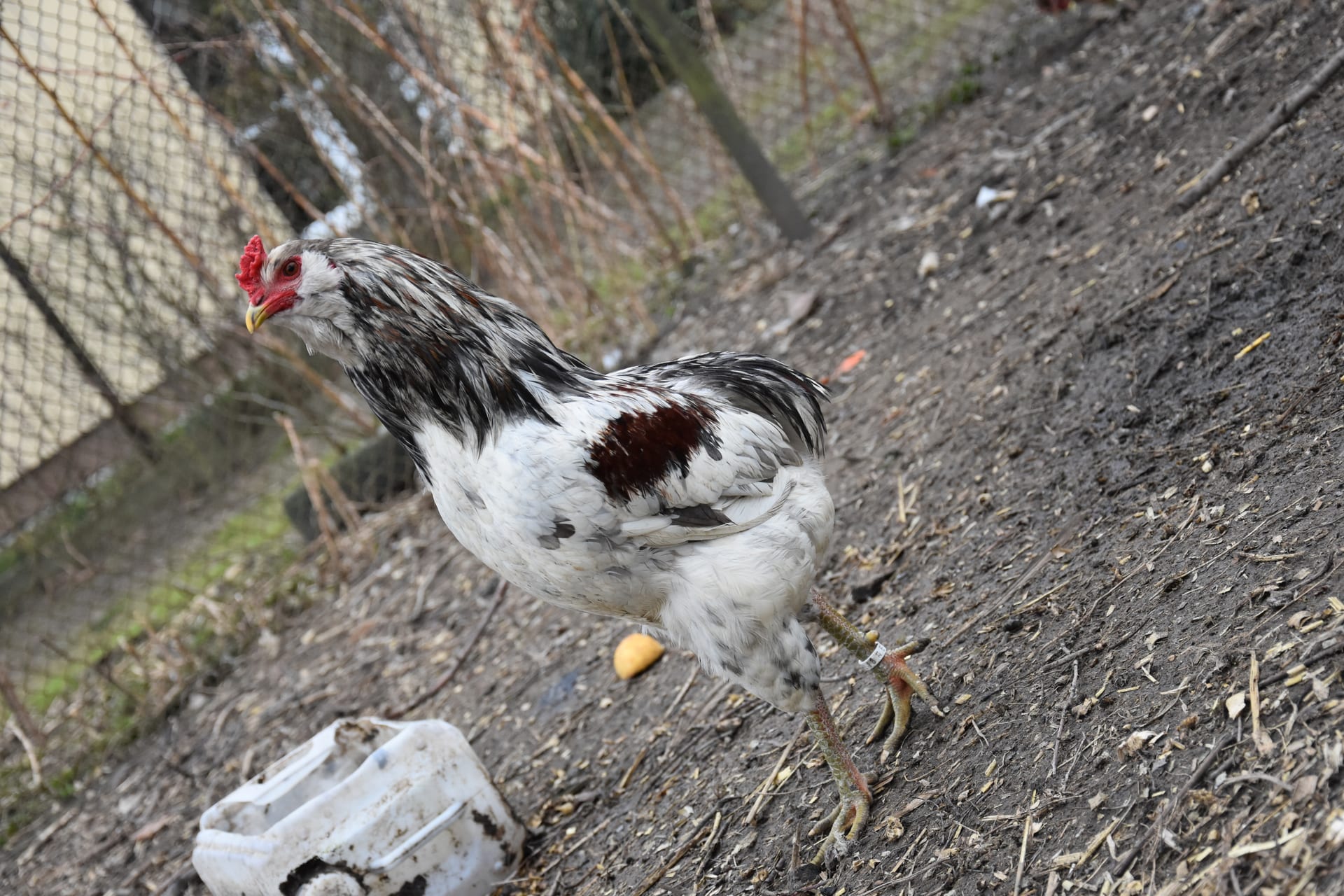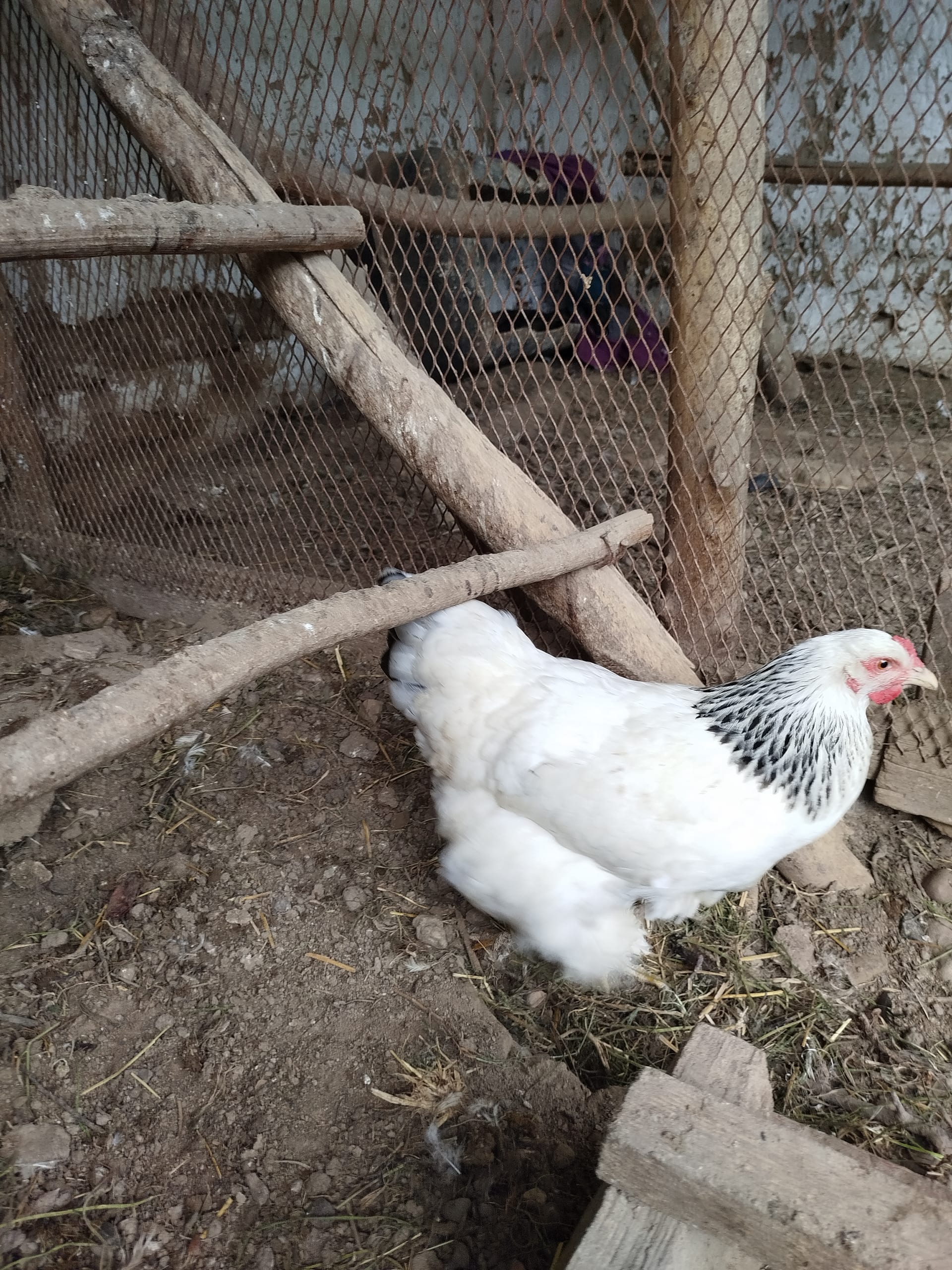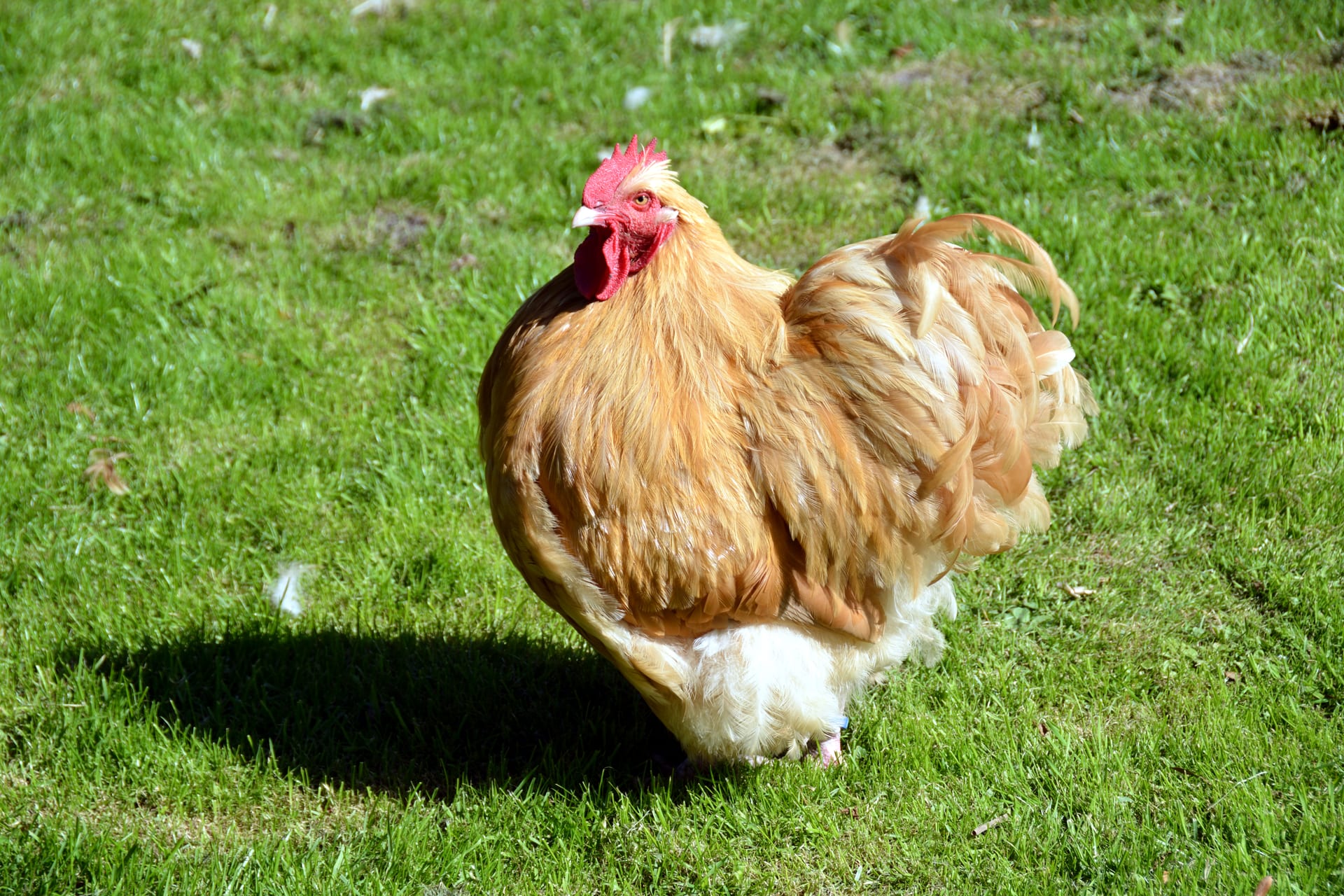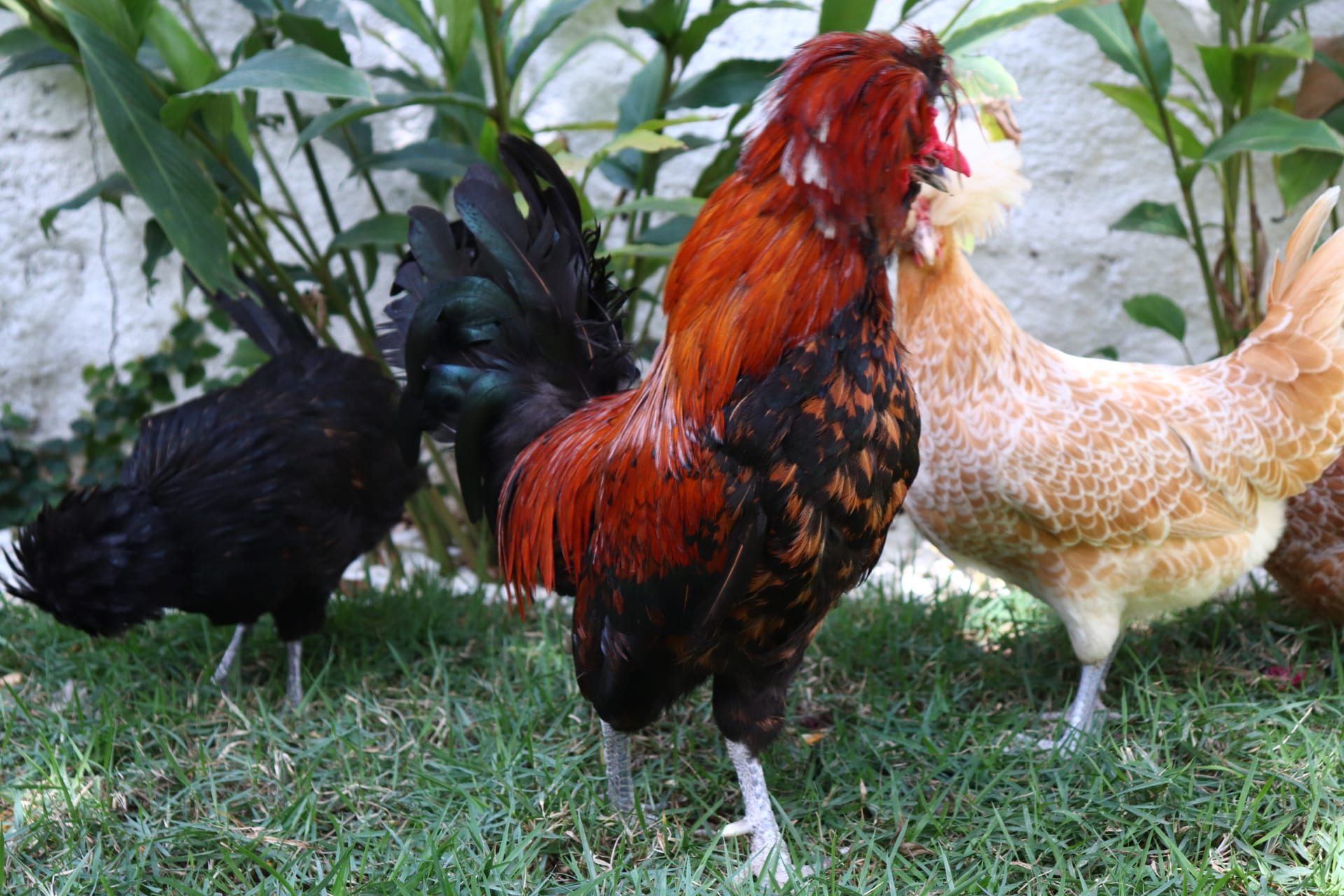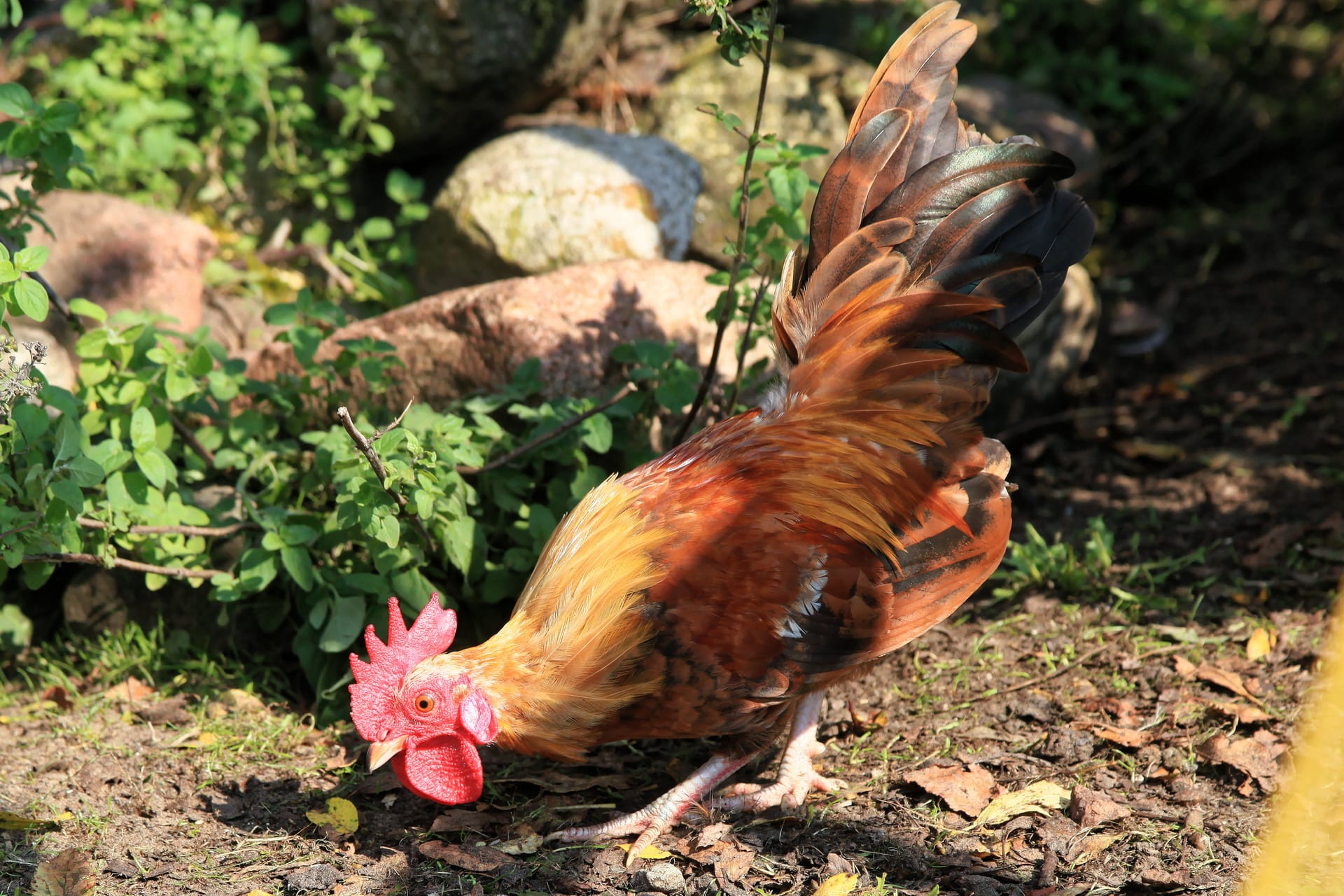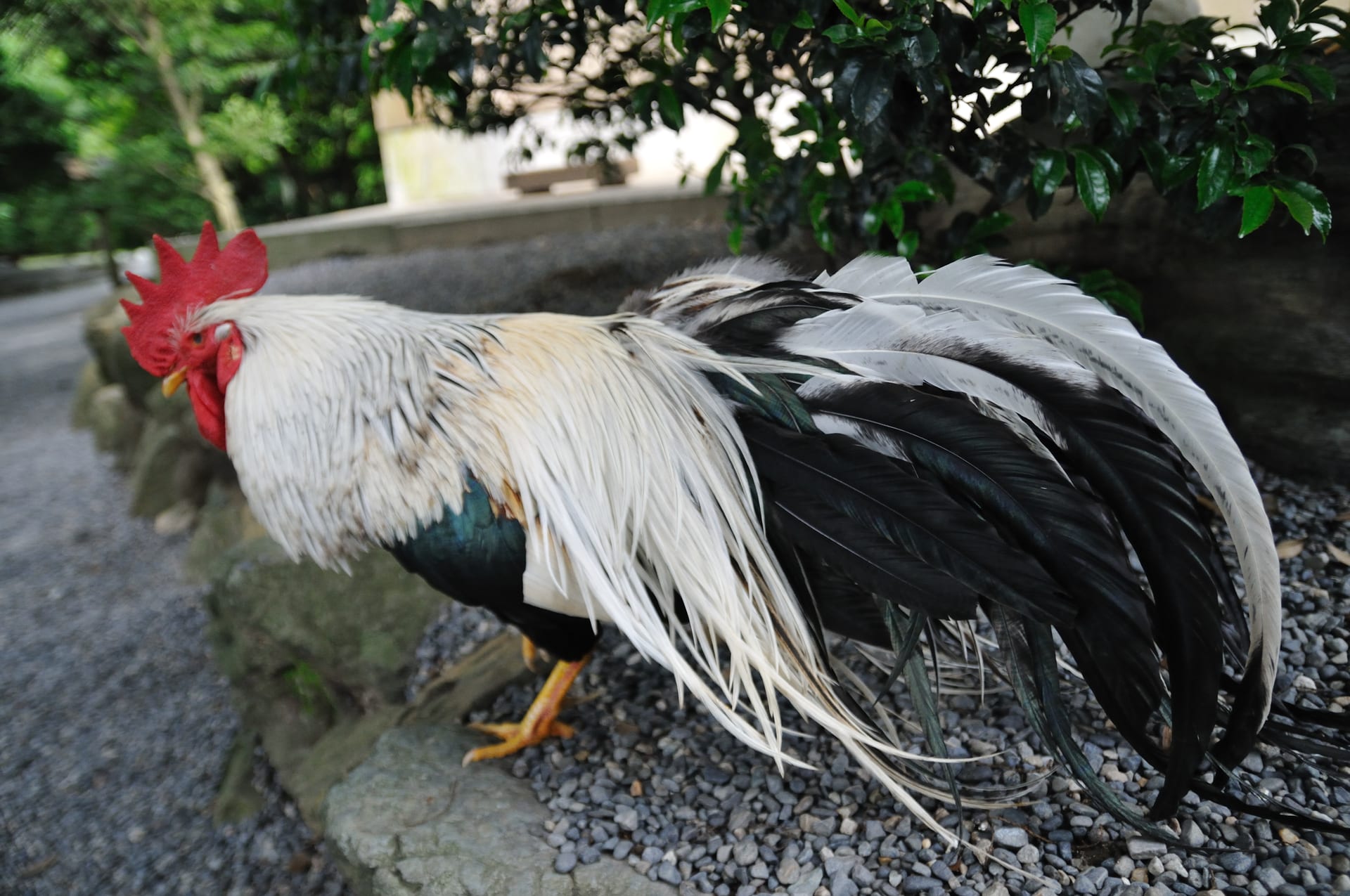
Source: Wikimedia Commons
Shokoku
IntermediateGallus gallus domesticus
An old Japanese breed with a long tail, held to have contributed to the long-tailed and long-crowing breeds such as the Onagadori and the Totenko. It is a designated National Natural Monument and is also known as Oguni-Dori.
Difficulty
Intermediate
Temperature
15〜30℃
Lifespan
About 8 years
Humidity
40〜60%
Diet
Poultry feed, grain, greens and oyster-shell grit
About
The Shokoku, also read Oguni-Dori, is an old Japanese breed of chicken with a long tail. It is designated a National Natural Monument under the Act on Protection of Cultural Properties, alongside other chicken breeds such as the Ukokkei, the Chabo and the Totenko. During the Edo period, when national seclusion cut off imports of new breeds, the stock already in Japan, namely the local jidori, the Shokoku, the Shamo, the Chabo and the Ukokkei, was improved and interbred, producing distinctive regional breeds and forming almost all of the native breeds known today. The Shokoku figures heavily in the long-tailed lines: the Onagadori of Kochi Prefecture is thought to derive from long-tailed breeds including the Shokoku, the Totenko and the Minohiki. Among the Onagadori's internal varieties, the shirafuji was originally bred from Shokoku stock and was still called goshiki Shokoku until the Meiji era, and the white variety is likewise said to have arisen as a mutation from the Shokoku. The Yokohama breed established in Britain has also been confirmed as a cross involving the Totenko, the Kurokashiwa, the Minohiki, the Shokoku and the Onagadori.
Source: Wikipedia (CC BY-SA 4.0)
Lifespan of the Shokoku
The Shokoku lives About 8 years.
Basic Info
Origin
Japan
Lifespan
About 8 years
Temperature
15〜30℃
Humidity
40〜60%
Diet
Care Specifications
PeacefulGroupBreeding: Moderate
Sources: Wikipedia - List of Japanese chicken breeds (Shoukoku, also called Oguni-Dori) / Wikipedia - Onagadori (derived from long-tailed breeds including the Shokoku, Totenko and Minohiki) / Japanese Wikipedia - Onagadori (origin of the shirafuji and white varieties from the Shokoku; parentage of the Yokohama) / Japanese Wikipedia - Niwatori (formation of the native breeds in the Edo period; list of Japanese breeds and Natural Monuments)
References & Sources
Edited & verified by: BreederDirect editorial team
The taxonomic, regulatory, and husbandry data on this page are compiled and verified against the authoritative primary sources below.
Primary sources
- Wikipedia
- CITES Appendices (the domestic chicken Gallus gallus domesticus not listed)
- Annex to Council Regulation (EC) No 338/97 as amended by Commission Regulation (EU) 2026/1383 (post-CoP20)
- Ministry of the Environment, Japan - List of Invasive Alien Species designated under the IAS Act (birds)
- Natural Monument designated by the Japanese government under the Act on Protection of Cultural Properties
- Wikipedia - Onagadori (derived from long-tailed breeds including the Shokoku, Totenko and Minohiki)
- Japanese Wikipedia - Onagadori (origin of the shirafuji and white varieties from the Shokoku; parentage of the Yokohama)
- Japanese Wikipedia - Niwatori (formation of the native breeds in the Edo period; list of Japanese breeds and Natural Monuments)
Taxonomy & Authority
Accepted name: Gallus gallus domesticus (Linnaeus, 1758)
Synonyms: Gallus gallus f. domesticus
Authority databases: GBIF
Nomenclature follows global taxonomic authority databases.
Regulations & Conservation Status
Not CITES-listed
Domestic law: 文化財保護法に基づく国の天然記念物に指定された品種。烏骨鶏、矮鶏、東天紅鶏、声良鶏などとともに、ニワトリの品種として指定されている。
The domestic chicken (Gallus gallus domesticus), and its wild ancestor the red junglefowl Gallus gallus, appear in none of the CITES Appendices. It is not designated an Invasive Alien Species in Japan either; the seven birds so designated are the Canada goose, red-vented bulbul, four Garrulax species and the red-billed leiothrix. It is designated a National Natural Monument under Japan's Act on Protection of Cultural Properties.
Sources: CITES Appendices (the domestic chicken Gallus gallus domesticus not listed) / Annex to Council Regulation (EC) No 338/97 as amended by Commission Regulation (EU) 2026/1383 (post-CoP20) / Ministry of the Environment, Japan - List of Invasive Alien Species designated under the IAS Act (birds) / Natural Monument designated by the Japanese government under the Act on Protection of Cultural Properties
Regulations may change. Always verify the latest information with the relevant authorities.
Shokoku Listings
Loading latest listingsFind listings for this species