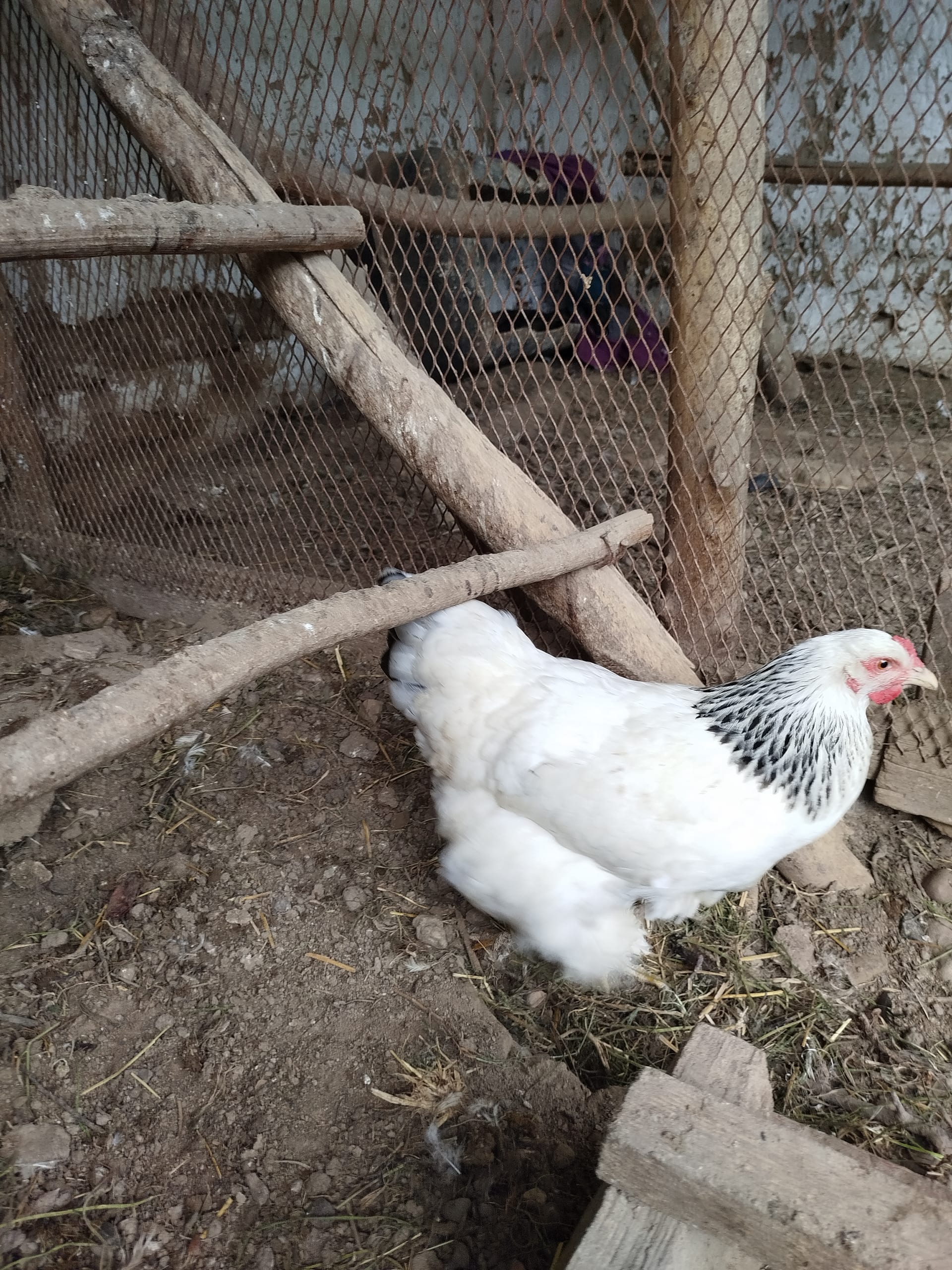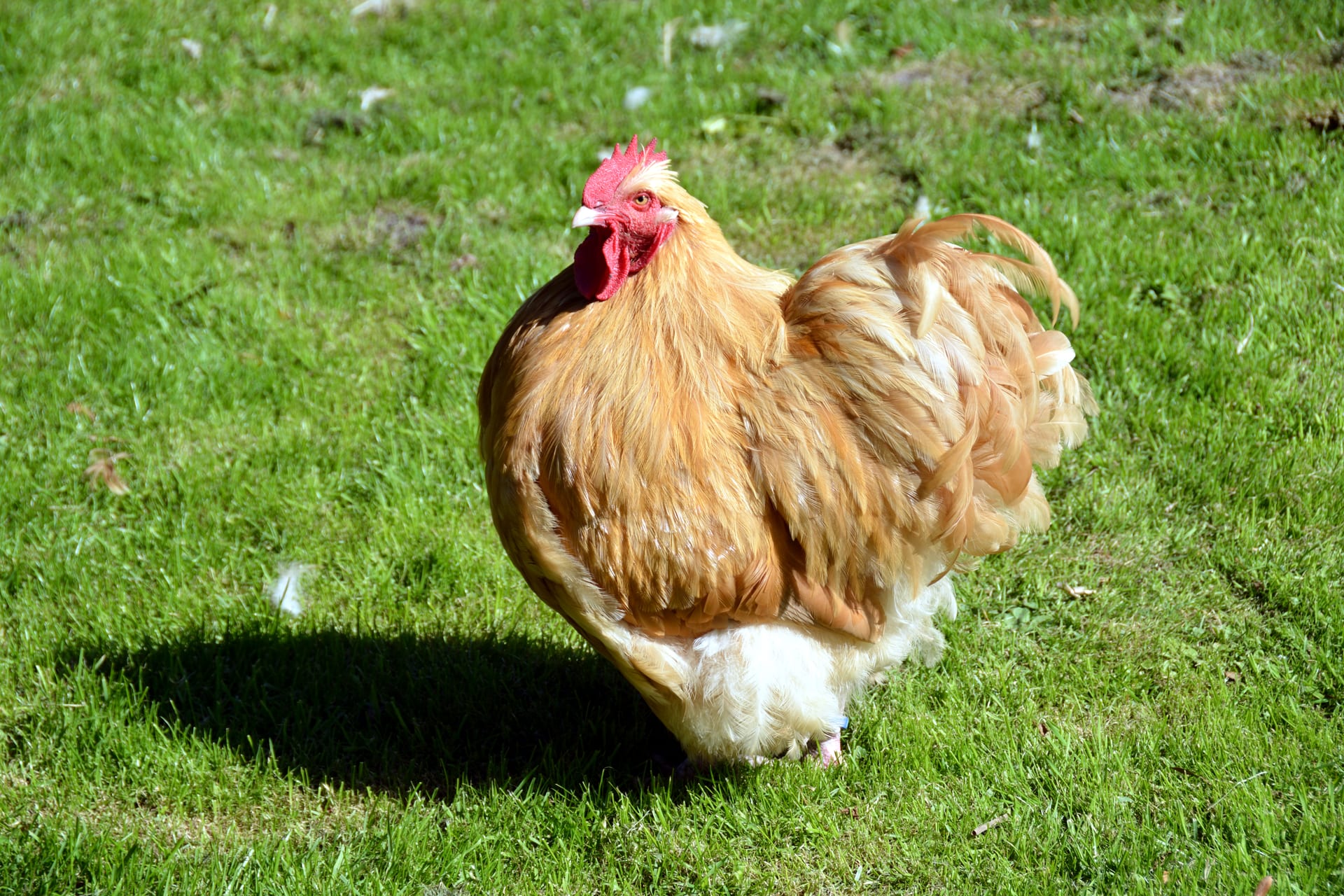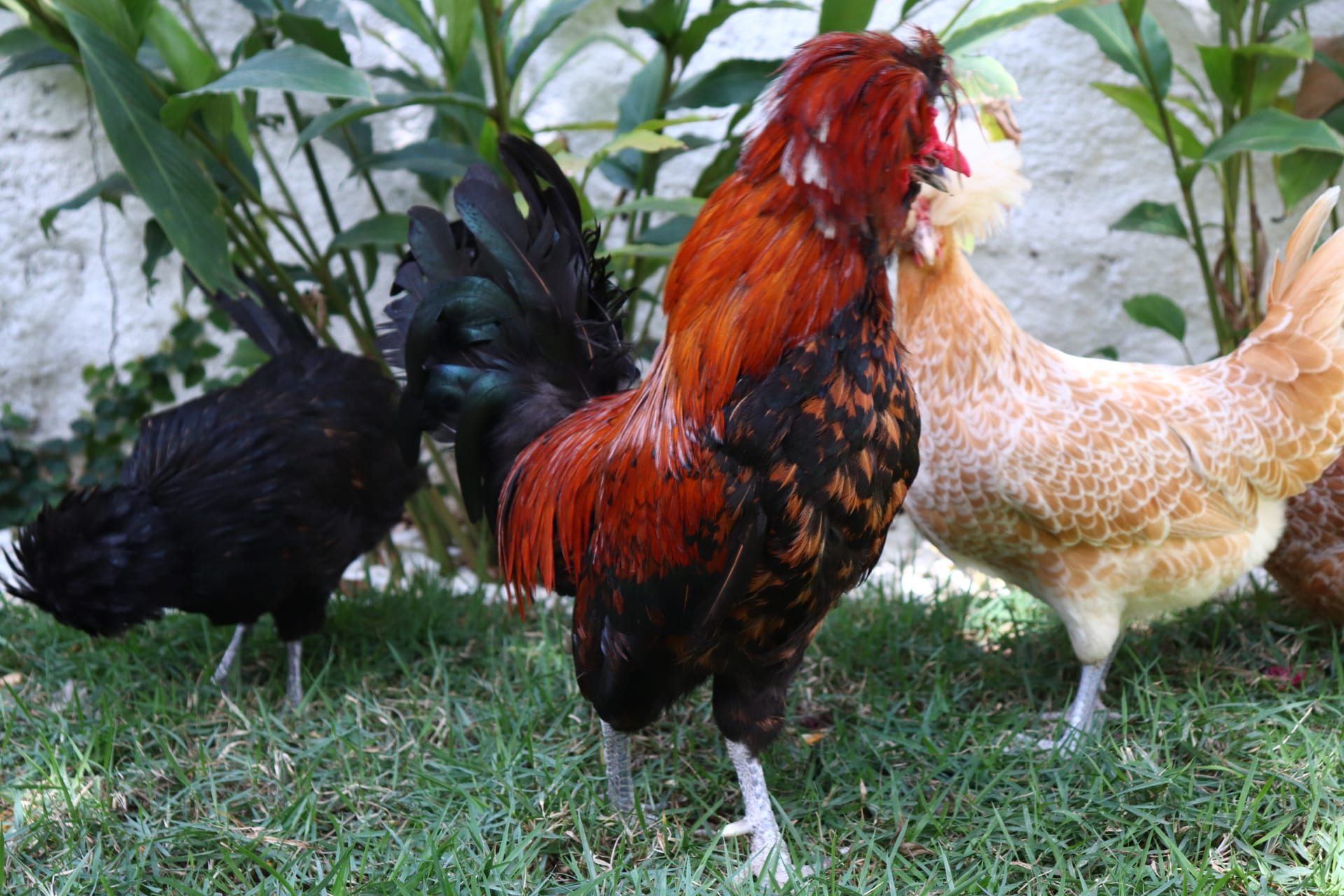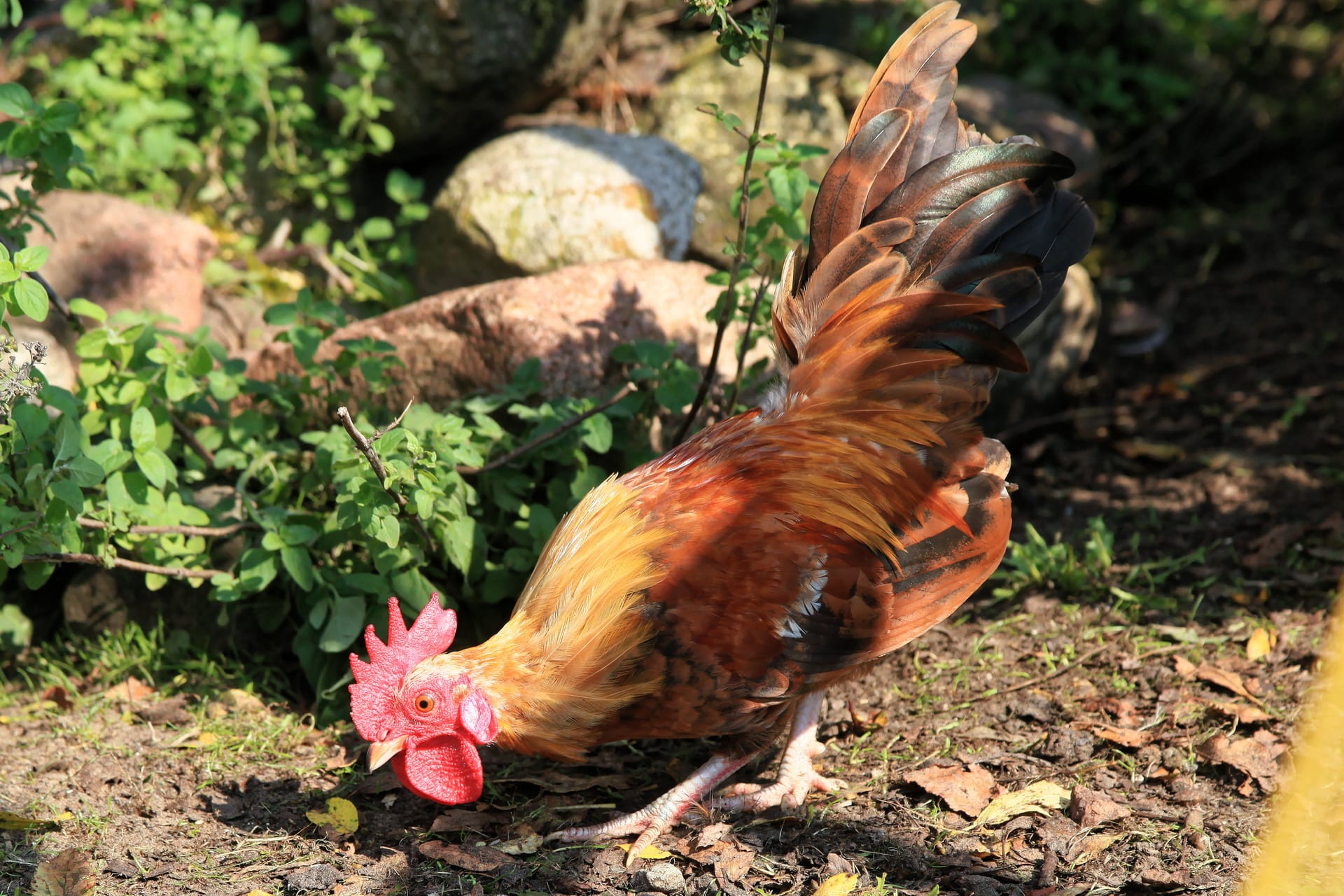
Source: Wikimedia Commons
Araucana
IntermediateGallus gallus domesticus
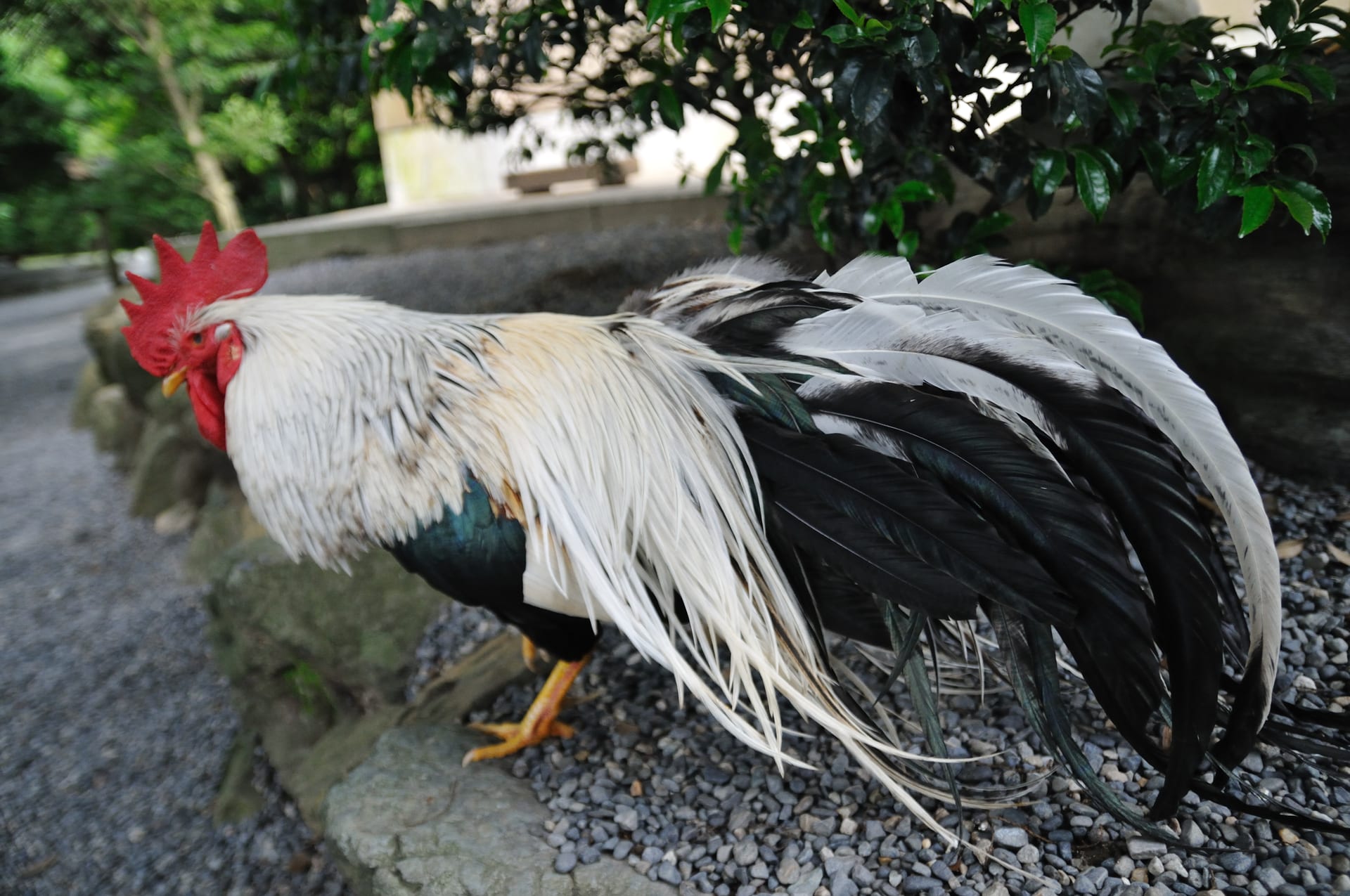
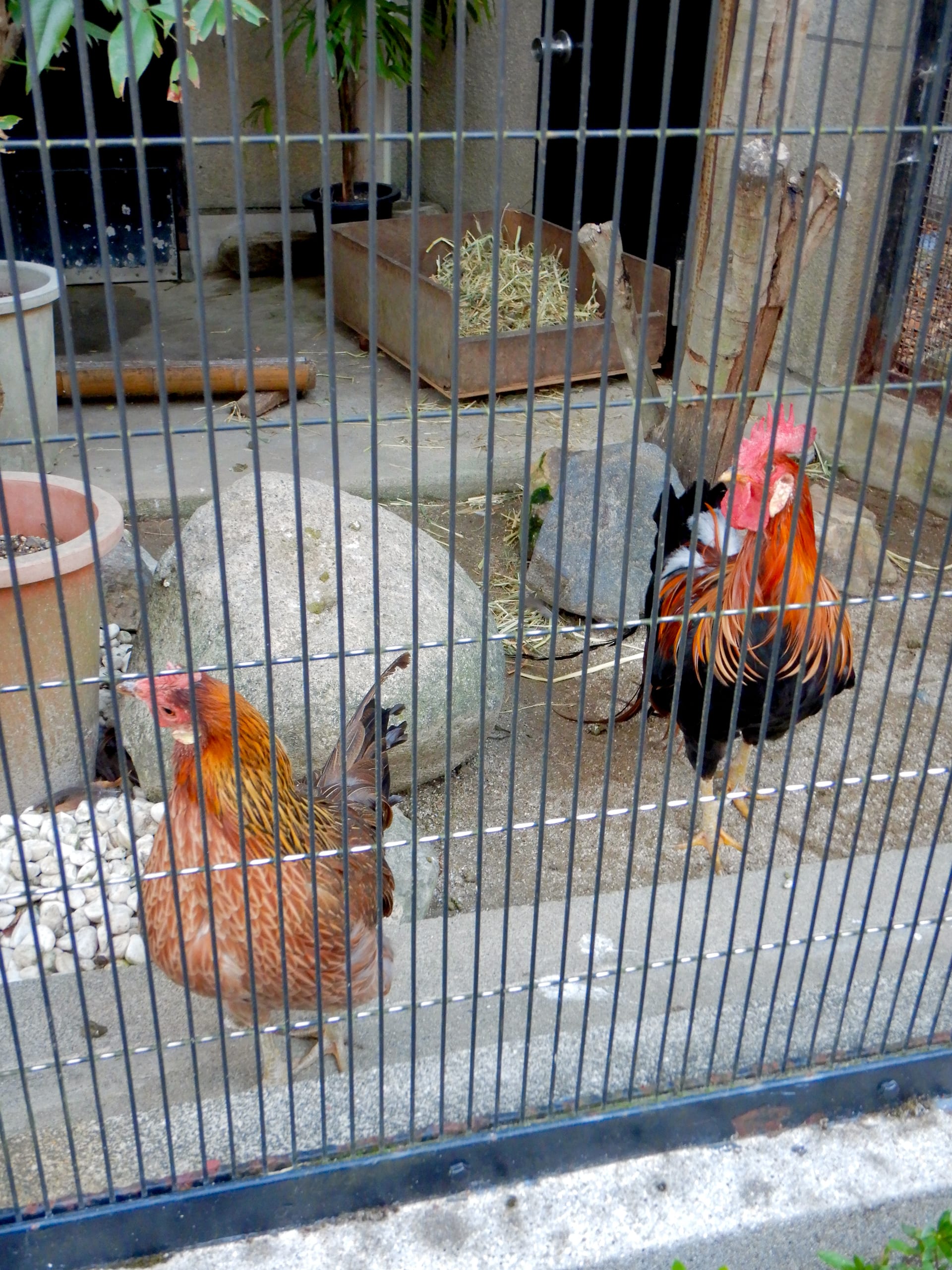
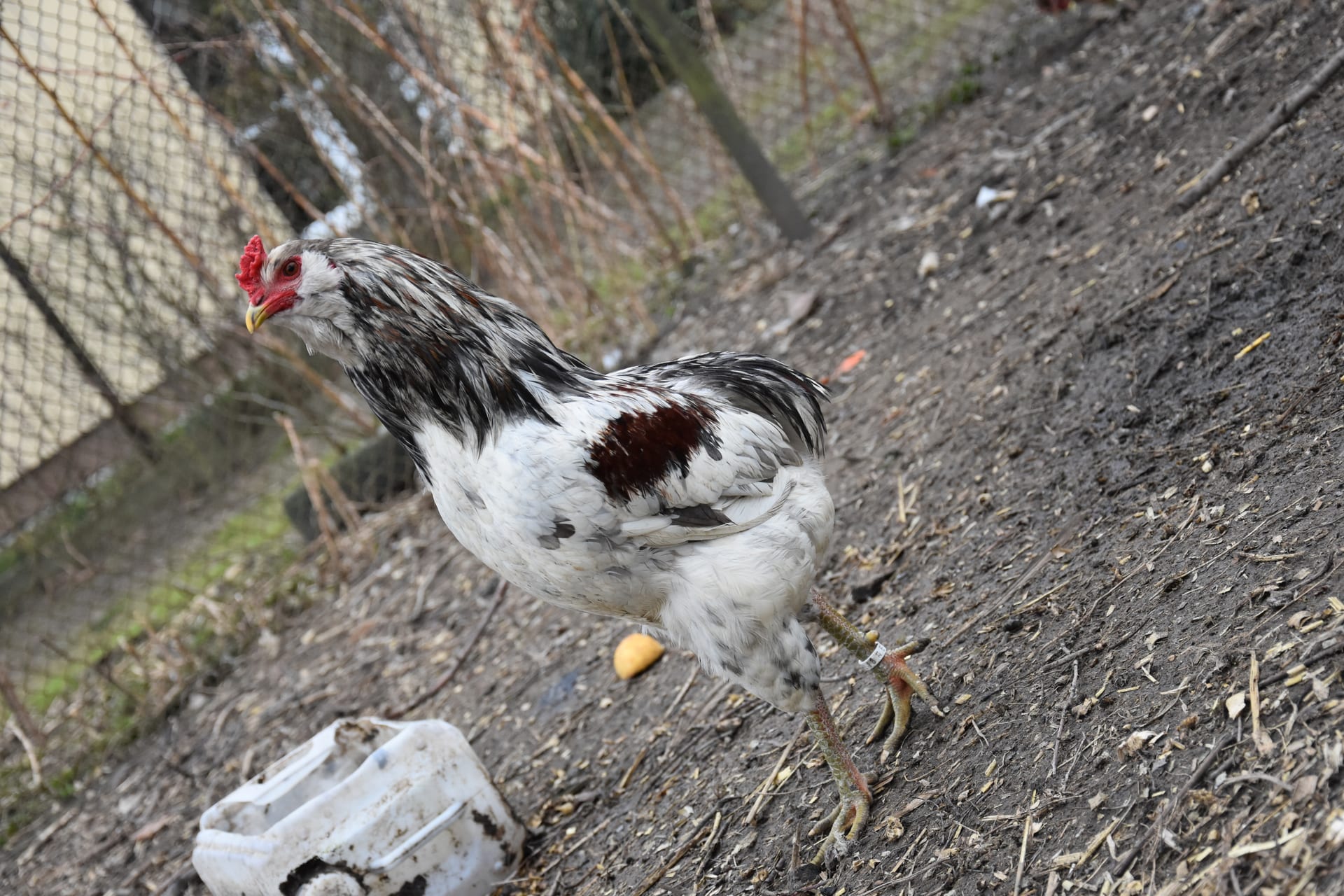
A Chilean chicken breed and one of very few that lay blue-shelled eggs. Some birds have ear tufts and some are rumpless, but both traits are caused by lethal genes, so not every bird shows them.
Difficulty
Intermediate
Temperature
15〜30℃
Lifespan
About 8 years
Humidity
40〜60%
Diet
Poultry feed, grain, greens and oyster-shell grit
About
The Araucana (Spanish: Gallina Mapuche) is a chicken breed from Chile, named after the historic Araucania region where it is thought to have arisen. It is one of very few breeds that lay blue-shelled eggs. Some birds carry unusual tufts of feathers on the ears and some are rumpless, lacking both tail and tail-bone, but as both traits are caused by lethal genes not every bird shows them. Breed standards vary from country to country, and in the United States the rumpless form is sometimes called the South American Rumpless. Its early history is undocumented; the birds were common in South America in the early twentieth century. The Spanish aviculturist Salvador Castello, who visited Chile in 1914, named them Gallina Araucana because so many were kept among the Mapuche of Araucania, and reported them at the First World's Poultry Congress in The Hague in 1921. In 1933 Reginald Punnett showed that the blue egg gene is dominant to white and produces green and olive shades when combined with brown-egg genes. The American Ameraucana breed and Easter egger hybrids both derive from the Araucana.
Source: Wikipedia (CC BY-SA 4.0)
Lifespan of the Araucana
The Araucana lives About 8 years.
Basic Info
Origin
Chile, in the historic Araucania region
Lifespan
About 8 years
Temperature
15〜30℃
Humidity
40〜60%
Diet
Care Specifications
References & Sources
Edited & verified by: BreederDirect editorial team
The taxonomic, regulatory, and husbandry data on this page are compiled and verified against the authoritative primary sources below.
Primary sources
- Wikipedia
- CITES Appendices (the domestic chicken Gallus gallus domesticus not listed)
- Annex to Council Regulation (EC) No 338/97 as amended by Commission Regulation (EU) 2026/1383 (post-CoP20)
- Ministry of the Environment, Japan - List of Invasive Alien Species designated under the IAS Act (birds)
- Japanese Wikipedia - Araucana (origin, egg colour, ear tufts, rumplessness)
- GBIF
Taxonomy & Authority
Accepted name: Gallus gallus domesticus (Linnaeus, 1758)
Synonyms: Gallus gallus f. domesticus
Authority databases: GBIF
Nomenclature follows global taxonomic authority databases.
Regulations & Conservation Status
Not CITES-listed
The domestic chicken (Gallus gallus domesticus), and its wild ancestor the red junglefowl Gallus gallus, appear in none of the CITES Appendices. It is not designated an Invasive Alien Species in Japan either; the seven birds so designated are the Canada goose, red-vented bulbul, four Garrulax species and the red-billed leiothrix.
Sources: CITES Appendices (the domestic chicken Gallus gallus domesticus not listed) / Annex to Council Regulation (EC) No 338/97 as amended by Commission Regulation (EU) 2026/1383 (post-CoP20) / Ministry of the Environment, Japan - List of Invasive Alien Species designated under the IAS Act (birds)
Regulations may change. Always verify the latest information with the relevant authorities.
Araucana Listings
Loading latest listingsFind listings for this species