Source: Wikimedia Commons
Brahma
BeginnerGallus gallus domesticus
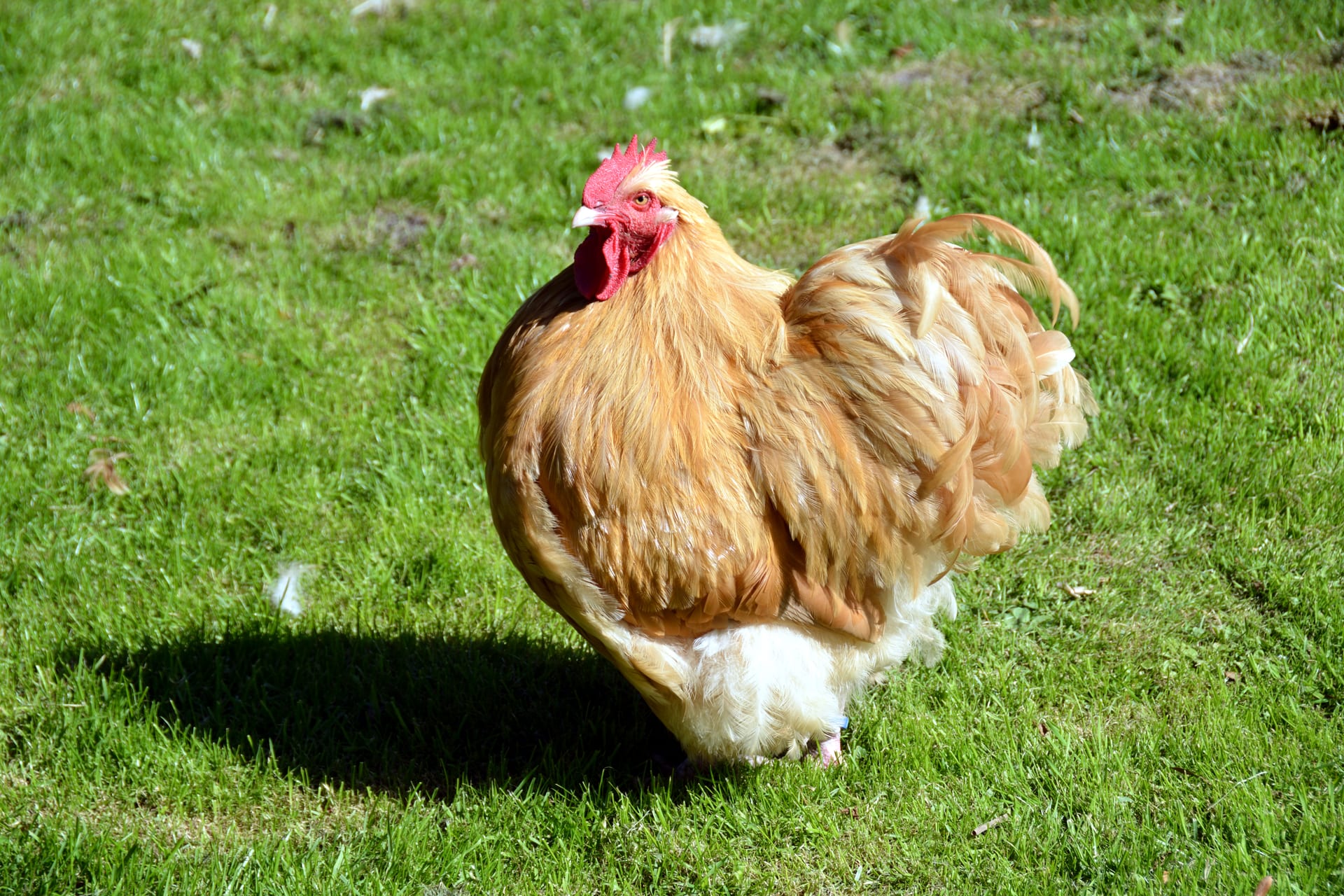
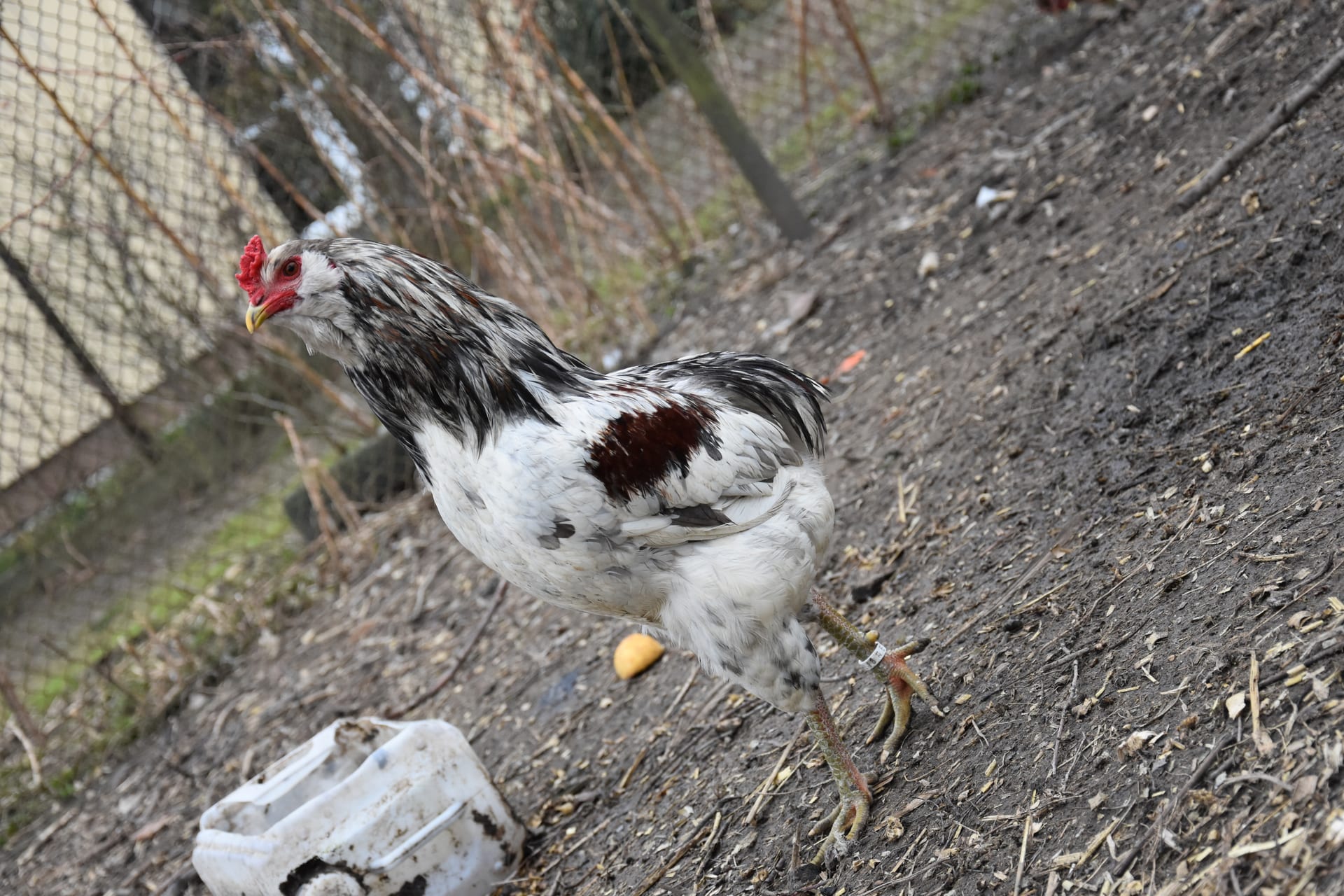
An American breed developed from large feather-legged birds imported from Shanghai in the 1840s. It was the principal American meat breed from the 1850s until about 1930, and weights of 8 kg for cocks and 6 kg for hens were recorded.
Difficulty
Beginner
Temperature
15〜30℃
Lifespan
About 8 years
Humidity
40〜60%
Diet
Poultry feed, grain, greens and oyster-shell grit
About
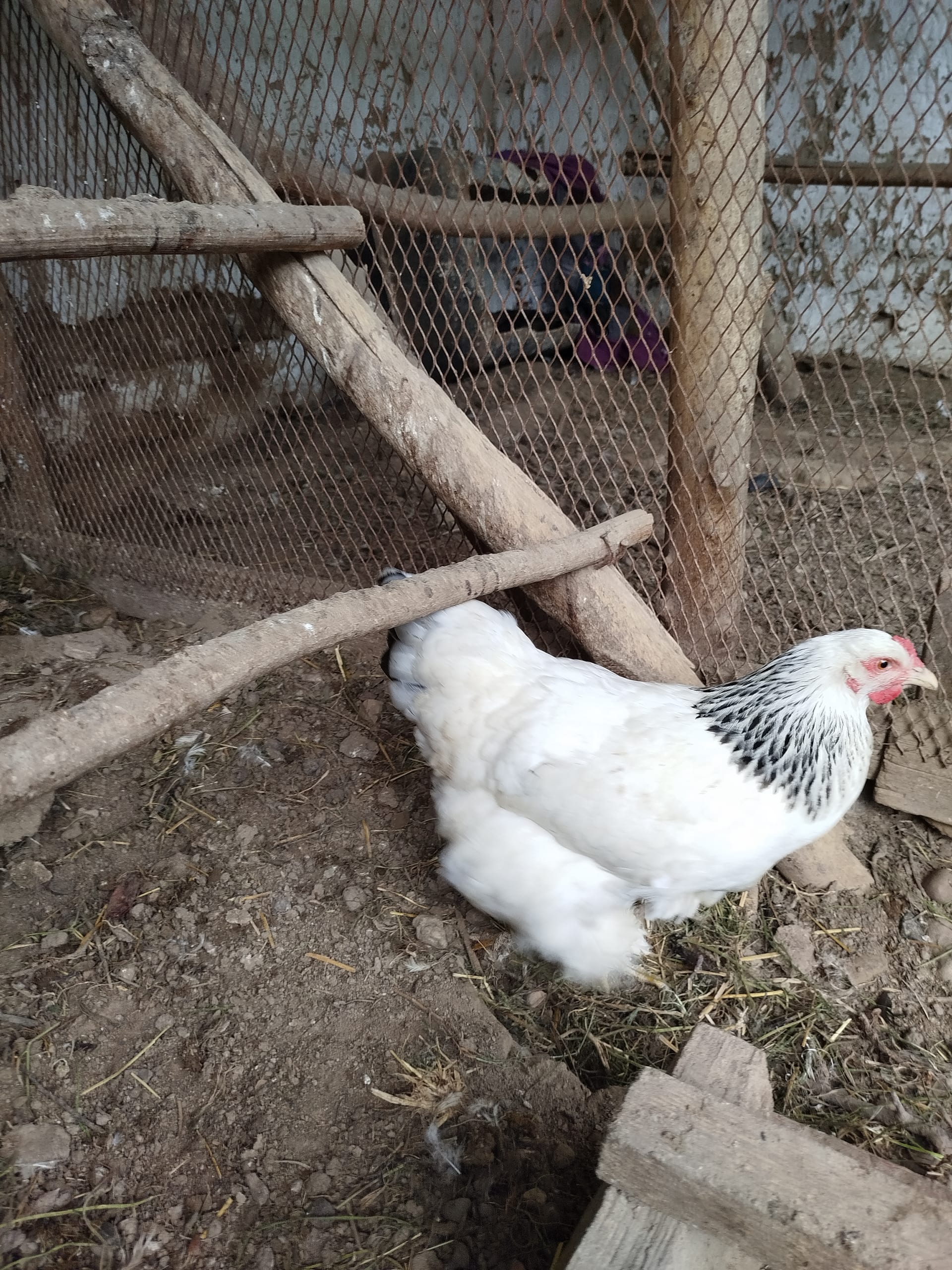
The Brahma is an American breed of chicken. It appears to have been developed from large, heavily feather-legged birds imported in the 1840s from the Chinese port of Shanghai and known at the time as Shanghai birds. Its distinctive head shape and pea comb probably came from crossing with Grey Chittagong birds of Malay type imported from Chittagong in eastern Bengal, and these features distinguish it from the Cochin, which also derives from Shanghai stock. At first there were many strains and at least a dozen names; at a meeting of poultry judges in Boston in 1852 the name Brahmapootra was agreed, later shortened to Brahma. The first export to England came in December 1852, when George Burnham sent nine birds to Queen Victoria; English breeders developed the Dark Brahma from that stock and later re-exported it to the United States. Both light and dark forms appeared in the first British Standard of Excellence in 1865 and the first American Standard of Perfection in 1874, and the buff variant was added in 1924 or 1929.
Source: Wikipedia (CC BY-SA 4.0)
Lifespan of the Brahma
The Brahma lives About 8 years.
Basic Info
Origin
The United States, developed from large chickens imported from Shanghai in China
Lifespan
About 8 years
Temperature
15〜30℃
Humidity
40〜60%
Diet
Care Specifications
PeacefulGroupBreeding: Easy
References & Sources
Edited & verified by: BreederDirect editorial team
The taxonomic, regulatory, and husbandry data on this page are compiled and verified against the authoritative primary sources below.
Primary sources
Taxonomy & Authority
Accepted name: Gallus gallus domesticus (Linnaeus, 1758)
Synonyms: Gallus gallus f. domesticus
Authority databases: GBIF
Nomenclature follows global taxonomic authority databases.
Regulations & Conservation Status
Not CITES-listed
The domestic chicken (Gallus gallus domesticus), and its wild ancestor the red junglefowl Gallus gallus, appear in none of the CITES Appendices. It is not designated an Invasive Alien Species in Japan either; the seven birds so designated are the Canada goose, red-vented bulbul, four Garrulax species and the red-billed leiothrix.
Sources: CITES Appendices (the domestic chicken Gallus gallus domesticus not listed) / Annex to Council Regulation (EC) No 338/97 as amended by Commission Regulation (EU) 2026/1383 (post-CoP20) / Ministry of the Environment, Japan - List of Invasive Alien Species designated under the IAS Act (birds)
Regulations may change. Always verify the latest information with the relevant authorities.
Brahma Listings
Loading latest listingsFind listings for this species