Source: Wikimedia Commons
Polish Chicken
BeginnerGallus gallus domesticus
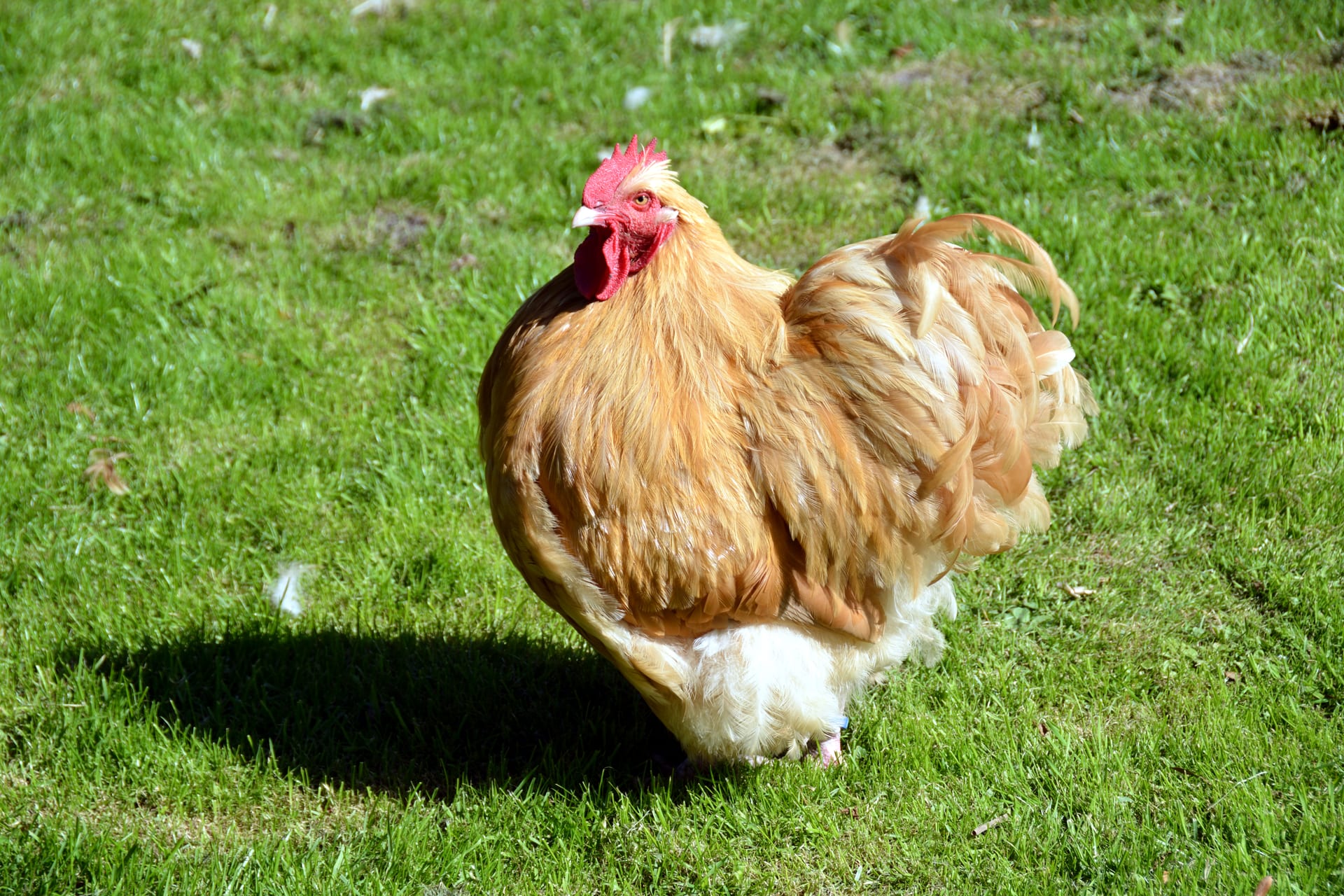
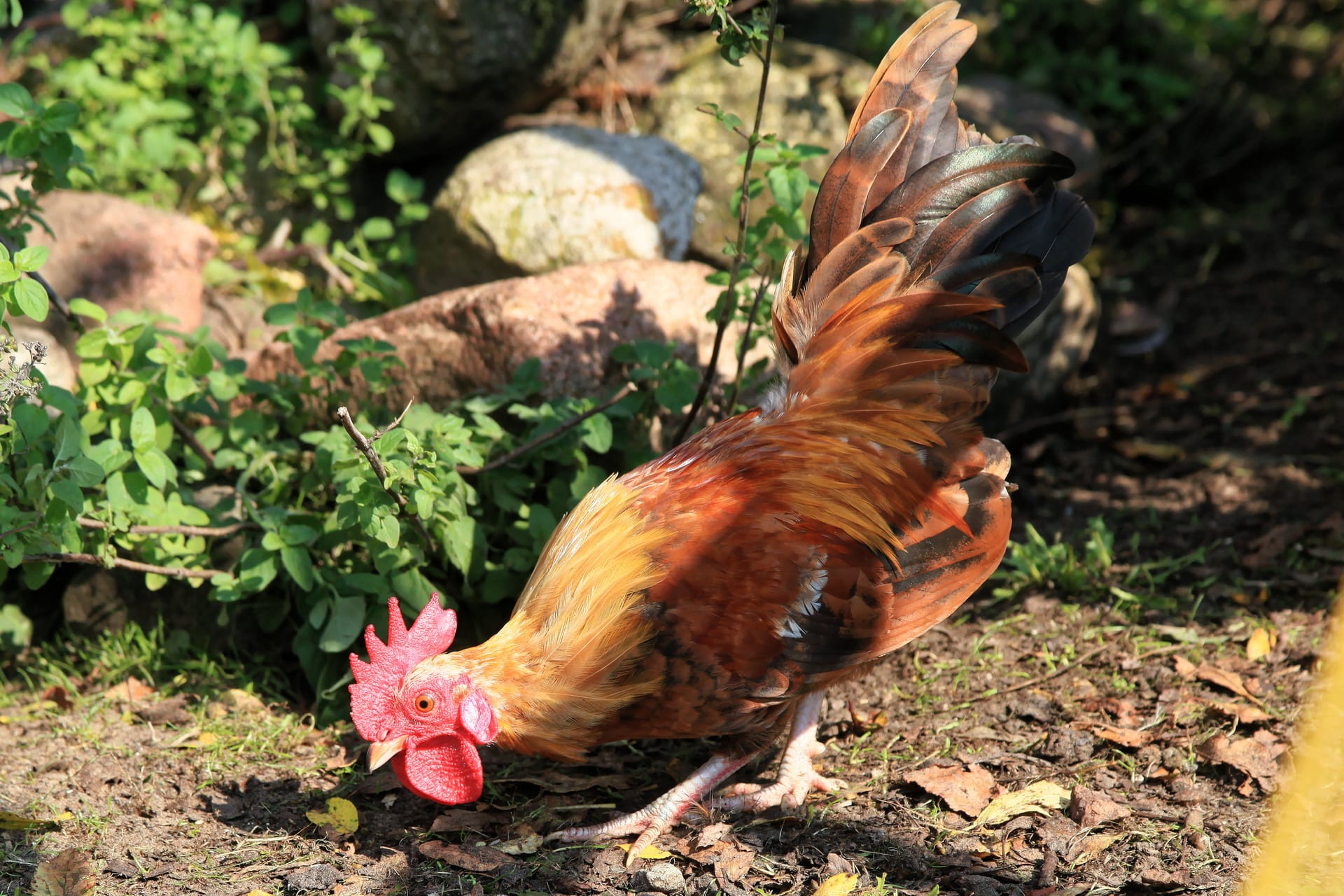
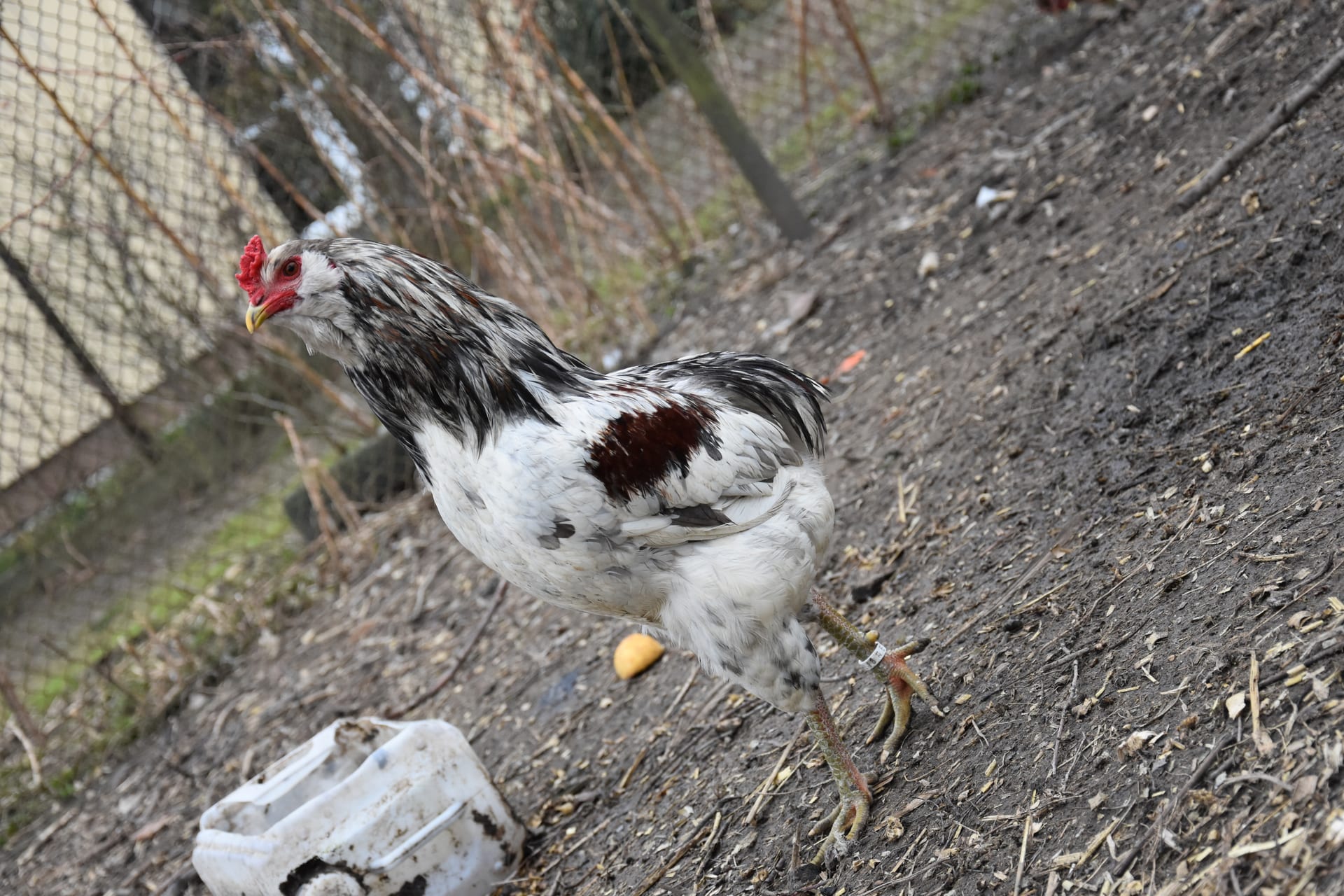
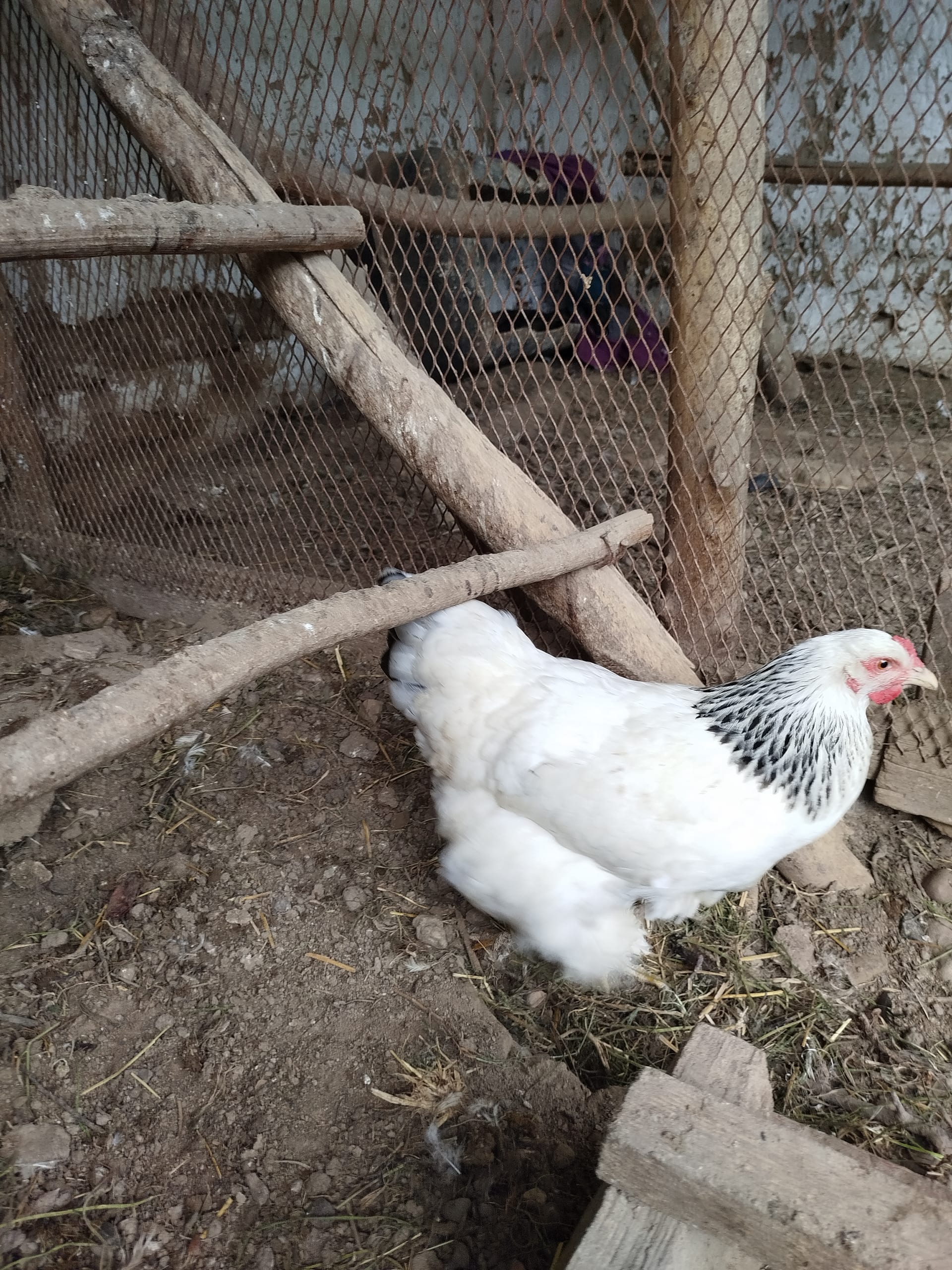
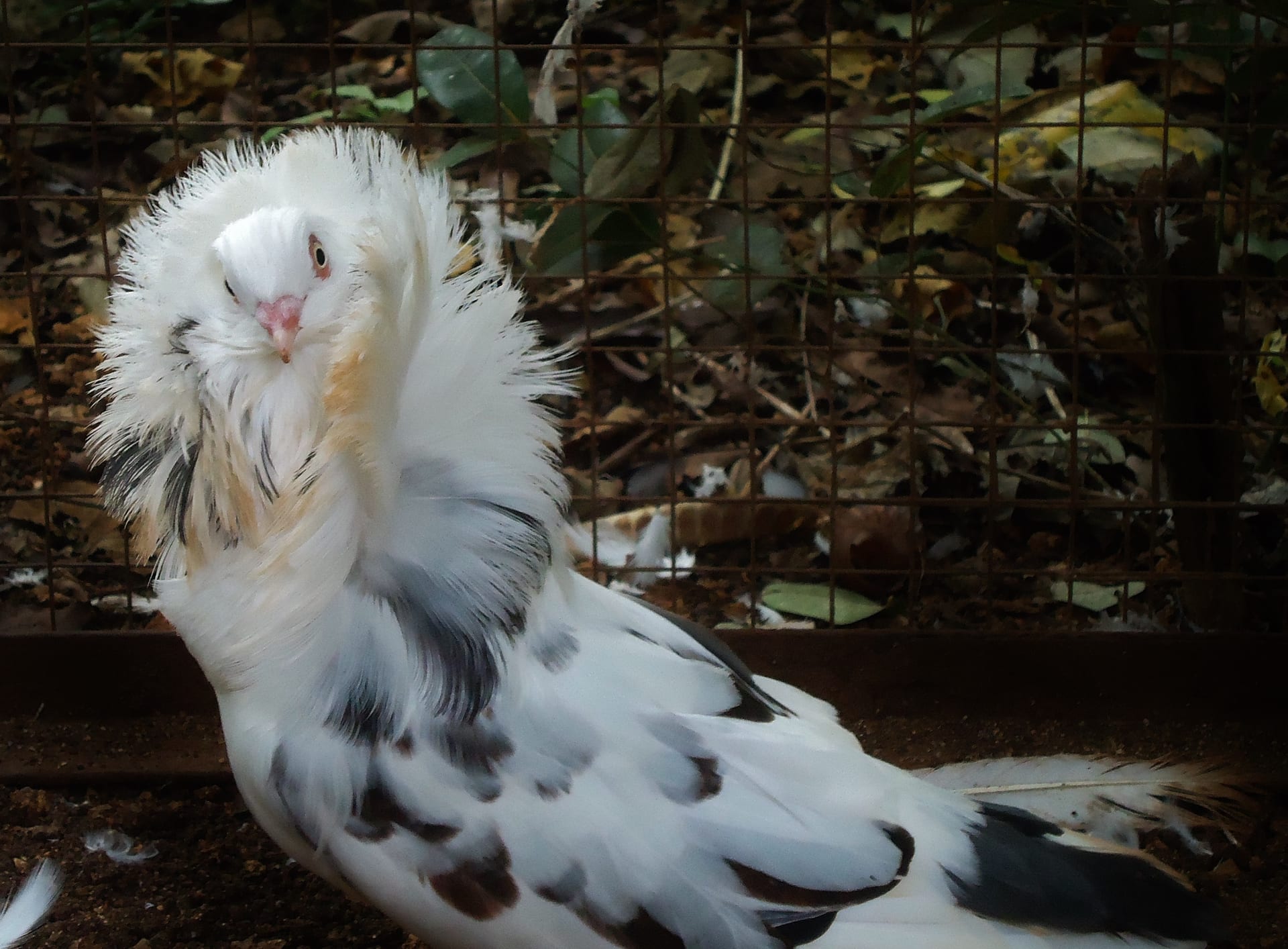
A European crested chicken breed with an abundant crest on the crown; the small v-shaped comb is often hidden beneath it. Bearded, non-bearded and frizzle varieties exist, and the birds are kept for show and ornament.
Difficulty
Beginner
Temperature
15〜30℃
Lifespan
About 8 years
Humidity
40〜60%
Diet
Poultry feed, grain, greens and oyster-shell grit
About
The Polish is a European breed of crested chicken with an abundant crest on the crown of the head. Its origin is unknown, although similar crested birds appear in seventeenth-century Italian and Dutch images. The name is equally uncertain: it may refer to Poland, or derive from the Middle Dutch pol, meaning head. In Poland it is called the Czubatka Polska, and in several European countries the local name translates as Dutch crest fowl. The comb is small and v-shaped and is usually hidden by the crest; the earlobes and wattles are small and may also be concealed, the earlobes white and the comb and wattles bright red. There are bearded, non-bearded and frizzle varieties, the last with feathers curling outwards. In France the breed was once kept for its eggs, but today it is at best a fair layer and is kept mainly for show and ornament. Three colour varieties appeared in the first American Standard of Perfection in 1874, with further varieties added in 1883, 1938 and 1963.
Source: Wikipedia (CC BY-SA 4.0)
Lifespan of the Polish Chicken
The Polish Chicken lives About 8 years.
Basic Info
Origin
Europe; the exact origin is unknown, though similar birds appear in seventeenth-century Italian and Dutch images
Lifespan
About 8 years
Temperature
15〜30℃
Humidity
40〜60%
Diet
Care Specifications
PeacefulGroupBreeding: Moderate
References & Sources
Edited & verified by: BreederDirect editorial team
The taxonomic, regulatory, and husbandry data on this page are compiled and verified against the authoritative primary sources below.
Primary sources
Taxonomy & Authority
Accepted name: Gallus gallus domesticus (Linnaeus, 1758)
Synonyms: Gallus gallus f. domesticus
Authority databases: GBIF
Nomenclature follows global taxonomic authority databases.
Regulations & Conservation Status
Not CITES-listed
The domestic chicken (Gallus gallus domesticus), and its wild ancestor the red junglefowl Gallus gallus, appear in none of the CITES Appendices. It is not designated an Invasive Alien Species in Japan either; the seven birds so designated are the Canada goose, red-vented bulbul, four Garrulax species and the red-billed leiothrix.
Sources: CITES Appendices (the domestic chicken Gallus gallus domesticus not listed) / Annex to Council Regulation (EC) No 338/97 as amended by Commission Regulation (EU) 2026/1383 (post-CoP20) / Ministry of the Environment, Japan - List of Invasive Alien Species designated under the IAS Act (birds)
Regulations may change. Always verify the latest information with the relevant authorities.
Polish Chicken Listings
Loading latest listingsFind listings for this species