Source: Wikimedia Commons
Cochin Chicken
BeginnerGallus gallus domesticus
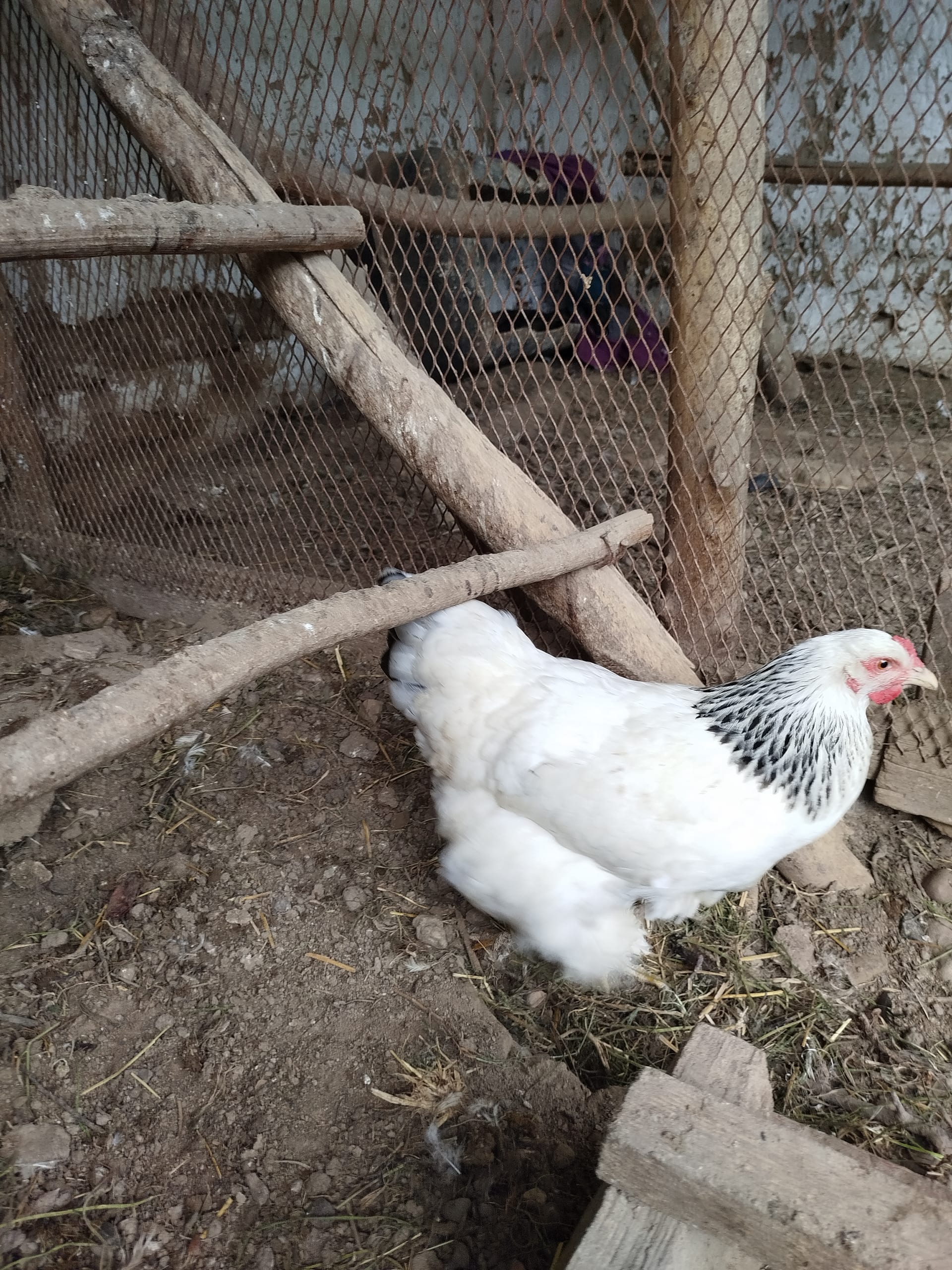
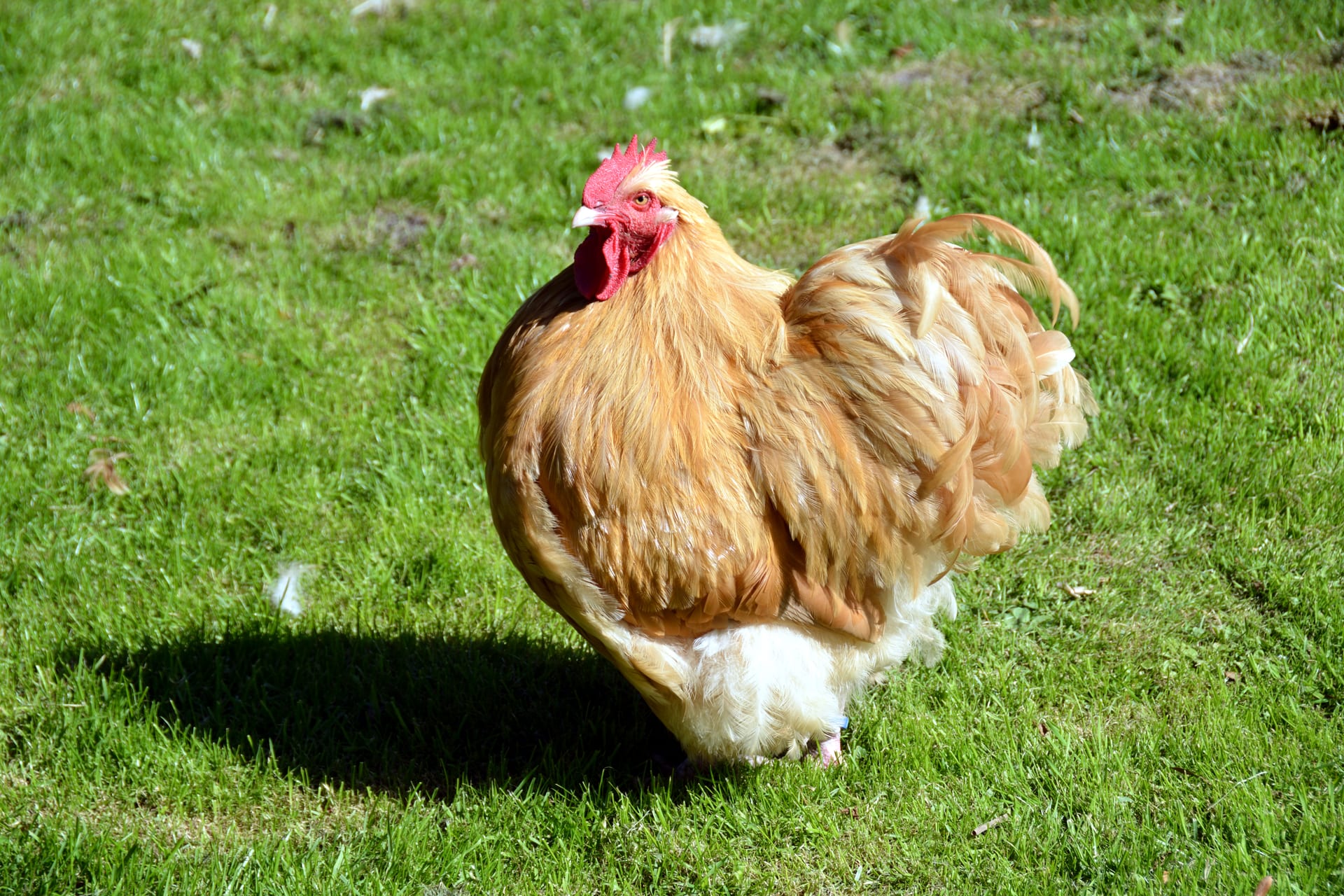
A breed derived from large feather-legged chickens brought from China to Europe and North America in the 1840s and 1850s. Its hallmark is the excessive plumage covering leg and foot; large fowl weigh about 5 kg for cocks and 4 kg for hens, and the breed is reared mainly for exhibition.
Difficulty
Beginner
Temperature
15〜30℃
Lifespan
About 8 years
Size
About 5kg (cock) / 4kg (hen); bantams about 900g / 800g
Humidity
40〜60%
Diet
Poultry feed, grain, greens and oyster-shell grit
About
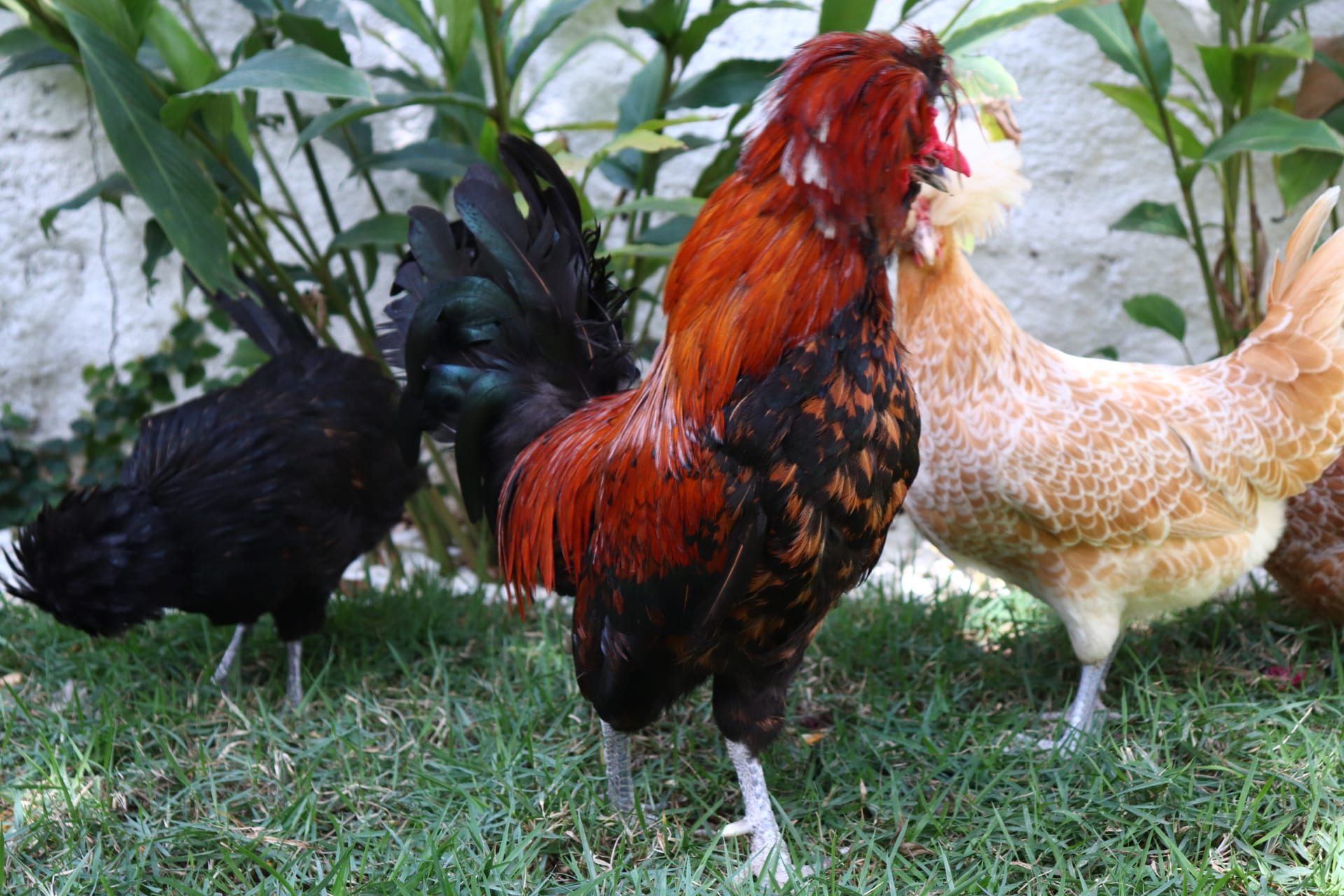
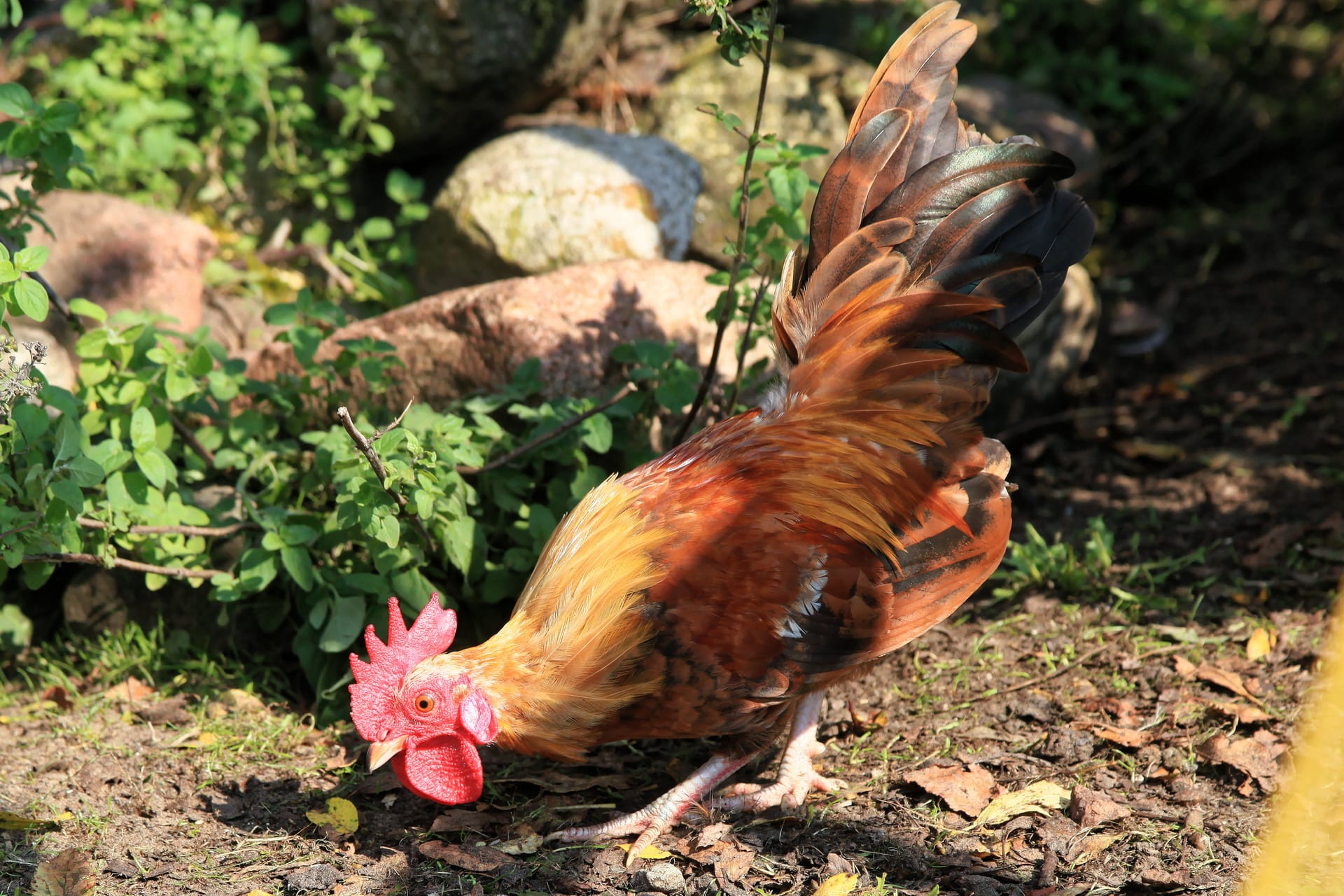
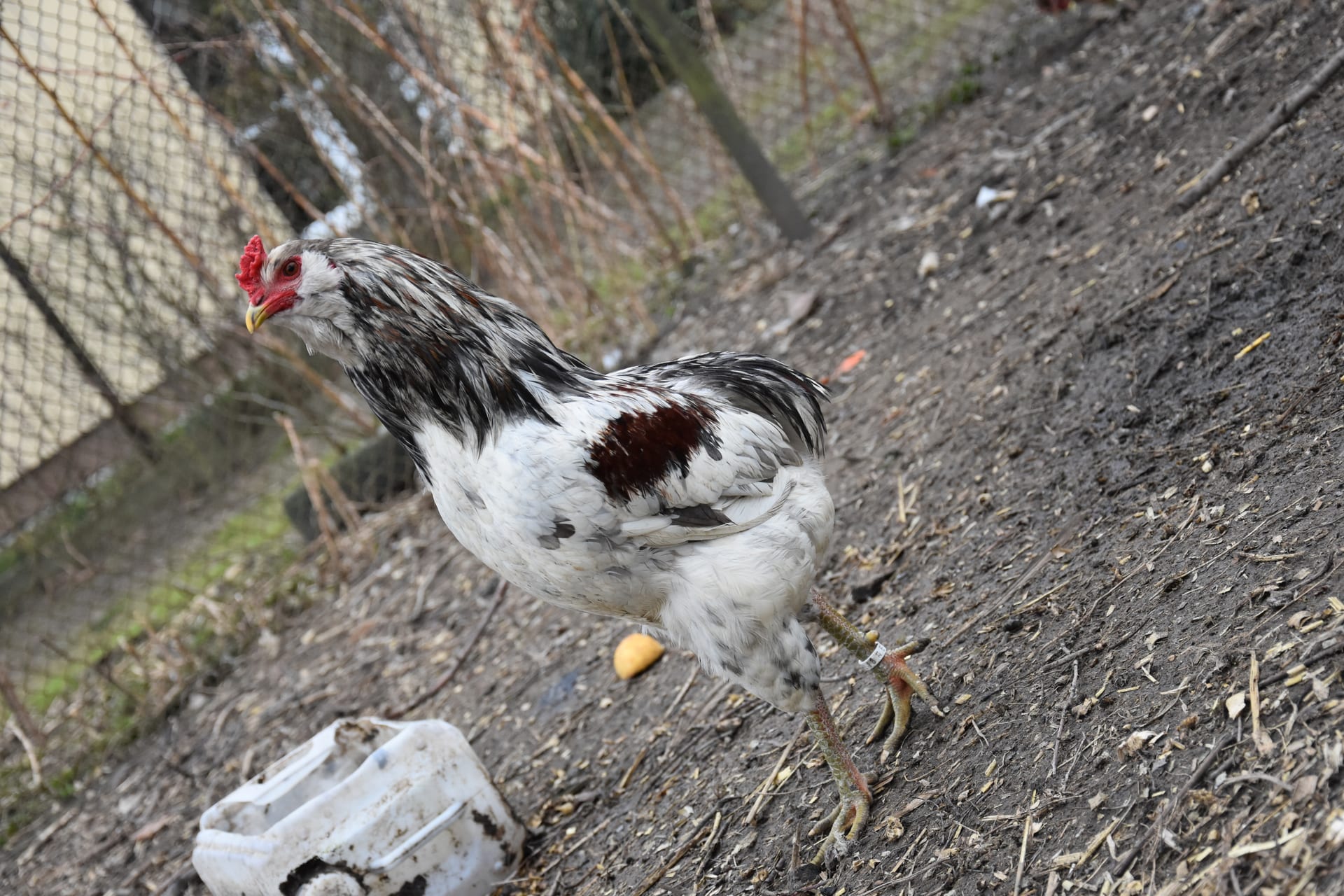
The Cochin derives from very large feather-legged chickens brought from China to Europe and North America in the 1840s and 1850s, known at first as Shanghai birds and later as Cochin-Chinas. The name comes from the Chinese jiujin huang and was confused with Cochinchina in southern Vietnam. Fanciers in Shanghai bred selectively for abundant plumage and leg feathering until today's type was fixed. The size and striking appearance of these birds set off a sudden enthusiasm for poultry-keeping in the West, the so-called hen fever, which became the root of modern poultry fancy. The most distinctive feature is the excessive plumage covering leg and foot, with yellow skin beneath. The back is short and curved and the tail short. The breed is unusually tame for a chicken and comparatively quiet; hens are excellent sitters, though growth is slow. It was included in the first British Standard of Excellence in 1865 and the first American Standard of Perfection in 1874, and many colour varieties exist.
Source: Wikipedia (CC BY-SA 4.0)
Lifespan of the Cochin Chicken
The Cochin Chicken lives About 8 years.
Size of the Cochin Chicken
The Cochin Chicken grows to About 5kg (cock) / 4kg (hen); bantams about 900g / 800g.
Basic Info
Origin
Founded on stock from around Shanghai in China and established as a breed in Europe and North America
Lifespan
About 8 years
Size
About 5kg (cock) / 4kg (hen); bantams about 900g / 800g
Care Specifications
PeacefulGroupBreeding: Easy
Sources: Wikipedia - Cochin chicken (history, leg feathering, entry into the standards, colour varieties) / Japanese Wikipedia - Cochin (etymology, history, weight, temperament, broodiness) / Japanese Wikipedia - Nagoya Cochin (created by crossing Buff Cochin with local Owari fowl; recognised in 1905)
References & Sources
Edited & verified by: BreederDirect editorial team
The taxonomic, regulatory, and husbandry data on this page are compiled and verified against the authoritative primary sources below.
Primary sources
- Wikipedia
- CITES Appendices (the domestic chicken Gallus gallus domesticus not listed)
- Annex to Council Regulation (EC) No 338/97 as amended by Commission Regulation (EU) 2026/1383 (post-CoP20)
- Ministry of the Environment, Japan - List of Invasive Alien Species designated under the IAS Act (birds)
- Japanese Wikipedia - Cochin (etymology, history, weight, temperament, broodiness)
- Japanese Wikipedia - Nagoya Cochin (created by crossing Buff Cochin with local Owari fowl; recognised in 1905)
- GBIF
Taxonomy & Authority
Accepted name: Gallus gallus domesticus (Linnaeus, 1758)
Synonyms: Gallus gallus f. domesticus
Authority databases: GBIF
Nomenclature follows global taxonomic authority databases.
Regulations & Conservation Status
Not CITES-listed
The domestic chicken (Gallus gallus domesticus), and its wild ancestor the red junglefowl Gallus gallus, appear in none of the CITES Appendices. It is not designated an Invasive Alien Species in Japan either; the seven birds so designated are the Canada goose, red-vented bulbul, four Garrulax species and the red-billed leiothrix.
Sources: CITES Appendices (the domestic chicken Gallus gallus domesticus not listed) / Annex to Council Regulation (EC) No 338/97 as amended by Commission Regulation (EU) 2026/1383 (post-CoP20) / Ministry of the Environment, Japan - List of Invasive Alien Species designated under the IAS Act (birds)
Regulations may change. Always verify the latest information with the relevant authorities.
Cochin Chicken Listings
Loading latest listingsFind listings for this species