Source: Wikimedia Commons
Ural Owl
AdvancedStrix uralensis
A large nocturnal owl with a flat, mask-like face and a heart-shaped facial disc, resident in forests throughout Japan. Only captive-bred birds are traded. It is known for defending its territory vigorously.
Difficulty
Advanced
Temperature
15〜30℃
Lifespan
About 15 years
Size
50-62cm (wingspan 94-110cm; males 500-950g, females 570-1,300g)
Humidity
40〜60%
Diet
Frozen mice, rats, day-old chicks and quail; in the wild mainly small rodents such as voles
About
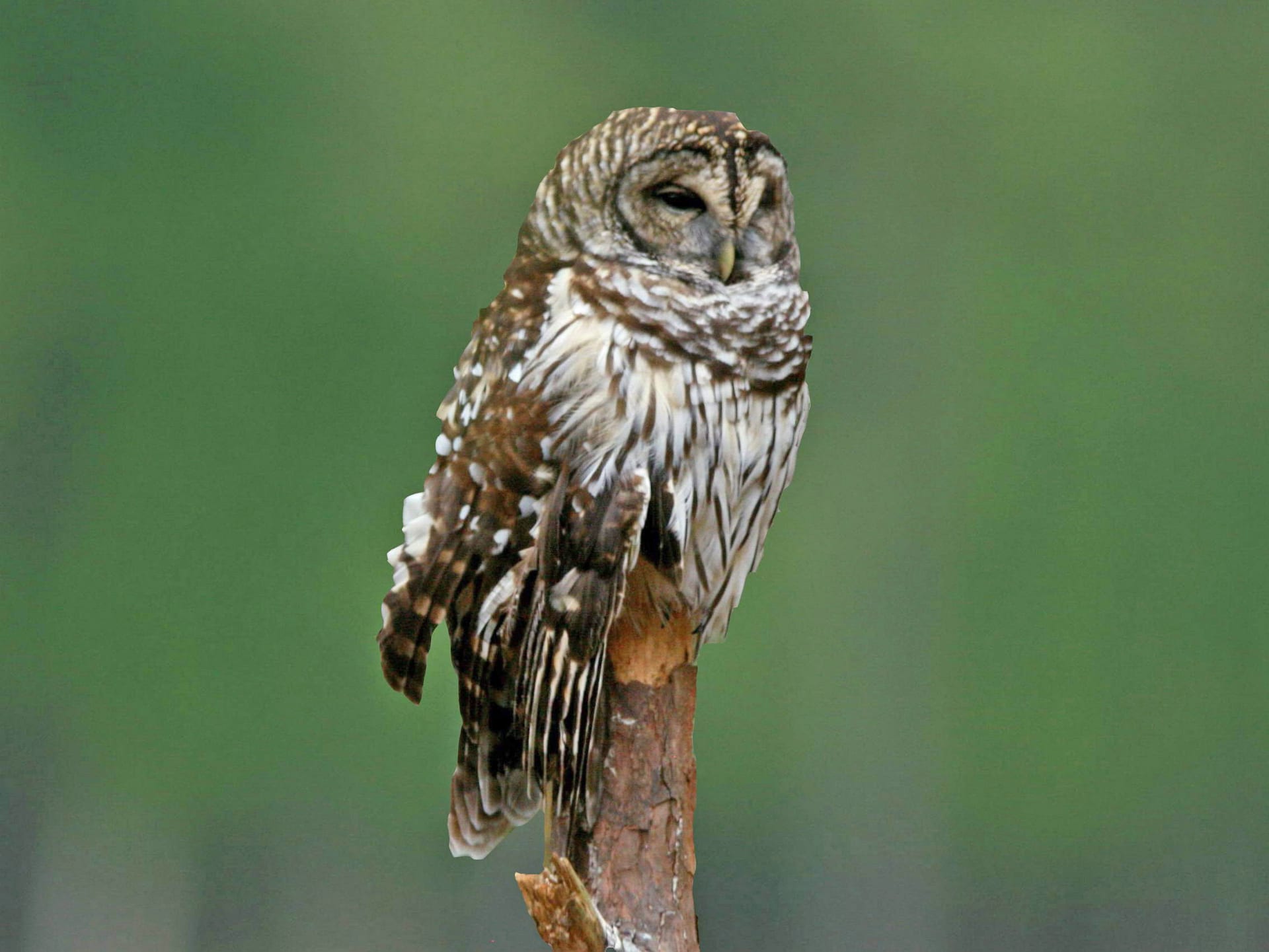
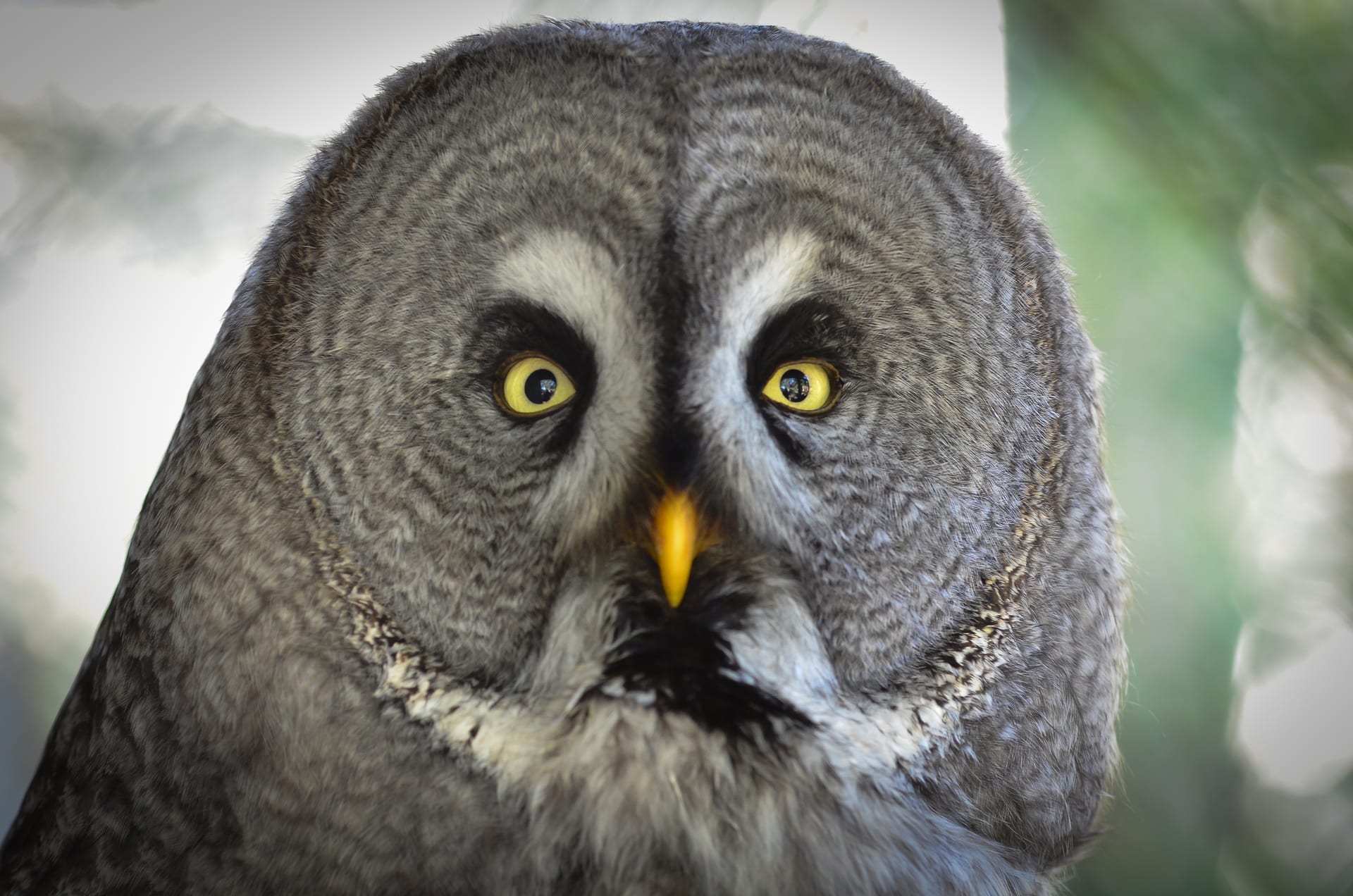
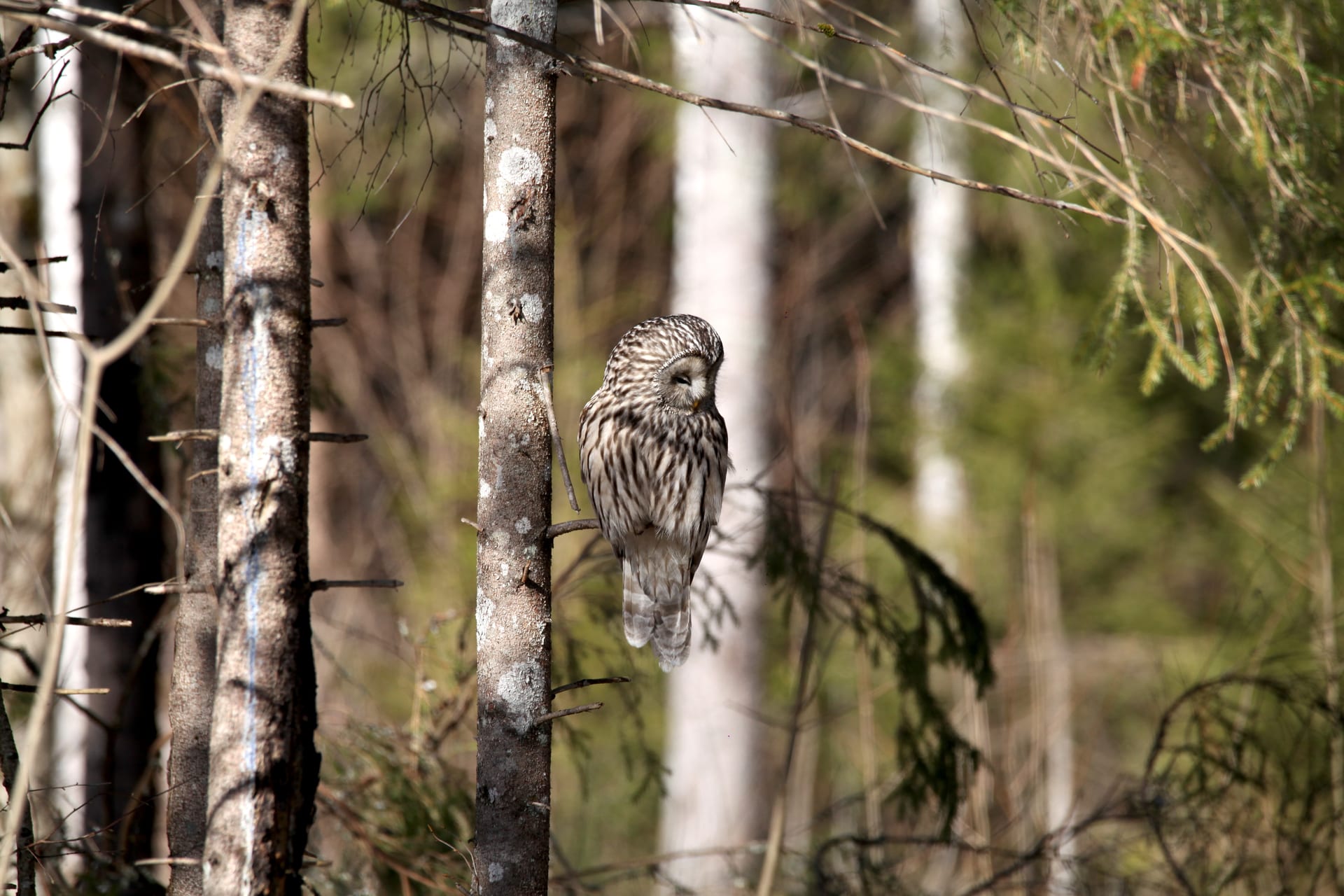
The Ural owl (Strix uralensis) is a large nocturnal owl distributed in a broad band across northern Eurasia from Scandinavia to Japan. Its common and scientific names refer to the Ural Mountains, where the type specimen was taken, but the range sweeps across Russia to Sakhalin and throughout Japan. Up to fifteen subspecies are listed, though clinal variation probably reduces the true number. The upperparts are brown marked with dark brown, grey and white, the underparts white with brown streaks, and the greyish-brown face is framed by a heart-shaped disc. The wings are short and broad and the twelve-feathered tail is longish and fan-shaped; the sexes look alike. Typically a bird of Eurosiberian taiga, it also occupies mixed and temperate deciduous forest, and in Japan it is resident from the lowlands to the subalpine zone, sometimes in shrine woods and parks with large trees. A dietary generalist, it relies locally on small rodents such as voles and defends its territory vigorously.
Source: Wikipedia (CC BY-SA 4.0)
Lifespan of the Ural Owl
The Ural Owl lives About 15 years.
Size of the Ural Owl
The Ural Owl grows to 50-62cm (wingspan 94-110cm; males 500-950g, females 570-1,300g).
It is 50-62 cm long with a wingspan of 94-110 cm and a tail of 22-25 cm; males weigh 500-950 g and females 570-1,300 g, making it Japan's fourth largest owl after Blakiston's fish owl, the Eurasian eagle-owl and the snowy owl, and about the size of a carrion crow.
Basic Info
Origin
Northern Eurasia from Scandinavia to Japan; in Japan a resident on Hokkaido, Honshu, Shikoku and Kyushu
Lifespan
Care Specifications
AggressivePair
Sources: Wikipedia - Ural owl / Wikipedia - Ural owl, Japanese edition (range, measurements)
References & Sources
Edited & verified by: BreederDirect editorial team
The taxonomic, regulatory, and husbandry data on this page are compiled and verified against the authoritative primary sources below.
Primary sources
- Wikipedia
- CITES Appendices (Appendix II)
- IUCN Red List
- Cabinet Order under the Act on Welfare and Management of Animals, appended table (designated dangerous animals)
- Wildlife Protection, Control and Hunting Management Act (Ministry of the Environment, Japan)
- Wikipedia - Ural owl, Japanese edition (range, measurements)
- GBIF
Taxonomy & Authority
Accepted name: Strix uralensis Pallas, 1771
Authority databases: GBIF
Nomenclature follows global taxonomic authority databases.
Regulations & Conservation Status
CITES Appendix IIIUCN LC · Least Concern
Domestic law: As a bird native to Japan, taking, keeping or transferring wild individuals is in principle not permitted under the Wildlife Protection, Control and Hunting Management Act. Only captive-bred birds, domestic or imported, are traded.
Strix uralensis. The order Strigiformes is listed in CITES Appendix II except for species placed in Appendix I, so this species is Appendix II and international trade requires an export permit. It is not among Japan's designated dangerous animals. As a bird native to Japan, however, it falls under the Wildlife Protection, Control and Hunting Management Act.
Sources: CITES Appendices (Appendix II) / IUCN Red List / Cabinet Order under the Act on Welfare and Management of Animals, appended table (designated dangerous animals) / Wildlife Protection, Control and Hunting Management Act (Ministry of the Environment, Japan)
Regulations may change. Always verify the latest information with the relevant authorities.
Ural Owl Listings
Loading latest listingsFind listings for this species