Hawkfish (Cirrhitidae) Care Guide | Species, Tank Mates, Diet, and Tank Setup
A comprehensive guide to raising hawkfish (Cirrhitidae) species such as flame hawkfish and long-nose hawkfish. Introduces characteristics by species, suitable tank mates, how to feed, and tank layout, presented for beginners.
Key Takeaways
A comprehensive guide to raising hawkfish (Cirrhitidae) species such as flame hawkfish and long-nose hawkfish. Introduces characteristics by species, suitable tank mates, how to feed, and tank layout, presented for beginners.
Related Species
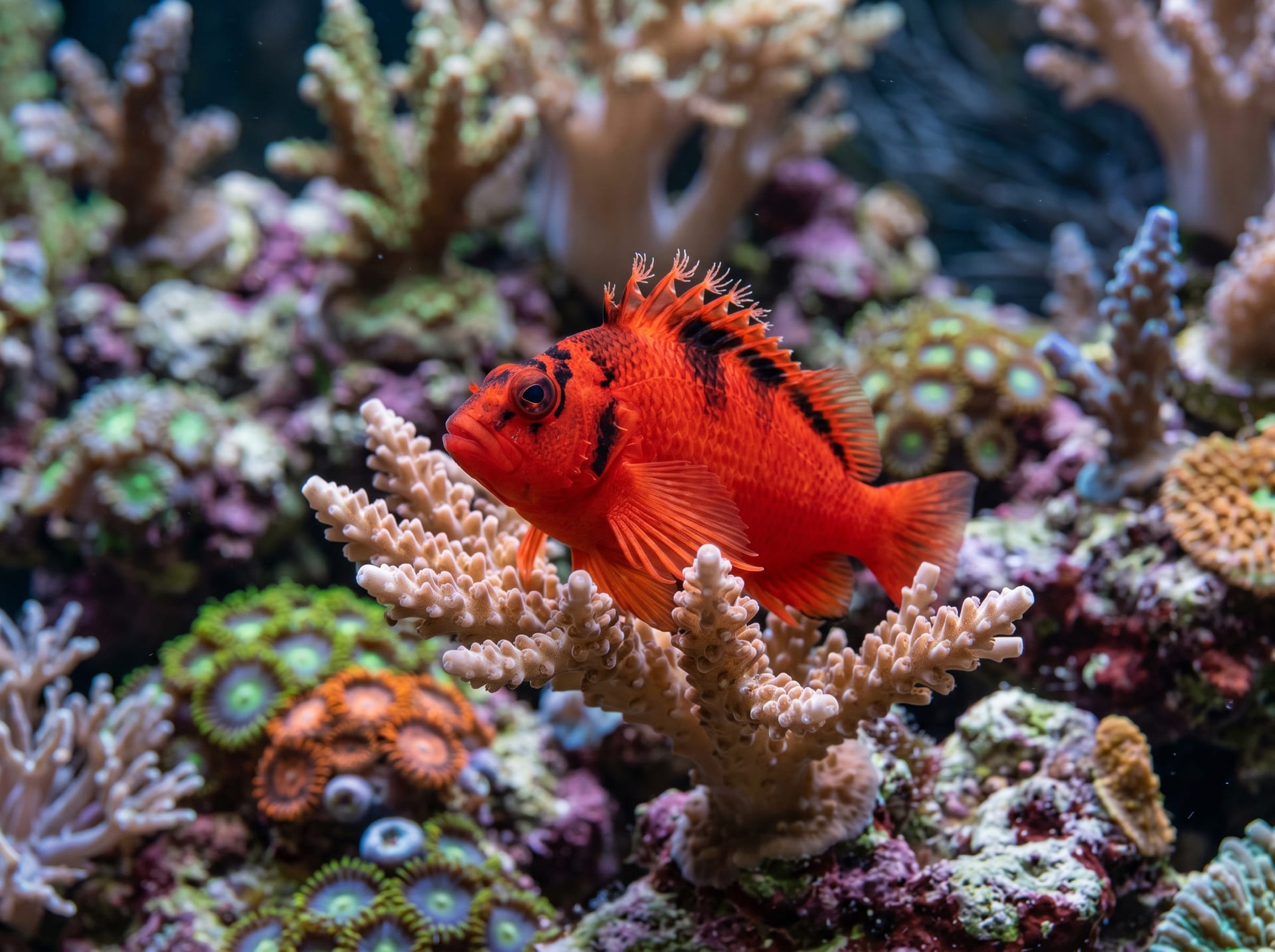
Hawkfish are beloved in the saltwater aquarium hobby as "fish that lie in wait on rocks like hawks hunting prey." Rather than swimming constantly, they perch on rocks and corals, scanning their surroundings—a behavior that makes them fascinating to observe. This article explains everything from the characteristics of popular species to their care requirements, tank mates, and diet.
Main Hawkfish Species and Characteristics
Hawkfish belong to the family Cirrhitidae and comprise approximately 35 species. Below are some of the most commonly seen species at aquarium shops.
Flame Hawkfish (Neocirrhites armatus)
A small species with a body shape resembling a goby, covered entirely in vibrant orange-red coloring. Typically 8–10 cm in size, it is extremely popular as an entry-level saltwater fish. Active and mobile, they are endearing when resting on live rock. However, they prey on shrimp and small crustaceans, making it difficult to keep them with cleaner shrimp.
Long-Nose Hawkfish (Oxycirrhites typus)
Distinguished by its elongated snout, this beautiful species features a white base color with red reticulated patterns. Using their slender mouth, they skillfully feed on small crustaceans and worms attached to glass and live rock. They may require some time to acclimate to aquarium feeding. Typically 10–13 cm in size.
Spotted Hawkfish (Hawkfish Catcher)
A medium-sized species (12–15 cm) with a round body and brown spotted pattern. Relatively hardy and easy to maintain, but they aggressively predate on crustaceans, so care must be taken with tank mates.
Dwarf Hawkfish (Spotted Hawkfish / Cirrhitichthys aprinus)
A cute small species (7–10 cm) with a brown base color and white spots. Known for a gentle temperament, they are relatively easy to house with other species.
Required Tank and Equipment
Tank size requirements for hawkfish vary depending on species and number of individuals, but use the following as guidelines:
| Item | Guideline |
|---|---|
| Tank Size | 60 cm or larger (45 cm acceptable for single specimens) |
| Lighting | Saltwater aquarium LED is sufficient (strong lighting unnecessary without corals) |
| Filtration | External filter + protein skimmer |
| Specific Gravity | 1.023–1.026 |
| Temperature | 24–27°C |
| pH | 8.1–8.3 |
Since hawkfish spend more time stationary on rocks than swimming, it is essential to provide multiple perching spots by placing plenty of live rock or artificial rock. Hawkfish are also prone to jumping, so ensure all gaps in the tank cover are sealed as a safety measure.
Feeding
Hawkfish are carnivorous, preying on crustaceans, small fish, and worms in their natural habitat. In captivity, acclimate them to the following foods:
Recommended Foods
- Frozen Foods (Primary): Frozen copepods, frozen brine shrimp, and frozen krill (small shrimp) have the best feeding response.
- Dry Pellets: Begin with frozen foods to stimulate appetite, then gradually transition to dried pellets and freeze-dried foods.
- Live Foods (Supplementary): If a specimen shows poor appetite immediately after introduction, live brine shrimp or small amphipods can stimulate feeding.
Feeding Tips
- Feed twice daily with amounts that leave no uneaten food.
- Since they remain mostly stationary on rocks, it is efficient to drop food near their mouth.
- Flame hawkfish actively chase food, but long-nose hawkfish struggle to swim far for distant food, so drop food closer to the individual.
Tank Mate Considerations
When keeping hawkfish with other creatures, observe the following precautions:
Incompatible Tank Mates
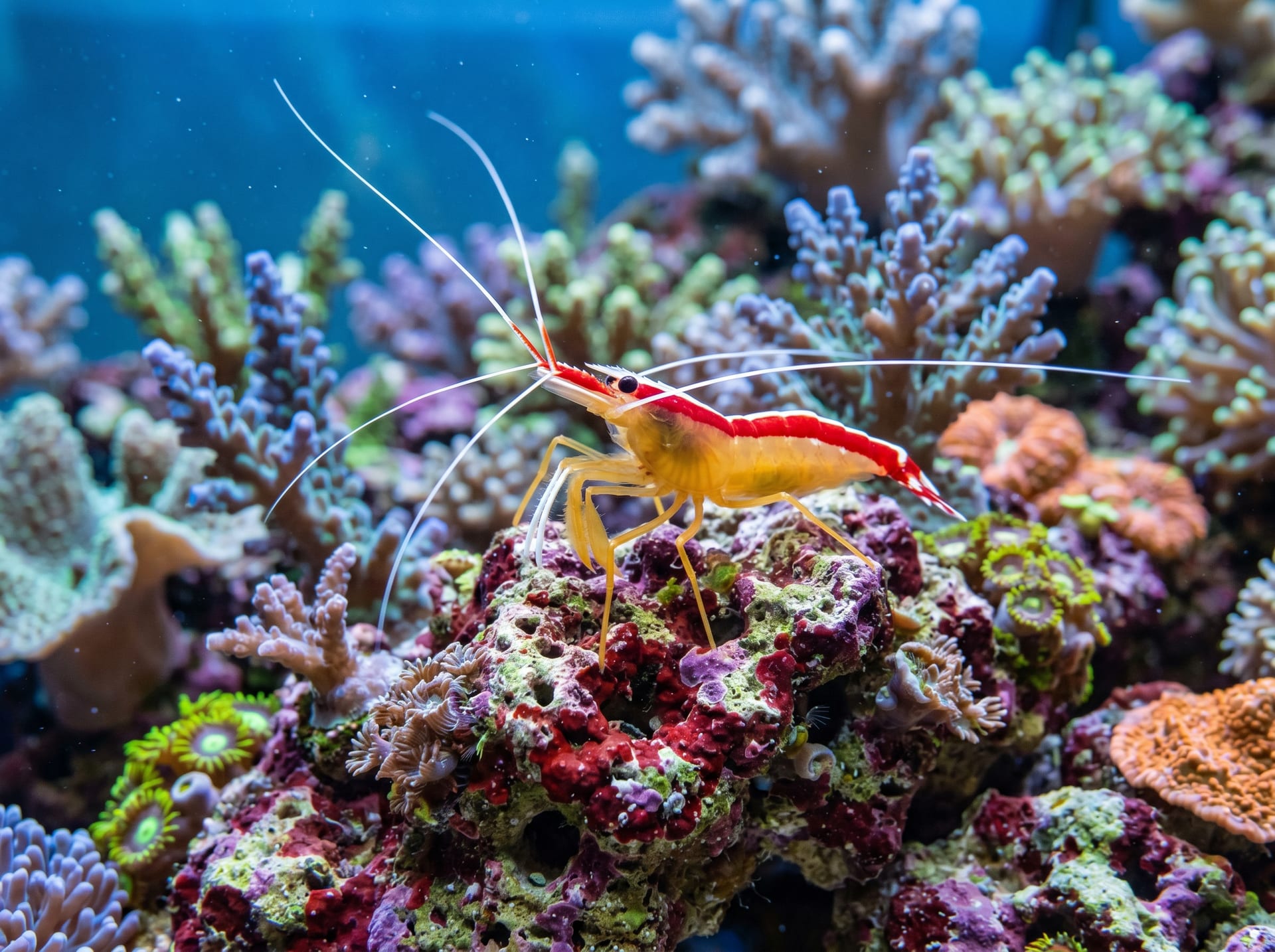
- Shrimp (cleaner shrimp, camel shrimp, etc.): Will be predated upon. Even larger white-banded cleaner shrimp are at risk.
- Small Shrimp (juvenile skunk cleaner shrimp, etc.): Will be eaten.
- Small Crustaceans in General (including hermit crabs): Small hermit crabs may also be predated upon.
Compatible Tank Mates
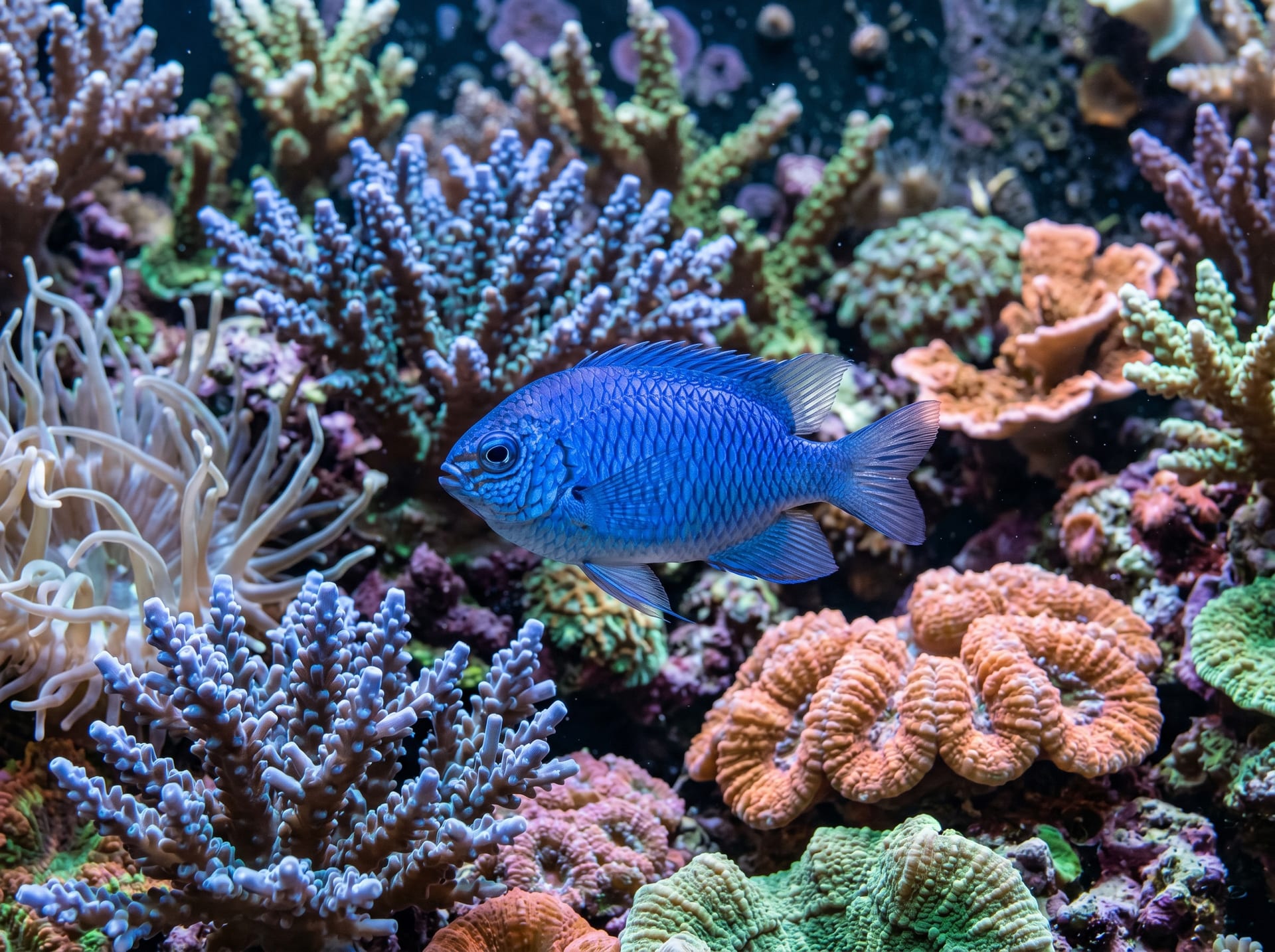
- Gobies, Tangs, and Damselfish: Generally compatible. If territorial, prioritize the established resident.
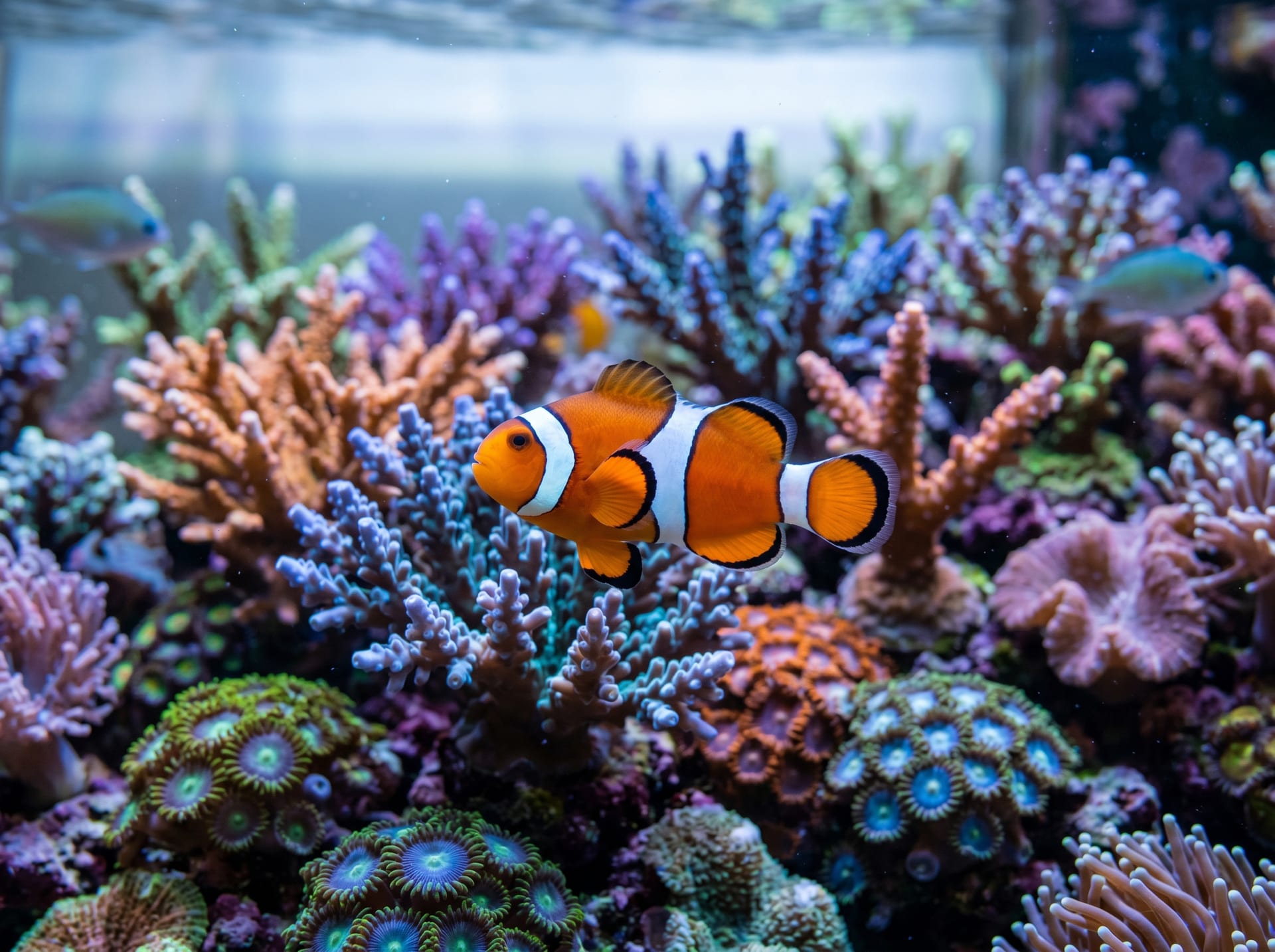
- Clownfish: Compatible if roughly the same size or larger.
- Butterflies and Surgeon Fish (Tang): Can generally coexist.
Coral Tank Compatibility
Hawkfish do not directly eat corals, but larger individuals may perch on and break small colonies. Additionally, resting on polyps of stinging corals such as Euphyllia species may cause them to retract. When adding hawkfish to a coral tank, ensure sufficient live rock for perching and design the layout to discourage them from resting on corals.
Introduction Tips and Health Management
Although hawkfish are hardy fish, they may lose appetite due to stress from environmental changes immediately after introduction.
- Acclimation: Slowly acclimate using the drip method over 30–60 minutes.
- Quarantine Tank: If possible, quarantine for 1–2 weeks to confirm no signs of ich or other diseases before moving to the main tank.
- Health Check: At purchase, confirm the specimen has no body wounds, white spots, or torn fins. Choose individuals with good feeding response.
Summary
Hawkfish are attractive saltwater fish prized for their unique appearance and vibrant coloring. With proper care conditions, they are hardy and capable of long-term maintenance. The key restriction is incompatibility with shrimp; once this is understood, they are relatively easy to moderate in difficulty. Enjoy the unique saltwater aquarium experience of observing them perch on rocks and wait for prey up close.