 © Atamari / CC BY-SA 3.0
Northern Red Bishop
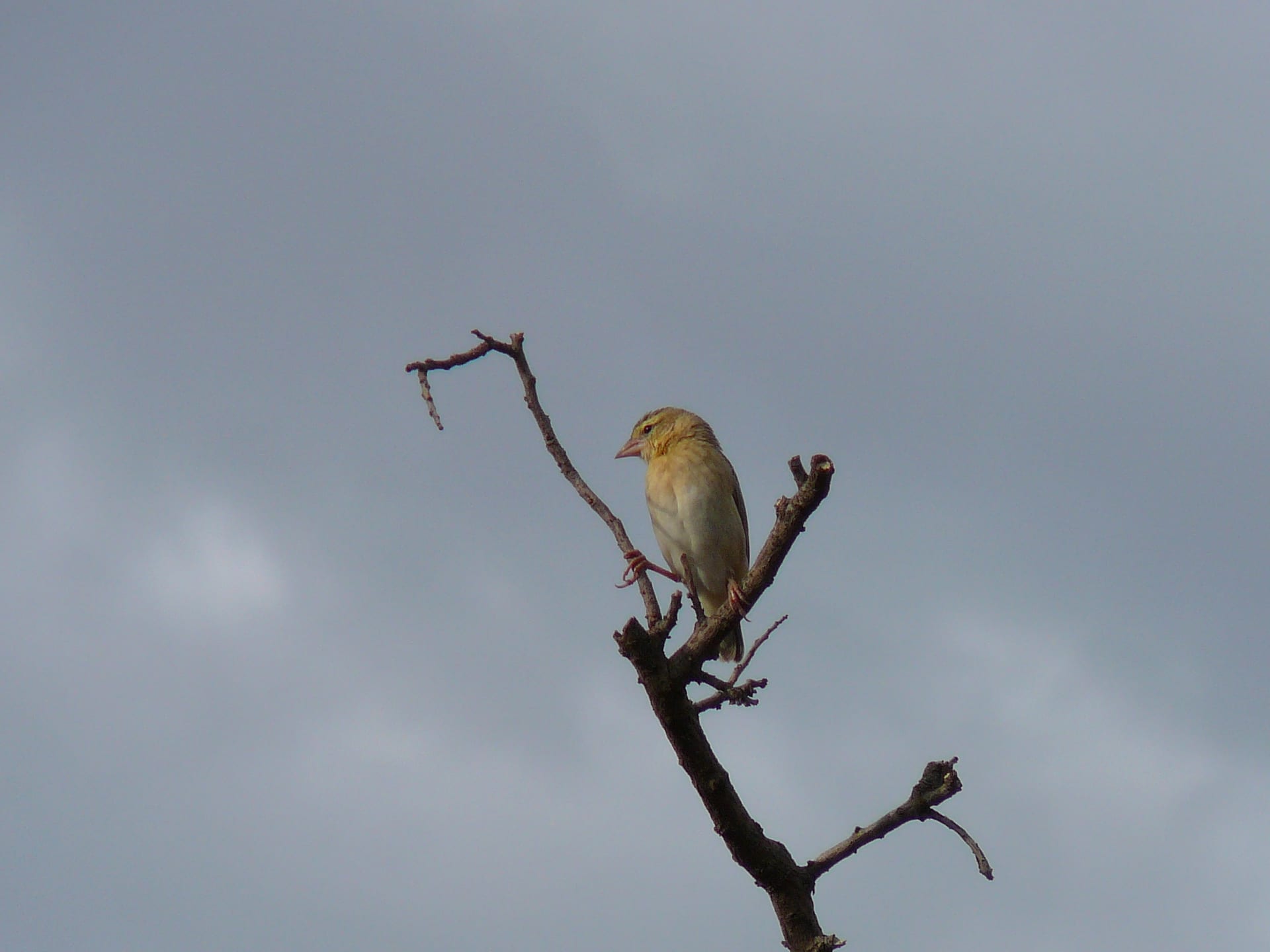
The Northern Red Bishop is a small weaver-family bird best known for the male's dramatic transformation during the breeding season, when his plumage turns a fiery orange-red set off by bold black markings. With a short tail and a compact, rounded build, adults reach only about 11cm in length. Outside the breeding season, both males and females wear a much plainer brown coat, so the seasonal contrast is part of the appeal. They are polygynous and males defend territories, so males should not be housed together; a setup with one male and several females suits them best. They're considered a species for keepers with some prior bird-keeping experience, but the reward is a front-row seat to one of the more striking seasonal transformations in the aviary world.
View Northern Red Bishop encyclopedia →Breeder Wanted!
List on BreederDirect and sell directly to customers nationwide!
BreederDirect's 6 Transparency Commitments
All Birds listings include complete Breeder transparency: hand-raised status, DNA sex determination, and health certification details.
- Hand-Raised
- DNA Sex-Determined
- Health Certified
- Origin Disclosed
- Color Variation Specified
- Age in Months Disclosed
Browse all 286 breeds
Care Level
No listings match your filters
Adjust your filters, or get notified when new listings arrive.
Getting alerts is free with a member account. When new listings match your saved search, we'll notify you by email and in-app.
Browse other categories
Verified breeders (preview)
Northern Red Bishop key facts
- Care level
- Intermediate
- Lifespan
- 5-8 years
- Size
- About 11cm
- Diet
- Mixed seed, spray millet, greens, carotenoid-rich vegetables, and small livefood when breeding
- Cage
- Males weave globular nests, so supply plenty of weavable material such as long grass blades and palm fibre.
- Temperament
- Polygynous and territorial, it is best kept as one male with several females rather than with rival males.
- Vocalization
- The displaying male calls frequently with a hard, broken note; at other times he is quiet.
- Notes
- The red-orange depends on dietary carotenoids and captive birds never match wild colour, so avoid overdosing colour supplements.
About Northern Red Bishop
The Northern Red Bishop is a weaver-family finch whose male turns a striking orange-red and black during the breeding season. Compact at about 11cm, it suits keepers with some bird-care experience.
7 things to know before welcoming a Northern Red Bishop
1Color Changes With the Season
During the breeding season, males develop striking orange-red plumage set off by black, but outside that season they return to a plain brown coloring similar to females. Because the orange-red pigment comes from carotenoids in the diet, captive birds don't always match the vivid color seen in the wild.
2Suited to Experienced Keepers
The Northern Red Bishop is generally considered a species for keepers with some prior bird-care experience. First-time bird owners should build up basic knowledge before bringing one home.
3A Compact Build
Adults reach only about 11cm in length, with a short tail and a rounded, compact body. Housing can be sized accordingly without needing a large footprint.
4Polygyny and Territories
These birds are polygynous, and males defend their territories. Do not house males together; a setup with one male and several females suits them best. Even with females, consider cage space and how the individuals get along.
5Provide Nesting Material
Males weave a ball-shaped nest during the breeding season. Set up the cage so you can give them plenty of weavable material, such as long grass blades or palm fiber.
6Diet and Nutritional Balance
Build the diet around mixed seed and millet sprays, combined with leafy greens and carotenoid-rich vegetables. Small live food is also offered during the breeding season. Avoid excessive supplementation aimed at boosting color.
7Preparing Before Arrival
Before bringing your bird home, set up the cage, perches, and water dish in advance. Give it some quiet time to settle in without forcing interaction while it adjusts to its new surroundings.
Frequently asked questions about Northern Red Bishop
- Q.What is the Northern Red Bishop's temperament like?
- A.They are polygynous, and males tend to defend their territories. Males call often during courtship but are quiet at other times. Individual personalities vary.
- Q.Are they dull-colored outside the breeding season?
- A.Yes, outside the breeding season both males and females have a plain brown coloring. Only breeding males develop the vivid orange-red plumage.
- Q.Can beginners keep this species?
- A.The Northern Red Bishop is generally considered suited to keepers with some experience. First-time owners are encouraged to research basic bird care before bringing one home.
- Q.Can they be kept with other birds?
- A.They are polygynous and males defend territories, so avoid housing males together; one male with several females suits them best. If housing them with other species, check compatibility and make sure the cage offers enough space.
- Q.Is the Northern Red Bishop subject to CITES?
- A.No, the Northern Red Bishop is not subject to CITES.
Useful tools for Northern Red Bishop care
Learn more about Northern Red Bishop in the encyclopedia
View Northern Red Bishop encyclopedia entry →
Care difficulty, lifespan, size and diet — all basics covered.
More in this category
Can't find the one you're looking for?
Post your wishes for free and breeders with matching animals will contact you with introductions.