 © Penkinvaltaaja / CC BY-SA 4.0
Marigold Lorikeet
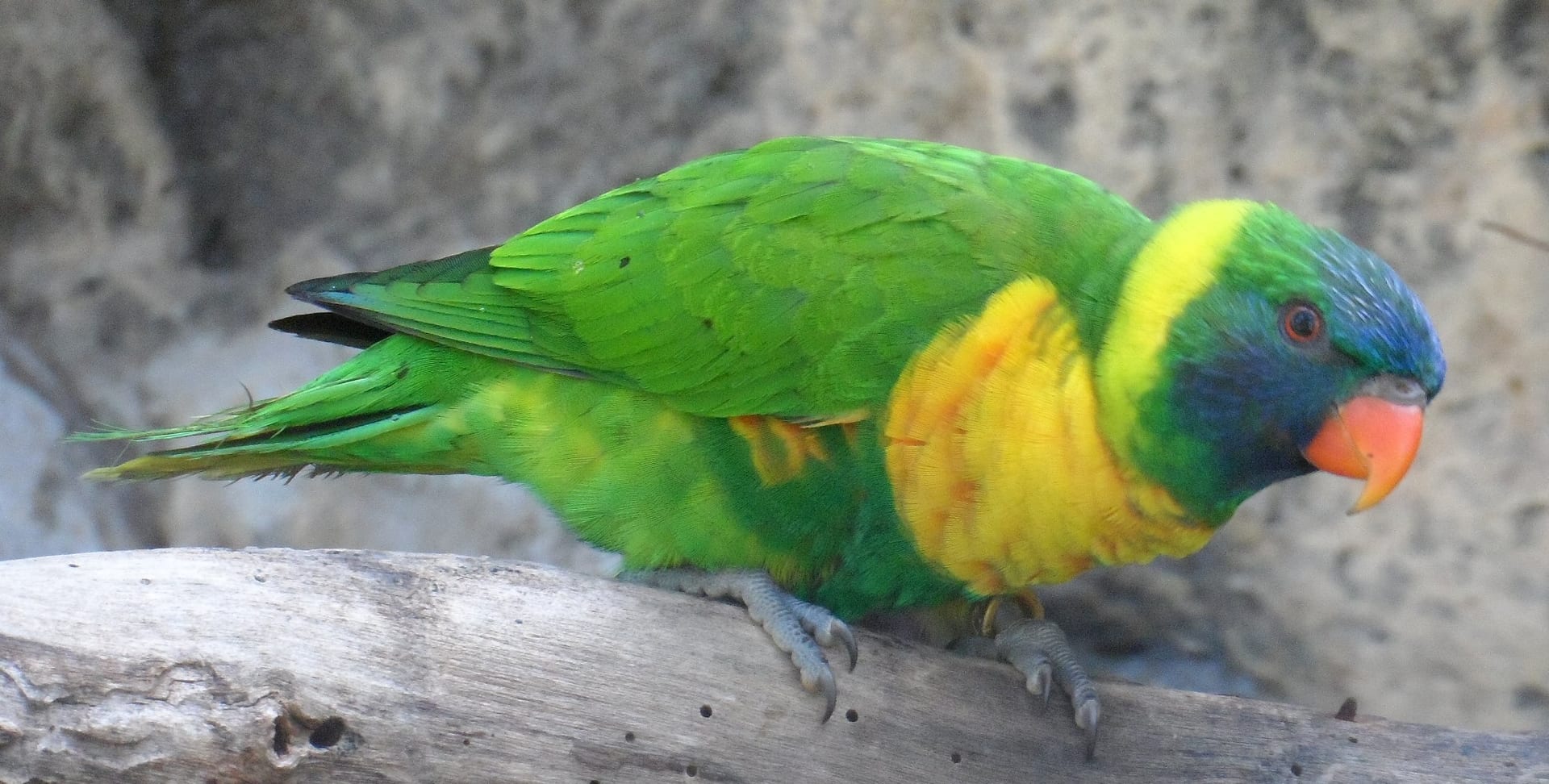
The Marigold Lorikeet looks like a softer-toned version of the Iris Lorikeet, with a chest that shades from orange-yellow to yellow and blue head plumage that blends seamlessly into the surrounding feathers. Found only on islands such as Sumba and Timor in Indonesia, it was once classified as a subspecies of the Iris Lorikeet. True to its lorikeet heritage, it tends to be lively, curious, and quick to bond with its keeper, though its specialized nectar-and-pollen diet calls for dedicated care, which is why it's generally considered a bird for experienced keepers.
View Marigold Lorikeet encyclopedia →0% commission on your first sales!Register by September 30, 2026 and your first 2 sales are commission-free!
Breeder Wanted!
List on BreederDirect and sell directly to customers nationwide!
Six Transparency Commitments from BreederDirect
All Birds listings include complete Breeder transparency: hand-raised status, DNA sex determination, and health certification details.
- Hand-Raised
- DNA Sex-Determined
- Health Certified
- Origin Disclosed
- Color Variation Specified
- Age in Months Disclosed
Browse all 286 breeds
Care Level
No listings match your filters
Adjust your filters, or get notified when new listings arrive.
Getting alerts is free with a member account. When new listings match your saved search, we'll notify you by email and in-app.
Browse other categories
Verified breeders (preview)
Marigold Lorikeet key facts
- Care level
- Advanced
- Lifespan
- Little data
- Size
- Little data
- Diet
- Lory nectar or powdered lory diet and soft fruit
- Temperament
- Active and playful like other lories, it needs toys and bathing for exercise and stimulation.
- Cage
- Its watery droppings splatter, so use an easy-clean cage and protect the surroundings.
- Vocalization
- Its calls are shrill and carry well, and fairly loud.
- Feeding
- It laps nectar and pollen with a brush-tipped tongue, so feed lory nectar or powder with fruit, replacing it daily.
- Notes
- It resembles other rainbow lorikeet forms, so confirm the orange-yellow to yellow breast and blurred blue head before buying.
About Marigold Lorikeet
The Marigold Lorikeet is a lorikeet native to Indonesia's Sumba and Timor islands, with an orange-yellow chest and softly blended blue head plumage — an advanced-level bird due to its specialized nectar diet.
7 things to know before welcoming a Marigold Lorikeet
1A Nectar-and-Pollen Diet
Marigold Lorikeets are nectar and pollen feeders, so a standard seed-based diet alone won't meet their needs. Owners should prepare a specialized nectar food (powder or liquid) as the base of the diet, supplemented with fresh fruit.
2Runnier Droppings to Manage
Because their diet is nectar-based, Marigold Lorikeets tend to produce runnier droppings than many other pet birds. Frequent cage cleaning and a cage placement that limits splatter are worth planning for in advance.
3An Active Bird That Needs Space
True to the lorikeet family, Marigold Lorikeets are curious and highly active, so a cramped cage can leave them under-stimulated. Provide as large a cage as possible, along with perches and toys to keep them engaged.
4Vocal Communication
Like other lorikeets, Marigold Lorikeets vocalize frequently as a form of communication. If you live in an apartment or close to neighbors, it's worth thinking through noise considerations in advance.
5Sociable, Yet Best for Experienced Keepers
Many individuals bond closely with their owners and clearly enjoy interaction, making them rewarding companions. At the same time, their specialized diet and high activity level mean they're best suited to experienced bird keepers.
6A Species With Limited Data
Marigold Lorikeets are found only on islands such as Sumba and Timor in Indonesia, and reliable data on their lifespan and adult size is still limited. The IUCN assesses the species as Least Concern (LC). Prospective keepers should draw on general knowledge of related lorikeet species and observe each bird closely.
7Listed Under CITES Appendix II
Marigold Lorikeets are listed under CITES Appendix II. If you're considering bringing one home, it helps to have specialized nectar food and a suitable cage setup ready in advance, along with an experienced level of care.
Frequently asked questions about Marigold Lorikeet
- Q.Can beginners keep a Marigold Lorikeet?
- A.Marigold Lorikeets are generally considered an advanced-level bird. Because they require specialized nectar-based feeding and can be quite active, prior bird-keeping experience makes a real difference, so they can be challenging for a first-time owner.
- Q.What should I feed a Marigold Lorikeet?
- A.Since they naturally feed on nectar and pollen, a commercial lorikeet nectar food (powder or liquid) should form the base of their diet. Fresh fruit can be added alongside it to help round out their nutrition.
- Q.How big do they get, and what's their lifespan?
- A.There isn't yet enough published data on Marigold Lorikeets to state a clear lifespan or adult size. It's best to draw on information about related lorikeet species while paying close attention to each individual bird's condition.
- Q.Are Marigold Lorikeets loud?
- A.Like other lorikeets, Marigold Lorikeets communicate vocally on a regular basis. If you live in an apartment or near neighbors, it's a good idea to think through noise considerations before bringing one home.
- Q.Are there any trade restrictions on Marigold Lorikeets?
- A.Nearly all parrots are listed under CITES Appendix II, and this species is included. International trade requires an export permit from the exporting country, but no registration card under Japan's Species Conservation Act is needed for transfers within Japan. Importing from overseas requires an animal import notification under the Infectious Diseases Control Act. The IUCN assesses the species as Least Concern (LC).
Useful tools for Marigold Lorikeet care
Learn more about Marigold Lorikeet in the encyclopedia
View Marigold Lorikeet encyclopedia entry →
Care difficulty, lifespan, size and diet — all basics covered.
More in this category
Can't find the one you're looking for?
Post your wishes for free and breeders with matching animals will contact you with introductions.