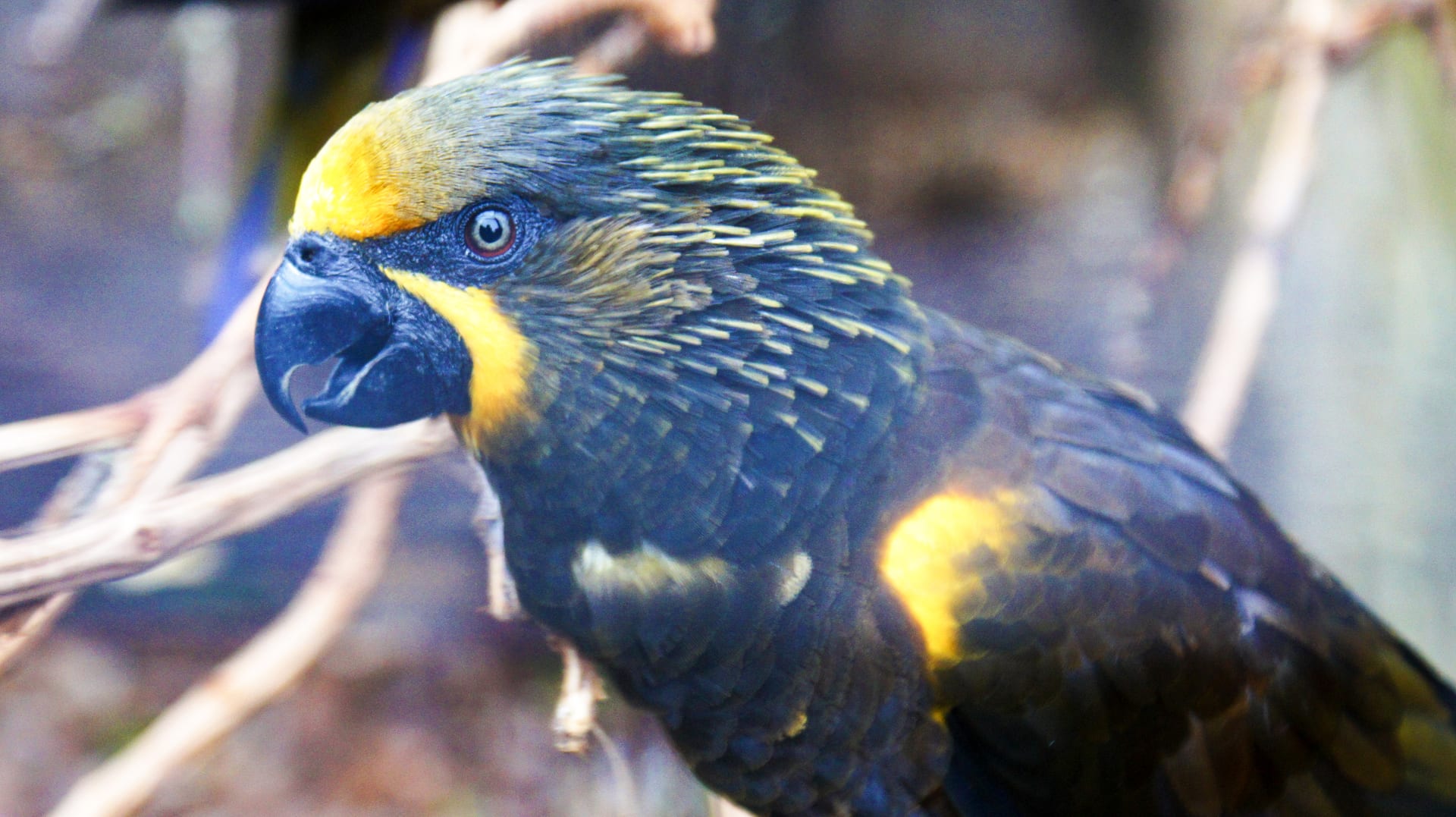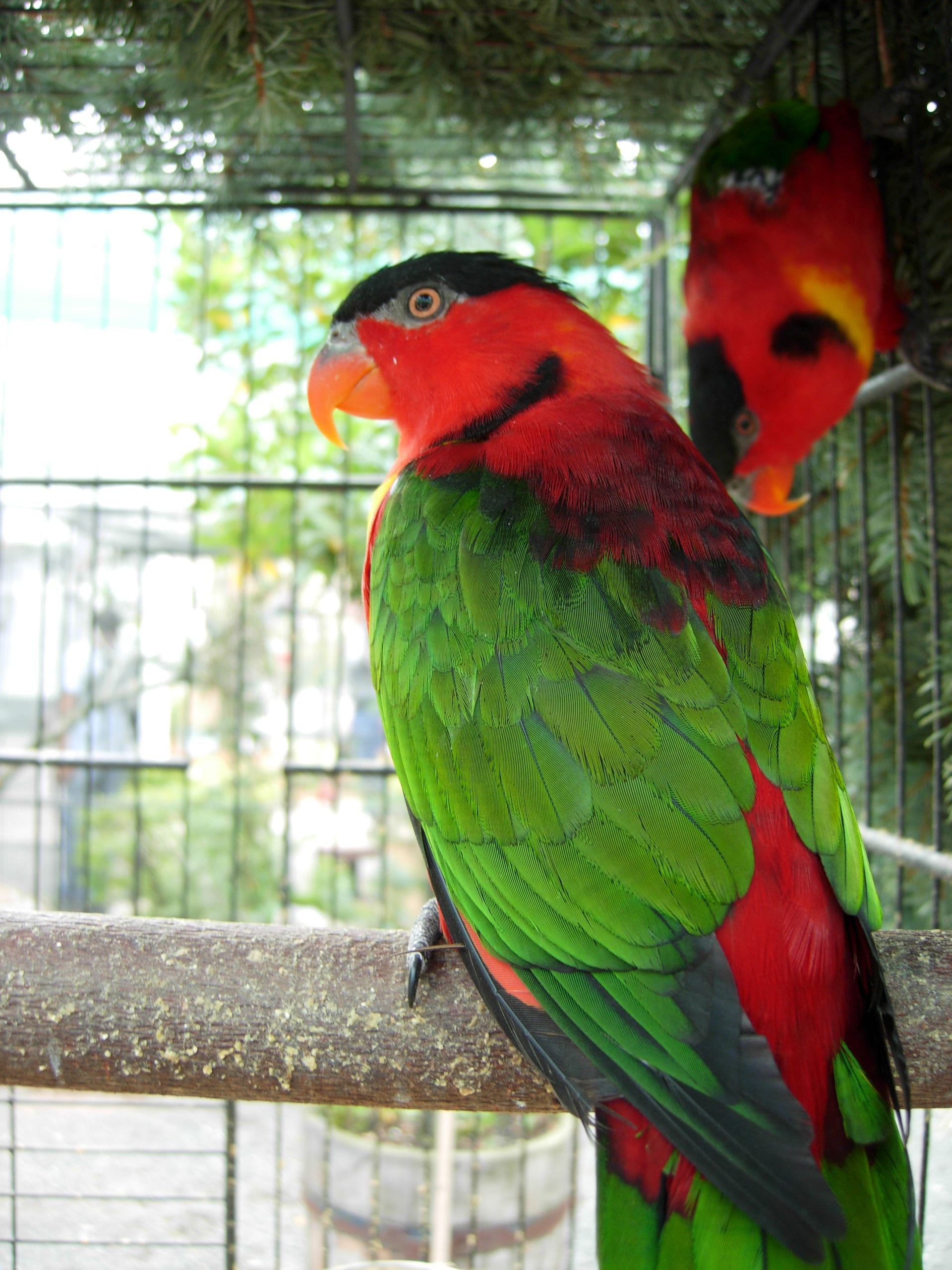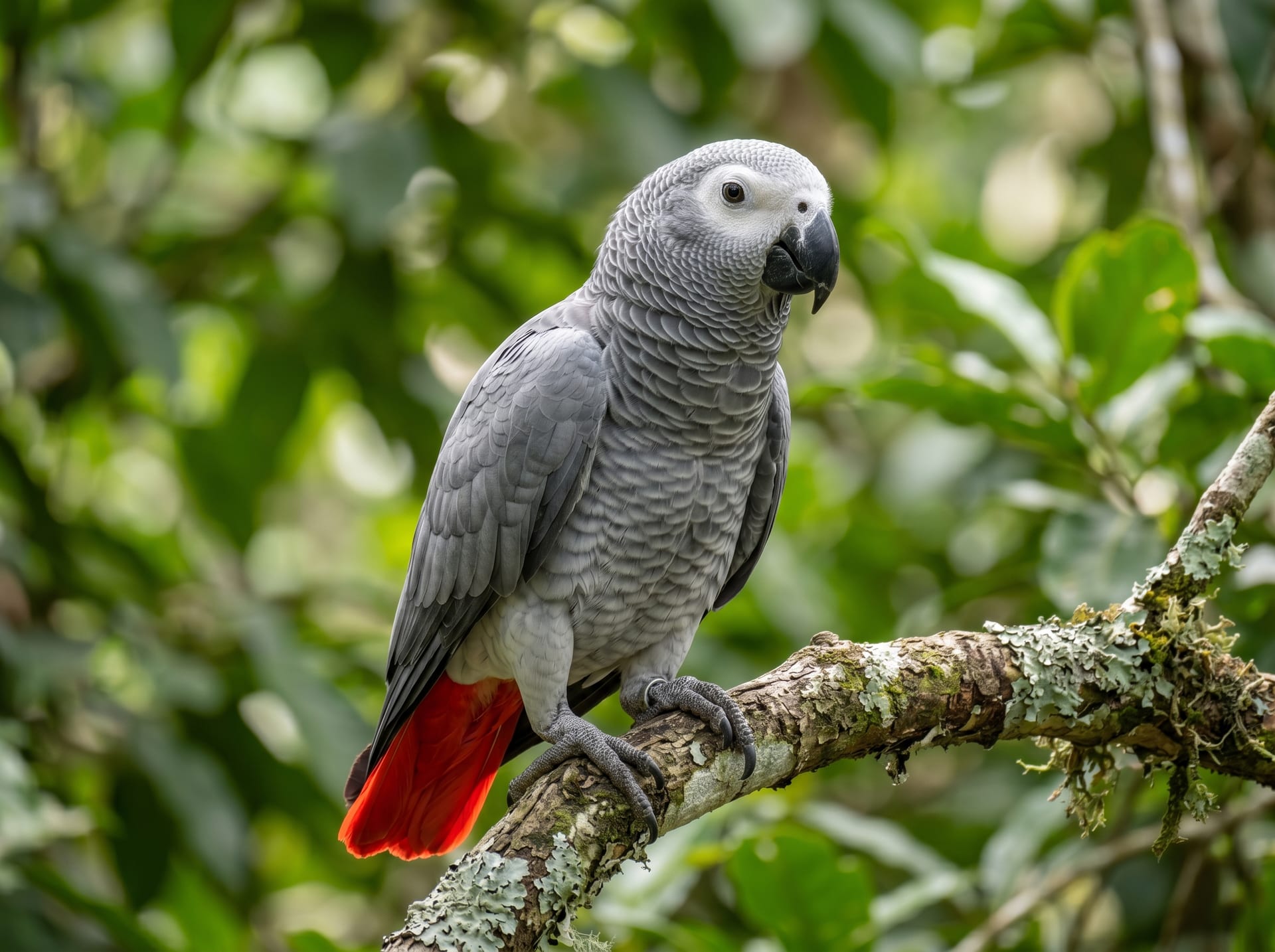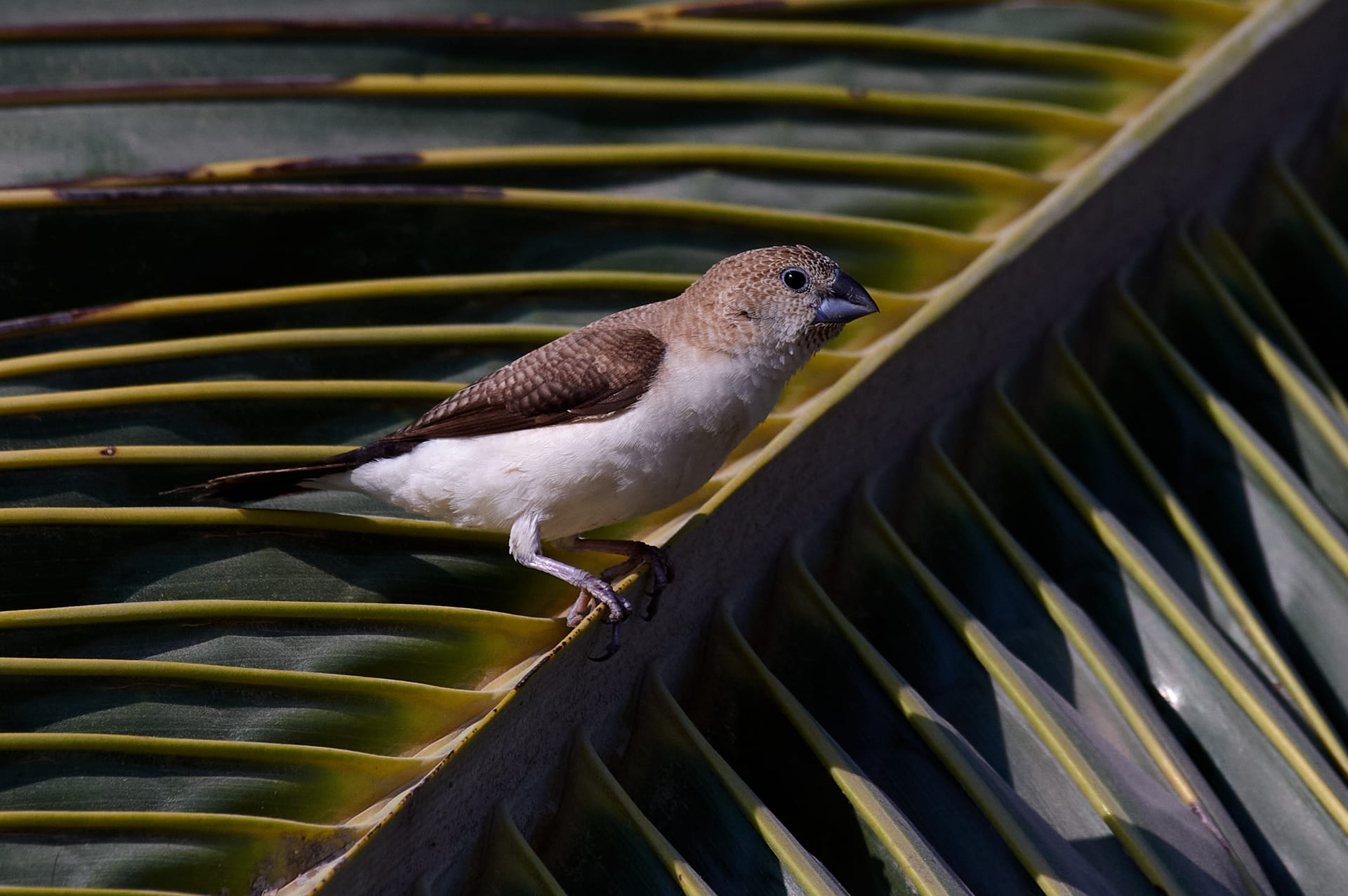
Source: Wikimedia Commons
Marigold Lorikeet
AdvancedTrichoglossus capistratus
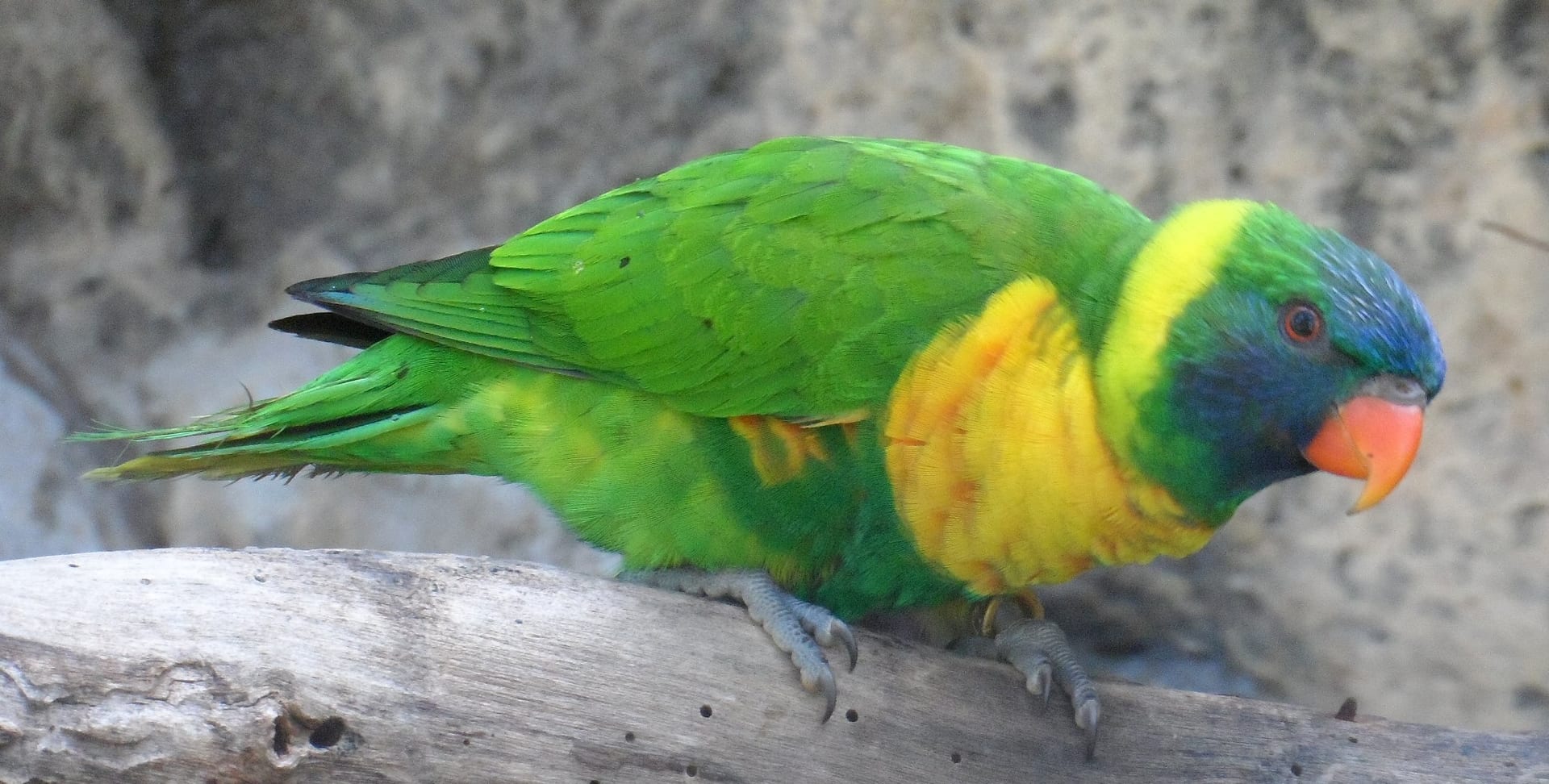
A lorikeet like a faded rainbow lorikeet, with an orange-yellow to yellow breast and a blue head that blends without a sharp edge. Endemic to Sumba, Timor and nearby islands, it was once treated as a subspecies of the rainbow lorikeet.
Difficulty
Advanced
Temperature
15〜30℃
Lifespan
Little data
Size
Little data
Humidity
40〜60%
Diet
Lory nectar or powdered lory diet and soft fruit
About
The marigold lorikeet or Sumba lorikeet (Trichoglossus capistratus) is a lory endemic to the Indonesian islands of Sumba, Rote, Wetar and Kisar and to Timor (Indonesia and Timor-Leste). It was previously treated as a subspecies of the rainbow lorikeet (T. haematodus), but since a 1997 review it has increasingly been treated as a separate species. It resembles a faded rainbow or scarlet-breasted lorikeet, but the blue of the head is not sharply demarcated and the breast ranges from orange-yellow to yellow. Besides the nominate race of Timor, it includes fortis (Edward's lorikeet) of Sumba and flavotectus of Wetar. It inhabits primary forest edge, secondary forest, woodland and plantations below 500 m on Timor and up to at least 950 m on Sumba. Like other lories it feeds on nectar, pollen and soft fruit with a brush-tipped tongue, so it needs a nectar-based diet in captivity and its droppings are watery. It is often sold under trade names without a scientific name, so check the breast colour to avoid confusion with other rainbow lorikeet forms. In Japan it is occasionally seen at shops specialising in lories.
Source: Wikipedia (CC BY-SA 4.0)
Basic Info
Origin
Forest edge, secondary forest and plantations of Sumba, Rote, Wetar, Kisar and Timor
Lifespan
Little data
Size
Little data
Temperature
15〜30℃
Humidity
40〜60%
Diet
References & Sources
Edited & verified by: BreederDirect editorial team
The taxonomic, regulatory, and husbandry data on this page are compiled and verified against the authoritative primary sources below.
Taxonomy & Authority
Regulations & Conservation Status
CITES Appendix IIIUCN LC · Least Concern
Trichoglossus capistratus. Parrots (Psittaciformes) are listed in CITES Appendix II apart from a few species, and this species is in Appendix II. International trade needs an export permit, but no registration under Japan's species conservation law is needed to transfer birds within Japan. Imports into Japan are subject to animal import notification under the Infectious Diseases Control Law. CITES (Species+) lists it within the rainbow lorikeet, Trichoglossus haematodus. The IUCN assesses it as Least Concern.
Sources: Species+ (Trichoglossus haematodus) / IUCN Red List
Regulations may change. Always verify the latest information with the relevant authorities.
Marigold Lorikeet Listings
Loading latest listingsFind listings for this species